I remember the first time I tried to hang a heavy shelf in my garage. I grabbed some plastic anchors and screws, figured it would be a piece of cake. Fast forward an hour, and the shelf was sagging, screws were spinning, and I was covered in dust. That’s when I started asking myself: are Tapcon screws better than anchors? The common wisdom says anchors are for drywall, and Tapcons are for concrete, but is it really that simple? I’ve spent years wrestling with fasteners, and I’ve learned a few things the hard way.
Let’s cut to the chase: when you’re talking about solid masonry, a properly installed Tapcon screw often wins. But the world of hanging stuff on walls is rarely black and white. There’s a whole spectrum of materials, loads, and applications where the ‘best’ choice can get murky. I’m here to tell you what’s worked for me, what hasn’t, and why you should be skeptical of blanket advice.
When a Plastic Anchor Just Won’t Cut It
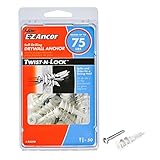
Look, for lightweight stuff in drywall, those little plastic anchors are fine. I’ve hung picture frames, light shelving, and even some basic curtain rods with them.
They work by expanding inside a pre-drilled hole in drywall, creating a friction fit. The screw then bites into the plastic, which in theory holds your item.
The problem is, they’re notorious for failing under load, especially if you’re not careful. I once tried to hang a moderately heavy mirror using what I thought were solid plastic anchors. About a week later, the whole thing came crashing down. Turns out, the drywall crumbled around the anchor, or the anchor itself just gave way.
It was a mess, and a good reminder that plastic has its limits.
The common advice is to drill a hole slightly smaller than the anchor, then tap the anchor in. For heavier items, some folks recommend toggle bolts or molly bolts, which are a step up. These have a flange or wings that expand behind the drywall, offering a much larger surface area for support. I’ve had decent luck with those for heavier hanging, but they require a larger hole, and if you mess up the installation, you’re left with a gaping hole and a useless anchor. The real issue with most anchors is their reliance on the integrity of the drywall itself. If the drywall is old, crumbly, or the hole is slightly too big, you’re asking for trouble.
I also find that the quality of plastic anchors varies wildly. Some feel brittle and cheap right out of the box, while others are more flexible. You have to pay attention to the weight rating, which is often wildly optimistic. I’ve learned to basically double or triple the weight I’m hanging and then add a healthy safety margin. It’s a pain, and frankly, I’d rather use a fastener that’s designed for the job from the start. The real difference between a good anchor and a bad one often comes down to the material it’s going into and how much weight you’re asking it to hold. For anything more than a few pounds, I start looking for alternatives.
The Straight Dope on Tapcon Screws
Alright, let’s talk about Tapcon screws. If you’re drilling into concrete, brick, or block, these things are usually your best bet for a straightforward installation. They’re basically specialized screws with a hardened shaft and a blue coating (though they come in other colors for different materials). The magic happens with the pilot hole you drill. Tapcons are designed to thread directly into the masonry itself. You drill a specific size hole (the package tells you exactly what size bit to use, which is key), blow out the dust, and then drive the Tapcon in. As you drive it, the screw cuts its own threads into the masonry material, creating a very strong mechanical lock. (See Also: Can Concrete Anchors Be Used In Brick )
I’ve used Tapcons for everything from mounting electrical boxes to exterior light fixtures and even securing a heavy workbench to my concrete garage floor. The holding power is genuinely impressive. I remember one project where I was mounting some industrial shelving to a cinder block wall. I used the recommended 3/16” drill bit, tapped in the Tapcons, and they held like they were welded in place. No spinning, no signs of stress, just solid. It felt incredibly secure, far more so than any plastic anchor would have felt in that situation. The blue coating also seems to resist corrosion pretty well, which is a bonus if you’re using them outdoors or in damp environments.
The key to Tapcon success is the pilot hole. If you don’t drill the correct size hole, or if you don’t blow out the dust thoroughly, you’re asking for trouble.
Too small a hole, and you’ll struggle to drive the screw, potentially stripping the head or breaking the screw. Too large a hole, and it won’t have enough material to grip, and it’ll spin. And that dust? It’s like a lubricant.
You have to get it out. I usually use a shop vac with a crevice tool or even just a puff of compressed air. They’re relatively inexpensive, widely available, and do a fantastic job when used correctly. But they are NOT for drywall, and trying to use them as such is a rookie mistake.
Tapcon Screws vs. Anchors: A Direct Comparison
So, when the rubber meets the road, how do they stack up? It’s not really an either/or situation, but more about the right tool for the right job. If you’re hanging something light on a standard drywall wall, a good quality plastic anchor or a screw directly into a stud is the way to go. If you need to hang something moderately heavy on drywall, a toggle bolt or a molly bolt is a better choice than a basic plastic anchor. These expand behind the wall, distributing the load over a larger area. For anything that requires serious holding power in concrete, brick, or block, Tapcon screws are usually superior to most common anchors.
Let’s break it down in a way that makes sense:
| Feature | Tapcon Screws | Common Anchors (Plastic, Toggle, Molly) | My Verdict |
|---|---|---|---|
| Best For | Concrete, brick, block, mortar | Drywall, plaster, hollow walls | Tapcons are masters of masonry. Anchors rule the drywall kingdom. |
| Holding Power | Very High (in masonry) | Low to Medium (highly dependent on wall material and anchor type) | Tapcons are the clear winner for brute strength in the right material. |
| Ease of Installation | Requires specific drill bit size and dust removal; generally straightforward. | Varies; plastic anchors are simple but often weak. Toggles/mollies require larger holes and can be tricky. | Tapcons are simpler to install correctly once you have the right bit. Anchors can be fiddly. |
| Material Damage Potential | Minimal if correct pilot hole is used. | Can enlarge holes in drywall if removed or over-tightened. Toggles/mollies leave larger holes. | Tapcons are less damaging to the underlying masonry. Anchors can wreck drywall. |
| Cost | Slightly more per screw than basic plastic anchors. | Basic plastic anchors are very cheap. Toggle/molly bolts are more expensive. | For the holding power, Tapcons are a bargain. |
The main pitfall with anchors is their dependency on the wall material. Drywall is soft. Concrete is hard. You wouldn’t use a screwdriver to hammer a nail, and you shouldn’t use a drywall anchor in concrete. Similarly, a Tapcon designed for concrete will just spin uselessly in drywall. This is where people get confused and make mistakes.
Common Mistakes and How to Avoid Them
The biggest mistake I see people make is using the wrong fastener for the material. It sounds obvious, but you’d be surprised. Someone trying to hang a heavy cabinet on a concrete wall might grab a handful of plastic anchors, thinking they’re all the same. They’re not. The same goes for using anchors in situations where a Tapcon is clearly the better option. I’ve seen people try to use drywall anchors in brick veneer, which is a recipe for disaster. The brick is solid, but the mortar in between might be crumbly, and the drywall behind it offers no real support. (See Also: Can Cords Be Used To Make Anchors Climbing )
Another common error, especially with Tapcons, is using the wrong drill bit size. Manufacturers specify the exact diameter of the pilot hole needed. If you go too big, the screw won’t have enough bite. If you go too small, you’ll either strip the screw head, break the screw, or damage your drill. I keep a small set of masonry bits and a ruler handy to double-check. I also learned the hard way about not blowing out the dust from the pilot hole for Tapcons. That fine dust acts like ball bearings, preventing the screw from getting a good grip. So, drill, blow out the dust with compressed air or a shop vac, then drive the screw.
For anchors, the mistake is often overestimating their strength. Those weight ratings on the package are usually under ideal conditions. If the drywall is old or damaged, or if the load is dynamic (meaning it’s jiggled or pulled on), the rating is basically meaningless. My rule of thumb is to halve the rated weight and then double it for safety. If I’m hanging something I can’t afford to fall, I use anchors rated for way more than I think I need, or better yet, I find a stud. Screwing directly into a wooden stud is almost always the strongest and most reliable method for drywall, if you can locate one. The stud finder is your friend here.
Real-World Scenarios: When Tapcons Shine
Let’s talk about practical applications where Tapcon screws truly prove their worth. Mounting outdoor lighting fixtures to a brick house is a classic. Those fixtures can be heavy, and they’re exposed to the elements. A Tapcon screwed into the brick or mortar provides a solid, weather-resistant connection that’s unlikely to fail. I’ve used them to secure heavy-duty brackets for garden trellises to a concrete retaining wall, and they’ve held up perfectly through seasons of growth and weather. It’s that secure, mechanical grip in the masonry that makes them ideal.
Another common use is securing electrical boxes or junction boxes to concrete or block walls in basements or garages. These need to be rock-solid. Imagine trying to pull conduit or wires and having the box wobble. Tapcons make sure that the box stays put. I also used them to mount a heavy-duty workbench to the concrete floor in my garage. I wanted it to be immovable, and the Tapcons did the job beautifully. I drove about a dozen of them around the base, and that workbench hasn’t budged an inch, even when I’m really putting it through its paces.
Consider hanging heavy-duty shelving units on a cinder block wall in a basement or workshop. Standard anchors would likely fail or pull out over time. Tapcons, properly installed, will provide a secure anchor point for those shelves, allowing you to store tools, supplies, or whatever else you need without worry. They’re also great for securing basement egress window frames, exterior hose reels, or even mounting a bike rack to a concrete wall. Basically, any situation where you need a strong, reliable connection to a hard, inorganic material is where Tapcon screws excel. They are the go-to for a reason.
Alternatives and When to Consider Them
While Tapcon screws are fantastic for masonry, they’re not the only game in town, and sometimes, other solutions are better or even necessary. For very heavy loads in concrete, like structural attachments or machinery mounts, you might need something more solid than standard Tapcons. Wedge anchors or sleeve anchors are designed for much higher shear and pull-out strength. These are usually larger, require a more precise and larger pilot hole, and often involve a nut and washer system for maximum clamping force. They’re overkill for hanging a shelf, but if you’re attaching a very heavy piece of equipment, these are the professionals’ choice.
On the drywall side, as I mentioned, toggle bolts and molly bolts are good upgrades from basic plastic anchors. For really substantial loads, like mounting a large TV or a heavy mirror that doesn’t align with studs, these are your best bet. They create a wider contact area behind the drywall. The key here is to make sure you’re using the correct size and type for the weight you’re hanging. I’ve also seen some specialized heavy-duty drywall anchors that use a large screw and a sort of wing nut mechanism that expands behind the wall. They can be effective but are often more expensive and complex than a simple toggle bolt.
And of course, there are the good old-fashioned wood screws, which are the undisputed champions when you can hit a wooden stud. Finding studs is key. A good stud finder is worth its weight in gold. If you’re building a shelf, mounting a TV bracket, or hanging anything substantial on a wall, locating and screwing directly into a stud provides the strongest and most reliable hold. It bypasses the drywall entirely. When you can’t hit a stud, you then look to the anchors or specialized fasteners. It’s always about assessing the material you’re drilling into and the weight you’re supporting. (See Also: Can Anchors In Your Shoulder Break )
What Is the Difference Between Tapcon Screws and Anchors?
Tapcon screws are specifically designed for masonry materials like concrete, brick, and block. They work by cutting their own threads into the material after a pilot hole is drilled. Common anchors, like plastic anchors, toggle bolts, and molly bolts, are typically designed for softer materials like drywall and plaster. They function by expanding or creating a larger contact surface behind the wall to distribute the load.
Can I Use Tapcon Screws in Drywall?
No, you should not use Tapcon screws in drywall. They are designed for hard masonry and will not grip drywall effectively. Trying to use them in drywall will likely result in a loose connection that will fail. For drywall, you need to use appropriate drywall anchors or screw directly into wall studs.
Are Tapcon Screws Stronger Than Anchors?
In masonry applications, Tapcon screws are generally much stronger and more reliable than most common anchors designed for drywall. However, comparing them directly is like comparing apples and oranges, as they are intended for different materials. For drywall, specialized anchors like toggle bolts offer significant strength.
When Should I Use Tapcon Screws?
You should use Tapcon screws whenever you need to fasten something securely to concrete, brick, block, or mortar. This includes mounting electrical boxes, fixtures, shelving brackets, outdoor equipment, and anything that requires a strong mechanical hold in a hard, inorganic material.
Conclusion
So, are Tapcon screws better than anchors? For anything involving concrete, brick, or block, the answer is a resounding yes, assuming you install them correctly. They offer superior holding power and reliability compared to trying to jury-rig something with drywall anchors. But remember, you can’t use a Tapcon in drywall, and you shouldn’t use a drywall anchor in concrete. It’s all about matching the fastener to the material and the load.
Don’t be afraid to spend a few extra bucks on good quality fasteners and the right drill bits. It’s way cheaper than fixing a damaged wall or replacing something that fell. I’ve learned that cheaping out on fasteners is a false economy, leading to more headaches and potential damage down the line. Always read the package, use the right size drill bit, and when in doubt, err on the side of caution. That’s my two cents, and it’s based on more than a few frustrating afternoons.
Next time you’re facing a hanging project, take a moment to assess your wall material. Is it drywall? Is it concrete? Are you hitting a stud? Your answer will tell you exactly which type of fastener you need. Stick with the right tool for the job, and you’ll save yourself a lot of grief.