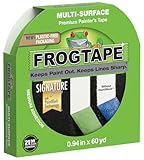
I remember the first time I tried to mask off my old Honda Civic for a touch-up paint job. I grabbed the bright blue roll I had lying around from a DIY furniture project, feeling pretty smug about saving a few bucks. Big mistake. That stuff clung like a bad ex and left sticky residue that took more elbow grease than the actual paint repair. So, can you use blue painter’s tape on a car? The short answer is: it depends, and often, you’re better off with something else.
Look, we’ve all been there. You’ve got a nick in the paint, a small rust spot to deal with, or maybe you’re just trying to keep overspray off your trim during a minor repair. You look at the blue tape in your toolbox and think, ‘Why not?’ It’s designed to be ‘low tack,’ right? Well, ‘low tack’ for drywall is a whole different ballgame when you’re dealing with automotive finishes.
This isn’t about being fancy; it’s about avoiding a headache that could cost you way more time and money than the ‘right’ tape. Let’s get real about whether this common household item is up to the automotive task.
Why Blue Tape Isn’t Usually Your Car’s Best Friend
Let’s cut to the chase: that ubiquitous blue painter’s tape you use for your walls? It’s generally not the ideal choice for masking off your car, especially if you’re aiming for a professional-looking job or anything more than a quick, low-stakes fix.
I’ve learned this lesson the hard way, usually after staring at faint blue lines etched into my clear coat or finding little sticky ghosts where the tape used to be. The fundamental issue is that automotive paint and clear coats are much more sensitive than painted drywall. Blue tape is designed for porous surfaces like plaster and drywall. While it’s marketed as ‘low tack,’ that ‘low’ is relative.
On a car, especially on warm days or when left on for extended periods, it can become ‘medium’ or even ‘high’ tack, bonding with your car’s finish.
My most memorable blunder involved masking off a door jamb to spray some cavity wax. It was a warm afternoon, and I figured the blue tape would be fine for a few hours. I was wrong. When I pulled it off the next day, there were faint, ghostly outlines where the tape had been, and a slight tackiness that refused to budge.
It looked like I’d stained the paint. Hours of gentle clay-barring and polishing were needed to get it back to normal. That’s when I really started paying attention to what tapes were actually made for automotive use.
The standard blue stuff often has adhesives that are a bit too aggressive for delicate automotive finishes. It can pull off clear coat, leave residue, or even react with certain paint compounds. Think of it like wearing your gym shoes to a formal event – they might technically cover your feet, but they’re not the right tool for the job and can lead to awkward situations.
The primary reason people reach for blue tape is its perceived gentleness. Manufacturers often highlight its ability to remove cleanly from surfaces for up to 14 days.
That’s great for a freshly painted wall that’s cured for a while. But a car’s paint, even a factory finish, isn’t porous like drywall.
The adhesive on blue tape can etch into the clear coat, especially if the paint is older, has been exposed to UV for years, or if the tape gets hot. This is compounded by the fact that many people leave tape on for longer than recommended, especially if a project takes more time than planned.
I’ve seen guys try to mask trim for a weekend wash-and-wax and end up with adhesive marks that are a nightmare to remove. It’s a gamble you don’t want to take with your car’s paintwork.
What You Really Need for Automotive Masking
So, if blue tape is out, what’s in? For any serious automotive masking, you need tape specifically designed for the job. These are usually called ‘automotive masking tapes’ or ‘painter’s tapes’ for automotive use.
They come in different types, but the key is that their adhesives are formulated to be safe on cured automotive paints and finishes. They’re designed to adhere well enough to prevent paint bleed and overspray but release cleanly without leaving residue or damaging the surface. My go-to for most jobs is a good quality 3M automotive masking tape. (See Also: Does Painters Tape Pull Off Paint )
They have a range of options, but their green or tan tapes are typically formulated for higher bake temperatures (if you’re doing professional paint jobs) and excellent adhesion with clean removal on car surfaces. Even for a DIYer like me, investing in a roll of proper automotive tape is a must for anything beyond a very temporary, low-risk masking task.
When I’m doing touch-up work on my truck’s fender or masking off windows before a wet sanding job, I reach for the green automotive tape. It’s got a slightly more aggressive initial tack than the blue stuff, so it sticks well from the get-go, but the adhesive is designed to release cleanly. I’ve left that green tape on for a couple of days in the sun while working on a tricky spot, and it’s always pulled off clean. No residue, no pulled clear coat.
It’s the peace of mind that comes with knowing the tape isn’t going to become part of the paint job. I’ve also experimented with some lesser-known brands, and while some are decent, I’ve found sticking with reputable automotive brands like 3M or Tesa usually saves me hassle in the long run.
The few extra dollars a roll costs is nothing compared to the time and effort it takes to fix tape damage.
Here’s a quick breakdown of what to look for. You’ll find tapes in different colors, and while color isn’t the only indicator, it’s a clue. Red tapes are often high-temperature tapes used in professional body shops for oven baking.
Green tapes are typically general-purpose automotive masking tapes. Tan or beige tapes are also common for automotive use. The key is the adhesive formulation and the backing material, which is usually crepe paper.
It needs to be flexible enough to conform to body curves but also resistant to solvents that might be present in automotive paints or cleaners. A good automotive tape will also have a ‘sharp’ edge, meaning it creates a crisp line between the masked area and the painted area, which is what you’re after for a clean paint job. Avoid anything labeled ‘delicate surface’ if you’re painting, as it might be too low tack and allow bleed.
Here’s a table comparing common tape types for automotive use:
| Tape Type | Typical Color | Adhesive Strength | Common Use Cases | Verdict for Cars |
|---|---|---|---|---|
| Standard Blue Painter’s Tape | Blue | Low to Medium | Drywall, trim, light-duty home projects | Risky. Can leave residue or damage clear coat if left on or gets warm. Use only for very short durations on non-important areas. |
| Green Automotive Masking Tape | Green | Medium | General automotive masking, paint lines, trim protection | Excellent. Reliable for most DIY automotive paint jobs, clean removal. My go-to. |
| Red High-Temperature Tape | Red | High | Professional auto body shops, high-bake environments | Overkill for most DIY. Very strong adhesion, designed for extreme heat. |
| Urethane or Vinyl Trim Tape | Various (often black or grey) | Medium to High | Masking off vinyl or rubber trim during paint jobs | Good for specific trim work, but make sure it’s designed for paint overspray. |
Common Mistakes When Using Tape on Your Car
One of the biggest mistakes people make, besides using the wrong type of tape, is how they apply it and remove it. Think about the surface you’re taping.
Is it clean? Is it dry? If you tape over dirt or moisture, that grit will get ground into the paint when you press the tape down, causing scratches.
Worse, moisture trapped underneath can lead to rust or adhesion issues for any new paint you’re applying. Always make sure the area is thoroughly cleaned and, most importantly, completely dry. I learned this the hard way when I tried to mask off a rock chip on my door panel. I wiped it down, but I didn’t wait long enough for the water to fully evaporate from the tiny crevices.
When I pulled the tape off later, there was a faint watermark. Whoops. A few extra minutes of drying time would have saved me that headache.
Another common error is how long the tape is left on. The ‘up to 14 days’ claim on many blue tapes is for ideal conditions. On a car, especially in direct sunlight or when temperatures fluctuate, the adhesive can break down or become more aggressive.
Heat is the enemy of delicate tape adhesion. If you’re painting, try to remove the tape while the paint is still slightly tacky (this is called ‘wet masking’ and it creates the sharpest lines) or immediately after it has flashed off. (See Also: Does Painters Tape Rip Paint Off Walls )
If you have to leave it on longer, be prepared for potential issues. I’ve seen people leave tape on for a week while working on a project, only to find it’s practically welded itself to the paint, leaving behind an adhesive mess that’s a real pain to clean.
It’s always better to err on the side of caution and remove it sooner rather than later. If you’re unsure, do a small test patch on an inconspicuous area first.
Pulling the tape off incorrectly is also a common pitfall. Ripping it off quickly can pull paint, especially if the paint is not fully cured or if the tape has bonded too strongly. The best technique is to pull slowly and at a sharp angle, away from the painted edge. Imagine you’re peeling a sticker off a delicate surface – you wouldn’t yank it; you’d peel it back carefully. For very stubborn tape or residue, a little bit of automotive-specific adhesive remover or even isopropyl alcohol (IPA) can help, but always test in an inconspicuous area first to make sure it doesn’t harm your car’s finish. Never use harsh solvents or generic Goo Gone, as they can damage automotive paint.
What Kind of Tape Is Safe for Car Paint?
The safest tapes for car paint are those specifically labeled as ‘automotive masking tape’ or ‘automotive painter’s tape.’ These are formulated with adhesives that won’t damage cured paint or clear coat. Common colors are green, tan, or sometimes red (for high-temperature applications). They offer good adhesion to prevent bleed but are designed to remove cleanly.
Can I Use Regular Scotch Tape on My Car?
No, regular Scotch tape (like clear office tape) is not suitable for use on car paint. Its adhesive is too strong and not designed for automotive finishes. It can easily damage the paint, leave significant residue, and be extremely difficult to remove without causing further damage.
Will Blue Painter’s Tape Damage My Car’s Paint?
Blue painter’s tape can damage your car’s paint, especially if left on for extended periods, exposed to heat (like direct sunlight), or if the paint is old or delicate. The adhesive can etch into the clear coat, leave residue, or even pull off paint when removed. While it’s often considered ‘low tack,’ this is relative and not always safe for sensitive automotive finishes.
Real-World Uses and When Blue Tape might Be Okay
Despite my strong reservations, there are very specific, low-risk scenarios where blue painter’s tape might be acceptable on a car, but you have to be incredibly careful. Think of it as a last resort when you absolutely cannot get proper automotive tape. For instance, if you’re doing a very quick, very minor touch-up on a small chip on a plastic bumper that isn’t painted, and you only need to mask a tiny area for a few minutes to prevent overspray from a can of trim restorer.
Even then, I’d be nervous. My personal rule is: if the paint is involved, use automotive tape. If it’s a non-painted plastic trim piece that you’re protecting from a quick spray of something non-solvent based, maybe.
But I’d still opt for automotive tape if I had it.
I once had to mask off a small section of my motorcycle’s fairing to prevent some degreaser from dripping onto a painted area while I was cleaning the chain. It was a tiny strip, and I only needed it for maybe 30 minutes.
I used blue tape, but I watched it like a hawk and pulled it off immediately after I finished. No issues. That’s the key: speed and low-risk surfaces. If you’re just trying to protect a headlight lens from a quick spray of overspray from something else you’re painting nearby, and you’ll remove it within an hour, it’s probably fine.
But that’s a far cry from masking off a whole panel for a paint job or leaving it on overnight.
The core issue is the adhesive chemistry. Automotive paints and clear coats are designed to withstand UV, temperature changes, and various chemicals, but they can still be sensitive to the adhesives found in standard household tapes. These adhesives can sometimes contain solvents or polymers that react with or etch into the clear coat.
The ‘clean removal’ claims on blue tape are typically tested on cured latex paint or similar surfaces, not on the complex, multi-layer finish of a car. So, while it can be used, the risk of leaving residue, causing discoloration, or even lifting paint is significantly higher than with dedicated automotive masking tapes. My advice? (See Also: Does Masking Tape Work The Same As Painters Tape )
If you’re asking if you can use it, you probably shouldn’t. The cost savings are minimal compared to the potential damage.
Practical Tips for Taping Your Car Like a Pro
Alright, let’s talk about making tape work for you, whether you’re using blue (with caution!) or the proper automotive stuff. First, always clean the surface thoroughly. A quick wipe down with a microfiber cloth is good, but for serious masking, especially before painting, a panel prep solvent or isopropyl alcohol (IPA) is better. This removes wax, grease, and road film that could prevent the tape from sticking or cause it to lift later. Make sure the surface is bone dry before applying any tape. Seriously, I cannot stress this enough. Even a tiny bit of moisture trapped under the tape can cause problems down the line, especially if the car sits for a while.
When applying the tape, use firm, even pressure. Don’t just slap it on. Work from one end to the other, pressing it down as you go.
Use a plastic squeegee or even your fingernail (carefully!) to make sure a good seal along the edge. This is what creates that sharp paint line. For curves, gently stretch the tape a tiny bit as you lay it down to help it conform.
If you’re masking a large area, overlap the tape by about half an inch to make sure full coverage and prevent bleed-through. If you’re painting, consider masking off just the area you need to protect, rather than taping off entire panels, if possible. This minimizes the amount of tape on the paint and reduces the risk.
Here’s a handy process to follow:
- Clean the Surface: Thoroughly wash and dry the area you intend to tape. Use an automotive panel prep spray or 70% isopropyl alcohol to remove any contaminants.
- Inspect the Paint: Make sure the paint is fully cured if it’s freshly painted. For factory or older paint, check for any loose clear coat or peeling paint where the tape will adhere.
- Apply Tape Slowly: Lay the tape down smoothly, starting from one edge. Apply firm, consistent pressure as you go to create a good seal.
- Conform to Curves: Gently stretch and shape the tape to follow the contours of the car. Use a plastic applicator for a better seal.
- Mask Just Enough: Only tape off the areas that absolutely need protection. Avoid excessive taping.
- Remove Promptly: For best results, remove tape while the paint is still slightly tacky or after it has flashed off. If leaving on longer, monitor for issues.
- Peel Carefully: Pull the tape off slowly at a 45-degree angle, away from the painted edge. If residue remains, use a dedicated automotive adhesive remover or IPA.
And a little contrarian take for you: most people overthink masking tape. They buy the cheapest stuff they can find or grab whatever’s handy. They think it’s just tape. But the reality is, the right tape is as important as the right paint. I’ve wasted more time cleaning up tape residue than I care to admit, all because I tried to save a couple of bucks on a roll of blue tape. It’s a false economy, plain and simple. Investing in good automotive masking tape will save you headaches, time, and potentially costly paint correction later.
Can Blue Painters Tape Be Used on Car Trim?
Using blue painter’s tape on unpainted plastic or rubber car trim is generally less risky than on painted surfaces. However, it can still leave a sticky residue, especially in warm weather or if left on for a long time. It’s still advisable to use automotive-specific tape for trim if possible, or to remove the blue tape promptly and clean any residue with an appropriate automotive cleaner.
What’s the Difference Between Blue Painter’s Tape and Automotive Tape?
The main difference lies in the adhesive formulation and backing material. Blue painter’s tape is designed for porous surfaces like drywall and has an adhesive that can be too aggressive or reactive for automotive paint. Automotive masking tape has a specialized adhesive designed to adhere firmly enough to prevent paint bleed but release cleanly from cured automotive finishes without damage, even under varying temperature conditions.
When Professional Opinions Matter
Even professional detailers and auto body technicians have strong opinions on masking. While they often use specialized tapes for high-bake ovens (red tape), their everyday masking for touch-ups, trim, or panel protection relies on tapes specifically designed for automotive use. I remember a conversation with a guy who runs a small custom paint shop. He wouldn’t even let generic blue tape onto his property. He showed me a side-by-side comparison where he’d applied blue tape and a good quality green automotive tape to a scrap panel, then baked it under a heat lamp for an hour. The blue tape’s adhesive had started to ooze and discolor the paint underneath, while the green tape remained clean and stuck fast.
The Society of Plastics Engineers (SPE) has standards and best practices for automotive coatings, and while they don’t specify tape brands, their guidelines emphasize the importance of surface preparation and the integrity of the coating system. This includes making sure that any masking materials used do not interfere with the paint’s adhesion or final finish. While the SPE focuses on the paint itself, the implication is clear: anything touching that paint needs to be compatible. This is why automotive tape manufacturers spend time and money developing adhesives that won’t compromise hours of painting work. It’s a small component in a much larger, expensive process, but it’s a important one.
For DIYers, the temptation to use household items is always there. Blue painter’s tape is cheap, readily available, and seems harmless. But the stakes are higher with cars. A mistake can lead to hours of painstaking polishing, wet sanding, or even repainting. That’s why, whenever I hear someone ask, ‘can you use blue painters tape on a car?’ my internal alarm bells go off. It’s not about being elitist; it’s about preventing avoidable frustration and damage. The few dollars saved on a roll of tape just isn’t worth the potential cost of a botched paint job or a permanently etched clear coat.
Final Thoughts
So, to circle back to the main question: can you use blue painters tape on a car? My honest, hard-earned advice is to avoid it whenever possible. The risk of leaving behind sticky residue, etching your clear coat, or worse, pulling paint, is just too high, especially if you’re dealing with painted surfaces or leaving the tape on for any significant amount of time.
There are specific automotive masking tapes available that are formulated to work safely with car finishes. They might cost a little more upfront, but they are designed for the job and will save you a world of pain, time, and potential repair costs down the line. Think of it as an investment in your car’s appearance and your own sanity.
If you absolutely find yourself in a bind with no other option, use blue tape with extreme caution. Apply it to a clean, dry surface, use it for the shortest possible duration, and remove it slowly and carefully. But for any project where preserving your car’s finish is important, grab the proper automotive masking tape. Your car will thank you, and so will your future self.