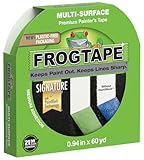
I remember the first time I tried to ship something important. I was maybe 19, sending a fragile art piece to my aunt across the country. I’d seen people use all sorts of tape, and in my infinite youthful wisdom, I figured that blue stuff, painter’s tape, would be fine. It was cheap, it was everywhere. Big mistake. By the time it arrived, half the box was mangled, and the tape had peeled off like sunburnt skin. So, yeah, can you use painter’s tape for packages? Let’s get real about it.
This isn’t about reinventing the wheel; it’s about stopping you from wasting money and time on tape that just won’t cut it when it counts. Forget the fancy marketing jargon. We’re talking about basic physics and common sense here.
Why That Blue Tape Isn’t Your Shipping Buddy
Look, painter’s tape is a marvel for its intended purpose. It’s designed to adhere firmly enough to keep paper or plastic sheeting in place during painting, but importantly, it’s engineered to remove cleanly without damaging surfaces. That’s its superpower: gentle adhesion and clean removal. Now, think about what happens to a package during shipping. It gets tossed, squeezed, stacked, and potentially exposed to varying temperatures and humidity. The very qualities that make painter’s tape great for a DIY project make it a terrible choice for sealing a box. Its adhesive is water-based and designed to break down easily with heat or moisture, and its backing is often paper, which tears and weakens under stress.
I learned this the hard way, like I said. Sending that art piece was a disaster. It wasn’t just the tape; the box itself was weak, but the tape was the glaring failure.
It had curled at the edges, lifted in places, and looked like it had been attacked by a pack of tiny, adhesive-hating gremlins. The contents, thankfully, survived with some damage, but the visual of that tape peeling away was etched into my brain. Every time I’ve seen someone reach for a roll of blue tape to seal a package since, I’ve had a little phantom cringe. It’s a product that overpromises and underdelivers in this specific scenario, and frankly, it’s overrated for anything beyond its core function.
If you’re shipping anything with even a modicum of value or fragility, you need something that grips and holds under duress, not something that’s practically begging to be peeled off at the first sign of trouble.
The common advice to “just use strong tape” is technically correct, but it lacks the nuance we need. What kind of strong tape? And why is painter’s tape so spectacularly bad? It’s about the adhesive formulation. Regular packing tape uses a solvent-based or hot-melt adhesive that forms a much stronger, more permanent bond. This bond is designed to withstand shear forces, temperature fluctuations, and moisture much better than the delicate, water-based adhesive on most painter’s tapes. The backing material also plays a huge role. Sturdy polypropylene or vinyl tape can resist tearing and puncturing, while the paper backing of painter’s tape offers almost no structural integrity when it gets wet or strained.
What You actually Need for Packing
Alright, so painter’s tape is a no-go. What’s the hero of the story? The humble packing tape. But not all packing tape is created equal, and you’ll see all sorts of variations. You’ve got clear, brown, reinforced, and even those fancy colored ones. For most people, the standard 2-inch wide, clear or brown polypropylene packing tape is your best bet. It’s affordable, widely available, and does the job effectively for the vast majority of shipping needs. I’ve personally used dozens of rolls over the years, shipping everything from books to electronics to homemade preserves. It holds up, seals tight, and I’ve rarely had an issue with it failing under normal shipping conditions.
When you’re at the store, you’ll see different types. Let’s break down the common players:
| Tape Type | Adhesive | Backing | Best For | My Verdict |
|---|---|---|---|---|
| Standard Clear/Brown Polypropylene | Solvent or Hot Melt | Polypropylene Film | General shipping, household items, moderate weight boxes. | The workhorse. Reliable and affordable. Get this if you’re unsure. |
| Reinforced Paper Tape (Kraft Tape) | Water-Activated Adhesive | Paper with fiberglass filaments | Heavy-duty boxes, security sealing, eco-conscious shipping. | Excellent for heavy items. Feels very secure. Can be a bit messier to apply. |
| Heavy-Duty Vinyl Tape | Strong Acrylic or Rubber-based | Vinyl | Very heavy items, long-term storage, extreme temperature fluctuations. | Overkill for most, but bulletproof if you need it. Pricey. |
| Masking Tape (Thicker Paper Tape) | Stronger Adhesive than Painter’s | Paper | Light-duty temporary sealing, craft projects. NOT for shipping. | Still not recommended for shipping. Better than painter’s, but not by much. |
| Duct Tape | Aggressive Rubber-based | Cloth with adhesive backing | Temporary repairs, very rough applications. NOT for shipping labels or general package sealing. | Looks tough, but the adhesive can leave residue and it’s not designed for smooth, flat box surfaces. Might tear the box. |
You might also see “shipping tape” advertised. This is usually just a marketing term for standard polypropylene packing tape. Don’t overthink it. The key is that the tape needs to create a strong, permanent bond that can withstand the rigors of the postal system. I’ve seen people try to use masking tape or even duct tape. Duct tape, in particular, is a bad idea for sealing boxes because its adhesive is so aggressive it can tear the cardboard when you try to remove it later, and it’s not designed for the flat surface of a box. It also tends to leave a sticky residue that’s a pain to deal with. Stick to proper packing tape.
Common Mistakes That Ruin Your Shipments
Even with the right tape, there are ways to mess it up. The most common mistake, besides using the wrong kind of tape entirely, is not using enough of it. People get stingy, thinking one strip down the middle is enough. Nope. (See Also: Does Painters Tape Pull Off Paint )
You need to tape all the seams, top and bottom. That includes the side flaps that meet in the middle. Running tape along all the edges, and then doing a double strip down the main center seam, provides the most structural integrity.
I’ve seen boxes arrive with the contents spilling out because the tape on the main seam gave way. It’s not rocket science, but it requires a bit of diligence. For a standard medium-sized box, I usually use about 18-24 inches of tape per seam, running it about two inches down each side flap, and then a solid, continuous strip along the center seam, usually overlapping the tape from the end seams.
Another rookie error is not applying the tape correctly. You need to press it down firmly to make sure good adhesion. You want to create a smooth, continuous seal.
Don’t just lay it on and expect it to stick. Use the edge of your hand or a tape gun to really press it down, pushing out any air bubbles and making sure maximum contact between the tape and the cardboard. Think of it like applying a sticker; you want it to be smooth and flat. If you have a tape gun, that’s even better.
They make application easier and help you apply consistent pressure. I splurged on a decent metal tape gun about five years ago, and it was one of those “why didn’t I do this sooner?” purchases.
It makes the whole process faster and the seal much better. Without one, I used to get a lot of wrinkled tape, which isn’t as secure.
Then there’s the issue of weak boxes. You can have the best tape in the world, but if your box is flimsy, falling apart, or already damaged, the tape won’t save it.
Always use a box that’s in good condition, and make sure it’s rated for the weight of the items you’re shipping. If you’re reusing boxes, inspect them thoroughly. Look for tears, crushing, or water damage. Sometimes, even a seemingly strong used box has weakened corners or edges.
It’s better to buy new boxes if you’re shipping anything valuable or fragile. I once tried to save money by using a slightly-too-small, previously used box for a set of ceramic mugs.
The corners buckled halfway through transit, and even with plenty of tape, the box arrived looking like it had been used as a football. That was a $50 lesson in box integrity. (See Also: Does Painters Tape Rip Paint Off Walls )
Real-World Use: My Packing Tape Philosophy
My philosophy on packing tape is simple: overkill is better than underkill. When I’m shipping anything, especially if it’s going a long distance or contains items that could break, I layer my tape. For a standard medium box, I’ll tape the top and bottom seams, running the tape at least two inches down each side flap. Then, I’ll run another strip of tape along the center seam, overlapping the tape from the end seams. This creates a sort of X-shape on both the top and bottom of the box, effectively reinforcing the main closure. It might look like a lot of tape, but it’s cheap insurance against a damaged or lost item.
I also advocate for taping the edges of the box. The vertical edges where the flaps meet can sometimes be points of stress. Running a strip of tape along these edges, from top to bottom, adds another layer of security.
It’s a habit I picked up after a particularly nasty experience where a side seam on a heavy book shipment split open. It’s a few extra seconds of work, but it provides peace of mind. The total amount of tape might add up to a couple of feet per box, but considering the cost of replacing lost or damaged goods, it’s a minuscule investment. Think about the total volume of shipments you might do in a year – maybe 20-30 items for holidays and birthdays.
Using slightly more tape on each of those isn’t going to break the bank. A roll of good packing tape costs around $3-$5, and you can get dozens of boxes out of a single roll if you’re not going completely overboard.
When it comes to tape guns, I’m a fan. They allow for controlled application and consistent pressure, which is key for a strong seal. However, you can achieve good results without one if you take your time and press down firmly. I’ve seen people use their teeth to tear tape, which is a terrible idea for your dental health and usually results in a jagged, weak tear.
Use scissors, a knife, or a tape gun. The smoother the tear, the better the adhesion usually is. A smooth, clean cut from a tape gun dispenser is ideal. If you’re using a roll without a dispenser, try to tear it off cleanly against the dispenser’s edge or a sharp surface.
This might seem minor, but a clean edge of tape adheres better than a ragged one.
What About Sealing the Box Edges?
I absolutely recommend sealing the box edges. For any box that’s more than just a few pounds, or if it’s going any significant distance, I run tape down all the vertical edges. It’s that extra bit of reinforcement that can prevent a split seam. I’ve seen it save packages that looked like they were about to burst. It’s not strictly necessary for a tiny, lightweight item going across town in a pristine box, but for anything more, it’s a good habit to get into.
How Much Tape Is Too Much?
There’s a point where you’re just wasting tape. If you’re wrapping the box like a present with multiple layers, you’ve gone too far. The goal is a secure seal on the seams and edges. For a typical medium box, I’d say around 2-3 feet of tape total for all seams combined is a good amount. Any more than that, and you’re likely just adding weight and cost without significant added security, unless you’re shipping something incredibly heavy or fragile.
The Faq: Your Burning Questions Answered
Can You Use Painter’s Tape for Packages?
No, you really shouldn’t use painter’s tape for packages. It’s designed for clean removal and gentle adhesion, not for the stresses of shipping. Its adhesive is not strong enough to withstand temperature changes, moisture, or the rough handling packages often endure. You’ll find it peels, loses its stickiness, and offers almost no protection to your contents. (See Also: Does Masking Tape Work The Same As Painters Tape )
Is Packing Tape the Same as Shipping Tape?
Generally, yes. “Shipping tape” is often just a marketing term for standard, strong packing tape, usually made of polypropylene. The key is that it’s designed to create a strong, permanent bond that can withstand the rigors of transit, unlike weaker tapes like painter’s tape or masking tape.
Can I Use Masking Tape for Boxes?
Masking tape is a slight step up from painter’s tape in terms of adhesive strength, but it’s still not recommended for shipping packages. Its paper backing can tear easily, and its adhesive isn’t designed for the long-term, high-stress conditions of shipping. It’s better suited for light-duty tasks like bundling items temporarily or for craft projects.
What Is the Best Type of Tape for Shipping?
For most general shipping purposes, standard clear or brown polypropylene packing tape is the best. If you’re shipping very heavy items, reinforced paper tape (kraft tape) with fiberglass filaments is an excellent, secure option. For extremely heavy or valuable items, heavy-duty vinyl tape might be considered, but it’s usually overkill.
Will Painter’s Tape Damage My Package?
Painter’s tape itself is unlikely to damage the box material itself, as it’s designed not to leave residue. However, its failure to adhere properly means it won’t protect your package, and the contents could be damaged. The box could also get scuffed or torn if the tape loses adhesion and snags on something.
A Contrarian View: When might It Be Okay?
Alright, here’s where I might get a few angry emails. Everyone says 100% no to painter’s tape for packages. And for 99% of situations, they are absolutely right. BUT, and this is a HUGE but, if you are shipping something incredibly lightweight, completely non-fragile, and it’s literally going across town to someone you know who will pick it up within an hour, and you just need to keep a few pieces of paper together inside a larger, already-sealed box… maybe.
I’m talking about putting a letter inside a box you’re already sending. If that’s your entire need, and the painter’s tape isn’t the primary seal of the outer box, then it’s less of a disaster. But even then, why bother?
A small piece of regular tape costs pennies and does the job properly. It’s like using a butter knife to tighten a bolt – it might work in a pinch, but it’s the wrong tool and you risk stripping the bolt. For anything that involves a shipping carrier or a journey of more than five minutes, just don’t even think about it.
The risk far outweighs any minuscule saving.
Final Verdict
So, to circle back to that initial question: can you use painter’s tape for packages? The answer, in my years of wrestling with tape and boxes, is a resounding and unqualified no. It’s a recipe for disappointment, damaged goods, and wasted time. Save yourself the headache and stick to proper packing tape. It’s not fancy, but it’s effective, and it’s designed for the job.
When you’re heading to the store, grab a roll of that standard 2-inch wide polypropylene tape. It’s affordable, readily available, and will get your items from point A to point B without you having to stress about it. Make sure you tape all seams securely, both top and bottom, and consider reinforcing the edges for good measure. It’s a small effort for a lot of security.
Next time you’re packing, remember that the tape is the guardian of your goods. Give them the protection they deserve with tape that’s up to the task.