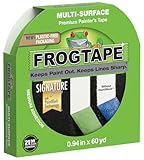
I remember staring at the spaghetti monster of cables behind my desk, a tangled mess that made me want to just unplug everything and live off the grid. I’d tried everything: zip ties that were too tight, Velcro straps that never seemed to hold, and those fancy cable management boxes that cost a fortune and still looked like a science experiment gone wrong. Then, in a fit of desperation, I grabbed a roll of blue painters tape. It seemed like a ridiculous idea, but I was out of options. So, can you use painters tape to hold down cables? Let me tell you, it’s more complicated than just slapping some tape down.
This stuff is everywhere, cheap, and supposed to be easy to remove. But when it comes to holding down something as mundane as a cable, does it actually work? Or is it just another one of those “life hacks” that sounds good on paper but falls apart in reality?
So, Can You Actually Use Painters Tape for Cables?
Look, the short answer is yes, you can use painters tape to hold down cables. But before you go ripping off giant strips and sticking them everywhere, let’s talk about what that actually means in practice. I’ve been messing around with tech and home projects for longer than I care to admit, and I’ve learned that “can you” and “should you” are often two very different questions. Painters tape, bless its blue heart, is designed for temporary adhesion.
It’s supposed to stick to surfaces without leaving a permanent mess, which is why it’s a favorite for DIYers painting walls. This makes it seem like a natural fit for keeping cables neat and tidy, especially if you’re just trying to get something temporarily out of the way or secure a few loose ends on a desk.
The real magic, or lack thereof, comes down to the type of tape and the surface you’re taping it to. Not all painters tape is created equal.
You’ve got your light-duty stuff, your standard blue, and then some heavier-duty versions. For cables, I usually reach for the standard blue. It’s got a decent grip without being so sticky that it’ll rip paint off your wall or leave a gummy residue on your cables. I’ve used it to tack down the charging cable for my laptop to the side of my nightstand, just so it doesn’t slide off when I unplug it.
It’s also surprisingly handy for keeping the power cord of a temporary lamp from getting snagged while you’re moving furniture. It’s not going to hold up under heavy stress, mind you. If you’ve got thick, heavy-gauge extension cords running across a floor where people are going to walk, this is where painters tape starts to look like a child’s solution to an adult problem.
I remember one time, I was setting up a temporary gaming station in my living room for some friends. I had a bunch of HDMI cables and power cords running from the console to the TV. I used painters tape to keep them from sliding around on the rug. Seemed like a genius move at the time.
Fast forward two hours into a heated match, and one of the guys trips slightly, not even hard, and the tape just gives way. One of the HDMI cables popped out, and suddenly my screen went black. We lost the match, and my friends still give me grief about my “tape job.” It wasn’t the tape’s fault, really; it was the wrong application.
Rugs are notoriously bad for any kind of tape adhesion, especially if they have any texture. It was a good lesson: know your limits.
What to Look for in Painters Tape for Cables
Alright, so you’ve decided to give painters tape a shot. Good. Now, let’s not set ourselves up for failure. When you’re grabbing a roll, you need to be a bit discerning. Think of it like picking a tool for a job – you wouldn’t use a butter knife to hammer a nail, would you? (Please say no.) For holding down cables, the key is finding that sweet spot between sticking power and removability. I’ve found that the standard blue painters tape, usually around the $5-$8 mark for a 1.4-inch roll, is your best bet for most everyday cable management needs. It’s flexible enough to conform to the shape of the cable and the surface you’re attaching it to.
Avoid the super cheap, no-name brands. They often use a weaker adhesive that won’t hold for long, or they use an adhesive that’s far too aggressive and will leave a sticky residue that’s a nightmare to clean off. I once bought a giant pack of off-brand blue tape because it was a steal.
Big mistake. The stuff barely stuck to anything for more than an hour, and when I tried to peel it off a light switch plate, it took a chunk of paint with it. Definitely not the “temporary” solution I was hoping for. Stick with established brands like 3M or FrogTape if you want reliable performance. (See Also: Does Painters Tape Pull Off Paint )
They’ve been around for a reason. You can usually tell the quality by how the tape feels – it should have a bit of thickness and a consistent texture.
The width of the tape also matters. For most standard USB or power cables, a 1-inch or 1.4-inch width is perfect.
It gives you enough surface area to get a good grip without being overkill. If you’re trying to wrangle a thick, industrial-grade cable, you might need something stronger, but we’ll get to that. Another thing to consider is the surface. Is it smooth plastic?
Wood? Painted drywall?
Textured wallpaper? Each of these will affect how well the tape adheres and how cleanly it comes off. Smooth, clean surfaces are your friend here.
Dusty or oily surfaces will make the tape useless. So, before you even think about taping, give the area a quick wipe-down.
It takes about 30 seconds and can save you a lot of frustration later.
Common Mistakes People Make with Cable Taping
Here’s where things can go sideways, and I’ve seen it happen more times than I can count. The biggest blunder? Expecting too much. Seriously. People slap some painters tape down on a carpeted floor or a rough concrete surface and then act surprised when it doesn’t hold their network cables in place for months on end. Painters tape is not industrial-strength adhesive. It’s designed to be removed without damage, and that inherently means its sticking power is limited. If you need something to stay put through heavy foot traffic, extreme temperature changes, or for extended periods, you need to look at proper cable management solutions, not tape.
Another mistake is using the wrong type of tape for the surface. You might get away with using standard blue tape on a smooth, painted wall.
But try it on a humid bathroom tile, or worse, a textured surface, and you’ll find it peeling off in a day. Some people also think that just because it’s “painters tape” it’s automatically safe for all surfaces. That’s a myth.
While it’s designed to be low-tack, some surfaces are more sensitive than others. My buddy Kevin, a graphic designer, once used some cheap painters tape to temporarily secure a bundle of audio cables to the back of a vintage wooden desk.
He thought it would be fine. Big mistake. When he finally peeled it off, it had lifted some of the delicate varnish. (See Also: Does Painters Tape Rip Paint Off Walls )
He was gutted. Now he’s stuck with a faint outline of the tape.
Lesson learned: always test in an inconspicuous spot first, especially on delicate or antique surfaces.
And then there’s the simple act of applying the tape. People often just haphazardly stick it on. You need to apply firm, even pressure. Run your finger or a credit card along the tape once it’s in place to make sure good adhesion.
Don’t wrap it too tightly, as that can damage the cable itself. Think of it as a gentle hold, not a vice grip. Also, a surprising number of people don’t clean the surface they’re taping to.
Dust, grease, or even just a slightly damp surface will drastically reduce the tape’s effectiveness. A quick wipe with a damp cloth and then drying the surface can make a world of difference. It’s a small step, but it’s the difference between a tidy setup and a frustrating mess.
Real-World Use Cases and My Experiences
So, where does painters tape actually shine when it comes to cables? I’ve found it’s fantastic for temporary setups or for cables that don’t experience much movement. Think about your home office. You’ve got your monitor cable, your keyboard cable, your mouse cable. If you’re just trying to keep them from sliding off your desk when you unplug your laptop for the night, a small piece of painters tape strategically placed works wonders. I use it to anchor the charging cable for my phone to the side of my bedside table. It stops it from disappearing into the abyss every morning. It’s a tiny thing, but it saves me a minute of fumbling around, and those minutes add up.
Another situation where I’ve had success is behind entertainment centers. You know, the tangle of HDMI, optical, and power cords for your TV, soundbar, and game consoles. I’m not talking about taping them to the floor where they’ll get kicked. I’m talking about using small strips of tape to bundle cables together and then lightly tacking that bundle to the back of the entertainment unit itself, or to the wall behind it, to prevent them from drooping or falling out of their ports.
It keeps things looking a bit neater and makes it easier to identify which cable goes where if you ever need to unplug something. It’s not a permanent fix, but it makes a noticeable difference in the overall tidiness.
I had a situation last year when I was helping my sister move. She had a bunch of delicate audio cables for her studio setup. We needed to transport them without them getting tangled or damaged. We carefully coiled each one, and then used a few pieces of painters tape to secure the coils. It worked perfectly. They arrived at the new place still neatly coiled, no knots, no damage. It was a lifesaver for something that could have turned into a major headache. This is the kind of scenario where painters tape excels: securing something temporarily for transport or for a short-term setup. It’s about understanding its limitations and using it for tasks it’s genuinely suited for.
Here’s a quick table showing my verdict on using painters tape for different cable scenarios:
| Cable Scenario | Painters Tape Verdict | Why |
|---|---|---|
| Desk cables (temporary hold) | 👍 Good | Stops cables from sliding off, easy to remove. |
| Temporary event setups (e.g., parties) | 👍 Good | Quick and easy for short-term needs, minimal damage risk. |
| Bundling cables behind furniture | 👍 Good | Keeps bundles tidy and prevents drooping, as long as not under stress. |
| Cables on high-traffic floors | 👎 Bad | Won’t hold securely, trip hazard, easily damaged. |
| Long-term permanent cable management | 👎 Bad | Adhesive degrades, can leave residue, not secure enough. |
| Delicate or valuable cables (transport) | 👍 Good | Secures coils without damage, cost-effective for transport. |
When to Just Buy Proper Cable Management Gear
Let’s be blunt: painters tape is not a miracle cure for all your cable woes. There are plenty of situations where it’s just the wrong tool for the job, and you’ll end up frustrated, wasting tape, and possibly even damaging something.
If you’ve got cables that are constantly getting pulled, snagged, or are in a high-traffic area – like across a doorway or a main walkway in your house – painters tape is going to fail. I learned this the hard way when I tried to tape down some extension cords on my workshop floor. Within a day, they were peeling up, and I nearly tripped over them multiple times. That’s when I finally invested in some proper cable ramps. (See Also: Does Masking Tape Work The Same As Painters Tape )
They’re not pretty, but they keep the cords safely out of the way and protected.
Another big indicator that you need to upgrade is if you’re dealing with a large number of cables or cables that are particularly thick and heavy. Trying to tape down a bundle of five power cords for your entertainment center is asking for trouble. The tape will stretch, lose its grip, and look like a mess. This is where you need to look at things like cable sleeves, raceways, or even reusable cable ties. I recently bought a pack of braided cable sleeves for about $15. They’re incredibly effective at bundling multiple cables into one neat tube. It looks so much cleaner, and it’s a far more durable solution than any tape job could ever be.
The cost factor also comes into play. While a roll of painters tape is cheap, if you’re constantly replacing it because it’s not holding, you’re actually spending more in the long run.
Proper cable management solutions might have a higher upfront cost, but they last. For example, I spent about $40 on a set of stick-on raceways for my home office desk.
They’ve been holding my monitor, printer, and computer cables in place for over a year now, and they look way better than any tape job I could have managed. My advice? If you find yourself reaching for the painters tape more than once a week for the same cable problem, it’s time to spend $10-$20 on a proper solution. Your future self will thank you.
Can Painters Tape Damage Cables?
Generally, no, good quality painters tape is designed to be low-tack and not damage most cable jacketing. However, if the tape is left on for an extremely long time, or if the cable’s material is particularly sensitive, it’s possible. Also, removing the tape too aggressively can sometimes cause minor scuffing. Always test in an inconspicuous area if you’re concerned about the cable’s surface.
Will Painters Tape Leave Residue on Cables?
Reputable brands of painters tape are formulated to minimize residue, especially when removed within a reasonable timeframe (usually a few days to a couple of weeks, depending on the brand and environmental conditions). However, cheaper or older tape, or tape left on for months, can sometimes leave a sticky residue that might require some gentle cleaning with an adhesive remover.
Is Painters Tape Safe for All Surfaces When Holding Cables?
Painters tape is intended to be safe for most painted surfaces, but it’s not universally safe for all surfaces. Delicate finishes, certain plastics, or very porous materials might be damaged or have residue left behind. Always test on an inconspicuous spot first, especially on vintage furniture, electronics casings, or painted walls you care about.
How Long Can I Expect Painters Tape to Hold Cables?
For best results, painters tape is best for temporary applications, lasting anywhere from a few hours to a few days, depending on the surface, temperature, and humidity. It’s not designed for long-term, permanent cable management as the adhesive can degrade over time, losing its hold.
Final Verdict
So, to circle back to the big question: can you use painters tape to hold down cables? Yes, absolutely, but with some serious caveats. Think of it as a temporary fix, a quick solution for a minor annoyance, or for securing things during a move. It’s great for keeping a charger from falling off your nightstand or temporarily bundling some cables behind a TV. But if you’re looking for a long-term, heavy-duty solution, or if the cables are in a high-traffic area, you’re better off spending a few bucks on proper cable management gear.
I’ve learned the hard way that trying to cut corners with tape when a dedicated solution exists can lead to more frustration than it’s worth. It’s about picking the right tool for the job. For those little annoyances, painters tape can be a handy little helper. Just don’t expect it to do the work of industrial-strength adhesive, and you’ll probably be okay. My advice? Keep a roll handy for those quick fixes, but don’t ditch your cable ties and raceways just yet.