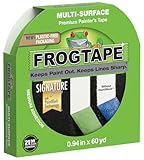
I’ve been painting rooms in my house for what feels like forever. My first few attempts were… let’s just say, colorful. Not in the good way. Drippy lines, paint bleeding under the tape like a leaky faucet. I remember staring at a perfectly good accent wall, now marred by fuzzy blue edges, and wondering if I was just fundamentally bad at this. A big part of that early frustration, I realized later, was the cheap tape I was using. So, the question many DIYers face: does Dollar Tree carry painters tape? It’s a fair question when you’re trying to keep costs down.
Look, I’ve wasted enough cash on products that promise the moon and deliver dust bunnies. I’ve learned what works and what’s just glorified sticky paper. So, when the idea of snagging supplies from the dollar store pops into your head, you want to know if it’s a smart move or a recipe for another weekend of touch-up work. I’m here to give you the straight dope on whether Dollar Tree is a viable spot for your next painting project’s masking needs.
The Dollar Tree Painters Tape Quandary
Let’s cut to the chase. Does Dollar Tree carry painters tape? The answer is often a resounding yes. They typically stock a few different brands of what they label as painters tape, usually found in the aisle with other general household goods, cleaning supplies, or sometimes tucked away near craft items. You’ll see it in its familiar blue or sometimes green packaging, promising crisp lines and easy removal. It’s usually a standard width, around 1.5 inches, and comes in a roll that feels… well, dollar-store-ish. Don’t expect fancy features like temperature resistance or specialized adhesion for delicate surfaces. This is generally basic masking tape, marketed for painting.
Now, just because they carry it doesn’t mean it’s the best option. I’ve bought rolls from there that did an ‘okay’ job for very straightforward tasks. Think painting a plain wall where you’re only taping off a straight line against a ceiling or a floor you’re going to replace anyway. In those low-stakes situations, it might hold up. The adhesion is usually decent enough to stick to drywall and trim without immediately falling off. The real test, however, comes when you have more complex jobs, like intricate trim work, painting furniture with multiple colors, or working on surfaces that aren’t perfectly smooth.
I had one memorable incident where I decided to use Dollar Tree tape to mask off some baseboards before painting a wall a bold red. I figured, what’s the worst that could happen? I’d peel it off, and if there was a little bleed, I’d just do a quick touch-up. Famous last words.
After the paint dried, I went to pull the tape. It came off in about twenty different brittle pieces, leaving a fine, fuzzy line of red paint stuck to the baseboard in its wake. It looked like a toddler had finger-painted along the bottom of my wall. Hours of scraping and repainting the baseboards followed.
That was the moment I learned that sometimes, saving a buck upfront costs you a lot more in time and frustration later. It’s a lesson I’ve learned more than once with bargain-bin supplies.
So, while the question of whether Dollar Tree carries painters tape is a simple ‘yes,’ the follow-up question, ‘Should you buy it?’ is a lot more nuanced. For quick, no-fuss projects where perfection isn’t the absolute priority, it might suffice. But for anything requiring precision, delicate surfaces, or a guarantee of clean lines, you’re probably better off looking elsewhere. It’s a gamble, and sometimes you win, but more often than not, you’re just setting yourself up for extra work.
What to Actually Look for in Painters Tape
Forget the brand names for a second and focus on what makes painters tape actually work. The real magic isn’t just in the stickiness; it’s in the balance. You need tape that adheres well enough to create a seal against paint seepage, but not so aggressively that it rips off the underlying paint when you remove it. This is where quality really matters, and it’s often the biggest difference between a $1 roll and a $10 roll.
Good painters tape is designed to conform to surfaces, even slightly textured ones, creating a tight seal that prevents paint from sneaking underneath. It also has a controlled adhesion that releases cleanly, leaving behind sharp, unblemished lines.
Think of it like a good caulk – you want it to fill the gap, not become a permanent fixture.
The material of the tape is also key. High-quality painters tape is typically made from a thin, crepe paper backing. This paper is engineered to be somewhat flexible, allowing it to bend around corners and curves without creasing or tearing. It also has a porous quality that allows some air to escape, which helps in achieving a smoother finish. Some tapes are treated to be more resistant to paint soaking through, especially important for darker or more vibrant colors. Lower-quality tapes, like those often found at discount stores, can be made from thinner, less pliable paper that tears easily or from a plasticized material that doesn’t conform well to uneven surfaces, leading to gaps and bleeds.
When I’m buying tape, I’m looking for a few specific things. First, I check the packaging for any mention of ‘clean removal’ or ‘paint holdout.’ (See Also: Does Painters Tape Pull Off Paint )
These are often indicators of a better-quality product. I also look at the width – 1.5 inches is common, but sometimes a 2-inch roll is better for larger areas. The feel of the tape itself is also a clue. A good tape feels slightly textured, not overly smooth or plasticky.
It should have a bit of ‘give’ to it. I’ve learned to avoid tapes that feel waxy or overly stiff; they’re usually a sign of trouble down the line. For instance, I once bought a pack of generic blue tape that felt like it was coated in plastic wrap. It looked fine on the shelf, but when I tried to use it, it wouldn’t stick properly and left fuzzy edges everywhere.
A hard lesson in tactile inspection!
One of the biggest mistakes people make is assuming all blue tape is created equal. It’s not. The common advice is to spend a bit more on reputable brands like 3M (ScotchBlue) or FrogTape, and I generally agree. They’ve spent years perfecting their formulations. However, if you’re absolutely set on trying the budget options first, my advice is to test a small section. Apply it, paint a bit, and let it dry. Then, try removing it. If it leaves residue, tears, or lets paint bleed, you know it’s not worth the headache for your project. This small test can save you hours of frustration and potentially redoing an entire wall.
The Dollar Tree Tape Reality: Pros and Cons
Let’s break down the actual experience of using tape from a place like Dollar Tree. The most obvious Pro is the price. You can usually grab a roll for $1.25 (or whatever their current price point is).
This is incredibly appealing, especially if you need multiple rolls for a large project or if you’re on a tight budget. For a quick touch-up job, or to mask off something minor where a perfect edge isn’t most important, the cost savings can be significant. You might even find it works acceptably well for certain craft projects that don’t involve liquid paint seepage, like holding stencils in place or masking off areas for spray painting on non-porous surfaces.
In these niche, low-risk scenarios, the value proposition is higher.
However, the Cons list is often longer and more effective for typical painting tasks. The adhesion is frequently inconsistent. Sometimes it sticks okay, and other times it peels away almost immediately or, worse, doesn’t create a strong enough seal, allowing paint to seep underneath. This leads to fuzzy, feathered edges that require a lot of careful touch-up work with a small brush. The tape itself can also be brittle. Instead of peeling off in one clean strip, it tends to tear into smaller pieces, making the removal process tedious and frustrating. I’ve spent more time picking tiny bits of tape off a wall than I care to admit after using some of the cheaper options.
Another drawback is the residue. Some dollar store tapes leave behind a sticky residue, especially if left on a surface for more than a few hours or if exposed to heat or direct sunlight. This residue can be difficult to remove and may require solvents or aggressive scrubbing, potentially damaging the underlying finish. This is a major no-go if you’re painting over delicate finishes or on furniture you want to keep pristine. The paint holdout is also usually subpar. The tape material itself may not be dense enough to prevent thinner paints from soaking through, leading to that dreaded fuzzy line you were trying to avoid in the first place.
Here’s a little table to sum it up. I’ve rated these based on my own experiences and general observations, keeping in mind the price point:
| Feature | Dollar Tree Tape Verdict | Reasoning |
|---|---|---|
| Price | ⭐ ⭐ ⭐ ⭐ ⭐ | Unbeatable for the cost. |
| Adhesion (Initial) | ⭐ ⭐ ⭐ | Usually sticks, but can be hit or miss. |
| Clean Removal | ⭐ ⭐ | Often tears or leaves residue. |
| Paint Bleed Protection | ⭐ ⭐ | Not great; fuzzy lines are common. |
| Residue Left Behind | ⭐ ⭐ | A frequent, annoying problem. |
| Durability/Ease of Use | ⭐ ⭐ ⭐ | Can tear easily, making application tricky. |
So, while the siren song of a dollar-per-roll tape is strong, you have to weigh that against the potential for headaches, extra work, and the risk of ruining your paint job. For me, most of the time, the cons far outweigh the pros when it comes to actual painting.
Real-World Use Cases & When to Avoid It
Let’s talk practical application. When could you actually get away with using Dollar Tree painters tape? Imagine you’re painting a garage wall that’s going to be covered in shelves later anyway. Or maybe you’re just doing a quick refresh on a rental property where the landlord doesn’t care about razor-sharp lines, just that the wall is painted. In these scenarios, the tape’s primary job is just to keep the bulk of the paint off an area that won’t be critically examined for perfect edges. (See Also: Does Painters Tape Rip Paint Off Walls )
Another situation is if you’re using it as a temporary holder for something like a drop cloth, or to secure a stencil to a surface that you’re going to paint over entirely, like a piece of cardboard for a craft project. If the tape is going to be completely covered by another layer of paint or material, and you’re not worried about a perfect removal line, then the dollar store option is perfectly fine. It’s basically just a temporary adhesive. Think of it like using a cheap rubber band instead of a high-end elastic – it does the job for simple tasks, but you wouldn’t use it for anything important.
However, there are some clear-cut scenarios where you should absolutely steer clear of the bargain-bin tape. Any job where you need a crisp, clean break between two colors is a prime example. If you’re doing a two-tone wall, a geometric design, or painting detailed trim against a contrasting wall color, the risk of bleed-through and the tape tearing is far too high. You’ll end up with a messy job that looks amateurish, and you’ll spend hours with a tiny artist’s brush trying to fix it. I learned this the hard way trying to paint stripes on a dresser; the cheap tape bled everywhere, and the ‘stripes’ looked more like watercolors on a foggy day.
Painting furniture that you plan to keep or sell? Avoid it. Painting cabinets? Avoid it. Working on wallpaper? Definitely avoid it – you risk tearing the paper itself. Even painting a ceiling can be problematic; the tape needs to hold firmly to the wall edge, and cheap tape is more likely to sag or let paint drip down. The rule of thumb I now live by is this: If the result of the tape failing is going to cause me significant extra work and a bad visual outcome, I don’t skimp on the tape. For those high-stakes jobs, investing in reputable brands is a must. The peace of mind and the guaranteed clean lines are worth every extra penny.
Tips for Using Budget Tape (if You Must)
Okay, so you’re still determined to give Dollar Tree painters tape a shot, or maybe you’ve already bought a few rolls. I get it. Sometimes you just have to see for yourself. If you’re going to do it, here are a few tricks that might help mitigate some of the common problems. First, and this is important, always pre-test the tape. Apply a small piece to a discreet area of the surface you’ll be painting, let it sit for a few hours, and then remove it. Check for residue, paint bleed, or damage to the underlying finish. If it fails the test, don’t use it on your main project.
Second, the application technique matters. Don’t just slap it on. Press it down firmly and evenly. Use a putty knife, a credit card, or even your fingernail to really seal the edge against the surface. Pay extra attention to corners and seams where paint is most likely to sneak under. The goal is to create as tight a seal as humanly possible, because the tape itself might not be the best at it. Think of it like this: you’re compensating for the tape’s weaknesses with your own diligence.
Third, manage your expectations regarding removal. If you’re using budget tape, anticipate that it might tear or leave residue. Have on hand a good quality paint scraper (a plastic one is often safer for finished surfaces), a fine-grit sandpaper, and some gentle cleaning solution or mineral spirits for residue. Plan to remove the tape while the paint is still slightly wet, or just after it has set but isn’t fully cured. Sometimes, removing it at this stage can prevent it from bonding too aggressively and reduce the chance of tearing or pulling off underlying paint. This is a bit of a gamble, as removing too early can cause smudging.
Fourth, and this is a big one for me, limit the time the tape is on the wall. The longer budget tape sits, the more likely it is to become a problem. If your project involves multiple coats or drying times that will extend beyond a few hours, consider removing the tape between coats if possible, or at least checking it periodically.
Some brands have a recommended maximum time they can be left on without issue; budget tapes often don’t, so common sense and observation are your best guides. If it feels like it’s starting to ‘set’ into the wall, it’s probably time to pull it.
This requires careful planning and understanding of your paint’s drying times. Honestly, if a project is going to take more than a day or two, just buy decent tape from the get-go.
It’s rarely worth the effort of constantly managing cheap tape.
When to Just Buy the Good Stuff
There comes a point in almost every DIYer’s journey where you realize that some things are just worth paying a little extra for. For me, when it comes to painting, quality painters tape is absolutely one of those things. I used to be a staunch defender of finding the cheapest option for everything, thinking it was a sign of financial savvy. Then I’d spend twice as long fixing the mess the cheap product made, and my blood pressure would be through the roof. It’s a false economy, plain and simple.
Think about the time you’ll save. A roll of good painters tape, like 3M’s Delicate Surface or Advanced Painter’s Tape, might cost you $8 to $15, whereas a roll from Dollar Tree is $1.25. If you need four rolls for a decent-sized room, that’s a $5 cost versus $32-$60. That’s a big difference. But what if that $1.25 tape causes you to spend an extra 4-6 hours scraping, touching up, and possibly redoing entire sections of wall? Suddenly, that $30-$55 savings feels pretty insignificant, especially when you factor in the sheer frustration. I’ve paid for good tape many times over in my own wasted hours. (See Also: Does Masking Tape Work The Same As Painters Tape )
The other factor is the finish. If you’re painting a room you actually care about, one where you want clean, sharp lines that make the paint job look professional, then you need good tape.
The advanced formulations in reputable brands are designed for specific purposes – like delicate surfaces that might be damaged by strong adhesives, or high-humidity environments where paint might try to seep under. They also offer superior paint holdout, meaning they actively resist paint seeping through the tape itself. This results in those beautiful, crisp lines that make a paint job pop.
I’ve seen people get amazing results with cheap tape on a perfectly smooth, brand-new wall that they’re painting one solid color, but even then, I’d be nervous.
My contrarian take? Everyone says you can use cheap tape, and technically, yes, you can. But I disagree with the implication that it’s a good idea for most projects. The advice often given is to ‘use what you have’ or ‘save money where you can.’ But when it comes to masking tape, the cost savings are often dwarfed by the increased labor and the potential for a less-than-stellar finish. My advice: if the paint job is important to you, or if you value your sanity and your time, just buy the good stuff. You’ll thank yourself later. For me, the days of relying on bargain-bin tape for anything more than a quick, low-stakes fix are long gone.
Faq: Dollar Tree Painters Tape
Does Dollar Tree Have Blue Painters Tape?
Yes, Dollar Tree typically carries blue painters tape. It’s usually found in their general household goods or craft supply sections. The exact branding and quality can vary, but it’s consistently one of the items they stock for basic masking needs.
Is Dollar Tree Painters Tape Good for Detailed Work?
Generally, no. Dollar Tree painters tape is usually a budget option that lacks the precision adhesion and clean removal properties of higher-quality tapes. It’s more prone to paint bleed and tearing, making it unsuitable for detailed work or projects where crisp lines are key.
Can Dollar Tree Painters Tape Damage Paint?
It’s possible, especially if left on for extended periods or if the underlying paint is not well-adhered. Cheaper tapes can sometimes pull off paint upon removal, or leave behind sticky residue that’s difficult to clean without damaging the surface. Always test in an inconspicuous area first.
What Is a Good Alternative If Dollar Tree Tape Isn’t Enough?
If Dollar Tree tape isn’t sufficient, consider brands like ScotchBlue (3M), FrogTape, or Shurtape. They offer various types of painters tape designed for different surfaces and applications, making sure better adhesion, cleaner lines, and easier removal.
Verdict
So, does Dollar Tree carry painters tape? The short answer is yes, they usually do. You can walk into most Dollar Tree stores and find rolls of blue masking tape that are marketed for painting. However, as my many years of wrestling with sticky messes have taught me, just because something is available doesn’t mean it’s the right tool for the job. For the occasional quick fix where perfection isn’t a requirement, it might be adequate. But for anything you actually want to look good and save yourself hours of frustration, you’re probably better off investing a little more in a quality product.
My personal experience is that the time and effort saved by using decent tape far outweigh the initial cost savings of grabbing a bargain-bin roll. You’re not just buying tape; you’re buying peace of mind, clean lines, and the avoidance of a weekend spent scraping residue or touching up bleed-through. It’s a small price to pay for a job well done, and frankly, a lot less stressful.
My advice? If your project involves anything more than painting a shed wall that will never be seen again, skip the Dollar Tree tape and head to a hardware store or a reputable paint supplier. Your walls, your sanity, and your finished product will thank you. Maybe keep a roll of the cheap stuff handy for truly disposable projects, but don’t let it be your go-to for anything important.