I stared at the half-painted wall, a splotchy mess of two different shades of beige, and cursed under my breath. My grand plan to refresh the living room in a single Saturday afternoon had hit a snag, a big, sticky, blue snag. The tape, supposed to be my clean line savior, had bled. Everywhere. It made me wonder, in that moment of pure DIY frustration, does CVS sell painter’s tape? Because if they did, and if it was any good, I was heading there immediately.
It’s a simple question, really. When you’re in a pinch, you need to know your go-to spots. For me, CVS is usually the place for allergy meds or a last-minute birthday card, not necessarily home improvement supplies. But desperate times call for desperate measures, and a botched paint job can feel pretty desperate.
When Tape Is the Weakest Link in Your Paint Job
Let’s be honest, nobody buys painter’s tape because they love the tape itself. You buy it because you want a sharp, crisp line between two colors, or between a wall and your trim.
You’re trusting this flimsy strip of paper and adhesive to do a job that, if done wrong, can make your entire paint job look amateurish. I learned this the hard way a few years back.
I was painting my bathroom a deep navy blue and wanted to keep the ceiling a stark white. I grabbed what I thought was decent tape from a discount store – cheap, cheerful, and utterly useless.
By the time I peeled it off, the navy had crept under the edges, creating a fuzzy, inconsistent line that looked like a child had finger-painted the ceiling edge.
It was a disaster. I spent hours afterwards trying to carefully touch up the white ceiling with a tiny brush, which, surprise surprise, also didn’t look great.
That’s when I realized that not all painter’s tape is created equal, and sometimes, you really do get what you pay for. The real trick isn’t just slapping tape on; it’s understanding what makes good tape good. For starters, the adhesive is everything.
Too weak, and it’ll peel off before you even start painting, or worse, let paint seep underneath. Too strong, and it can rip off fresh paint, especially on older walls.
I once tried using some heavy-duty masking tape for a project, thinking it would be more secure. Big mistake. When I pulled it off, I took a good chunk of the previous paint job with it, leaving a raw, damaged edge that needed a ton of repair work. So, yeah, the right tape for the job is a must, even if it feels like just paper.
The width matters too. For broad areas like a wall edge or a large piece of trim, a wider tape is more efficient. For delicate work, like painting around a light switch or a complex window frame, you need a narrower, more precise tape. And don’t even get me started on temperature and humidity. Painting in a damp basement or a super hot attic? The tape might react differently, affecting its stickiness and its ability to create a clean line. I’ve had tape curl up on me in the heat, and refuse to stick properly in the cold. It’s a whole science, really, one I wasn’t prepared for when I just wanted to paint my living room.
Thinking about that initial botched job, it makes you realize that even the most basic-looking supplies can have subtle but significant differences. This is exactly why I started paying closer attention to the labels and the brand names on the shelf. It’s not just about the color of the tape; it’s about the engineering that goes into making sure it performs when you need it most. My frustration with that fuzzy navy line pushed me to actually research what makes painter’s tape work, and it’s a rabbit hole I’m glad I went down, even if it started with a simple question: does CVS sell painter’s tape?
The Cvs Angle: Is It a Home Improvement Hub?
So, the big question: does CVS sell painter’s tape? The short answer is: sometimes, and it depends on the store. CVS, bless its heart, is primarily a drugstore. Its aisles are stocked with Band-Aids, shampoo, greeting cards, and maybe a few impulse buys near the checkout. It’s not exactly Lowe’s or Home Depot. However, they do have a surprisingly decent selection of basic household and convenience items. Think batteries, light bulbs, and, yes, occasionally, some very basic DIY supplies. (See Also: Does Painters Tape Pull Off Paint )
When I first asked myself if CVS stocks painter’s tape, I was picturing it alongside the seasonal candy and travel-size toiletries. My expectation was low. I figured if they did have it, it would be some generic, no-name brand that wouldn’t hold up to a serious paint job. And, honestly, that’s often what you find. You might see a roll or two of blue tape, maybe green, but it’s rarely the high-performance stuff that professionals swear by. The brands they carry are typically more budget-friendly, aimed at quick fixes rather than extensive renovations.
I’ve popped into CVS for a forgotten item while in the middle of a project more times than I can count. One time, I was painting a small accent wall and realized I was completely out of tape.
I was maybe ten minutes from my nearest CVS, and the hardware store was a good thirty minutes away. I figured, what the heck, I’ll check.
And lo and behold, they had a couple of rolls of generic blue painter’s tape. I bought it, used it, and it… well, it worked.
It wasn’t perfect; I had a few minor bleed-through spots that I had to touch up, but for a quick, small job, it got the job done. It cost me about $5 for a medium-sized roll, which felt fair for what it was.
This experience solidified my understanding: CVS can be a lifesaver for basic painter’s tape in a pinch, especially for smaller, less demanding projects. If you’re painting a whole house, you’re probably out of luck. But if you need to tape off a door frame for a quick touch-up or a small accent area, it’s worth a shot. Just don’t expect to find a full spectrum of specialized tapes. Their stock is usually limited to one or two common widths and perhaps a single color. It’s more about convenience than choice. So, to answer the question directly, yes, CVS can sell painter’s tape, but manage your expectations.
What to Actually Look for in Good Painter’s Tape
Alright, so you’ve decided you need painter’s tape, and maybe you’re contemplating checking CVS, or perhaps a more specialized store. What should you actually be looking for? It’s not just about grabbing the cheapest roll or the one that’s the most vibrant shade of blue. The tape’s performance hinges on a few key factors, and understanding them will save you from a messy aftermath.
First off, the adhesive. This is the heart of the tape.
You want an adhesive that’s specifically designed for paint. For most interior walls, especially those with a satin or eggshell finish, a medium-adhesion tape is usually your best bet. It sticks well enough to create a barrier but is gentle enough not to damage your underlying paint when you remove it.
If you’re painting over delicate surfaces or wallpaper, you might even need a low-adhesion tape. On the flip side, if you’re taping to something like unpainted wood or rough brick, you might need a high-adhesion tape, but be warned: these are more likely to cause damage on finished surfaces.
The backing material also plays a role. Most painter’s tape uses a crepe paper backing. The quality of this paper varies. Thicker, more flexible paper is generally better because it conforms more easily to curves and uneven surfaces, creating a tighter seal. It also tends to be less prone to tearing when you’re handling it or applying pressure. I once used a super thin, almost tissue-like tape, and it ripped every few feet. It was incredibly frustrating and time-consuming to patch it up. The tape’s thickness also affects its ability to block paint. A thicker tape will offer better paint resistance.
Consider the color, too, though it’s less about aesthetics and more about intended use. Blue tape is the most common and generally good for most interior latex or acrylic paints on walls and trim. Green tape is often marketed as being for more delicate surfaces or for exterior use, with a slightly more aggressive but still removable adhesive. (See Also: Does Painters Tape Rip Paint Off Walls )
Purple tape is usually the heavy-duty option, designed for multiple paint layers or more demanding surfaces, but it’s the riskiest for accidentally pulling off paint. Then there’s the width. As I mentioned before, wider tapes (like 1.5-inch or 2-inch) are great for covering larger areas quickly, like baseboards or long stretches of trim.
Narrower tapes (1/2-inch or 3/4-inch) are your go-to for intricate details, like around light fixtures or small window panes. Finally, the brand.
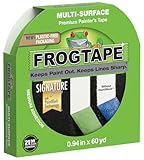
While I’m not one to blindly follow brand names, there are some that have earned a reputation for consistently good performance. Brands like Scotch (3M), FrogTape, and Shurtape are often cited by DIYers and pros alike for their reliability. They might cost a bit more than a no-name roll, but the peace of mind and the quality of the finish are usually worth it.
So, when you’re asking yourself does CVS sell painter’s tape, remember to also ask yourself if the tape they have meets these basic performance criteria.
My Epic Tape Fail and What I Learned
Okay, confession time. I thought I was a pretty smart cookie. I was painting a bedroom a bold teal, and I wanted the trim to stay pristine white. I’d just had the trim professionally painted a few months prior, so it was in perfect condition. I’d seen everyone online raving about this one particular brand of blue painter’s tape – it was supposed to be the gold standard, the one that never bled, the one that came off clean every single time. I shelled out, I think, about $12 for a roll, which felt like highway robbery for tape. But hey, I figured, quality costs, right?
I meticulously applied it, pressing it down firmly along the edge of the wall and the trim. I made sure there were no visible gaps. I painted the wall with two coats of that beautiful teal.
I let it dry for the time recommended on the can. Then came the moment of truth – the peel. I grabbed a corner, and pulled. And then I pulled some more.
And the tape… didn’t come off cleanly. It tore.
It left behind little sticky residue bits. And, worst of all, there was a faint but unmistakable blue line creeping under the edge in several spots. It wasn’t a disaster like my earlier fuzzy ceiling incident, but it was far from the crisp, professional line I was promised.
I was so annoyed. I’d paid a premium for this supposedly magical tape, and it had failed me. I ended up having to spend another hour with a tiny artist’s brush and some white trim paint, carefully going over the blue bleed marks. It was tedious work and the result was… okay.
Not perfect, but passable. What did I learn? That even the most hyped-up products can disappoint, and sometimes the “premium” option isn’t worth the extra cash if it doesn’t perform. I also learned that ‘clean removal’ doesn’t always mean ‘no bleed-through’.
The tape might peel off without damaging the paint underneath, but that doesn’t guarantee it blocked every single molecule of paint from seeping under the edges. It’s a tough lesson: you have to test, or at least understand the specific needs of your project. (See Also: Does Masking Tape Work The Same As Painters Tape )
My dream of an effortlessly perfect paint job was dashed by a $12 roll of tape.
A Diyer’s Guide to Using Painter’s Tape Effectively
So, you’ve got your tape, and you’re ready to tackle that painting project. Here’s how to actually make it work for you, and avoid my mistakes. It’s a straightforward process, but attention to detail is key.
- Clean the Surface: Before you even think about applying tape, make sure the surface you’re taping onto is clean and dry. Dust, grease, or moisture can prevent the tape from adhering properly, leading to leaks. Wipe down trim or baseboards with a damp cloth and let them dry completely.
- Apply with Care: Start at one end and press the tape down firmly as you go. Use a putty knife, a credit card, or even your fingernail to create a good seal along the edge. This is probably the most important step for preventing leaks. Pay extra attention to corners and edges where paint is most likely to sneak under.
- Don’t Overlap Unevenly: If you need to overlap strips of tape, try to do it as smoothly as possible. Jagged or uneven overlaps can create weak points where paint can seep through.
- Paint Wisely: Apply paint in thin, even coats. Thick, gloppy coats are more likely to drip and run, increasing the chance of paint getting under the tape. Avoid overloading your brush or roller.
- Remove Promptly and Correctly: This is important. Most painter’s tape should be removed while the paint is still slightly wet, or at least not fully cured. This is when the paint is less likely to pull away with the tape. If you wait too long and the paint fully cures, the tape can bond to it, leading to tearing or paint damage upon removal. When removing, pull the tape back on itself at a 45-degree angle, using a steady, consistent motion. Don’t yank it off quickly.
- Check for Bleeds Immediately: As soon as you’ve removed the tape, inspect your lines. If you see any small bleed-through spots, it’s much easier to fix them with a small artist’s brush and the trim color while the wall paint is still fresh, rather than waiting for everything to cure and then trying to touch up.
Following these steps will dramatically improve your chances of getting those clean, sharp lines you’re after. It takes a little patience, but the payoff is a professional-looking finish. It’s not just about whether CVS sells painter’s tape, but how you actually use the tape you buy.
Faqs: Does Cvs Sell Painter’s Tape and More
Does Cvs Carry Different Types of Painter’s Tape?
CVS typically carries a limited selection, usually focusing on the most common type: standard blue painter’s tape. You might occasionally find a green tape option, but don’t count on a wide variety of specialized tapes like delicate surface or high-adhesion versions. Their inventory is geared towards convenience and basic needs.
Is Cvs Painter’s Tape Good for Large Projects?
For small touch-ups or very basic projects, CVS painter’s tape can suffice. However, for large-scale renovations or projects where precision is most important, it’s generally advisable to opt for higher-quality tape from a dedicated hardware or home improvement store. The adhesive and backing on budget tapes may not perform as reliably over extended use or larger areas.
What’s the Difference Between Blue and Green Painter’s Tape?
Blue painter’s tape is the standard for most indoor projects on walls and trim, offering a good balance of adhesion and removability for common paint types. Green painter’s tape is often designed for more delicate surfaces or exterior use, featuring a slightly more aggressive adhesive that is still removable, and sometimes a more weather-resistant backing. However, always check the specific product labeling for intended use.
Can I Use Regular Masking Tape Instead of Painter’s Tape?
It’s generally not recommended. Regular masking tape has a much stronger adhesive that can easily damage underlying paint, especially on walls or trim. It’s also less flexible and may not create as good a seal, leading to significant paint bleed. Painter’s tape is specifically formulated for temporary adhesion and clean removal from painted surfaces.
How Long Can Painter’s Tape Stay on a Wall?
While some high-quality tapes can remain for several days or even weeks, it’s best to remove painter’s tape as soon as possible after the final coat of paint has dried to the touch but is still slightly wet. Leaving it on too long, especially in humid conditions or direct sunlight, increases the risk of the adhesive bonding too strongly to the paint, leading to damage when removed.
Comparing Painter’s Tape Options: A Quick Look
When you’re making a decision, it helps to see how the different types stack up. While CVS might offer one or two of these, understanding the spectrum is key.
| Tape Type | Typical Color | Adhesion Level | Best For | My Verdict |
|---|---|---|---|---|
| Standard Painter’s Tape | Blue | Medium | Most interior walls, trim, quick jobs | Reliable for general use, but not foolproof. |
| Delicate Surface Tape | Purple/Yellow | Low | Fresh paint, wallpaper, delicate finishes | Absolute must for fragile surfaces; don’t skip. |
| Exterior/Multi-Surface Tape | Green | Medium-High | Exterior surfaces, rougher textures, longer stays | Good all-rounder, but can be too strong for some interiors. |
| High-Adhesion Tape | Often Orange or Tan | High | Unpainted wood, brick, concrete, long-term masking | Use with extreme caution on painted surfaces; high risk of damage. |
This table gives you a general idea, but always read the packaging. The specific formulation can vary even within brands. My own experience with the $12 tape proved that price and color aren’t the only indicators of quality.
Verdict
So, after all this, does CVS sell painter’s tape? Yes, they do. It’s not a guarantee that every single CVS location will have it stocked on their shelves at any given moment, but it’s a reasonable bet for basic blue painter’s tape, especially in busier stores. It’s your convenient, last-minute option when the hardware store is too far or closed.
Just remember what we’ve talked about: manage your expectations. If you’re tackling a major renovation or need perfect, razor-sharp lines on delicate surfaces, you might be better off heading to a dedicated home improvement store. But for a quick touch-up, a small accent wall, or if you’re in a bind, that CVS roll could be your savior. It’s all about knowing what you need the tape for.
My advice? If you’re doing a big paint job, invest in quality tape from the start. If you’re just doing a quick fix and CVS is your closest option, grab their tape, apply it carefully, and be prepared for a little touch-up. It’s better than staring at a bled-out paint line and wishing you’d planned ahead. And always, always peel it off while the paint is still a bit tacky.