I remember the first time I decided to paint my living room a bold new color. Full of optimism, I grabbed a roll of what I thought was decent painter’s tape, slapped it along the baseboards, and went to town. Hours later, peeling it back, I was greeted with a fuzzy, sticky mess clinging to the carpet fibers. My grand DIY project had taken a sharp turn into frustration. This whole question of ‘does painters tape come off carpet?’ is a common one, and honestly, the answer isn’t as simple as a yes or no.
It depends. A lot. And if you’re not careful, you’re going to end up with more work than you bargained for, dealing with residue and ripped-out carpet fibers. I’ve certainly learned that the hard way, and I’m here to tell you what actually works and what’s just a waste of your time and money.
The Sticky Truth: Why Painter’s Tape Clings to Carpet
So, does painters tape come off carpet? The short answer is: sometimes, and it depends heavily on the type of tape, the type of carpet, and how long it’s been there. Think of painter’s tape as having a specific adhesive designed for delicate surfaces. It’s supposed to stick well enough to create a clean line but peel off without damaging paint or leaving residue. When you introduce carpet into the equation, you’re dealing with a whole different beast. Carpet fibers are notorious for trapping things – dust, pet hair, and yes, the sticky adhesive from tape.
The adhesive on painter’s tape, while generally considered low-tack for walls, can still bond quite strongly to the textured, fibrous surface of a carpet. If the tape is left on for an extended period, especially in a warm environment, the adhesive can soften and seep deeper into the fibers, making removal a nightmare. I once tried to tape off a section of my old Berber carpet to protect it from a spill while I was working on a leaky faucet.
I figured it was temporary, just a few hours. Big mistake. When I pulled it up, not only did it leave a sticky residue, but it also pulled up some of the carpet’s loops.
It looked like a small animal had tried to make a nest there. That’s the kind of surprise you get when you assume all painter’s tape is created equal, especially on something as forgiving as carpet.
The construction of the carpet itself plays a massive role. Shag carpets, with their long, loose fibers, are a magnet for anything you lay on them. The tape can get tangled in those long strands, and the adhesive will grab onto them with gusto. Even low-pile carpets, like a tight-weave Berber or a cut pile, can still present challenges. The adhesive can wick into the base of the fibers and create a strong bond. You’re not just dealing with a flat surface; you’re dealing with hundreds, if not thousands, of tiny strands that the tape’s sticky side wants to hug.
The real culprit is often the adhesive formulation. Cheap, no-name brands might use a more aggressive glue to make sure they stick to anything, and that means they’ll stick like a badger to a tree stump on your carpet. Higher-quality tapes, often labeled as ‘delicate surface’ or specifically for trim and baseboards, use a less aggressive adhesive. But even those aren’t foolproof on carpet. It’s a delicate balance between sticking well enough to do its job and being easy to remove, and carpet throws that balance way off. So, when you ask ‘does painters tape come off carpet?’ you have to consider the tape’s quality and the carpet’s texture first.
Choosing the Right Tape (and When to Just Say No)
Alright, so you’re in a situation where you absolutely need to use tape on or near your carpet. Maybe you’re painting a wall and the baseboard meets a carpeted floor, or you’re trying to protect a specific area from dust during a messy project. The first rule I learned, and one I stick to religiously now, is that not all painter’s tape is created equal. There’s blue tape, green tape, yellow tape, purple tape – it’s a whole spectrum of blues, greens, yellows, and purples, and they all have different purposes and adhesive strengths. For walls, I’ve found the blue tape from brands like 3M is generally reliable, but when it comes to carpet, you need to be way more cautious.
My go-to for anything remotely risky, or for surfaces that are genuinely delicate (like old, peeling wallpaper or freshly painted walls that haven’t fully cured), is often a tape specifically designed for delicate surfaces. These tapes usually have a lighter adhesive. However, here’s the contrarian take: for carpet, even ‘delicate surface’ tape is a gamble. Most professional painters I know wouldn’t dream of taping directly onto carpet if they could avoid it.
They’d rather use plastic sheeting that’s taped to the baseboard itself, creating a barrier that doesn’t actually touch the carpet fibers. If you absolutely must tape the carpet edge, your best bet is a tape that is specifically marketed for trim or baseboards, and even then, test it first. (See Also: Does Painters Tape Pull Off Paint )
Here’s what to look for when you’re in that dreaded home improvement aisle:
| Tape Type | Adhesive Strength | Best For | Verdict on Carpet |
|---|---|---|---|
| Standard Blue Painter’s Tape | Medium | General wall painting, clean breaks | Risky. Can leave residue and pull fibers. |
| Delicate Surface Tape (often green or purple) | Low | Fresh paint, wallpaper, wood finishes | Still risky. Better than standard, but test extensively. |
| Trim/Baseboard Tape (often white or beige) | Low to Medium-Low | Protecting trim from paint splatter | Your best bet if you must tape carpet edge, but still a gamble. |
| Masking Tape / Packing Tape | High | Sealing boxes, general masking | Absolutely not. Will leave heavy residue and damage carpet. |
The key takeaway is this: there’s no magic tape that is guaranteed to come off carpet cleanly 100% of the time. The adhesive is simply not designed for the texture and weave of carpet. I learned this lesson the expensive way when I tried to save a few bucks on a generic brand. It wasn’t just sticky; it was like superglue for fuzz. I ended up having to cut out sections of the carpet and replace them, which cost me way more than a good roll of tape ever would have. So, if you’re wondering, ‘does painters tape come off carpet?’ without any drama, the answer is usually no, not easily, and not without potential damage.
The ‘how-To’ of Tape Removal (and What Not to Do)
Alright, so you’ve made the decision to tape your carpet edge, or perhaps you’ve found yourself in a situation where tape is already there and you need to get it off. The process of removing tape from carpet is less about a magic trick and more about patience and using the right approach. Ripping it off quickly is almost always the wrong move. That’s how you end up with stretched-out fibers and a sticky residue that’s ten times harder to deal with.
First, assess the situation. How long has the tape been there? Is it a cheap brand or a reputable one? Is your carpet plush and deep, or is it a low-pile industrial type? The longer the tape has been on, and the cheaper the tape, the more likely you are to encounter problems. For fresh application, or tape that’s only been on for an hour or two, you have a better chance.
Here’s a step-by-step approach I’ve found works best, though remember, results vary:
- Start Slow and Gentle: Begin at one end of the tape and try to lift a small corner. Pull the tape back on itself at a very low angle, almost parallel to the carpet. Don’t yank it straight up. The goal is to peel, not to rip.
- Work in Small Sections: If it starts to pull up fibers or feel like it’s snagging, stop. Try a different angle or a slightly different spot. Sometimes, a little heat can help loosen the adhesive. A hairdryer on a low setting, held a few inches away, can sometimes make the adhesive more pliable. Be careful not to overheat the carpet, especially if it’s synthetic.
- Deal with Residue Immediately: If you get a sticky residue left behind, don’t let it sit. Grab a clean microfiber cloth. You can try dabbing it with a little bit of rubbing alcohol (isopropyl alcohol). Test this in an inconspicuous spot first, as alcohol can sometimes affect carpet dyes. Gently dab the residue, don’t rub aggressively. You should see the sticky gunk start to transfer to the cloth. You might need to repeat this several times with fresh parts of the cloth.
- For Stubborn Spots: If rubbing alcohol doesn’t cut it, a dedicated adhesive remover designed for fabrics or carpets might be necessary. Again, TEST FIRST. Apply a small amount to a hidden area to make sure it doesn’t discolor or damage your carpet. Follow the product instructions carefully. Sometimes, a gentle scraping with a dull butter knife after applying the remover can help lift the stubborn bits.
What NOT to do? Don’t use harsh solvents like acetone or paint thinner – they’ll likely ruin your carpet. Don’t use excessive water, which can lead to mold or mildew. And for the love of all that is holy, don’t just keep yanking if it feels stuck. That’s the quickest way to turn a minor inconvenience into a costly repair.
I once had a situation where I’d used some cheap tape to hold down a tarp near my basement carpet. The tarp was heavy, and the tape was old and brittle. When I tried to pull it up, it basically disintegrated into a million tiny sticky bits embedded in the carpet. It took me nearly two hours of dabbing with alcohol and picking out individual strands with tweezers. It was a brutal lesson in ‘you get what you pay for’ and how to properly remove sticky gunk.
Common Mistakes and What to Avoid When Taping Carpet
The biggest mistake people make, myself included for a long time, is assuming that all painter’s tape is created equal and that it’s designed for any surface you slap it on. When it comes to carpet, this is a recipe for disaster. The adhesive is simply not formulated to be removed cleanly from the textured fibers of a carpet. It’s designed for painted walls, trim, and glass. Carpet is a different animal entirely.
One of the most common errors is leaving the tape on for too long. I’ve seen people tape off carpet edges for days, sometimes even weeks, while doing a major renovation. The longer that adhesive sits, the more it bonds with the carpet fibers. Heat also exacerbates this. If the room is warm, the adhesive can soften and become even more tenacious, seeping deeper into the carpet pile. So, if you’re asking ‘does painters tape come off carpet’ and you’ve left it there for a week, your chances of a clean removal are slim to none.
Another mistake is using the wrong kind of tape. People grab the cheapest roll they can find, thinking it’s all the same. This is a huge oversight. Those bargain-bin tapes often have aggressive adhesives that are meant to stick hard, and they certainly will on carpet. Conversely, some people might think that a super-specialized tape, like one for delicate surfaces, will be the savior. While these have less aggressive adhesives, they are still not designed for carpet, and can still cause issues. The real problem isn’t just tackiness; it’s the way the tape interacts with the physical structure of the carpet fibers. (See Also: Does Painters Tape Rip Paint Off Walls )
Here’s a list of things to actively avoid if you find yourself needing to use tape near carpet:
- Yanking it off: Resist the urge! Slow and steady wins the race.
- Using harsh chemicals: Acetone, paint thinner, or even strong degreasers can damage carpet fibers and dyes. Always test removers in an inconspicuous spot.
- Applying heat excessively: A little warmth can help, but too much can melt synthetic fibers or make the adhesive spread further.
- Leaving it on longer than necessary: If you’re painting a wall, remove the tape as soon as the paint is dry to the touch. Don’t wait until the next day.
- Taping directly onto carpet if avoidable: This is the best preventative measure. Use drop cloths and tape them to the baseboards instead.
I remember a friend who was helping me paint my garage. We had some old carpet remnants we were using for drop cloths. He decided to tape them down along the edges with some thick, industrial-looking tape. When it was time to remove them, it took us almost an hour to peel up the tape and the sticky residue. The remnants were ruined, and we spent more time cleaning than we did painting. It was a classic case of using the wrong tool for the job and not considering the material you’re working with.
Real-World Use Cases and When It Might Just Work
Let’s be honest, sometimes you’re in a situation where taping carpet is unavoidable, or at least, it feels that way. The most common scenario is painting walls that meet carpeted floors. In these cases, the goal is usually to create a clean line at the baseboard. My general advice? Try your absolute best to avoid taping the carpet itself. Instead, use a good quality drop cloth or plastic sheeting. Tape the edge of the drop cloth to the baseboard, not to the carpet.
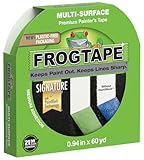
If you can’t avoid it, and you absolutely must tape directly to the carpet edge, here’s when it might work out okay, or at least, be less of a disaster. First, you need a high-quality, low-tack painter’s tape. Brands like 3M Scotch-Blue Delicate Surface or FrogTape Delicate Surface are designed for this kind of job, although they still carry risks on carpet. These tapes have a special formulation that’s supposed to reduce residue and damage. I’ve used them on very short, tightly woven carpets with some success, but it’s still a calculated risk.
The key is meticulous application and swift removal. Apply the tape firmly, but don’t press it down with all your might. Make sure it’s creating a barrier against the paint, but avoid excessive pressure that forces the adhesive deep into the fibers.
As soon as the paint is dry to the touch – and I mean dry, not just set – remove the tape. Peel it back slowly, at a low angle, almost folding it back onto itself. This is the important moment.
If you feel resistance, or if you see fibers pulling, stop. Re-evaluate your angle or consider using a hairdryer on a low setting to warm the adhesive slightly.
The warmer the adhesive, the more pliable it becomes, making it easier to pull away from the fibers.
Another scenario where tape might be used on carpet, with extreme caution, is for temporary marking. For instance, if you’re rearranging furniture and need to mark out where certain pieces will go, or if you’re staging a home and need to indicate a specific layout.
In these cases, the tape won’t be subjected to paint or heavy foot traffic. You’d still opt for the lowest tack tape available and remove it as soon as possible. I once used some light blue tape to mark out a temporary path through a high-traffic carpeted hallway during a move. (See Also: Does Masking Tape Work The Same As Painters Tape )
It worked for about 12 hours, and then I peeled it up. It left a faint sticky trace, but it was manageable with a bit of rubbing alcohol and a cloth. This is probably the most forgiving use case for tape on carpet.
The important factor in all these “success” stories is that the tape was used for a very short duration, on a relatively sturdy carpet, and with a high-quality, low-tack product. If you’re dealing with a thick, plush carpet, a very old or cheap tape, or if you need it to stay there for more than a few hours, the odds of a clean removal plummet dramatically. So, while there are niche situations where it can be done with care, the general rule of thumb is that tape and carpet are not natural allies.
Faq: Your Burning Questions About Tape on Carpet
Can Painter’s Tape Ruin My Carpet?
Yes, it absolutely can. The adhesive on painter’s tape can bond strongly with carpet fibers, potentially pulling them up when removed, leaving sticky residue, or even discoloring the carpet if harsh removers are used. The risk is higher with cheap tapes, long application times, and plush or delicate carpet types.
What’s the Best Way to Remove Painter’s Tape From Carpet?
Start by peeling slowly at a low angle, pulling the tape back on itself rather than yanking it straight up. If it resists, try a hairdryer on a low setting to warm the adhesive. For residue, use rubbing alcohol on a cloth, dabbing gently. Always test any cleaning solution in an inconspicuous area first.
Can I Use Painter’s Tape to Paint Baseboards Next to Carpet?
It’s risky. The safest method is to use drop cloths or plastic sheeting taped to the baseboard itself, avoiding direct contact with the carpet. If you must tape the carpet edge, use a high-quality, low-tack tape like those designed for delicate surfaces and remove it as soon as the paint is dry to the touch.
What If Painter’s Tape Leaves a Sticky Residue on My Carpet?
Rubbing alcohol (isopropyl alcohol) is often effective. Dampen a clean cloth and gently dab the residue, allowing the alcohol to break it down. You may need to repeat this process. For stubborn residue, a specialized carpet adhesive remover might be necessary, but always test it first.
Is There Any Type of Tape That’s Safe to Use on Carpet?
Generally, no tape is truly “safe” for long-term or careless use on carpet. While low-tack painter’s tapes are the least risky, they still pose a threat of damage or residue. For temporary marking, very low-tack tapes can sometimes be removed without issue if done carefully and removed promptly.
Final Verdict
So, to circle back to the original question: does painters tape come off carpet? The honest answer is that it’s a gamble. While you can sometimes get lucky with high-quality tape, minimal contact time, and careful removal, there’s always a risk of sticky residue, pulled fibers, or even permanent damage. I’ve learned that sometimes, the effort and potential cost of fixing mistakes far outweigh the perceived convenience of using tape on carpet in the first place.
My advice? Whenever possible, find a way to protect your carpet without direct tape application. Use drop cloths, plastic sheeting, or even old towels secured with something other than tape if you can manage it. If you absolutely must use tape, pick the best quality, lowest-tack option you can find and be prepared for a slow, deliberate removal process. Don’t be like me in my early DIY days; learn from the sticky mistakes of others.
If you’re facing a situation where tape is already on your carpet, take a deep breath, grab some rubbing alcohol and a clean cloth, and be patient. The goal is to salvage the carpet, not to rush the process and make things worse. And if all else fails, there are professional carpet cleaners who might be able to help with stubborn adhesive issues.