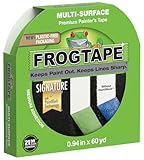
I remember the first time I tried to paint a crisp white trim against an equally crisp white wall. It was a nightmare. The tape, which I thought was doing its job, bled like crazy. I ended up with fuzzy edges that looked like a cheap watercolor painting. I’d always just grabbed whatever blue or green tape was on the shelf, assuming it was all the same. That day taught me a brutal lesson: not all painter’s tape is created equal, and sometimes, the color actually does make a difference. So, to answer the burning question, yes, does painters tape come in white? Absolutely, and it’s not just for aesthetics.
For years, I figured white tape was just… well, tape. Maybe it was for specific jobs, or maybe it was just a different brand. But after that trim disaster, and a few more frustrating painting projects, I started digging. Turns out, that white stuff isn’t just a different color for the sake of it. It’s often designed with specific surfaces and paint types in mind, and understanding that can save you hours of touch-up work and a whole lot of swearing.
If you’ve ever stared at a roll of tape, wondering if the color matters, you’re in the right place. We’re going to break down why white painter’s tape exists, when you should absolutely be using it, and when you can probably get away with the standard blue.
Why the Color of Your Tape Isn’t Just About Looks
Let’s be blunt: most of us grab painter’s tape without a second thought. Blue, green, yellow, and yes, white – they all look like they’ll stick for a bit and then peel off without ripping your paint. But that’s where the assumption breaks. The color of painter’s tape often signifies its primary intended use and its adhesion level. Think of it like different types of glue; you wouldn’t use super glue on a delicate piece of paper, and you shouldn’t use heavy-duty tape on freshly painted walls.
The real magic, or lack thereof, is in the adhesive and the backing material. Different tapes use different formulations of acrylic or rubber-based adhesives. This is what dictates how sticky they are and, importantly, how cleanly they release. Blue tape, the most common stuff you see everywhere, is generally designed for multi-surface use – meaning it’s supposed to work on walls, trim, glass, and even some metals without leaving residue or taking paint with it. It’s the Swiss Army knife of painter’s tape.
But what about white? Does painters tape come in white for a reason beyond just looking clean? Yes. White painter’s tape, often called delicate surface tape or ultra-gentle tape, typically uses a low-tack adhesive. This means it’s designed for surfaces that are easily damaged, like freshly painted walls (less than 24 hours old), wallpaper, certain types of wood, or even glass that might be prone to scratching. The adhesive is formulated to provide just enough hold to create a seal but is gentle enough to release without pulling off paint or leaving that dreaded fuzzy residue.
I learned this the hard way. I was painting a room with a very subtle, almost matte finish on the walls. I used my usual blue tape, and when I pulled it off, it took a chunk of the new paint with it. It looked like a toddler had attacked the wall with a crayon. I ended up having to feather the edges, prime, and repaint those sections. Had I used a delicate surface white tape, I would have saved myself hours. It was a wake-up call that the subtle differences matter.
Another angle to consider is the backing material. Some tapes have a thicker, more solid backing that can handle multiple coats or rougher handling. White tape, especially the delicate surface variety, often has a thinner, more flexible backing. This allows it to conform to curves and irregular surfaces more easily, which is great for intricate trim work or detailed masking. However, it can also mean it’s less forgiving if you accidentally snag it with a brush or roller. It’s a trade-off, and understanding what you’re working with is key.
When to Ditch the Blue and Grab the White
So, you’ve got a project. You’re staring at your paint supplies, and the question pops up again: does painters tape come in white, and when should I actually use it? The simplest answer is: whenever your surface is sensitive or your paint is still a bit ‘green’. I’m talking about those situations where you absolutely cannot afford to have any paint bleed or, worse, have the tape pull up the underlying finish.
My go-to scenario for white tape is painting over a freshly painted wall. Let’s say you painted a base coat yesterday and you want to paint a stripe or a different color accent today. Most standard tapes will, at best, leave a faint line where they were.
At worst, they’ll peel up the paint you just laid down. This is where a low-tack white tape shines. It’s designed to adhere just enough to create a barrier without bonding too strongly to the new, delicate paint film. I’ve found that brands specifically marketing ‘delicate surface’ or ‘ultra-gentle’ with white coloration are usually the ones to reach for here.
They’re typically a bit more expensive, but the peace of mind and the clean lines are worth every penny when you’re doing detailed work. (See Also: Does Painters Tape Rip Paint Off Walls )
Another time I swear by white tape is when dealing with wallpaper. Whether it’s a brand new install or an older paper, you don’t want to risk damaging it. If you’re painting trim next to wallpapered walls, or if you’re doing a two-tone wallpaper job and need to mask off a section, the delicate nature of white tape is your best friend. I once had a client with a very expensive, textured wallpaper. Using standard tape would have been a financial disaster if it tore or left adhesive marks. I used a high-quality white painter’s tape, and the edges were perfectly clean, with zero damage to the paper. It felt like a small victory.
What about wood finishes? If you’re working with stained or varnished wood that you don’t want to get paint on, especially if the finish is older or might be a bit brittle, white tape is the safer bet. You still want to test it in an inconspicuous area if possible, but the lower adhesion reduces the risk of lifting or damaging the clear coat. I’ve used it on antique furniture pieces where precision was everything, and it performed admirably. It’s that gentle touch that makes the difference.
Finally, think about glass. While many tapes are advertised as safe for glass, some can leave behind a sticky residue that’s a pain to remove, or they might even etch the surface if left on too long, especially in sunlight. White, low-tack tapes are generally better for masking glass for painting jobs, as they’re less likely to cause these issues. It’s not foolproof, but it’s a much lower risk. The key takeaway is this: if the surface you’re taping onto is new, delicate, easily damaged, or valuable, err on the side of caution and opt for the white, low-tack variety.
Common Mistakes That Make You Hate Painter’s Tape
You can buy the fanciest white painter’s tape on the market, but if you don’t use it correctly, you’re still going to end up with a mess. I’ve made every mistake in the book, and some of them were pretty embarrassing. One of the biggest traps people fall into is thinking that ‘painter’s tape’ means ‘paint-proof tape’ for an indefinite amount of time. That’s just not the case. Standard painter’s tape, regardless of color, has a recommended ‘dwell time’ – how long it should stay on the surface before it starts to become a problem.
For most standard blue tapes, this is usually around 24-72 hours. For delicate white tapes, it’s often shorter, maybe 12-24 hours.
If you leave tape on longer than recommended, especially in warm or humid conditions, the adhesive can break down or bond too strongly. This is when you get paint bleed under the tape, or when the tape itself tears off in small pieces, leaving behind a frustrating residue that’s harder to clean than a simple bleed line. I once left tape on a window frame for three days while I was doing a multi-coat paint job in a garage, and when I finally pulled it, it was like trying to peel old sticker goo off a car window.
Took me an hour with a scraper and a solvent.
Another classic blunder is improper application. You can’t just slap tape on. You need to press it down firmly along the entire edge, especially at the seam where you want the paint line to be. Use a putty knife, a credit card, or even your fingernail to make sure a good seal. If there are any gaps or loose edges, paint will inevitably seep underneath. This is particularly true for white tape, which is designed for precision. A flimsy seal on delicate tape means it’s not going to do its job effectively. I’ve seen people just press it down with their thumb, and then wonder why they have fuzzy lines. You need a firm, consistent pressure all the way along.
Then there’s the issue of surface preparation. Taping over a dirty or dusty surface is asking for trouble. The tape won’t adhere properly, leading to bleed-through. Always make sure the surface you’re taping is clean and dry. For freshly painted surfaces (where you’d use white tape), make sure they are completely dry to the touch, even if the manufacturer says 24 hours. If it feels even slightly tacky, wait longer. My rule of thumb: if I can leave a fingerprint without leaving a mark, it’s probably not dry enough for delicate tape. It sounds obvious, but rushing this step is a fast track to a bad paint job.
Finally, and this is a contrarian take, some people are too afraid to pull the tape at the right moment. Everyone says ‘pull it while the paint is still wet.’ And yes, for some paints and situations, that’s true. It helps create a cleaner break because the paint hasn’t fully hardened and bonded to the tape edge.
However, for delicate surfaces or when using white tape, sometimes a slightly cured (but not fully hardened) paint is better. Pulling wet paint off a delicate surface can sometimes lift the paint itself. (See Also: Does Masking Tape Work The Same As Painters Tape )
The sweet spot is often when the paint is dry to the touch but not rock hard. You want it firm enough not to lift, but not so hard that it’s bonded to the tape.
Experimentation is key here, and it depends heavily on the paint type and the surface. For white tape, I tend to let the paint cure for a few hours, then carefully score the edge with a razor blade before pulling.
It’s an extra step, but it’s saved me countless hours of repair.
| Tape Type (Color) | Adhesion Level | Best For | My Verdict |
|---|---|---|---|
| Blue (Standard) | Medium | General purpose, multi-surface, trim, walls (fully cured paint) | The workhorse. Good for most jobs, but don’t push your luck on sensitive surfaces or fresh paint. |
| Green (Exterior/Heavy Duty) | High | Rough surfaces, outdoor painting, long-term masking, protecting surfaces from heavy overspray. | Don’t even think about using this on interior walls or trim. It’s too aggressive. |
| Purple (Low Tack/Delicate) | Low | Freshly painted walls (less than 24 hours), wallpaper, glass, varnished wood. Often comes in white or sometimes purple. | Your lifesaver for delicate jobs. Worth the extra cost for a clean finish. |
| Yellow (General Purpose/Indoor) | Medium | Similar to blue, often a bit more forgiving on painted surfaces. | A decent alternative to blue if you find it. Not wildly different in my experience. |
| White (Delicate Surface) | Very Low | Ultra-sensitive surfaces, brand new paint, wallpaper, high-gloss finishes. Designed for maximum protection. | This is the tape you want when the stakes are high. Minimal risk, maximum clean lines. |
Real-World Use Cases: Beyond the Trim
Let’s talk about where this white tape, or its low-tack cousins, really earn their keep. It’s not just about painting trim and walls, although that’s a huge part of it. Think about any situation where you need a precise line and have a surface that could be damaged by a standard adhesive. This is where the question of ‘does painters tape come in white’ really gets practical.
I recently helped a buddy refinish some old wooden furniture. He had this beautiful antique dresser with intricate carvings. We needed to paint the body of the dresser a dark color but wanted to leave the carved details natural wood. Using regular tape would have been an absolute disaster, potentially ripping off the aged varnish or snagging on the delicate curves of the carvings. We used a very fine-width white delicate surface tape, applied with tweezers in some spots, to mask off the detailed areas. The result? Razor-sharp lines between the painted body and the natural wood. No bleed, no damage. It looked professional, and it was largely thanks to that gentle, white tape.
Another area where it’s invaluable is when you’re painting things that aren’t walls – like furniture, cabinets, or even appliances. If you’re painting kitchen cabinets, for instance, and you need to mask off hardware or adjacent surfaces, the wrong tape can leave residue that’s a nightmare to clean off stainless steel or brushed nickel. A good white tape will stick well enough to create the seal but will release cleanly. I’ve done this on my own kitchen cabinets, and the clean lines around the hardware made the whole repainting job look factory-finished. It’s those small details that make a big difference in the final outcome.
Consider any project involving delicate finishes like lacquers, high-gloss paints, or even certain types of plastic. If you’re doing anything from model building to car detailing (though dedicated automotive tapes exist for that), a low-tack option is important. For instance, if you’re painting a section of a car bumper and need to mask off the undamaged part, you don’t want a tape that’s going to pull up the existing paint or leave a ghost line. White tape, or a specifically designed low-tack tape, is the way to go. It’s about protecting the investment you’ve already made in the surface.
Even in everyday household repairs, it can come in handy. Let’s say you have a minor scratch on a painted doorframe, and you’re touching it up. You might want to mask off the wall next to it to prevent any errant brush strokes. Using a standard tape here could potentially pull up the wall paint. A white, low-tack tape offers that protection. It’s a small thing, but it shows the versatility. It’s not just for big painting jobs; it’s for precision and protection whenever you’re working with painted or finished surfaces that you can’t afford to mess up. The existence of white painter’s tape is a testament to the need for specialized tools for delicate tasks.
Tips and Tricks to Get the Best Results
Alright, so we know does painters tape come in white, and we know why it’s useful. Now, how do you make sure you’re actually getting those clean lines and not creating more work for yourself? I’ve picked up a few tricks over the years that have saved my bacon more times than I can count. These aren’t revolutionary, but they make a tangible difference.
First off, always, always, always check the tape’s intended use. Don’t just grab white tape and assume it’s for everything delicate. Read the packaging. Does it say “delicate surface,” “low tack,” or something similar? If it just says “interior paint” or “multi-surface,” it might be a different kind of white tape. Some manufacturers use white for specific interior paints, not necessarily for super-delicate surfaces. ScotchBlue makes a variety of tapes, and their color coding is generally reliable, but it’s worth double-checking if you’re unsure. It’s like having a good set of chisels; you need the right one for the job.
My second tip is about the ‘score and pull’ method I mentioned earlier. When you’ve finished painting and the paint is dry to the touch but not fully hardened, take a sharp utility knife or a craft knife and carefully score the edge where the tape meets the paint. (See Also: Does Painters Tape Peel Paint )
You’re not cutting into the surface underneath; you’re just creating a clean break along the tape line. Then, pull the tape away at a 45-degree angle. This technique is especially helpful for preventing chipping or lifting, even with delicate tapes, because it severs any microscopic bond that might have formed between the paint and the tape edge.
It’s an extra step that adds maybe 30 seconds per foot of tape, but it can save you an hour of touch-up. I’ve used this on everything from trim to model airplanes.
Third, don’t stretch the tape as you apply it. Painter’s tape is designed to stick when it’s laid down flat. If you stretch it, it can distort, create weak spots, and potentially pull away from the surface or create an uneven line as it tries to return to its original shape. Apply it with consistent, gentle pressure, making sure each section lies flat against the surface. Think of it like laying down a stencil; you want it to be perfectly flat for a crisp outline.
Fourth, and this is a bit of a niche one, consider the temperature and humidity. Extreme heat can cause the adhesive to become gooey and spread, leading to bleed-through. High humidity can sometimes affect how the tape adheres and releases. For best results, try to tape and paint in moderate conditions, typically between 60-80°F (15-27°C) with relatively low humidity. If you’re painting a basement or a damp area, consider using a dehumidifier beforehand, or at least wait for the air to be drier before taping and painting. This might sound overly fussy, but I’ve learned that environmental factors are just as important as the tape itself when you’re aiming for perfection.
Frequently Asked Questions About Painter’s Tape
Can I Use Regular Blue Painter’s Tape on Fresh Paint?
Generally, no. Blue painter’s tape is usually designed for multi-surface use on fully cured paint (at least 24-72 hours old, depending on the brand and paint type). Applying it to fresh paint increases the risk of the tape pulling off the paint, leaving residue, or causing bleed-through.
What’s the Difference Between White and Blue Painter’s Tape?
The primary difference is the adhesion level. White painter’s tape is typically designed for delicate surfaces and uses a low-tack adhesive, meaning it sticks lightly and releases cleanly. Blue tape has a medium adhesion, making it suitable for most general-purpose painting tasks on cured surfaces.
How Long Should I Leave Painter’s Tape on?
This varies by type. For standard blue tape, it’s usually best to remove it within 24-72 hours of application, or shortly after painting. For delicate white tape, it’s often recommended to remove it within 12-24 hours, or as soon as the paint is dry to the touch. Leaving it on too long can cause the adhesive to bond too strongly or degrade.
Will White Painter’s Tape Leave a Residue?
High-quality white painter’s tape, especially those specifically labeled for delicate surfaces, are designed to leave minimal to no residue. However, factors like leaving the tape on for too long, applying it to a dirty surface, or using it in extreme temperatures can increase the likelihood of residue.
Can I Use Painter’s Tape on Wallpaper?
Yes, but you should use a delicate surface tape, which is often white or a similar low-tack variety. Standard tapes can damage wallpaper by tearing it or leaving adhesive marks. Always test in an inconspicuous area first if possible.
Conclusion
So, to circle back to our initial query: does painters tape come in white? Yes, it absolutely does, and understanding its purpose can be a real lifesaver for your painting projects. It’s not just a color variation; it’s a functional difference, typically indicating a lower tack adhesive designed for delicate surfaces where standard tapes would cause damage or leave behind unwanted residue. For those times when you’re painting over freshly painted walls, working with wallpaper, or handling valuable finishes, reaching for that white tape is the smart move.
Don’t be like me, years ago, thinking all tape was created equal. Invest a little extra in the right tape for the job, especially when the surface you’re protecting is sensitive or valuable. It’s a small cost that can save you a massive headache and result in a much cleaner, professional-looking finish. Remember to also follow those application and removal tips – they’re just as important as picking the right tape.
Next time you’re at the hardware store and see that roll of white tape, you’ll know it’s not just for show. It’s your secret weapon for those tricky jobs where precision and protection are most important. Give it a try on your next delicate project, and see the difference for yourself.