I remember staring at this beautiful watercolor sketch, ready to frame it, when I pulled off the masking tape I’d used to create clean edges. What I saw made my stomach drop. Little flecks of paper, torn and fuzzy, clung to the tape, and the paper itself looked… bruised. It’s a question many artists and DIYers grapple with: does painters tape damage paper? The answer isn’t a simple yes or no, and frankly, a lot of what you read online is utter nonsense. Let’s cut through the fluff and talk about what actually happens.
What the Heck Is Painters Tape Anyway?
Before we get into whether it mangles your precious paper, let’s understand what this sticky stuff actually is. Painters tape, often called masking tape, is designed to create clean lines when you’re painting.
It’s supposed to stick to surfaces long enough to do its job but peel off without taking the paint with it. The magic, or often the curse, lies in its adhesive. It’s usually a pressure-sensitive adhesive, meaning it gets stickier the more you press it down.
The key difference between the cheap stuff and the good stuff is the adhesive formula and the tape’s backing material. Cheaper tapes use a more aggressive adhesive that can leave residue or, worse, tear delicate surfaces. Higher-quality tapes, like those from 3M or FrogTape, often use a more refined adhesive and a backing that’s less likely to rip. They’re formulated to be ‘low-tack’ or ‘medium-tack’ for different surfaces and paint types.
But here’s the kicker: ‘low-tack’ on a painted wall is a whole different ballgame than ‘low-tack’ on a piece of 100-pound cold-press watercolor paper. The paper fibers are far more delicate than drywall. So, while it might not rip your paint job, it can absolutely leave its mark on paper, especially if you’re not careful.
I’ve seen it happen, and it’s not a pretty sight when you’ve spent hours on a piece.
The Sticky Truth: How Painters Tape Affects Paper
So, does painters tape damage paper? Yes, it absolutely can. The primary culprits are the adhesive and the act of peeling.
The adhesive, even on tapes marketed as ‘gentle,’ can bond with the paper fibers. Over time, or if the tape is left on for extended periods, this bond can strengthen. When you pull the tape off, especially if you do it too quickly or at the wrong angle, it can rip away those paper fibers, leaving behind a fuzzy, torn edge. This is more common with cheaper, more aggressive tapes.
I once tried to tape off a section on a mixed-media piece I was working on, using some generic blue painter’s tape I’d grabbed at the discount store. Within an hour, when I went to remove it, it felt like I was peeling dried glue off. Little blue specks were everywhere, and the paper’s surface was visibly roughened where the tape had been. It looked like a miniature, paper-based version of a bad paint job removal.
It wasn’t just unsightly; it affected the integrity of the paper in that area, making it harder to work on later. The paper itself has a surface texture, and some tapes can really grab onto those little peaks and valleys.
The longer the tape is on, the more time the adhesive has to really sink in and bond. This is especially true if the paper is slightly damp, which can happen if you’re using wet media like watercolor or gouache and the tape is applied while the paper is still humid or if it gets exposed to humidity.
Contrarian Opinion: When It doesn’t Ruin Your Paper (and Why)
Now, here’s where I go against the grain a bit. Everyone screams, ‘Don’t use painters tape on paper!’ and while that’s often good advice, it’s not the whole story. I’ve used painters tape on paper many, many times, and it’s worked beautifully. (See Also: Does Painters Tape Pull Off Paint )
Why? Because I use the right kind of tape, and I use it the right way.
Everyone says you should only use specialized art tape, and yeah, that stuff is great, but it’s also pricey. For many everyday projects—like masking off borders for a poster board presentation or creating clean lines on a sketch that’s not going to a gallery—good quality blue or even green painters tape can be perfectly fine. The key is to apply it to a clean, dry surface, press it down gently, and remove it at a shallow angle, slowly and steadily. Think of it like peeling a sticker off a new book – you don’t rip it off at 90 degrees, do you?
You ease it off. I once had a project where I needed to create a sharp white border on a large illustration done on bristol board.
I was on a tight budget and a tight deadline. I used a mid-range blue painters tape, applied it carefully, and let it sit for about two hours. When I pulled it off, the edges were crisp, and the paper was completely unharmed.
It came down to selecting a reputable brand known for consistent adhesive quality and understanding that ‘low-tack’ isn’t a license to be careless. The paper type matters too; a smooth, heavy cardstock is far less susceptible to damage than a delicate, rough-textured drawing paper.
So, while caution is warranted, outright banning painters tape from paper-based projects is overly cautious for many situations.
Testing the Waters: What to Look for in Tape & Paper
If you’re going to risk it, or even if you’re just curious, understanding what makes a tape ‘paper-friendly’ is key. You want a tape that has a reliable, consistent adhesive.
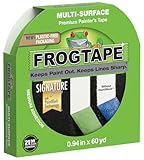
Brands like 3M (their blue performance masking tape is pretty solid), FrogTape (especially their delicate surface tape, though that’s more for painted walls), and even some of the higher-end generic brands can be decent. Avoid the absolute cheapest, no-name brands; they’re a gamble. Look for terms like ‘low tack,’ ‘delicate surface,’ or ‘residue-free.’
That said, these are often marketing terms, so your best bet is to test. Always, always test a small, inconspicuous area first.
On the paper itself, the type and weight are huge factors. Heavier, smoother papers like 100lb or heavier cold-press watercolor paper, illustration board, or smooth cardstock are much more forgiving than thin, rough, or newsprint-like papers. The texture of the paper makes a difference; a rougher paper has more fibers for the tape to grab onto. If you’re using something like a cheap sketchpad, assume it’s going to be damaged.
For serious work, archival papers are often more solid, but even they can be damaged by aggressive adhesives. So, when in doubt, get a small roll of the tape you’re considering and a scrap piece of the paper you plan to use. (See Also: Does Painters Tape Rip Paint Off Walls )
Stick it down, leave it for a bit, and peel it off. See what happens before you commit to your actual artwork.
| Tape Type | Typical Use Case | Paper Risk Level | My Verdict |
|---|---|---|---|
| Cheap Generic Blue/Green Tape | General DIY painting, non-delicate surfaces | High | Avoid on anything you care about. Gamble you’ll regret. |
| Mid-Range Blue Painters Tape (e.g., 3M Performance) | Home painting, trim, moderate masking needs | Medium (depends on paper & time) | Use with caution on sturdy paper. Test first. Often fine for non-important work. |
| Specialty Art Masking Tape (e.g., Winsor & Newton, drafting tape) | Art masking, creating clean lines on paper/canvas | Low | Best option for serious art. Worth the extra cost for peace of mind. |
| FrogTape (Delicate Surface) | Painting delicate surfaces like wallpaper, stained wood | Low to Medium (can still be sticky) | Good for very light adhesion on paper, but still needs testing. Overkill for basic borders sometimes. |
Common Mistakes and How to Avoid Them
The number one mistake people make is thinking all painters tape is the same. It’s not.
You wouldn’t use duct tape to seal an envelope, and you shouldn’t use the cheapest, stickiest tape you can find on fine art paper. Another huge error is leaving the tape on for too long. I’ve seen people tape off an area and then go paint their entire house, leaving the tape on for days. That’s asking for trouble on paper.
The adhesive breaks down or seeps under, and then you’re not just peeling tape; you’re peeling paint or paper. Applying too much pressure when you lay the tape down is also a problem. You want it to stick, yes, but you don’t want to embed it into the paper’s fibers.
And when it comes time to remove it, ripping it off in one fast yank is a surefire way to cause damage. Peel slowly, at a low angle.
If you feel resistance, stop, readjust your angle, or even try moistening the edge of the tape slightly with a damp cloth or a product specifically designed to remove adhesive if you’re really worried. I learned this the hard way when I tried to save time by rushing the removal of masking tape from a large illustration board; I ended up with a ragged edge that took ages to fix. Also, consider the temperature and humidity. Very hot, dry conditions can make adhesives tackier, and very humid conditions can make paper more fragile.
Be mindful of your environment. If you’re unsure, don’t guess. Test, test, test.
It’s far better to spend five minutes testing than five hours repairing damage.
Real-World Use Cases: When I’d Actually Use It
Okay, so when would I, a person who has seen too many good papers ruined, actually reach for painters tape when working with paper? Mostly for less precious projects or when I’m in a pinch and have no other options.
For example, if I’m creating a quick concept sketch on heavier paper and just need a clean border for presentation purposes, and it’s not going to be archived for centuries. Or if I’m doing some mixed-media work where the texture of the tape removal might even add an interesting element to the piece (though I’d still test first).
I’ve also used it for masking off areas on poster board for school projects or simple signs where the paper is thick and disposable. Another scenario is when I’m using heavy-duty cardstock for crafts or making cards, and I need a clean edge for adhering layers. (See Also: Does Masking Tape Work The Same As Painters Tape )
In these situations, the paper is typically solid enough to handle a decent tape, and the stakes are low. I wouldn’t dream of using it on a delicate watercolor paper, a fine art print, or any archival-grade paper meant to last. For those, I’d invest in proper drafting tape, frisket film, or liquid frisket.
The key is always assessing the value of the paper and the artwork. If it’s something you’ve poured your soul into, don’t risk it with painters tape.
If it’s a disposable draft or a quick craft, it might be a viable, cost-effective option. I remember helping a friend set up for a small art fair; we used some mid-grade blue tape to create clean borders on the cardstock price tags. They looked professional, and we didn’t have a single issue.
That’s the kind of situation where it shines – low risk, high reward for aesthetics.
Faq: Your Burning Questions Answered
Will Painters Tape Leave Residue on Paper?
Yes, painters tape can definitely leave residue on paper, especially cheaper or more aggressive tapes. This is because the adhesive can bond strongly to the paper fibers. If the tape is left on for a long time, or if the paper is porous or delicate, the residue is more likely to be left behind. Higher-quality painters tapes are formulated to minimize this, but testing is always recommended.
Can I Use Painters Tape on Watercolor Paper?
It’s risky. Watercolor paper, especially with wet washes, can become more fragile. The adhesive can pull up fibers or leave marks when removed. While some artists use it successfully on heavier, cold-press watercolor papers with careful application and removal, it’s generally advisable to use specialized art tape or liquid frisket for masking on watercolor paper to avoid damage.
How Long Can I Leave Painters Tape on Paper?
For delicate work, it’s best to remove painters tape as soon as the paint is dry to the touch, or within a few hours at most. Leaving it on for days significantly increases the risk of the adhesive bonding too strongly, leaving residue, or even tearing the paper fibers upon removal. Always check the tape manufacturer’s recommendations, but err on the side of caution with paper.
What’s the Best Alternative to Painters Tape for Paper?
For serious art applications, consider drafting tape, which is specifically designed for use on paper and similar surfaces and has a much gentler adhesive. Liquid frisket or masking fluid is another excellent option for creating precise, sharp edges without risking the paper itself. These products are designed for artists and are much safer for delicate paper than standard painters tape.
Final Thoughts
So, to wrap this up: does painters tape damage paper? The blunt answer is yes, it can, and often does if you’re not careful or using the wrong product. The key isn’t just the tape, but how you use it, the type of paper, and how long it’s left on. For anything precious, my advice is to spend the extra few bucks on proper art tape. It’s a small price to pay for peace of mind and to avoid the soul-crushing moment of seeing your work damaged.
However, for quick crafts, less important projects, or when budget is a major constraint, a good quality blue painters tape, applied and removed with care, can certainly get the job done without disaster. Just remember to always test first. That tiny bit of foresight can save you a lot of heartache.