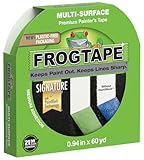
You know that feeling. You’re elbow-deep in a project, maybe touching up trim, maybe masking off a delicate model car, and you realize you’ve got a problem. You need that super-fine line, that razor-sharp edge, and all you’ve got is your grandpa’s dusty roll of blue stuff that bleeds like a stuck pig. The question pops into your head: does Michael’s carry tiny painters tape? It’s a specific need, and sometimes you just need to know where to look without trekking across town.
I’ve been there. Wasted more money than I care to admit on craft supplies that promised the world and delivered… well, craft. So when I needed that little bit of masking magic for a recent automotive detail, I had to find out.
Hunting for the Holy Grail of Thin Masking Tape
Let’s cut to the chase. When I first embarked on my quest to answer the burning question, does Michael’s carry tiny painters tape, I wasn’t expecting a treasure trove. Michael’s, bless its crafty heart, is primarily known for yarn, scrapbooking paper, and glitter that never, ever leaves your house. They have tape, sure. They have masking tape. But is it the tiny kind? The kind that gives you a perfect, crisp line on a vintage car fender or a miniature aircraft wing?
My initial scouting mission involved a quick scan of their website. Their online selection is a mixed bag. You’ll find rolls of standard masking tape, usually in widths like 1 inch, 1.5 inch, and even 2 inches. These are great for covering larger areas, like protecting a whole car door from overspray. But for the nitty-gritty, the fine-line detail work that separates a good paint job from a truly professional one? Not so much.
I remember one particularly frustrating afternoon. I was trying to paint racing stripes on a 1:24 scale model of my old pickup. I’d bought what I thought was fine-line tape from a local hobby shop, but it was still too thick. The edges were soft, fuzzy even, after I pulled it off. It looked like a kid had done it. I ended up having to carefully score the edge of the stripe with a hobby knife after painting, which is a recipe for disaster and usually ends with me swearing at tiny pieces of plastic. That’s when I knew I needed something specifically designed for those super-fine lines, and the search for where to buy it began.
So, my first thought was, Michael’s has to have something, right? They cater to a wide range of crafts, and model painting is definitely a thing. However, their typical offerings lean towards the broader strokes. Think stencils, larger brushes, and thicker tapes. The kind of tape that’s more about ‘covering’ than ‘defining’.
What Even Is Tiny Painters Tape and Why Do You Need It?
Alright, before we go any further down the rabbit hole, let’s clarify what we’re even talking about. When I say ‘tiny painters tape,’ I’m usually referring to tape that’s 1/8th inch (around 3mm) to 1/4th inch (around 6mm) wide. Sometimes you can even find 1/16th inch. This stuff is delicate. It’s designed to create incredibly precise lines. Think of painting the pinstripe on a classic car, masking off the intricate canopy on a model airplane, or creating clean borders for graphic elements on a piece of furniture. Standard masking tape, even the blue kind everyone seems to love, is usually 3/4 inch (about 19mm) or wider. That’s like trying to draw a detailed portrait with a crayon.
The magic of thin tape lies in its adhesion and its flexibility. Good quality thin tape sticks just enough to create a seal without lifting underlying paint, but it’s also malleable enough to follow curves. This is absolutely key for automotive applications, where you’re often dealing with rounded surfaces. I learned this the hard way when I tried to mask off a chrome trim piece on a vintage motorcycle using regular tape. The tape was too stiff, didn’t conform to the curve, and I ended up with a paint line that looked like a drunk snake had slithered over it. Took me hours of sanding and repainting to fix.
Why is this little strip of tape so important? Because it dictates the final look. A clean, sharp edge tells the viewer – or you, when you’re admiring your handiwork – that this was done with care and precision. A fuzzy, bleeding edge just screams ‘amateur hour.’ For anyone serious about detailing, whether it’s a full car restoration or just a custom paint job on a bike helmet, fine-line tape is a a must tool. It’s the difference between a project that looks ‘good enough’ and one that looks professionally done.
When people ask about painters tape, they often think of the big blue rolls. And sure, those are fine for covering up furniture when you’re painting a room. But for the intricate work we’re talking about, that thick tape is about as useful as a screen door on a submarine. You need something that can lay down a line so fine, you can barely see it.
| Tape Type | Typical Width | Best For | Michael’s Availability | Verdict |
|---|---|---|---|---|
| Standard Masking Tape (Blue/Green) | 3/4″ to 2″ (19mm-50mm) | General masking, covering large areas. | Yes (widely available) | Too thick for fine detail. Good for broad strokes only. |
| Fine Line Tape (Masking/Art Tape) | 1/8″ to 1/4″ (3mm-6mm), sometimes smaller. | Pinstriping, model painting, sharp edge definition. | Unlikely to find specialty sizes. Maybe basic art tape. | The actual ‘tiny’ tape you need for precision. Harder to find in craft stores. |
| Painter’s Tape for Delicate Surfaces | 1″ and up (25mm+) | Fresh paint, wallpaper, sensitive walls. | Yes (standard widths) | Still too wide for most fine detail needs. |
My Own Michael’s Adventure: What I Actually Found
So, I did make a trip to my local Michael’s. I went with a mission: locate the mythical tiny painters tape. Armed with my phone and a healthy dose of skepticism, I navigated past the seasonal decor and the aisles overflowing with crafting kits. I headed towards the adhesives and tape section. And there it was… a wall of tape. Rolls of Scotch, rolls of their own brand, rolls of everything you’d expect. (See Also: Does Painters Tape Pull Off Paint )
I found masking tape in various widths, sure. But the smallest I could find that was explicitly labeled ‘masking tape’ or ‘painter’s tape’ was a 1-inch roll. Not exactly what I was looking for. However, tucked away in the ‘Art & Drawing’ section, I did find something interesting: rolls of very thin tape, often labeled as ‘model tape’ or ‘art tape.’ These came in widths like 1mm, 2mm, and 3mm. This is closer to what you need for true fine-line work. The problem? The adhesive on some of these ‘art tapes’ isn’t always formulated for automotive paint. Some can be too aggressive, lifting paint, while others are barely sticky enough to stay put.
I bought a couple of rolls of their thinnest art tape – one was about 2mm, the other 3mm. They were cheap, maybe $4 a roll. I tested it on a scrap piece of metal I had lying around that I’d just painted with a rattle can of primer. The 2mm tape adhered reasonably well, and when I pulled it off after the ‘paint’ dried, the line was… okay. It wasn’t razor-sharp, but it was a definite improvement over standard masking tape. The 3mm was a bit better. But I also noticed that if I wasn’t super careful when applying it, it would wrinkle or tear because it’s so thin and delicate. It requires a very steady hand and patience.
So, to directly answer the question: does Michael’s carry tiny painters tape? They don’t carry what most automotive or serious model painters would typically call ‘fine-line painter’s tape’ in the traditional sense, meaning dedicated automotive or architectural masking tape in narrow widths. What they do carry, often in their art supply aisles, are very thin tapes that can be used for similar purposes, especially for model building or very delicate craft projects. You just have to be prepared to experiment with the adhesive quality and handle them with extreme care. They’re more ‘art tape’ than ‘painter’s tape’ in the typical sense.
The “art Tape” Alternative: Pros and Cons
The thin tapes you might find at Michael’s in their art or model sections are often the closest thing to tiny painters tape they offer. Let’s break down what that means for you.
Pros:
- Availability: You can often walk into a Michael’s and find these. They are usually in the same general area as glues, specialty pens, and model-building supplies.
- Cost: They are typically very affordable, often under $5 a roll. This makes them accessible for trying out and for projects where you might use a lot of it.
- Extremely Thin Lines: When applied correctly, these tapes can create incredibly fine lines, sometimes down to 1mm. This is their main selling point for detail work.
Cons:
- Adhesive Variability: This is the big one. Some art tapes are designed for paper and might not adhere well to painted surfaces. Others can be too sticky and lift your base coat when removed. You really have to test it first.
- Durability: They are incredibly thin and delicate. They can tear easily during application, especially on curved surfaces. They can also wrinkle if you’re not careful.
- Not Designed for Automotive Paint: Most of these tapes aren’t formulated to withstand the solvents or pressures associated with automotive paints. If you’re doing serious car detailing, these are a gamble.
- Limited Widths: While they are tiny, you might find yourself wanting slightly different sizes, and the selection can be limited to just a couple of millimeter widths.
For a quick touch-up on a model airplane or adding a subtle stripe to a custom-painted phone case, these art tapes can absolutely do the job. But if you’re masking off a quarter panel on a real car or a complex architectural model, you’re probably better off looking elsewhere.
Where to Really Get Your Tiny Painters Tape Fix
Okay, so if Michael’s isn’t the primary destination for what most people mean by ‘tiny painters tape,’ where should you be looking? For the serious DIYer, the automotive enthusiast, or the dedicated modeler, there are much better options.
1. Automotive Paint Supply Stores: This is your best bet for high-quality, automotive-grade fine-line tape. Brands like 3M (their 2080 is legendary, but they have smaller versions too), Finish Line, and KPMF make tapes specifically designed for automotive paint. These tapes have the right tack level, are flexible enough to conform to curves, and are designed to withstand automotive paint solvents and heat. You can find them in widths from 1mm all the way up to 1/4 inch. Some are even designed for very specific applications, like masking off emblems.
2. Dedicated Hobby and Model Shops: If your primary use is for models (cars, planes, trains, etc.), a good hobby shop will carry specialized masking tapes. Brands like Tamiya and Mr. Hobby (GSI Creos) make excellent fine-line tapes that are formulated for model paints and finishes. They are typically very thin and offer excellent adhesion and clean removal. These are often available in a wider range of very small widths (1mm, 2mm, 3mm, 6mm). (See Also: Does Painters Tape Rip Paint Off Walls )
3. Online Retailers (Amazon, eBay, etc.): This is where you’ll find the widest selection. You can search for terms like ‘fine line masking tape,’ ‘pinstripe tape,’ ‘model masking tape,’ or even ‘ultra thin masking tape.’ You’ll see a huge variety of brands, widths, and prices. Read reviews carefully here. Look for tapes specifically mentioning good adhesion to painted surfaces and clean removal. Brands like Starrett, Iwata (yes, the airbrush company makes tape too), and various lesser-known but highly-rated brands pop up.
4. Specialty Art Supply Stores (Online or Large Chains): While Michael’s might have limited options, larger art supply stores or their online counterparts might carry higher-quality ‘art masking tapes’ or ‘graphic tapes’ that are designed for precision work and might be suitable for some non-automotive applications. These are often better quality than what you find in a general craft store.
My personal go-to for my motorcycle projects is usually a roll of 3M fine-line tape or Tamiya’s masking tape. I’ve found that spending a little more upfront on a quality tape saves me hours of frustration and rework later. The difference in the final line quality is night and day compared to cheaper alternatives.
A Quick Tip for Using Thin Tape
No matter where you buy your tiny painters tape, the application is key. When you’re using these ultra-thin tapes, especially on painted surfaces:
- Make sure the surface is clean and dry. Any dust or moisture will compromise adhesion.
- Apply with a steady hand. Press it down firmly as you go, using a fingernail or a plastic burnishing tool to make sure a good seal.
- Be extra careful on curves. Gently stretch and ease the tape around bends. Avoid sharp kinks.
- For important lines, consider a ‘double tape’ method. Lay down your fine-line tape, paint your detail, let it just cure (not fully hardened), and then lay a wider strip of standard painter’s tape over the fine-line tape, about 1/8″ away from the edge of your painted line. This extra layer of tape acts as a buffer and helps prevent overspray from reaching the delicate edge.
- Remove the tape carefully. Pull it back on itself at a low angle. If you’re unsure, a gentle blast of warm air from a heat gun (on a low setting!) can sometimes help soften the adhesive.
Common Mistakes When Using Fine-Line Tape
It’s easy to mess up when you’re working with these delicate tapes. I’ve made my fair share of blunders, and I’ve seen others do it too. Understanding these common pitfalls can save you a lot of headaches (and repainting).
First off, the biggest mistake is using the wrong tape for the job. Trying to use cheap ‘art tape’ meant for paper on a freshly painted car panel is a recipe for disaster. The adhesive might be too weak, or worse, too aggressive and lift the paint. I once tried to mask off some custom graphics on a guitar I was refinishing.
I used a generic brand of thin tape I found online, and when I pulled it off, it took a chunk of my new clear coat with it. That was a rough afternoon.
Another common error is rushing the paint process. You absolutely need to let your base coat cure sufficiently before applying fine-line tape. If the paint is too fresh, the tape will just pull it up. The exact curing time depends on the paint type, but generally, it needs to be dry to the touch and firm enough not to be easily damaged. A general rule of thumb for automotive paints: let it cure for at least 24 hours, and ideally longer, before masking over it for a second color. For model paints, it might be much shorter, but always check the paint manufacturer’s recommendations.
Applying the tape too loosely is another killer. You might think you’re being gentle, but if there are any air gaps or the tape isn’t firmly pressed down along its entire edge, paint will seep underneath. This ruins the crisp line you were aiming for. I always run my fingernail or a plastic card along the edge of the tape after applying it to make sure it’s sealed down tight. This helps create that perfect barrier.
Conversely, leaving the tape on for too long is also a problem. Once you’ve applied your second color and it’s sufficiently dry to the touch, you should remove the tape as soon as possible. Letting it sit for days can cause the paint edge to adhere to the tape, leading to chipping or tearing when you pull it off. This happened to me on a model airplane I was painting; I got distracted, left the tape on for a couple of days, and when I finally pulled it, the wing stripe looked like it had been attacked by a badger. So, timing is everything. (See Also: Does Masking Tape Work The Same As Painters Tape )
People Also Ask:
Where Can I Buy Thin Masking Tape?
You can find thin masking tape, often called fine-line tape or pinstripe tape, at automotive paint supply stores, dedicated hobby and model shops, and major online retailers like Amazon. While craft stores like Michael’s may carry very thin ‘art tape,’ these are often not formulated for automotive paint and can be inconsistent in quality and adhesion.
What Is the Narrowest Painters Tape?
The narrowest painters tape specifically designed for precision work, like pinstriping or model painting, can be as narrow as 1mm (approximately 1/32 inch). These are typically found in automotive paint supply stores or specialized hobby shops, rather than general craft stores.
What Tape Is Best for Sharp Paint Lines?
For the sharpest paint lines, especially on automotive projects or detailed models, you’ll want to use high-quality fine-line masking tape. Brands like 3M, Tamiya, and Finish Line offer tapes specifically designed for this purpose, available in narrow widths (1mm to 6mm or 1/4 inch) that conform well to surfaces and prevent paint bleed.
Can I Use Art Tape for Painting Models?
Yes, art tape can be used for painting models, and it’s often the most accessible option for very thin lines. However, it’s important to test the tape’s adhesion and removal on a scrap piece first, as art tapes are not always formulated for painted surfaces and can sometimes lift paint or not adhere well. They are best suited for lighter applications and less delicate surfaces.
Is Michael’s a Good Place to Buy Tape?
Michael’s is a great place to buy standard masking tape for general household projects or broader craft applications. However, if you need specialized tape like narrow fine-line tape for automotive or detailed model work, it is generally not the best place to look, as their selection of very narrow, high-performance tapes is limited or non-existent.
My Final Verdict on Michael’s and Tiny Tape
So, after all that digging, is Michael’s the place to go if you’re asking, does Michael’s carry tiny painters tape? The honest answer is: it’s complicated. If you’re looking for the kind of tape that’s specifically designed for automotive detail, pinstriping, or professional model painting – the kind that guarantees a razor-sharp edge on complex curves – then no, Michael’s is probably not going to be your go-to. Their selection tends to be geared more towards general craft and home improvement masking.
However, if you’re a crafter working on a delicate project, a model builder who needs something thin for a quick job, or you’re willing to experiment, you might find some usable thin tapes in their art or model supply aisles. These are often labeled ‘art tape’ or ‘model tape’ and come in very narrow widths (think 1mm to 3mm). Just be prepared for variability in adhesive quality and the need for extra care during application and removal. I’ve used them in a pinch and they can work, but they’re not my first choice for anything important.
For my own projects, especially anything involving automotive finishes or high-stakes detailing, I stick to specialized suppliers. It might mean a separate trip or an online order, but the peace of mind and the guaranteed crisp lines are worth the extra effort. My advice? Know what you need the tape for. If it’s a quick craft or a model where perfection isn’t the absolute end-game, give Michael’s a look. But if you demand precision and reliability, start looking at your local auto paint shop or a reputable online hobby supplier. You’ll thank yourself later.
Verdict
So, there you have it. The long and short of it is, if you’re walking into Michael’s specifically asking, does Michael’s carry tiny painters tape with the expectation of finding professional-grade automotive fine-line tape, you’re likely to be disappointed. They stock for a different audience, for the most part.
But don’t dismiss them entirely if you’re a hobbyist. Their art and model sections can sometimes yield surprisingly useful, albeit variable, thin tapes that can get the job done for less demanding applications. Just go in with managed expectations and maybe a backup plan.
For me, when that super-fine line is a must, I know exactly where I’m heading: the automotive paint supply store or a trusted online retailer. It’s about investing in the right tool for the job, and sometimes, that means looking beyond the nearest craft aisle.