I remember staring at a freshly painted wall, ready to peel back the tape. It was a disaster. Crimson bled under the edges, leaving fuzzy, jagged lines that looked like a toddler had attacked the baseboards with a crayon. I’d grabbed the nearest roll from the hardware store shelf – the cheap stuff, the generic ‘masking tape’. Big mistake. Huge.
It’s a question a lot of DIYers, myself included, have probably asked themselves: does masking tape work like painters tape? The short answer is: not really, and certainly not if you care about the quality of your paint job. But the longer answer is a bit more nuanced, and it’s steeped in years of me learning the hard way.
When Cheap Tape Costs You More
Let’s get this straight from the jump: masking tape and painter’s tape are NOT the same beast, even though they look like distant cousins. They both come on a roll and they’re both designed to stick to stuff. But that’s where the similarities end, and where your wallet starts to weep if you get them confused. I’ve personally seen this go wrong more times than I care to admit, usually when I’m on a tight deadline or trying to save a buck.
That cheap roll of masking tape, the one that’s usually a plain tan color and feels a bit papery, is designed for… well, masking. Think covering up something you don’t want to paint, like a doorknob or a large furniture piece before a general spray. It’s about broad protection, not precision.
Painter’s tape, on the other hand, is engineered for sharp lines. It’s made with a special, often paper-thin backing that’s treated to prevent paint bleed. The adhesive is also a key differentiator.
It’s formulated to stick well enough to hold its position without damaging the surface underneath when you remove it. This is a big deal, especially if you’re painting over delicate finishes or have recently painted a surface and are taping over it for a second color. I once tried to use masking tape to create a geometric pattern on a feature wall.
The result? Hours of tedious touch-up work with a tiny brush and a lot of swearing. The bleed wasn’t just a little fuzzy; it was a full-on paint migration that ruined the sharp edges I was aiming for.
The bleed-through from masking tape is often significant because its adhesion isn’t designed to create a perfect seal against liquid paint. It allows moisture to seep underneath, and where there’s moisture, there’s paint bleed.
The adhesive on masking tape is also generally stickier and less forgiving than painter’s tape. This means it can sometimes lift fresh paint or even damage delicate wallpaper when you try to pull it off. Painter’s tape, especially the blue or purple varieties, often has a lower tack adhesive designed for easy removal without leaving residue or paint behind. The formulation varies, and you can get different strengths of painter’s tape – delicate surface, general purpose, and heavy-duty – but even the most basic painter’s tape will outperform masking tape for its intended job. The difference in adhesive is primarily about control: painter’s tape is designed to be controlled and removed cleanly, while masking tape is designed to be a strong, generic adhesive that’s easy to tear.
Decoding the Tape: What Makes Painter’s Tape Tick
So, if masking tape is the blunt instrument, what makes painter’s tape the precision scalpel? It all comes down to a few key components, and understanding these will help you choose wisely and stop asking if does masking tape work like painters tape.
First, the backing material. Painter’s tape is typically made from a thin, crepe paper that’s been treated to be semi-impermeable to paint. This treatment is important. It prevents the paint from soaking through the tape and creating those dreaded fuzzy edges. Think of it like a tiny, temporary barrier. The paper itself is also designed to be flexible, allowing it to conform to corners and curves for a better seal. Masking tape, on the other hand, usually has a thicker, more porous paper backing. This porosity is its downfall when it comes to clean lines; paint easily seeps through.
Second, the adhesive. This is where the magic (and the frustration) really happens. Painter’s tape uses a specialized acrylic-based adhesive. The key is that it’s designed for a balance: strong enough to hold the tape securely in place during painting, but weak enough to be removed cleanly without damaging the underlying surface or leaving sticky residue.
Different colors of painter’s tape often indicate different adhesive strengths. The classic green or blue tapes are general-purpose. (See Also: Does Painters Tape Rip Paint Off Walls )
For freshly painted surfaces or delicate walls, you’ll want the purple or white ‘delicate surface’ tapes, which have an even lower tack adhesive. Masking tape’s adhesive is usually a natural rubber-based glue. This type of adhesive is generally stronger and less controlled.
It’s designed to stick firmly to a wide variety of surfaces, but it’s not optimized for clean removal after exposure to paint and moisture. Over time, or when exposed to heat, this adhesive can become brittle and leave behind a gummy residue that’s a nightmare to clean up.
Third, the manufacturing process. Painter’s tape is manufactured with tighter tolerances. The edges are often sharper, and the tape is cut with precision to make sure a straight, clean application. This precision is vital for creating those sharp lines you want between two different paint colors. Masking tape is often manufactured with less emphasis on edge precision. The manufacturing process for masking tape is more about bulk and general adhesion. The final product is often less uniform, which can lead to inconsistencies in how it adheres and seals.
The Great Tape Experiment: My Personal Fiascos
I learned this lesson the hard way, multiple times. My first major paint job in my first apartment was a disaster thanks to masking tape. I was painting the living room a deep navy blue and wanted crisp white trim.
I bought a big, cheap roll of tan masking tape. “How different can it be?” I thought. Famous last words.
I carefully applied the tape to the baseboards, pressing it down firmly. I proceeded to paint the walls. When it came time to peel, I was greeted with a sea of fuzzy blue edges creeping onto my pristine white trim.
It looked like I had done it on purpose to prove I couldn’t paint. That’s when I spent two solid evenings with a tiny artist’s brush and some white paint, meticulously touching up every single line. It was soul-crushing.
Then there was the time I tried to create a striped accent wall in a bedroom. I’d seen all these fancy patterns online and thought, “I can do that with masking tape.” I bought a different brand of masking tape, a slightly wider one.
This time, I was extra careful. I applied it, pressed every inch down, used a ruler, a level – the works.
I was painting the lighter stripe first, then taping for the darker stripe. After the second color dried, I pulled the tape. Some lines were okay, but others had bled horrendously. Worse, on some sections, the tape’s adhesive had pulled up the underlying paint entirely, leaving bald spots.
The generic adhesive, combined with the paper backing’s porosity, was a double whammy of badness. It wasn’t just that does masking tape work like painters tape; it was that it actively worked against the goal of a clean line.
My biggest surprise came when I splurged on what I thought was good quality masking tape for a furniture project. I was painting a dresser and wanted clean lines between two colors. (See Also: Does Masking Tape Work The Same As Painters Tape )
This tape was thicker, almost like cloth, and had a supposedly strong adhesive. I figured, ‘Stronger must be better for sharp lines, right?’ Wrong.
It bled like crazy, and when I pulled it off, it left a sticky residue that I had to scrape off with a putty knife, which then scratched the paint underneath. I’ve learned that ‘strong adhesive’ on masking tape usually means ‘will rip your paint off’ or ‘will leave a gummy mess,’ not ‘will create a perfect seal.’ It’s a trade-off that painter’s tape masters. The dedicated painter’s tape, even the cheaper stuff, has consistently given me far better results than any masking tape I’ve tried for paint-related tasks.
It’s a simple, stark difference in performance.
Common Mistakes and Why They Happen
People often ask, ‘does masking tape work like painters tape?’ and the answer usually comes after they’ve made one of these common blunders. The biggest mistake is assuming that because they look similar, they perform similarly. It’s like assuming a butter knife can do the job of a steak knife – it might cut, but not well, and you’ll end up with shredded meat instead of a clean slice. This misunderstanding leads people to buy the cheaper, more readily available masking tape for projects that demand painter’s tape.
Another huge mistake is improper application, regardless of tape type. For painter’s tape to work its magic, it needs to be applied correctly. This means making sure the surface is clean and dry.
Dust, grease, or moisture will prevent the tape from adhering properly, leading to paint bleed. You also need to press the edge down firmly. I’ve seen people just lightly run their fingers along it. That’s not enough.
Use a putty knife, a credit card, or even the back of a butter knife (a clean one, obviously) to burnish the edge of the tape. This creates a tight seal that paint can’t seep under. Even with the best painter’s tape, a loose edge is an invitation for disaster. Conversely, with masking tape, burnishing the edge might actually make the bleed worse because the porous paper will just absorb more paint right along that pressed edge.
A related mistake is not understanding the different types of painter’s tape. Using a general-purpose blue tape on a freshly painted wall that’s only been dry for a day is a recipe for disaster. That tape’s adhesive, while less aggressive than masking tape, can still pull up delicate finishes if they aren’t fully cured. This is where the ‘delicate surface’ tapes shine.
They have a much lower tack, designed specifically for these situations. People also sometimes leave painter’s tape on for too long. While it’s designed for clean removal, paint can eventually cure into the tape’s backing over days or weeks, making removal harder and increasing the risk of tearing or leaving residue.
The general rule is to remove painter’s tape while the paint is still slightly wet or at least fully cool to the touch. The moment you finish the final coat, that’s often the best time to start peeling. Masking tape, due to its poor adhesion and seal, often doesn’t have this issue; it’s usually a lost cause for clean lines regardless of when you remove it.
The Real-World Verdict: When to Use What
Let’s cut to the chase. If your goal is to protect a large area from overspray, cover furniture, or tape off something you’re going to paint around, and precise lines are not your primary concern, then masking tape might suffice. For example, if you’re painting a whole room and want to cover your entire sofa, a wide roll of masking tape might do the trick. Or if you’re priming a whole wall and don’t care about a bit of bleed onto the ceiling trim because you’ll be painting over that anyway.
It’s cheap, it’s available, and it’s better than nothing in those broad-stroke protection scenarios. It’s also good for temporary holding of materials, like securing a drop cloth to a floor that you don’t plan on painting. (See Also: Does Painters Tape Peel Paint )
However, if you are looking for sharp, clean lines between two colors – whether it’s on walls, trim, furniture, or crafts – then you absolutely need painter’s tape. The difference is night and day.
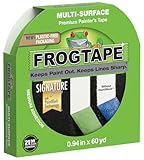
I’ve experimented with dozens of rolls over the years, and the results are consistently in favor of dedicated painter’s tape. There are many brands and types, and some are definitely better than others. I’ve had fantastic results with 3M’s blue painter’s tape and FrogTape, especially the yellow FrogTape for more demanding applications.
Even a decent off-brand blue tape is usually a better investment for clean lines than any masking tape I’ve encountered. The initial cost might seem higher per roll, but when you factor in the time saved on touch-ups and the vastly superior finish, it’s a no-brainer. The question of does masking tape work like painters tape should really be reframed as ‘when is masking tape acceptable, and when is it a guaranteed mistake?’
Here’s a quick rundown:
| Scenario | Best Choice | Verdict |
|---|---|---|
| Creating sharp paint lines (walls, trim, furniture) | Painter’s Tape (Blue, Green, Purple for delicate) | Key. Masking tape will bleed. |
| Protecting large areas from general overspray | Masking Tape or Plastic Sheeting | Masking tape can work, but plastic is often better. |
| Securing drop cloths or temporary holding | Masking Tape or General Purpose Tape | Masking tape is fine here. |
| Painting over delicate or freshly painted surfaces | Delicate Surface Painter’s Tape (Purple/White) | Absolutely required. Masking tape will ruin the finish. |
| Craft projects requiring clean lines | Painter’s Tape (often a thinner width) | Painter’s tape is superior for control and removal. |
Can I Use Masking Tape for Art Projects?
For general art projects where you’re not concerned about super-sharp lines or potential paint bleed, masking tape can work. It’s useful for holding down paper or creating broad masked-off areas. However, if you’re attempting detailed line work or using mediums that tend to bleed, painter’s tape is a much safer bet. It offers better adhesion control and cleaner removal, preventing your artwork from being unintentionally marred.
What’s the Difference Between Blue and Green Painter’s Tape?
The main difference lies in the adhesive strength and backing formulation. Blue painter’s tape is generally considered a medium-adhesion tape, good for most surfaces and providing clean lines. Green painter’s tape (often from brands like Scotch or FrogTape) can have slightly stronger adhesion or a more advanced sealing technology designed for harder-to-mask surfaces or longer paint jobs, sometimes offering even sharper lines. Always check the product description for your specific needs.
Will Masking Tape Leave Residue?
Yes, masking tape is quite likely to leave residue, especially if left on a surface for an extended period, exposed to heat, or applied to a delicate finish. The natural rubber-based adhesive can become gummy and difficult to remove, often requiring solvents or a lot of scrubbing. Painter’s tape, particularly the lower-tack varieties, is specifically designed to minimize or eliminate residue upon removal.
Is Painter’s Tape Worth the Extra Cost?
Absolutely, if you care about the quality of your paint job. The cost difference between a roll of masking tape and a roll of decent painter’s tape is usually minimal in the grand scheme of a painting project. However, the time and frustration saved by avoiding paint bleed, torn paint, and residue are immense. For any application where clean lines are important, painter’s tape is a necessary investment that pays off in a professional-looking finish.
Can I Use Painter’s Tape on Wallpaper?
Yes, but you must use delicate surface painter’s tape (usually purple or white). These tapes have a very low tack adhesive specifically designed not to damage wallpaper or other delicate surfaces. Regular blue or green painter’s tape could potentially lift or tear wallpaper. Always test in an inconspicuous area first if you’re unsure about the wallpaper’s adhesion.
Verdict
So, to circle back to the original question: does masking tape work like painters tape? If you’re aiming for sharp lines and a professional finish on a paint job, the answer is a resounding no. Masking tape is a jack-of-all-trades, master of none when it comes to delicate surface protection. It’s for broad strokes, not fine detail.
Painter’s tape, with its specialized backing and carefully formulated adhesive, is the real deal for anyone who wants to avoid touch-up work and achieve crisp, clean paint lines. It’s an investment in a better outcome and less headache. Don’t let the similar appearance fool you into a costly mistake.
Next time you’re staring at those paint cans and rolls of tape, remember the fuzzy edges and the hours of regret. Grab the blue or green roll. Your walls (and your sanity) will thank you.