I remember the first time I tried to mask off my old Civic for a quick touch-up. I grabbed the cheapest painter’s tape I could find at the hardware store, thinking, ‘Tape is tape, right?’ Wrong. So, so wrong. The result? A mess of peeled clear coat and a knot in my stomach. It made me seriously question: does painters tape damage car paint? After years of fumbling with different tapes and learning the hard way, I’ve got some blunt truths for you.
This isn’t about fancy corporate jargon or marketing fluff. This is about saving your paint job and your sanity. We’re going to cut through the noise and get to what actually matters when you’re using painter’s tape anywhere near your car.
Why That Blue Tape Might Be Screwing Up Your Paint
Okay, let’s get straight to it: can regular blue painter’s tape, the kind you use for house trim, actually mess with your car’s paint? The short answer is a resounding ‘yes, it absolutely can,’ but it’s not always a guarantee of disaster. It depends on a bunch of factors, and frankly, most people are using the wrong stuff and then blaming the tape. I’ve seen it a million times. Someone uses that cheap, generic blue tape, leaves it on for two days in the sun, and then rips it off to find a faint outline or worse, a dull patch where the paint just looks… sad.
The adhesive on standard painter’s tape is designed for porous surfaces like drywall and wood. It’s got a decent grip, but it’s not formulated with the delicate layers of automotive clear coat in mind. When you apply it to a car, especially a car that’s seen some sun and heat, that adhesive can start to break down or become incredibly tenacious. The heat from the sun bakes the adhesive onto the paint.
Then, when you pull it off, instead of a clean line, you’re ripping off tiny bits of clear coat along with it. Or, if the paint is already compromised – say, with a previous cheap repaint or if it’s just getting old and brittle – the tape can literally lift the paint right off. I once tried to mask off a fender flare on a friend’s truck that had a questionable rattle-can job. Pulling off that tape took off a whole section of the ‘paint’ with it.
It looked like a bad jigsaw puzzle.
The real danger isn’t just the adhesive itself, but also how it interacts with temperature. Leaving tape on a hot car is like putting glue on a hot griddle – it gets stickier and more aggressive. If you’re doing any kind of masking for touch-ups or protection, especially if you’re working outside, you’re playing with fire using the wrong tape. It’s not about being overly cautious; it’s about understanding the materials and avoiding costly mistakes. Many people think that because it’s ‘painter’s tape,’ it’s safe for painted surfaces. It’s a dangerous assumption when it comes to your car.
The Right Stuff: What to Look for (and What to Avoid)
So, if not the blue stuff from the hardware aisle, what should you be reaching for? This is where things get specific, and honestly, a bit pricier, but trust me, it’s worth every extra dollar.
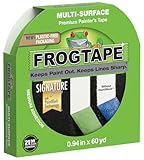
For automotive work, you need tape specifically designed for cars. The big players in this game are brands like 3M and FrogTape, but even then, you need to know which of their products to grab. I’ve personally found the 3M Automotive Masking Tapes to be the most reliable.
They have a range, but their ‘green’ or ‘blue’ automotive-specific tapes are what you want. They have a much more controlled tack level – meaning the stickiness – and are designed to come off cleanly without leaving residue or damaging paint, even after a few days in moderate conditions.
What makes them different? They use a special rubber-based adhesive that is designed to bond well to paint without becoming a permanent fixture. They also have a higher resistance to solvents found in automotive paints and coatings, which is something your cheap hardware store tape definitely doesn’t account for. Plus, many automotive tapes have a ‘crepe’ paper backing that’s treated to be more resistant to bleed-through from paints and solvents, meaning you get sharper lines. I’ve tried the cheaper ‘automotive’ tapes from no-name brands, and let me tell you, they’re often just rebranded house tape with a higher price tag. Stick to reputable automotive brands.
Here’s a quick rundown of what to look for:
| Feature | Good for Cars | Not Ideal for Cars | My Verdict |
|---|---|---|---|
| Adhesive Type | Rubber-based, controlled tack | General purpose, high tack | Controlled tack is key to clean removal. |
| Temperature Resistance | Moderate to high (especially for sun exposure) | Low | Heat is the enemy of cheap tape adhesive. |
| Solvent Resistance | High | Low | Automotive paints can be harsh. |
| Backing Material | Treated crepe paper, resists bleed-through | Standard paper, can absorb paint | Sharp lines depend on the backing. |
| Brand Reputation | 3M Automotive, FrogTape (check product line) | Generic hardware store brands, no-name online | Reputation often means tested performance. |
When in doubt, always check the product description or packaging. If it doesn’t explicitly say ‘automotive’ or ‘for car paint,’ assume it’s not the right choice. I learned this the hard way with a can of spray paint and a roll of beige masking tape that I thought would be fine for a quick trim piece. Big mistake. (See Also: Does Painters Tape Pull Off Paint )
Common Mistakes That Lead to Paint Damage
Beyond just grabbing the wrong type of tape, there are a handful of other mistakes that people make that can turn a simple masking job into a paint-damaging disaster. One of the biggest sins is leaving the tape on for too long, especially in direct sunlight. As I mentioned, heat makes that adhesive a real problem.
I’ve heard stories of people masking for a multi-day project, forgetting about the car parked outside, and then coming back to find the tape practically fused to the paint. If you’re doing a long project, you need to plan your masking and removal around the sun and heat.
If you absolutely have to leave it on for more than 24 hours, at least try to keep the car in a shaded, cooler spot.
Another common blunder is the ‘ripping it off fast’ technique. Imagine ripping off a stubborn band-aid. You just yank it. That’s a recipe for disaster on car paint. You need to remove tape slowly, at a low angle, pulling it back on itself. Think of it like peeling a sticker off a new guitar – gentle and controlled. If you feel significant resistance, stop. Try to ease it off from a different angle, or use a plastic trim tool to gently help lift an edge if it’s really stuck. Never, ever use a metal razor blade or anything sharp to try and cut the tape off the paint; you’ll just be cutting your paint.
People also tend to over-mask. They tape off way more than necessary, creating too many edges and potential points of failure. You want to mask just enough to protect the areas you’re not working on.
Too much tape means more surface area for potential problems, and it can create weird pressure points if you’re spraying. Also, don’t stretch the tape too tight.
While it might seem like a good way to get a super-sharp line, stretching it can make it more prone to lifting or snapping during removal. Let it sit on the surface naturally. And a final, often overlooked, mistake: not cleaning the surface properly before applying the tape.
If there’s dirt, grime, or wax on the paint where the tape is going, it can get trapped under the tape and cause issues, or the tape just won’t adhere properly, leading to paint bleed.
When Does Painters Tape Damage Car Paint? Real-World Use Cases
So, when exactly does painters tape damage car paint in the real world? It’s not just about if you use it, but how and why. The most common scenario where I’ve seen it cause problems is during DIY touch-up paint jobs. You’re trying to mask off a scratch or a small ding, and you use tape to create a clean line for your spray or brush.
If you use the wrong tape, leave it on too long, or pull it off incorrectly, you can end up with a faded line, a subtle halo effect, or even lift the surrounding paint. I once tried to mask off a small rock chip on my hood.
I used some generic blue tape for about 12 hours, and when I pulled it off, it created a slightly duller patch about half an inch wide all around the chip. It looked worse than the chip itself.
It took a lot of polishing to even it out. (See Also: Does Painters Tape Rip Paint Off Walls )
Another common use is protecting trim or emblems during a polish or wax. While generally safer here because you’re not dealing with solvents or new paint, the risk is still residue. Cheap tape can leave that gummy, sticky mess that’s a pain to get off, and sometimes, if the trim is old or brittle, the adhesive can pull off a bit of its finish. I’ve also seen people use it to temporarily cover up a damaged area they plan to fix later. That’s a risky game. The tape can hide the damage, but it can also exacerbate it if the adhesive pulls at loose paint or rust.
Protection during transport or storage is another area. If you’re taping off parts of your car to prevent scratches during a move, or to protect a specific panel, the same rules apply.
Heat, time, and aggressive adhesives are your enemies. I had a friend who taped off his entire front bumper before a long road trip to protect it from bugs. He used what he thought was decent quality tape. By the time he got to his destination, the tape had baked on, and when he peeled it off, it took a significant amount of clear coat with it.
The entire bumper had to be repainted. That’s a costly lesson on why automotive-specific tape is a must for these kinds of jobs. The question ‘does painters tape damage car paint’ really boils down to choosing the right tool for the job and respecting the materials you’re working with.
How Long Can You Leave Painter’s Tape on a Car?
For standard blue painter’s tape, I’d say no more than 24 hours, and preferably in cooler, shaded conditions. For actual automotive masking tape, you can often get away with 2-3 days, but always check the product’s specifications. If it’s hot or sunny, it’s always best to remove it sooner rather than later. Heat is the biggest enemy of automotive tape adhesion.
Can Masking Tape Ruin Car Paint?
Yes, it absolutely can. Cheap, generic masking tape, especially if left on for extended periods or exposed to heat, can leave residue, dull the paint, or even lift the clear coat. Automotive-specific tapes are designed to minimize these risks, but improper application or removal can still cause damage.
What Kind of Tape Is Safe for Car Paint?
You need to use tape specifically labeled for automotive use. Brands like 3M and FrogTape offer lines of automotive masking tapes. These tapes have a controlled adhesive tack and are formulated to remove cleanly without damaging car paint or leaving residue, even after a few days.
Can You Tape Over Clear Coat?
Yes, you can tape over clear coat, but you need to be cautious. The clear coat is the outermost protective layer of your car’s paint. Using the wrong type of tape or removing it aggressively can damage or lift the clear coat. Always use automotive-grade tape and remove it slowly and carefully.
Practical Tips for Using Tape Without Destroying Your Paint
Alright, you’ve got the right tape, you understand the risks. Now, how do you actually use it without turning your car into a patchwork quilt of damage? First things first: prep the surface. Even if you’re just masking for a quick spray, clean the area around where the tape will go with a good quality automotive surface prep spray or isopropyl alcohol. This removes any wax, grease, or dirt that could interfere with adhesion or get trapped under the tape. A clean surface means better adhesion and cleaner lines.
When applying the tape, start by pressing down one edge firmly, then slowly lay down the rest of the tape, smoothing it as you go. Avoid stretching the tape. If you need a really tight line, you might consider a technique called ‘masking with tape and a line tool’ where you use a fine pinstripe brush or a specialized masking tool to create a razor-sharp edge, but for most DIY jobs, just applying it carefully is enough. Press down the edges firmly with your fingernail or a plastic squeegee to make sure a good seal. This prevents paint from seeping underneath. Think of it like sealing an envelope – you want a good, solid edge.
When it comes time to remove the tape, do it slowly and at a shallow angle, pulling the tape back on itself, away from the painted area. If you’re painting, try to remove the tape while the paint is still slightly tacky, not fully cured. This often helps create a cleaner break. However, if you’re just masking for protection or polishing, you might need to wait for paint to dry.
The key is to listen to the tape. If it feels like it’s sticking too hard, ease up, try a different angle, or gently warm the tape very slightly with a heat gun on its lowest setting (and I mean very slightly – think warm, not hot) to soften the adhesive before pulling. (See Also: Does Masking Tape Work The Same As Painters Tape )
Be extremely careful with heat guns; they can melt paint if used improperly. I’ve found a hairdryer on a medium setting is often safer for DIYers. After removal, inspect the area for any residue. A quick wipe with a solvent-based adhesive remover, specifically designed for automotive use, should take care of any leftover gunk.
The Contrarian View: When Cheap Tape might Be Okay
Now, before you go throwing out all your hardware store blue tape, let me offer a bit of a contrarian take. Everyone says you must use expensive automotive tape, and for good reason – it’s the safest bet.
But is it always necessary? I disagree, slightly. There are specific, very limited situations where cheap blue painter’s tape might be okay, provided you’re incredibly careful and understand the risks.
I’m talking about masking off a small, temporary area that won’t be exposed to heat or direct sun, and where the paint is in excellent condition and not brittle or old. For example, if I’m doing a super quick, 1-hour masking job in my garage to protect a door sill from a smudge while I’m cleaning the interior, and the garage is cool, I might risk it with a decent quality blue tape. The key here is ‘super quick’ and ‘no heat or sun’.
The reason I still advise against it for most people is that the line between ‘okay’ and ‘disaster’ is incredibly thin. Most people don’t have a temperature-controlled, sun-free garage readily available. They’re doing this outside, or in a warm driveway. Plus, ‘decent quality blue tape’ is still a gamble compared to purpose-built automotive tape.
The ‘risk’ is so low with automotive tape – it’s designed for this. The ‘reward’ of using cheap tape is minimal, usually just saving a few bucks. So, while technically possible in a perfect storm of conditions, the potential for costly paint damage makes it a gamble I generally advise against.
My friend who repainted his bumper after using tape for transport? He’d probably tell you to burn every roll of hardware store tape you own.
And honestly, he’s not far off.
Final Verdict
So, does painters tape damage car paint? The short answer is yes, it absolutely can, and often does, especially if you’re using the wrong kind or being careless. Cheap hardware store tape is a minefield waiting to happen, and the few dollars you save upfront can cost you hundreds, or even thousands, in repainting.
Always invest in automotive-specific masking tape. It’s designed for the job, handles heat better, and has an adhesive that’s formulated to be removed cleanly from automotive finishes. Pay attention to how long you leave it on, and always remove it slowly and carefully. Your car’s paint is a delicate thing, and it deserves the right tools.
Next time you’re thinking about masking off your car for a project, remember this. Choose wisely, apply with care, and remove with patience. Your paint job will thank you, and you’ll avoid that sinking feeling I got on my old Civic.