I swear, the last time I tried to paint a room without decent tape, it looked like a toddler had a go at it with a crayon. Edges were wavy, paint bled under everything, and my carefully chosen accent wall turned into a muddy mess. It made me wonder, in my constant quest for affordable tools and supplies, does Harbor Freight have painters tape that won’t make me want to throw my roller out the window?
Honestly, Harbor Freight is hit or miss. You can find absolute gold for pennies, or you can end up with something that feels like it was made from recycled chewing gum. So, when it comes to something as seemingly simple as painter’s tape, you’ve gotta ask the right questions.
The Lowdown: Harbor Freight’s Painter’s Tape Options
Let’s cut to the chase. Yes, Harbor Freight does sell painter’s tape. You’ll usually find it under their house brands like ‘HERCULES’ or sometimes unbranded, tucked away near the masking tape and general adhesives.
They typically offer a few variations, usually distinguished by color and intended use – think standard blue, sometimes a delicate surface purple or green, and occasionally a general-purpose masking tape that people try to pass off as painter’s tape. The price point is almost always significantly lower than what you’d pay at a big box hardware store. This is the main draw, right? You can grab a few rolls for the price of one premium roll elsewhere.
But here’s the kicker: low price doesn’t automatically mean good value if the tape fails spectacularly mid-job, leaving you with more scraping and repainting than you bargained for.
I’ve personally bought their blue painter’s tape a couple of times, usually when I was already at the store picking up some random socket set or a new tarp. My expectation was never professional-grade, but I figured for masking off some trim or a simple doorway, it would do.
The first time, it performed… adequately. It stuck well enough, and I didn’t have major bleed-through on a semi-gloss latex paint. The second time, however, was a different story.
I was painting a slightly textured wall, and the tape seemed to lose its adhesion halfway through. Little gaps appeared, and by the time I pulled it off, I had a fine feathered edge that I definitely didn’t want. It wasn’t a disaster, but it was enough to make me think twice about relying on it for anything where sharp lines were most important.
This is where the ‘you get what you pay for’ adage really hits home. If you’re just covering up some old shelving or doing a quick touch-up where perfection isn’t the goal, it might save you a few bucks. But for a whole room with intricate trim or delicate surfaces, I’d be hesitant.
The ‘delicate surface’ tapes they sometimes carry are usually a bit better, offering less aggressive adhesion, which is great if you’re painting over wallpaper or recently painted walls that might peel. However, even these can be inconsistent. I recall one instance where I used their purple tape on a freshly painted (but fully cured) wall, and it still pulled up a tiny bit of paint.
It wasn’t a huge issue, but it was a reminder that ‘delicate’ is a relative term, and even the cheaper options can cause headaches. The availability can also be a bit sporadic. Sometimes they have a decent selection, and other times it’s bare shelves. So, if you’re on a mission, calling ahead might be a good idea, though I doubt their staff will have detailed insights into the adhesive properties of their masking supplies.
What to Look for (and What to Avoid)
When you’re staring down the tape aisle at Harbor Freight, or frankly anywhere, what separates the good from the truly awful? It’s all about the adhesive, the backing material, and how they interact with your paint and surfaces. For painter’s tape, you want something that sticks firmly enough to create a seal against paint, but not so aggressively that it rips off the surface you’re trying to protect when you remove it. This is the holy grail, and often, the price reflects this delicate balance. Harbor Freight’s tapes often lean too far towards the ‘aggressive’ side for removal or the ‘barely there’ side for adhesion, depending on the batch and the specific product.
The most common types you’ll see are blue, green, and purple. Blue tape is generally the workhorse – good for most interior walls with latex or acrylic paints. It’s designed to adhere well and remove cleanly within a specific timeframe, usually 24 hours. However, some cheaper blues can be overly sticky, leading to paint peeling upon removal, or they can have weak adhesion, allowing paint bleed. Green tape is often marketed for exterior use or for longer masking times, meaning it has a stronger adhesive but can still be removed cleanly. Purple tape is typically the ‘delicate surface’ option, designed for freshly painted walls, wallpaper, or wood trim that might be easily damaged. The adhesive is much weaker here. (See Also: Does Painters Tape Pull Off Paint )
Here’s my personal verdict on Harbor Freight’s offerings, based on my… experiences:
| Harbor Freight Tape Type (Commonly Seen) | My Experience/Verdict | Best For | When to Avoid |
|---|---|---|---|
| Standard Blue | Hit or miss. Sometimes works fine, other times bleeds or pulls paint. Aggressive adhesive. | Quick touch-ups, non-important masking, rough surfaces. | Sharp lines, delicate surfaces, extended masking. |
| Purple / Green (‘Delicate Surface’) | Slightly better on delicate surfaces, but still can be inconsistent. Adhesion can be weak. | Trying to avoid paint pull on slightly questionable surfaces. | Surfaces where a perfect seal is absolutely necessary, or if you need it to hold for days. |
| Generic Masking Tape (often mistaken for painter’s tape) | Absolute NO. Sticky, leaves residue, bleeds like crazy. Made for packing boxes, not painting. | Closing boxes. That’s it. | Anything involving paint. Seriously. |
The biggest red flag with any tape, especially at a budget retailer, is if it feels flimsy or if the adhesive looks unevenly distributed on the roll. If the backing is too thin, it’s more prone to tearing when you pull it. Also, check the expiration date if one is visible – adhesives can degrade over time. While Harbor Freight often doesn’t have the most detailed labeling, looking for terms like ‘clean removal’ or ‘for painted surfaces’ is a good start, though I’ve learned not to take those claims at face value.
Common Mistakes When Using (and Buying) Cheap Tape
One of the most common mistakes people make, especially when they’re trying to save a buck at a place like Harbor Freight, is assuming all painter’s tape is created equal. You grab the cheapest blue roll and slap it on. Boom. Then you wonder why the paint bled, or worse, why it’s peeled off a chunk of your wall when you removed it. This usually happens because the adhesive on the cheaper tape isn’t formulated for a clean release. It’s designed to stick, and that’s it. Over time, or when exposed to temperature changes, that adhesive can become one with your paint job.
Another massive blunder is leaving the tape on for too long. Most standard painter’s tapes are designed for clean removal within 24 hours, sometimes a bit longer for specific types. If you leave it on for days, especially in humid conditions or if you’ve applied thick coats of paint, the adhesive can cure and bond aggressively to the surface.
When you pull it off, you’re basically ripping off paint. I’ve learned this the hard way. I once left tape on a window frame for a week while I worked on other parts of the room, only to have it tear the semi-gloss paint right off when I finally went to remove it. My beautiful crisp line turned into a jagged, paint-chipped nightmare that required extensive touch-up.
So, patience and timely removal are key, regardless of the tape’s price tag.
Over-pressing the tape is also a sneaky mistake. While you want a good seal, if you run your fingernail or a putty knife too hard along the edge, you can actually push the adhesive into microscopic crevices in the wall or trim. This makes it harder for the tape to release cleanly and can also push paint under the edge if you’re not careful. My advice? A firm but gentle press is all you need. Use your finger or a soft cloth. Save the aggressive scraping for removing old wallpaper.
Finally, people often buy the wrong type of tape for the job. They’ll use standard blue tape on delicate surfaces or wallpaper, or they’ll use a delicate surface tape on rough or unfinished wood where it simply won’t adhere properly. Harbor Freight’s selection can be limited, which forces this compromise. If you only have access to a few options, understanding the trade-offs is vital. Don’t expect miracles when you’re forcing a square peg into a round hole. It’s like using a butter knife to chop steak – it might technically be a knife, but it’s the wrong tool for the job and you’ll regret it.
Real-World Use: When Does Harbor Freight Tape Actually Work?
Okay, so does Harbor Freight have painters tape that’s actually good? The answer is a qualified ‘sometimes,’ and it heavily depends on your project and your definition of ‘good.’ I’ve found their tape is passable for tasks where absolute razor-sharp lines aren’t the be-all and end-all. For instance, if I’m painting the inside of a closet, or marking off a large area on a drop cloth before I start cutting something, it’s fine. The price is so low that even if it doesn’t perform perfectly, the cost of a little touch-up isn’t a big deal.
I’ve also had decent results when using it on surfaces that aren’t perfectly smooth. Think slightly textured drywall, or even some types of painted wood trim where imperfections are already present.
In these cases, the slight imperfections in the tape’s seal aren’t as noticeable. The key is to manage your expectations.
If you’re painting a rental unit and just need to cover up some scuffs with a different color and don’t need gallery-wall perfection, Harbor Freight tape might be your budget hero. I used some of their blue tape on an old, somewhat chalky shed I was painting a utilitarian gray, and it held up reasonably well. It didn’t leave a horrible residue, and while there was a little bleed, it was easily scraped off the weathered wood. (See Also: Does Painters Tape Rip Paint Off Walls )
Another scenario where it can work is when you’re using a paint that isn’t prone to bleeding, like a thicker, oil-based enamel. These paints tend to have a higher viscosity and don’t seep under tape edges as easily as thin latex paints.
I’ve used their tape with some oil-based exterior paints, and the results were surprisingly clean. However, I’d still recommend testing a small area first. Also, if you plan on removing the tape immediately after painting, while the paint is still wet, the risk of bleed-through is reduced, and the risk of paint peeling is also lower. This is a gamble, though, as wet paint can smudge.
It’s a technique that requires a steady hand and a lot of practice.
The biggest success I’ve had with their tape was when I was masking off a large section of wall to create a horizontal stripe. I wasn’t dealing with intricate trim, just a straight line across the wall. I applied the tape carefully, pressed it down firmly with a clean cloth, and then immediately applied the second color of paint. I pulled the tape while the second color was still wet.
In that specific instance, with a forgiving surface and immediate removal, the result was pretty clean. It’s not the kind of situation where you’d naturally reach for premium tape unless you have money to burn, making it a good candidate for budget supplies. So, while I wouldn’t use it for a high-end kitchen cabinet refinish, for broader, less demanding masking jobs, it can indeed get the job done.
Practical Tips for Using Budget Painter’s Tape
Alright, so you’ve decided to give Harbor Freight’s painter’s tape a shot, or maybe you’re stuck with it. Don’t despair! There are ways to mitigate its shortcomings and still get a decent result. First off, always, always, always test it.
Before you commit to masking an entire room, grab a small piece of the tape and stick it to a hidden area of the surface you’ll be painting – an inconspicuous spot inside a closet, behind a piece of furniture, or on a scrap piece of the same material. Leave it on for the duration you expect to keep it on during your project, then remove it.
Check for paint pull and see how well it adhered. This simple step can save you a world of pain and rework.
Second, when applying the tape, take your time. Don’t just slap it on. Run your finger along the edge to make sure good contact. For important lines, consider using a thin putty knife or a credit card to press down the edge firmly. This creates a better seal and reduces the chances of paint seeping underneath. If you’re using their standard blue tape, try to keep your painting sessions to under 24 hours. If you need to mask for longer, you might be better off investing in a higher-quality tape designed for extended use, or at least checking the tape frequently for any signs of lifting or bonding too strongly.
Third, be prepared to do some touch-up work. Even with the best painter’s tape, a tiny bit of bleed can happen. With budget tape, it’s almost guaranteed. Have a small brush and some of your original paint color on hand. Once you remove the tape, inspect your lines closely. If you see any minor imperfections, a quick dab of paint with a fine artist’s brush can clean up those edges beautifully. This is far easier than trying to fix large areas of paint bleed or peeling.
Fourth, consider using a paint and primer in one if you’re painting over a darker color or a tricky surface. This can reduce the number of coats needed, meaning less drying time and less opportunity for the tape to cause problems. Also, if you’re painting a wall that’s been previously painted with a high-gloss finish, even good painter’s tape can sometimes lift it. For these situations, a delicate surface tape is a must, and even then, be extra gentle. Harbor Freight’s delicate surface options are worth a try if you’re in a pinch, but again, test first.
Finally, and this is a contrarian opinion for some, but hear me out: If you are doing a professional job, or a job where the finish must be perfect and you have the budget, just buy good quality tape. I know it’s tempting to save $10 on tape when you’re spending hundreds on paint and supplies, but that $10 can easily turn into $50 in wasted time and materials if the cheap tape fails. I’ve seen too many DIYers (and even a few so-called pros) cut corners on tape and then spend hours fixing the mess. It’s often the most overlooked supply, but it can make or break your entire paint job. (See Also: Does Masking Tape Work The Same As Painters Tape )
The Faq: Your Burning Questions Answered
Can I Use Regular Masking Tape Instead of Painter’s Tape?
Absolutely not, unless you enjoy peeling off paint and leaving a sticky residue behind. Regular masking tape is designed for packaging and general workshop use. Its adhesive is far too aggressive for painted surfaces and it doesn’t have the properties needed for clean removal or sharp lines. You’ll regret it instantly.
How Long Can I Leave Painter’s Tape on a Wall?
For most standard blue painter’s tape, aim to remove it within 24 hours of application, ideally while the paint is still slightly wet or at least not fully cured. Leaving it on longer, especially for several days or weeks, allows the adhesive to bond more permanently, increasing the risk of paint peeling upon removal. Always check the manufacturer’s recommendations if available, but err on the side of caution with budget tapes.
Will Harbor Freight’s Painter’s Tape Damage My Walls?
It’s possible, especially if you have delicate surfaces like old wallpaper, freshly painted walls, or certain types of trim. Harbor Freight’s standard blue tape can have a strong adhesive that, when removed, might pull off loose paint or paper. Their ‘delicate surface’ options are designed to minimize this risk, but they are not foolproof. Always test in an inconspicuous area first to gauge adhesion and removal behavior before committing to large sections.
Is It Worth Buying Painter’s Tape From Harbor Freight?
It depends entirely on your project and your tolerance for risk. If you’re doing a casual DIY project where minor imperfections are acceptable, and you’re prepared to do a little touch-up, then yes, it can be a cost-effective option. However, for professional finishes, delicate surfaces, or projects where clean lines are most important, the savings might not be worth the potential hassle and rework. It’s a gamble you take with budget supplies.
When All Else Fails: The Premium Alternative
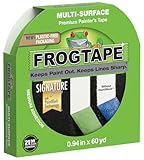
Look, I’m all about saving a buck. I’ve spent countless hours scouring Harbor Freight, Craigslist, and the clearance aisles for deals. But there are some things where the cheapest option just isn’t worth the headache. Painter’s tape, especially for anything more than a quick, rough masking job, is one of them. Brands like 3M (ScotchBlue is their painter’s tape line) or FrogTape are significantly more expensive, yes. A roll of good blue tape can cost $8-$15, compared to maybe $2-$4 at Harbor Freight. That’s a big difference per roll. But here’s why it’s often worth it:
First, consistency. Premium brands have rigorous quality control. You know that the adhesive is formulated for a clean, sharp line and a clean removal. You’re not going to get a batch that’s too sticky or not sticky enough. They also offer specific formulations – for delicate surfaces, exterior use, long-term masking – that are generally reliable. I remember painting a nursery, and I used ScotchBlue on the trim. The paint was a satin finish, and I pulled the tape the next day. Absolutely zero bleed, zero peeling. It was a perfect, crisp line that made the whole room look professionally done. That feeling of satisfaction is worth the extra cash.
Second, the time savings. Think about how much time you’ll spend scraping paint, touching up bleed-through, or even repainting a section if the tape pulls off paint. That time adds up quickly. What you save in money on tape, you can easily lose in hours of painstaking cleanup. For me, that time is better spent on other aspects of the project or, you know, relaxing. The peace of mind that comes with knowing your tape isn’t going to sabotage your hard work is also a huge factor. It allows you to focus on applying paint evenly and efficiently, rather than constantly worrying about tape failure.
So, while the question of ‘does Harbor Freight have painters tape’ is answerable with a ‘yes,’ the more important question is ‘should you buy it?’ For me, the answer is usually no, unless I have zero other options and the project is very low stakes. It’s a calculated risk, and frankly, most of the time, it’s a risk that doesn’t pay off in the long run. I’ve learned to budget for decent tape as a a must part of any painting project, just like I budget for decent brushes and rollers. It’s an investment in a good outcome.
Final Thoughts
So, to finally answer the burning question: does Harbor Freight have painters tape? Yes, they do. You’ll find a few options, usually under their house brands, at prices that are hard to beat. However, my experience has shown that while it can work for very basic, low-stakes masking jobs, it’s often inconsistent and carries a higher risk of bleed-through or paint damage upon removal.
If you’re painting a shed, a closet, or just need to cover something up where perfection isn’t the goal, Harbor Freight’s tape might save you a few dollars. But if you’re aiming for crisp lines, painting delicate surfaces, or simply value your time and sanity, I strongly recommend investing in quality painter’s tape from a reputable brand. The small premium you pay upfront can save you a significant amount of rework and frustration down the line.
Ultimately, for the best results and peace of mind on your next paint job, consider does Harbor Freight have painters tape the fallback option, not your primary choice.