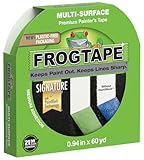
I’ve seen some truly bizarre hacks in my day, and honestly, most of them are just that: bizarre. The internet is a wild place, full of people trying to fix things with duct tape and prayers. So when the question of ‘can you use painters tape on phone wires’ popped into my head after a particularly frustrating cable management session, I felt that familiar pang of skepticism. Is this another one of those ‘genius’ ideas that’ll fry your router or, worse, just look like absolute garbage? Let’s just say my initial reaction was less ‘Eureka!’ and more ‘Oh, brother.’
For years, I’ve been down the rabbit hole of smart home tech, constantly wrestling with a spaghetti monster of cables. You name it, I’ve probably tried it to keep them organized and out of sight. Some things worked, many spectacularly failed. This particular query isn’t about major electrical work, but about those smaller, everyday organizational challenges we all face. So, what’s the real deal with using painter’s tape on your phone lines and other low-voltage wiring?
Why Anyone Would Even Ask About Painters Tape on Phone Wires
Look, I get it. You’ve got a bundle of cables – maybe your internet modem’s power cord, an Ethernet cable snaking across the floor, or even the cord for your landline phone (if you’re old school like me and still have one). It’s a mess. You need to tame it. You reach for the most common, readily available tool for sticking things together temporarily without leaving a permanent mark: painters tape. It’s blue, it’s cheap, and it’s supposed to come off clean, right? That’s the magic promise.
The core appeal is simple: painters tape is designed to stick to surfaces like walls and trim during painting and then peel off without damaging the paint or leaving residue. This makes it seem like a perfect candidate for temporarily bundling or labeling cables.
Who wants to use those industrial-strength zip ties that dig into the insulation, or those Velcro straps that cost a fortune? Painters tape feels like the quick, dirty, and cheap solution. It’s the kind of thing you’d grab when you’re trying to get a temporary setup working right now and don’t want to make a permanent commitment.
Think about it: you’re setting up a temporary office, or maybe you’re testing out a new network configuration and need to keep track of which cable goes where. Painters tape seems like the obvious, no-brainer choice.
I remember a time a few years back when I was setting up a home theater system. It involved running about ten different cables – HDMI, optical audio, speaker wires, power cords – all from behind the TV to various devices.
It was a nightmare. I needed to keep them bundled while I figured out the final placement and ran them through conduits. I had a roll of standard blue painters tape sitting right there.
My first instinct, after a brief internal debate, was to just wrap strips of it around the bundles. It worked, visually, for about an hour. Then, as the cables shifted, the tape started to peel.
It looked terrible and frankly, felt a bit… amateurish. That was my first real-world test, and it was a bit of a flop for anything beyond a few minutes.
The common advice you’ll find online often skips over the nuance. You’ll see DIY tutorials using it for everything from labeling tool handles to securing temporary signs. And for those uses, it’s often perfectly fine. But phone wires and network cables are a bit different. They aren’t just passive objects; they carry signals, and they can be sensitive to environmental factors. This leads us to the real question: what are the actual mechanics involved, and where does painters tape fall short, or surprisingly, succeed?
The Science (or Lack Thereof) Behind It
Okay, let’s get real. We’re not talking about rocket science here, but there are some basic principles at play. Painters tape, typically made of paper with an acrylic adhesive, is formulated for low-tack adhesion and easy removal. The adhesive is designed to break down or release cleanly when pulled away at a specific angle, usually a low one.
This is why it doesn’t usually pull off paint. Phone wires and most low-voltage electronics cables, like Ethernet or USB, are insulated with plastics like PVC or polyethylene. These materials are generally pretty solid and aren’t easily damaged by gentle adhesion.
So, at a fundamental level, applying painters tape to the insulation of a phone wire isn’t going to instantly melt it or cause a short circuit.
The real issue isn’t usually damage to the cable itself, but rather the effectiveness and long-term suitability of painters tape for this specific job. Think about the conditions these cables are often in.
They might be routed along baseboards, behind furniture, or even occasionally tucked into tight spaces. They get nudged, pulled, and sometimes even sat on. Painters tape, with its low tack, isn’t built for this kind of constant physical stress. It’s designed for a stationary surface like a wall for a few days, maybe a week at most.
After that, its adhesive starts to degrade, especially if exposed to temperature fluctuations or humidity. I’ve pulled off painters tape that’s been on a wall for a month, and it’s left faint gummy residue or even started to tear the paint. (See Also: Does Painters Tape Pull Off Paint )
Imagine that happening to your cables; it’s not ideal.
Furthermore, the ‘clean removal’ promise of painters tape is often contingent on the surface it’s applied to and how long it’s been there. While the cable insulation is forgiving, the adhesive itself can become brittle or sticky over time.
If you’ve ever tried to remove painters tape that’s been stuck to a metal object for a long time, you know it can leave behind a sticky, almost impossible-to-remove goo. This is the stuff that really makes me pause. When I tried that temporary bundling experiment with my home theater cables, the tape started to sag and looked like it was sweating after a couple of days.
It was an eyesore and I worried it would eventually leave a residue on the cable jackets, which would attract dust and look even worse.
The common advice often overlooks the practicalities of real-world cable management. It’s not just about whether the tape will stick; it’s about whether it will hold, look decent, and come off cleanly when you actually need it to. For a quick, temporary fix – say, labeling one cable during a troubleshooting session for an hour – it might be fine. But for any kind of semi-permanent or long-term bundling or organization, you’re asking a product to do a job it was never designed for, and the results are likely to be frustrating. This is where many people make a mistake: they assume ‘temporary adhesive’ means ‘good for any temporary application,’ which just isn’t true.
When Painters Tape Actually might Work (and When It Absolutely Won’t)
So, let’s cut to the chase. Can you use painters tape on phone wires? Yes, technically, you can. If your goal is to temporarily secure a cable for a few hours, maybe a day or two, to keep it from tripping someone or to mark it for identification, it will probably suffice.
For instance, if you’re setting up a temporary internet hotspot with a laptop and need to keep the power cord from slipping off a table for a conference call, a strip of painters tape might just save the day. Or if you’re testing a new network connection and need to label the incoming Ethernet cable so you don’t accidentally unplug it, a small piece of tape with a marker note on it is perfectly acceptable.
However, and this is a big ‘however,’ you’re setting yourself up for disappointment if you expect it to be a solid, long-term solution. My personal experience with this kind of quick-and-dirty fix is that painters tape struggles under even moderate stress. I’ve seen it peel away from cable bundles that are just sitting on the floor, let alone if they’re routed through a busy area. The adhesive isn’t designed to withstand the friction and slight pulling that cables naturally undergo. It’s also not great with temperature changes. Leave your modem and router in a warm room, and that painters tape will start to get gooey. Put it in a cooler basement, and it can become brittle and start to crack.
Here’s a contrarian take: Everyone says painters tape is the go-to for temporary fixes that won’t damage surfaces. I agree for surfaces.
But when it comes to flexible, dynamic objects like cables that might move, stretch, or be handled, painters tape is often overrated for anything beyond a few hours. It’s like using a delicate watercolor brush to hammer a nail. It can hit the nail, but it’s not the right tool, and you’re likely to break the brush or bend the nail poorly. For any application that requires more than a few hours of holding power, or any kind of physical stability, painters tape is a poor choice.
You’re better off spending a couple of bucks on proper cable ties or Velcro straps.
What to look for if you insist on using it: Choose the highest quality painters tape you can find. Not all painters tape is created equal. Some of the cheap stuff is basically colored paper with weak glue. Look for brands known for good adhesion and clean removal on painted surfaces.
Also, consider the environment. Is the cable in a high-traffic area? Is it exposed to sunlight or heat? If the answer to any of these is yes, painters tape is probably not your friend.
You need something with a stronger, more durable adhesive and a material that won’t degrade. For phone wires specifically, which are often low-voltage and less prone to electrical issues from minor adhesion, the primary concern is the tape’s own longevity and the mess it might leave behind.
| Application | Verdict on Painters Tape | Why |
|---|---|---|
| Temporary Labeling (few hours) | ✅ Acceptable | Sticks well enough for short-term identification without damaging insulation. |
| Bundling Cables (semi-permanent) | ❌ Poor | Low tack won’t hold under stress; adhesive degrades, leaving residue. |
| Securing Cables Along Baseboards | ❌ Poor | Frequent foot traffic and bumps will dislodge it quickly; looks messy. |
| Cable Management in Hot Environments | ❌ Poor | Heat causes adhesive to become gummy, potentially damaging cable jacket. |
| Tidying up a temporary setup (e.g., during PC build) | ✅ Acceptable | Good for holding things in place while you work, easy to remove later. |
Common Mistakes and What to Avoid
The biggest mistake I see people make with painters tape, and frankly, with any DIY cable management, is underestimating the dynamic nature of cables. They aren’t static objects. They bend, they flex, they get jostled. Painters tape is designed for static surfaces. So, when you wrap it around a bundle of cables that you might shift around a desk or behind a TV, you’re asking for trouble. The tape will stretch, peel, and eventually just hang there looking sad and ineffective. I’ve fallen victim to this more times than I care to admit, thinking I was being clever and resourceful, only to have my neatly bundled cables unravel themselves within a day.
Another common pitfall is assuming all painters tape is created equal. You might grab the cheapest roll from the dollar store, thinking, ‘It’s just tape, right?’ Wrong. (See Also: Does Painters Tape Rip Paint Off Walls )
Those ultra-cheap versions often have very weak adhesive that won’t even stick to a painted wall for more than a few days, let alone hold onto a bundle of cables. They’re also more likely to leave behind a sticky, gummy residue that’s a pain to clean up. I once used a generic brand of painters tape to mark off a section of wall, and a week later, I had to scrape off gooey remnants that looked like they were made of melted chewing gum.
Applying that to delicate cable insulation? No thank you.
You’re better off spending a few extra dollars on a reputable brand specifically designed for clean removal. That said, even the best painters tape has its limits.
People also make the mistake of expecting it to look good. Let’s be blunt: painters tape on cables usually looks like a temporary, messy fix. It’s often bright blue against black or white cables, and it tends to wrinkle and bunch up when applied. If you’re aiming for a clean, professional-looking setup, painters tape is going to let you down. It’s functional, maybe, for a short burst, but it’s rarely aesthetic. I’ve seen setups where people tried to make it work long-term, and it just screamed ‘amateur hour.’ It’s like wearing gym shorts to a formal dinner – it might cover you, but it’s not appropriate for the occasion.
Finally, and this is important for anyone thinking about using it on any kind of electrical cable, is the misunderstanding of its adhesive properties over time. While painters tape is unlikely to cause immediate electrical issues on low-voltage lines like phone or Ethernet cables, its adhesive can degrade and become tacky or brittle. If it degrades and becomes sticky, it might attract dust and debris, potentially interfering with airflow if applied near vents.
If it becomes brittle, it can crack and flake off, leaving little bits of tape everywhere. Always consider the lifespan of your solution. If you need something to last more than a week or two, you absolutely need to look beyond painters tape.
Trust me, I learned this the hard way trying to organize a tangle of HDMI cables behind my TV; the tape just became a sticky, dusty mess after a few months.
What About Using It on Power Cords?
Using painters tape on power cords that plug into the wall is generally a bad idea, even for temporary bundling. While the tape itself is unlikely to be conductive, the adhesive can degrade and become gooey, especially when exposed to heat generated by the power supply. This goo can attract dust and debris, which could be a fire hazard if it builds up near ventilation points or the plug itself. Furthermore, power cords are often thicker and stiffer than data cables, meaning the painters tape will be under more constant tension, leading to faster degradation and failure. Always use proper cable management solutions for power cords, like heavy-duty zip ties or dedicated cable sleeves.
Real-World Use Cases and Practical Tips
Despite its limitations, there are indeed specific scenarios where painters tape can be a surprisingly useful tool for managing phone wires and other low-voltage cables. The key is to understand its strengths: temporary adhesion and clean removal from many surfaces. My most successful use case? Labeling. I’ve used it extensively when setting up new network equipment or troubleshooting. You can wrap a small strip around a cable, write ‘Modem WAN,’ ‘Router LAN 1,’ or ‘Printer USB’ on it with a Sharpie, and it works perfectly for a few days or weeks. It’s much cleaner than some of the more permanent labels that can leave sticky residue themselves.
Here’s a practical tip: when using painters tape for labeling, don’t wrap it tightly around the entire cable. Instead, create a small flag. Cut a piece about 2-3 inches long, fold it in half lengthwise with the sticky sides together, leaving a small un-stuck portion to wrap around the cable like a flag. This way, you’re not relying on the tape to hold bundles together, just to provide a surface for writing. It looks tidier and is less likely to peel off due to tension.
Another area where it shines is during temporary setups or testing. Building a new PC? You’ll have a rats’ nest of front panel connectors, fan headers, and USB cables. A bit of painters tape can temporarily hold these in place while you’re working, preventing them from falling back into the case. Once everything is secured with screws or zip ties, you peel off the painters tape. It’s quick, effective, and doesn’t leave a mess on the motherboard or components. Similarly, if you’re testing out a new gadget and need to run a few temporary cables, painters tape can keep them from sliding around on a desk or floor for the duration of your test.
One of my most ‘aha!’ moments came when I was setting up a temporary gaming rig for a LAN party. I needed to run power and Ethernet cables from a single power strip to about five different devices. I didn’t want to permanently zip-tie them, as I might need to reposition them later.
I used painters tape to create a few ‘loops’ or ‘holders’ along the edge of the table. I’d fold a piece of tape into a loose loop, sticky side out, and use it to tack the cables down. It kept them from dragging on the floor and getting stepped on. It wasn’t pretty, but it worked for the weekend, and then it all came off cleanly.
This is where the ‘temporary’ aspect is key: embrace its short-term nature.
If you’re dealing with delicate phone wiring, like the thin, often fragile wires inside an older phone jack or the handset cord, painters tape is generally a safe bet if you’re being very gentle. The insulation on these wires is usually solid enough. The trick is to apply the tape very lightly and only to secure a loose section or to prevent a wire from snagging on something sharp. Never pull or stretch the tape taut. Think of it as a gentle nudge, not a firm grip. For any actual repair or permanent installation, this is absolutely not the way to go. This is strictly for minor, temporary, and non-important applications.
Alternatives That Actually Work (and Don’t Cost a Fortune)
Let’s be honest, the temptation to use painters tape on phone wires or other cables is mostly about convenience and cost. It’s right there, it’s cheap, and it feels like a quick fix. But over the years, I’ve found a few alternatives that are almost as easy to use, far more effective, and don’t break the bank. For any kind of bundling or securing that needs to last more than a few hours, you really should consider these. (See Also: Does Masking Tape Work The Same As Painters Tape )
First up, cable ties. Specifically, the reusable Velcro-style cable ties. They come in packs for a few bucks and are incredibly versatile. You can cinch them down as tight or as loose as you need, they don’t damage the cable insulation, and you can reuse them endlessly.
I’ve got drawers full of these things in various lengths and colors, and they are my absolute go-to for almost any cable management task. They look neat, they hold securely, and they’re incredibly easy to adjust if you need to add or remove a cable later. I’ve used them to bundle everything from thick power cords to delicate network cables, and they’ve never let me down. They’re way better than zip ties because you don’t have to cut them off; you just undo the Velcro.
Next, good old-fashioned electrical tape. Now, I know what you’re thinking: “Electrical tape? Isn’t that permanent and sticky?” Yes, it can be, but when used properly, it’s fantastic for bundling and reinforcing.
The key is to wrap it snugly but not too tight, and to use it for its intended purpose – providing insulation and securing connections. For bundling phone wires or Ethernet cables, a few wraps of decent quality electrical tape (look for brands like 3M or Scotch) can hold things together quite firmly. The main downside is that it can leave a residue if left on for a very long time, but it’s generally much more durable and reliable than painters tape for this kind of application.
I use it for securing the ends of bundles or for reinforcing areas that might see extra wear and tear.
Then there are cable clips and sleeves. For routing cables along walls or baseboards, adhesive cable clips are fantastic. They stick firmly (usually with a strong 3M adhesive) and have little channels to hold your cables in place. They keep everything neat and off the floor. Cable sleeves, often made of fabric or flexible plastic, are great for consolidating multiple cables into one tidy tube. You can get simple Velcro-wrap sleeves or more solid zippered ones. While these are a bit more of an investment, they offer a professional-looking and highly effective solution for managing larger cable bundles, like those behind a desk or entertainment center.
Here’s a quick comparison of my favorite alternatives:
| Solution | Pros | Cons | Best For |
|---|---|---|---|
| Velcro Cable Ties | Reusable, adjustable, gentle on cables, neat appearance. | Can be more expensive initially than single-use zip ties. | Bundling any type of cable, temporary or permanent. |
| Electrical Tape | Strong adhesion, provides some insulation, durable. | Can leave residue over time, permanent if applied too tightly. | Reinforcing bundles, securing ends, temporary connections. |
| Adhesive Cable Clips | Securely route cables along surfaces, keeps them tidy. | Adhesive may damage some surfaces; not suitable for flexible bundling. | Wall/baseboard cable runs, organizing desk cables. |
| Cable Sleeves | Consolidates multiple cables into one, professional look. | Requires some effort to install; can be bulky. | Large bundles of cables behind TVs or desks. |
For phone wires specifically, if you just need to keep them from tangling or looking messy, a few Velcro ties are usually more than sufficient and far superior to painters tape for anything beyond a few days. They are the true ‘do-it-right’ solution for this kind of common household problem.
Can Painters Tape Damage Phone Wires?
Generally, no. Phone wires, especially the insulated copper strands within, are quite resilient. The adhesive on most quality painters tape is designed to be low-tack and easy to remove, so it’s unlikely to damage the insulation on the wires themselves. However, if the tape is left on for an extended period, exposed to heat or UV light, the adhesive can degrade and become sticky, potentially leaving a residue. This residue, while unsightly, is unlikely to cause functional damage to the wire itself, but it can attract dust and grime, which is a minor nuisance.
How Long Can Painters Tape Stay on Phone Wires?
For best results and to avoid residue, painters tape should ideally be left on phone wires for no more than a few days to a week. Its adhesive is formulated for temporary use, typically during painting projects lasting a few days. Beyond that, the adhesive can weaken, become brittle, or turn gummy, depending on environmental conditions like temperature and humidity. If you need a solution that lasts longer, it’s best to use dedicated cable management products.
What Is the Best Way to Temporarily Secure Phone Wires?
The best temporary solution for securing phone wires, especially if you need it to last more than a day or two, is reusable Velcro cable ties. They offer a secure hold without damaging the wire insulation, are adjustable, and can be easily removed and reused. For very short-term needs, like labeling for a few hours, a small strip of painters tape used as a flag can work. However, Velcro ties are superior for any application requiring a bit more reliability and longevity.
Is It Better to Use Velcro Ties or Painters Tape for Cables?
Velcro cable ties are almost always better than painters tape for securing cables, including phone wires, if you need a solution that is reliable, reusable, and doesn’t leave residue. Painters tape is primarily designed for surfaces and temporary adhesion for a few days at most. While it can stick to cables, it’s not built for the flexibility, tension, or longevity that cable management requires. Velcro ties offer a more solid, cleaner, and longer-lasting solution for everyday cable organization.
The Final Word: When All Else Fails, Grab the Right Tool
So, after all this, the verdict on whether you can use painters tape on phone wires? Yes, but with significant caveats. It’s a tool with a specific purpose, and that purpose isn’t long-term cable management. If you need to label a cable for a few days, or temporarily secure it for an hour or two while you’re working on something else, painters tape might just do the trick. It’s cheap, readily available, and won’t instantly ruin your wires.
However, and this is a big ‘however,’ if you’re looking for anything more permanent, or anything that needs to withstand regular handling or temperature changes, you’re going to be frustrated. I’ve wasted enough time and energy on temporary fixes that failed spectacularly to know that sometimes, it’s just better to use the right tool for the job from the start. That means a few bucks spent on decent Velcro ties, some reusable zip ties, or even a roll of proper electrical tape for more solid needs. These alternatives are designed for cables, they’ll hold better, look neater, and won’t leave you with a sticky, dusty mess down the line.
My advice? For anything beyond a quick, hours-long labeling task, put the painters tape back in the paint box and grab something that’s actually meant for cable management. Your future self, wrestling with gummy residue or unraveling bundles, will thank you. The few extra dollars saved by using painters tape often cost you more in frustration and the eventual need to clean up the mess it leaves behind. So, can you use painters tape on phone wires? Technically, yes. Should you? Probably not, unless you have absolutely no other option and the need is very, very temporary.
Final Verdict
Look, I’m all for a good DIY hack, especially when it saves a few bucks. But when it comes to your phone wires and other cables, relying on painters tape for anything beyond a few hours is like using a band-aid to fix a leaky pipe – it might hold for a bit, but it’s not a real solution. The adhesive degrades, it looks messy, and you’ll likely end up with residue that’s a pain to clean.
My experience has taught me that the ‘cheap’ route often ends up being more expensive in the long run, either in time spent fixing failed fixes or in the eventual need to buy the right product anyway. For a few dollars, you can get reusable Velcro ties or proper cable management solutions that actually work and last. They’re more effective, look better, and won’t leave you with a sticky mess.
So, while you technically can use painters tape on phone wires for a very short-term fix, I’d strongly advise against it for anything more. Go for the reliable options; your sanity and your cables will appreciate it.