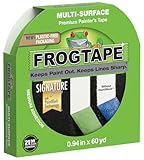
You’ve seen the commercials, the Instagram reels – perfectly crisp lines, followed by a satisfying peel that leaves behind nothing but flawless paint. But does painters tape come up once, without ripping your paint job to shreds? I’ve been there. Staring at a wall I just spent hours masking, only to watch a chunk of my carefully applied paint lift away with the tape. It’s the kind of moment that makes you question all your life choices, and definitely your choice of masking material.
The truth is, the answer isn’t a simple yes or no. It’s a messy, frustrating, and sometimes surprisingly simple ‘it depends.’ Let’s get real about what actually works and what’s just marketing fluff.
The Big Lie: ‘it Never Peels Paint’
Every brand of painter’s tape on the shelf practically screams ‘paint-friendly.’ They talk about ‘low tack,’ ‘delicate surfaces,’ and ‘clean removal.’ And yeah, some of them do a pretty decent job. But let’s be brutally honest: there’s no magic tape that will guarantee a perfect, paint-free peel 100% of the time, especially if you’re not using it correctly. I’ve bought the fancy, expensive stuff thinking it was the answer to my prayers, only to find it clinging on for dear life or, worse, taking a chunk of my wall with it.
One time, I was painting a semi-gloss trim. I used what was advertised as ‘delicate surface’ tape, thinking it was the safest bet. I let the paint dry for a solid 48 hours, longer than recommended, just to be sure. When I went to pull it, it was like trying to unstick a stubborn band-aid from a hairy arm. It snagged, it tore, and I ended up with tiny flecks of paint all over the trim and a jagged, unpaintable line. I swear I heard the tape laughing at me. That experience alone taught me that relying solely on the packaging is a fool’s errand. You need to understand the factors at play.
The key thing to remember is that paint adhesion is a powerful force. Over time, especially with certain paint formulations and surfaces, that bond can become incredibly strong. Painter’s tape is designed to break that bond cleanly, but it’s a delicate balance. Too much adhesion from the tape, too strong a bond from the paint, or simply the wrong conditions, and you’re in for a bad time.
It’s not just about the tape; it’s about the whole system: the paint, the surface, the drying time, and the technique you use to remove it. I’ve learned the hard way that ‘clean removal’ is more of an aspiration than a guarantee, and the question of does painters tape come up once is often answered with a shrug and a touch-up brush.
What Actually Makes Tape Stick (and Unstick)
So, what’s going on under the hood? It’s not rocket science, but it is chemistry. Painter’s tape uses a pressure-sensitive adhesive (PSA) that’s designed to stick to surfaces when you press it down. The ‘tack’ refers to how sticky it is. Different tapes have different tack levels. Low-tack tapes are meant for delicate surfaces like wallpaper or freshly painted walls (less than a few days old). Medium-tack is your everyday hero for trim, windows, and cabinets. High-tack is for more demanding jobs where you need a really strong seal, like rough concrete or brickwork.
The adhesive is usually an acrylic-based or rubber-based compound. Acrylics tend to be more temperature-stable and offer cleaner removal, especially over longer periods. Rubber-based adhesives are often stickier initially but can leave residue or even pull paint if left on for too long or under certain conditions. The backing material of the tape also plays a role. Most painter’s tape is made of crepe paper, which is flexible and conforms to curves. Some premium tapes have a vinyl or polymer backing that’s more resistant to paint bleed-through and can offer a sharper line. (See Also: Does Painters Tape Pull Off Paint )
When you apply the tape, you’re creating a physical barrier. But paint, especially latex or acrylic paint, can seep into the microscopic pores of the wall and even slightly under the edge of the tape. If the paint is fully cured, it forms a strong bond with both the wall and potentially the tape’s adhesive. When you pull the tape, the adhesive tries to break that bond.
If the tape’s adhesive is too weak, it won’t pull the paint. If it’s too strong, or if the paint bond is exceptionally solid, it will pull the paint off the wall. This is why the ‘clean removal’ claim is so often a gamble. It’s a battle of adhesives and paint bonds, and the tape doesn’t always win.
Common Tape Types and What They’re Good For
| Tape Type | Adhesive Type | Best For | My Verdict |
|---|---|---|---|
| Blue Painter’s Tape (Multi-Surface) | Acrylic PSA | Walls, trim, glass, metal. Good general-purpose. | Reliable for most indoor jobs. Watch drying times. |
| Green Painter’s Tape (Exterior/Rough Surfaces) | Rubber or stronger Acrylic PSA | Brick, stucco, concrete, rough wood. Needs a strong seal. | Sticks well but can be too aggressive for interior paint. |
| Purple Painter’s Tape (Hobby/Delicate) | Low-tack Acrylic PSA | Fresh paint (less than 1 day old), delicate wallpaper, varnished wood. | Great for brand-new paint jobs where you can pull immediately. Risky otherwise. |
| Yellow Painter’s Tape (General Use) | Acrylic PSA | Trim, windows, light drywall. Often a budget option. | Can work, but I’ve had issues with residue and peeling. Stick with blue. |
The Real Culprits: Paint, Surface, and Time
Let’s talk about the real enemies of a clean tape peel: the paint itself, the surface you’re painting on, and, most importantly, time. Forget what the tape manufacturers tell you about pulling it off ‘while wet’ or ‘within an hour.’ Sometimes, that’s the best advice, but often, you need the paint to be dry enough not to smear. This is where it gets tricky.
Latex and acrylic paints dry to the touch relatively quickly, but they take days, even weeks, to fully cure. Curing is when the paint hardens and achieves its maximum durability. During this curing period, the paint is still somewhat flexible and can form an incredibly strong bond with the surface. If you try to pull tape off a wall where the paint is only partially cured, you’re basically fighting against that developing bond. The tape’s adhesive might be designed for clean removal on a fully cured surface, but it can’t win against a paint job that’s still ‘green,’ as they say.
I learned this the hard way on a bathroom renovation. I painted the walls a lovely deep blue and then decided to tape off the white wainscoting. I used a mid-range blue tape, let the paint dry for about 12 hours (seemed plenty!), and went to pull. What happened? A disaster. The tape snagged on the slightly still-tacky paint along the edges, and with every inch I pulled, a fine line of blue paint peeled away with it, leaving white primer showing through. It looked like I’d drawn on the wall with a crayon. The fix took longer than the original taping and painting combined. I had to carefully feather the edges with a tiny brush and pray nobody noticed.
The surface matters too. A smooth, well-primed drywall surface is usually forgiving. But if you’re painting over textured walls, popcorn ceilings, or surfaces with existing paint that’s peeling or in poor condition, the tape is going to have a much harder time getting a clean lift. It can grab onto any loose bits, turning a simple masking job into a surface prep nightmare. Always, always assess the condition of the surface you’re painting. A little extra prep work beforehand can save you a world of hurt later.
How to Actually Get That Clean Peel (my Hard-Won Tips)
Okay, so it’s not always a perfect peel, but you can dramatically improve your chances. My approach has become a lot more methodical, and it’s saved me a ton of grief. First, forget the one-size-fits-all advice. Always test your tape on an inconspicuous area first. Stick a small piece in a corner and pull it off after a few hours and then again after 24 hours. See how it behaves with your specific paint and surface. (See Also: Does Painters Tape Rip Paint Off Walls )
When it’s time to tape, press the tape down firmly. Use a putty knife or a plastic card to really work the edge into the surface. This creates a better seal against paint bleed and gives the tape something solid to grip onto when you pull. Don’t just slap it on. I spend a good five minutes per section making sure the edge is really sealed. It sounds obsessive, but it’s worth it.
Here are my go-to steps for minimizing tape-related paint drama:
- Prep the Surface: Make sure the area you’re taping is clean, dry, and free of dust or debris. If you’re painting over an old, flaky paint job, consider a light sanding and priming first.
- Choose the Right Tape: Use blue or purple tape for most interior jobs. Green tape is for rough exteriors. Don’t skimp on quality; a few extra dollars here can save you a lot of frustration.
- Apply Firmly: Press the tape down hard along the edge that will meet the painted surface. Use a putty knife, credit card, or even your fingernail to make sure a good seal.
- Paint Smart: Apply thin, even coats of paint. Avoid overloading your brush or roller, as this can lead to drips that seep under the tape.
- The Important Drying Window: This is the big one. The ideal time to remove painter’s tape is when the paint is dry to the touch but still has some flexibility. This is often within a few hours for latex paints, but it can vary wildly. For trim or edges where you need a super-sharp line, pulling it while the paint is still slightly ‘tacky’ (but not wet!) is often best. If you can’t watch it constantly, aim for the next morning. Never leave tape on for days if you can avoid it, especially on delicate surfaces.
- The Removal Technique: Pull the tape SLOWLY and at a SHARP angle (about 45 degrees) away from the painted surface. Don’t yank it straight up. If you feel resistance, stop, re-evaluate, and maybe even use a utility knife to lightly score along the edge of the tape just above the paint line to break any stubborn adhesion.
If you do have a small amount of bleed-through or a snagged paint edge, don’t panic. A fine-tipped artist’s brush and a steady hand with a bit of your trim paint can work wonders for touch-ups.
When to Just Use a Knife (and Other Harsh Realities)
Let’s face it, sometimes the tape just won’t cooperate. You’ve followed all the rules, you’ve waited the right amount of time, and you pull, and it still feels like you’re wrestling a greased pig. This is where you need to know when to cut your losses. If the tape is stubbornly adhering and you feel significant tugging on the paint, stop. Seriously, just stop.
My contrarian take? Forget the ‘always pull while wet’ or ‘let it cure for days’ absolute rules. The real rule is: pull when the paint feels just firm enough not to smear, but not so firm that the tape is fighting the cured bond. This is a sensory thing, a feel. It’s about understanding the specific paint you’re using, the specific humidity, and the specific tape. It’s not a fixed number of hours. I’ve pulled tape off after an hour and gotten perfect lines, and I’ve waited 12 hours and ended up with a mess.
For really stubborn situations, a sharp utility knife or a specialized scoring tool can be your best friend. Very carefully run the blade along the edge where the tape meets the paint before you start pulling. This scores the paint line and breaks any adhesion the tape might have formed with the paint itself, allowing the tape to release cleanly. This is especially useful for high-gloss finishes where the paint forms a very hard shell. Be warned, though: you need a steady hand. A slip of the knife can do more damage than the tape ever would.
And what about residue? Some tapes, especially cheaper ones or those left on for too long, can leave a sticky goo behind. Isopropyl alcohol (rubbing alcohol) is my go-to for this. A little on a rag usually dissolves it without damaging most painted surfaces. For really tough, baked-on residue, Goo Gone can work, but always test it in an inconspicuous spot first. (See Also: Does Masking Tape Work The Same As Painters Tape )
Common Mistakes That Lead to Tape Disasters
- Leaving tape on for days or weeks after painting.
- Using the wrong type of tape for the surface or paint type.
- Not pressing the tape down firmly enough to create a good seal.
- Painting over damp tape or allowing paint to drip heavily under the tape edge.
- Yanking the tape off too quickly or at the wrong angle.
- Not testing the tape and paint combination in an inconspicuous area first.
The Verdict: Does Painters Tape Come Up Once?
So, to circle back to the million-dollar question: does painters tape come up once? My honest answer, after years of wrestling with it, is: often, but not always, and it depends heavily on a lot of factors beyond just the tape itself. It’s a gamble you can significantly tilt in your favor with the right approach.
The market is flooded with ‘better’ tapes, and while some are genuinely superior, none are foolproof. If you’re painting over a freshly painted wall, especially a latex or acrylic, and you can remove the tape while the paint is still slightly tacky (but not wet), you’ll have the best chance of a clean, one-time removal. This is the ideal scenario, the stuff of commercials, and it feels like a victory when it happens. The satisfying, crisp line, the tape peeling away like magic – it’s great when that happens.
However, the reality is often more nuanced. If the paint has fully cured, if you’re dealing with a delicate surface, or if you simply missed the prime removal window, you might be in for a fight. The tape might stick, it might tear, or it might take a little bit of paint with it. This is why I always keep a small artist’s brush and a tiny bit of touch-up paint handy. It’s the unspoken rule of painting: perfection is the goal, but preparedness for minor imperfections is the reality.
Ultimately, painter’s tape is a tool. Like any tool, its effectiveness depends on the user’s skill, the materials they’re using, and the conditions of the job. It’s not a magic wand, but with a bit of knowledge, patience, and the right technique, you can minimize the frustration and achieve those clean lines you’re after. And sometimes, that requires scoring the edge with a knife and pulling it off piece by piece. It’s not always pretty, but it gets the job done.
Conclusion
So, does painters tape come up once? Most of the time, if you’re careful and you’ve picked the right tape for the job, yes. But there are always exceptions, and fighting with stubborn tape that pulls paint is a rite of passage for anyone who paints. My biggest takeaway has been to stop expecting miracles and start understanding the process. The interaction between the paint, the surface, the tape, and time is complex.
If you’re tackling a paint job, remember to test your tape, apply it with purpose, and remove it with patience. And always have a tiny brush ready for touch-ups. That’s the real secret to a professional-looking finish, not just the tape.
Next time you’re masking, take a deep breath. It’s just tape. And usually, you can fix whatever minor mess it makes.