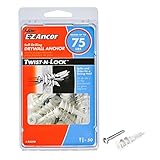
I learned the hard way, trying to hang a hefty mirror in my old rental. The landlord said, ‘Just use a drywall anchor!’ Famous last words. An hour later, the mirror was on the floor, the wall looked like Swiss cheese, and I was out the cost of the anchor, the mirror, and a whole lot of dignity. So, let’s cut to the chase: can drywall anchors be used in plaster? The short answer is yes, but it’s a ‘yes’ with a giant asterisk the size of Texas.
It’s not as simple as screwing it in and calling it a day. Plaster is a different beast compared to modern drywall, and what works for one might be a disaster for the other. If you’re staring at a lath-and-plaster wall and wondering if those plastic doodads will hold your prized possession, you’re in the right place.
Plaster vs. Drywall: Why It Matters for Anchors
Look, plaster and drywall are not interchangeable. Drywall, that paper-faced gypsum board, is relatively soft and predictable. You punch a hole, shove in a plastic anchor, and it expands behind the drywall, gripping like a tiny octopus. Simple. Plaster, especially older plaster, is a whole different animal. It’s often applied over wood lath (thin strips of wood) or sometimes metal lath. This lath creates air pockets and structural variations that drywall just doesn’t have. When you drill into plaster, you’re not just drilling into a solid sheet; you’re drilling through a hard, sometimes brittle outer layer, then potentially into nothing but air behind the lath, or into the lath itself.
This is where the common advice to ‘just use a drywall anchor’ falls apart. Those plastic expansion anchors, the kind that flare out or screw in, are designed for the uniform, forgiving nature of drywall. In plaster, especially if you hit a void between the plaster and the lath, the anchor has nothing solid to grip. It just spins. Even if you manage to get it into the plaster itself, the plaster can be brittle and might just crumble around the anchor, rendering it useless. I’ve seen anchors that looked perfectly installed, only to give way under a minimal load because the plaster decided to disintegrate. It’s a gamble, and frankly, one I stopped taking after that mirror incident.
The density and composition of plaster also play a role. Older plasters can be very hard and prone to cracking. Newer plaster might be more forgiving, but the underlying lath structure is still the main issue. You’re often dealing with a system, not a single material. This is why understanding the wall’s construction is step one, before you even think about what kind of anchor to buy. Just because it looks like a wall doesn’t mean it will behave like a drywall wall when you put a hole in it.
When ‘drywall Anchors’ might Work (but Usually Shouldn’t)
Okay, so when could you possibly get away with using a standard drywall anchor in plaster? It’s a narrow window. Imagine you’re drilling into a spot where the plaster is thick, directly bonded to a solid piece of wood lath, with absolutely no void behind it. This is rare, but it happens, especially in newer plaster applications or in sections where plaster was applied very thickly and adhered perfectly.
In these unicorn situations, a well-chosen anchor might hold. You’d be looking for anchors that offer maximum surface contact or a solid grip. Self-drilling anchors, the ones that look like screws with a plastic sleeve, can sometimes bite into a dense plaster surface better than the expanding types. Toggle bolts, which are designed to flap open behind the wall, are another story entirely, and we’ll get to those.
However, and this is important, even if it seems to hold initially, you’re still playing with fire. Plaster can degrade over time. Vibrations from daily life, or the simple weight of the item, can cause it to crack or crumble around the anchor. I once hung a small, lightweight shelf in a plaster wall using a supposedly ‘universal’ anchor.
It held for about six months, then one morning I heard a sickening crunch. The shelf was halfway on the floor, the anchor had pulled out, and a softball-sized chunk of plaster was missing. It wasn’t a heavy item, not by a long shot. It just goes to show that even seemingly minor stresses can eventually overcome a weak point created by using the wrong fastener in plaster.
My advice? Don’t rely on this ‘might work’ scenario. It’s a recipe for damaged walls and potentially broken items. The cost of proper fasteners is minimal compared to the cost of repairing plaster or replacing a fallen object. Think of it this way: you wouldn’t use a tent stake to anchor a skyscraper, right? Same principle applies here. The tool needs to be appropriate for the material it’s going into. Standard drywall anchors are generally not that tool for plaster. (See Also: Can Concrete Anchors Be Used In Brick )
What to Look for in Plaster Fasteners
If you’ve decided that standard drywall anchors are a bad bet for your plaster walls, what should you be looking for? This is where things get more practical. Forget those flimsy plastic expansion anchors. You need something with a more substantial grip or a mechanical advantage. The best options for plaster walls generally fall into a few categories:
- Toggle Bolts: These are the champions for plaster. They work by having a spring-loaded ‘wing’ that flips open behind the wall. You drill a hole large enough for the collapsed wing to pass through, then push the bolt and it springs open. This provides a large surface area for support, distributing the weight across the plaster and lath. They’re fantastic for heavier items like shelves, mirrors, or cabinets. The key is to make sure the hole is drilled correctly; too small and the toggle won’t open, too big and it’ll just fall through.
- Molly Bolts (or Sleeve-Type Anchors): Similar in concept to toggle bolts, molly bolts have a metal sleeve that expands behind the wall as you tighten the screw. Some are designed to split and flatten against the back of the wall, while others have a sleeve that expands. They offer good holding power, especially in situations where a toggle bolt might be too cumbersome. Make sure you get the correct size for your plaster thickness and the weight you intend to hang.
- Screw-in Anchors (Heavy-Duty): There are some heavy-duty, screw-in anchors designed for plaster or masonry that have a more aggressive thread pattern or a larger profile. These can sometimes work if you’re lucky enough to hit solid lath or a very dense plaster section. However, they still rely on the integrity of the plaster itself, so they’re generally less reliable than toggle or molly bolts for significant weight.
- Drilling into Lath: If you can locate the wood lath (usually by tapping or using a stud finder that detects wood), screwing directly into the lath provides the best possible support. This isn’t an ‘anchor’ in the traditional sense, but it’s often the most secure method if you can manage it. You’ll need to pre-drill pilot holes into the wood to prevent splitting.
When choosing, always check the weight rating. Manufacturers provide these for a reason, and they’re usually tested in standard drywall. For plaster, you should always be a bit more conservative. If an anchor is rated for 50 lbs in drywall, I’d be hesitant to put more than 25-30 lbs on it in plaster, especially if it’s an older wall.
Common Mistakes When Using Anchors in Plaster
You wouldn’t believe the number of ways people mess this up. It’s not just about picking the ‘right’ anchor; it’s about the whole process. The biggest blunder I see, hands down, is not understanding the wall structure. People just drill a hole and assume it’s like drywall. They don’t check for lath, they don’t feel for voids. This leads to anchors spinning uselessly or pulling out. I’ve even seen people try to force a toggle bolt through a hole that was too small, bending the bolt and making it impossible to properly engage.
Another common mistake is using the wrong size drill bit. For toggle bolts, this is important. The manufacturer specifies the hole size. If you go too small, the toggle won’t deploy. If you go too big, the bolt might slip through even when the toggle is open. For molly bolts, the sleeve needs to expand properly, and an incorrect hole size can prevent this. I made this mistake myself once with a molly bolt, drilling a bit too wide, and the sleeve just sort of flopped around behind the wall without getting a good grip. The picture ended up crooked for weeks until I fixed it.
Over-tightening is another culprit. People crank on the screw, thinking more tightness equals more strength. With plaster, over-tightening can actually crack the plaster around the anchor or strip the threads in the anchor itself. You want it snug, but not so tight that the plaster is under undue stress. Also, don’t forget about the weight rating. People see an anchor, think ‘it’ll hold,’ and hang something that’s way too heavy. The weight ratings provided by manufacturers are for drywall. You need to be more cautious with plaster, as its integrity can be questionable.
Finally, there’s the ‘just try it and see’ approach. While experimentation is good for some things, when it comes to wall anchors in plaster, it’s usually a bad idea. You end up with more holes and more damage than if you’d researched and chosen the right fastener from the start. It’s like using a butter knife to cut steak; it might technically make a cut, but it’s not the right tool for the job and you’ll end up frustrated.
Real-World Use: When Anchors Saved My Bacon (and When They Didn’t)
Let’s talk real life. I’ve got this old house, built in the 1930s, and every wall is lath and plaster. For years, I was terrified to hang anything heavier than a postcard. Then I discovered the magic of toggle bolts. I hung a substantial set of kitchen cabinets in my pantry using them. We’re talking about maybe 80-100 pounds of cabinet and contents. I drilled the holes precisely according to the toggle bolt’s instructions, made sure the toggles opened up behind the lath and plaster, and tightened them down snugly. They’ve held firm for three years now. No creaks, no sags, just solid support. That was a case where the right fastener made all the difference.
On the flip side, I remember a friend trying to hang a large, heavy framed print in his living room, which also had plaster walls. He used those screw-in self-drilling anchors, the ones that look like a metal screw.
He swore they were ‘heavy duty.’ He drilled them in, hung the picture, and it looked great. (See Also: Can Cords Be Used To Make Anchors Climbing )
About a week later, he called me in a panic. The picture had sagged significantly, and the anchors were starting to pull out, leaving ugly cracks in the plaster. The plaster around the anchors had simply crumbled under the sustained weight. We ended up having to patch the wall and use toggle bolts, which did the trick.
It was a clear example of an anchor that promised more than it could deliver on a plaster surface.
Another time, I needed to hang a relatively light but long shelf for some books. I couldn’t find the lath easily, and I was in a hurry.
I used a heavy-duty plastic anchor, the kind that has a screw that expands it. It seemed to hold initially, but the books were a bit heavy, and over time, the plaster around the anchor started to deform.
It didn’t fall, but it looked precarious. I ended up removing it and putting in a molly bolt, which spread the load much better and looks far more secure. These experiences taught me that while some anchors might offer a temporary fix, for true long-term security in plaster, you need mechanical fasteners that distribute weight effectively.
The Best Fasteners for Plaster Walls
| Fastener Type | Best For | Holding Power | Ease of Use | Opinion/Verdict |
|---|---|---|---|---|
| Standard Plastic Expansion Anchors | Lightweight items ONLY (e.g., small picture frames, empty shelves) in very specific, solid plaster spots. | Low to Medium. Highly unreliable in plaster. | Easy, but prone to failure. | Avoid. High risk of wall damage and item failure. Just don’t. |
| Self-Drilling Screw-In Anchors (Metal) | Light to Medium items if hitting solid lath or very dense plaster. | Medium. Can pull out if plaster is weak. | Moderate. Can strip plaster easily. | Better than plastic, but still risky for significant weight. |
| Molly Bolts (Sleeve-Type Anchors) | Medium to Heavy items (e.g., shelves, light cabinets, large mirrors). | High. Distributes load well. | Moderate. Requires specific hole size. | A solid choice for plaster. Reliable when installed correctly. |
| Toggle Bolts | Heavy items (e.g., cabinets, heavy shelves, TVs). The gold standard for plaster. | Very High. Excellent load distribution. | Moderate. Requires larger hole, can be fiddly. | The most reliable option for substantial weight on plaster walls. Worth the effort. |
| Screws into Lath | Anything if lath is located and accessible. | Highest possible. Direct wood connection. | Requires finding lath, pre-drilling. | The ideal, but not always practical, solution. |
Tips for Success When Working with Plaster Walls
Here are a few hard-won tips that will save you headaches and repair bills. First, always, always, always locate the lath if you can. Tap the wall; you’ll often hear a difference in sound between solid plaster and a void. A stud finder that detects wood can also help. If you find a lath, screwing directly into it with a wood screw is your absolute best bet. Pre-drill a pilot hole, slightly smaller than your screw shank, to prevent the wood from splitting. This is the most secure method for plaster, hands down.
If you can’t find lath or need to use an anchor, take your time drilling the pilot hole for your anchor. Use a drill bit that is precisely the size recommended by the anchor manufacturer. Too small and the anchor won’t go in; too big and it won’t have enough material to grip. For toggle bolts, make sure the hole is large enough for the wings to pass through and deploy. I keep a set of drill bits that are specifically marked for anchor sizes I use regularly. It sounds obsessive, but it’s saved me from re-drilling and patching more times than I can count.
When installing molly bolts or toggle bolts, don’t just jam them in. Make sure the sleeve or toggle is positioned correctly behind the wall before you tighten. For molly bolts, you might need to gently tap the sleeve into place with a hammer if it doesn’t slide evenly. For toggle bolts, make sure the wings are fully open and resting flat against the back of the plaster or lath.
Snug is good; overtightening is bad. You want the fastener to be firm and stable, not to be crushing the plaster around it. And remember that weight ratings are a guideline, especially for older or questionable plaster. Err on the side of caution and go with a stronger fastener than you think you need, and always assume a lower weight capacity than what’s stated for drywall. (See Also: Can Anchors In Your Shoulder Break )
Frequently Asked Questions About Plaster Anchors
Can I Use a Regular Screw in Plaster?
Generally, no. A regular screw driven directly into plaster without hitting lath or a solid backing will have very little holding power. The plaster is often brittle and may crumble around the screw threads, causing the screw to pull out easily. For anything beyond the lightest picture frame, a dedicated anchor or fastener designed for plaster is necessary.
What Is the Strongest Anchor for Plaster Walls?
The strongest anchors for plaster walls are typically toggle bolts and molly bolts. Toggle bolts, with their large wings that deploy behind the wall, offer the best weight distribution. Molly bolts, which expand a metal sleeve behind the plaster, also provide excellent support. The absolute strongest method, if possible, is to screw directly into the wood lath behind the plaster.
How Do I Know If My Wall Is Plaster or Drywall?
The easiest way is often the ‘knock test.’ Tap the wall; drywall typically sounds hollow and dull, while plaster (especially older plaster over lath) can sound more solid or have a slightly different resonance. You can also look at electrical outlets or switch plates; drywall often has a paper-like edge around the opening, while plaster usually has a harder, more defined edge, sometimes with visible lath gaps.
Do Anchors Damage Plaster Walls?
Yes, all anchors require drilling holes, which inherently creates some damage. However, standard drywall anchors are more likely to cause significant damage because they rely on materials that aren’t present in plaster. Using the correct fasteners for plaster, like toggle or molly bolts, minimizes damage compared to using the wrong type, and proper installation prevents the plaster from cracking or crumbling excessively around the fastener.
Can I Hang a TV on a Plaster Wall?
Hanging a TV on a plaster wall requires extreme caution and the right hardware. You absolutely cannot use standard drywall anchors. You will need heavy-duty toggle bolts specifically rated for the weight of your TV and mount, and ideally, you would locate the wood lath behind the plaster to screw directly into. If you are unsure, it’s best to consult a professional installer to make sure the wall can safely support the television.
Final Thoughts
So, to circle back to the original question: can drywall anchors be used in plaster? While technically you might get away with it for something incredibly light in a very specific, rare situation, it’s a gamble I wouldn’t recommend taking. The risk of wall damage and your item falling is just too high.
For anything with even a moderate amount of weight, you’re much better off investing in fasteners designed for the unique challenges of plaster walls, like toggle bolts or molly bolts. They’re not much more expensive, and the peace of mind they offer is worth its weight in gold – or at least, the weight of your cherished possessions.
Before you pick up that drill, take a moment to assess your wall. Knowing whether you’re dealing with plaster or drywall, and understanding the underlying structure, will save you a lot of grief. Happy (and secure) hanging!