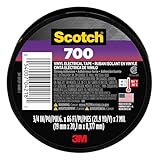
I’ve been tinkering with wires, circuits, and all sorts of DIY projects for longer than I care to admit. And let me tell you, I’ve seen some truly questionable ‘fixes’ in my time. One of the ones that always makes me cringe is seeing someone reach for a roll of duct tape when the job clearly calls for something else. It brings up a question I get asked a lot, and one I’ve wrestled with myself: can duct tape be used for electrical tape?
Look, duct tape is the Swiss Army knife of tapes. It can fix almost anything, right? From leaky pipes to holding together a broken car bumper (temporarily, at least). But when it comes to electricity, things get a whole lot hotter and a whole lot more dangerous. So, while it might seem like a quick fix, is it actually a viable solution for electrical work?
Why Duct Tape Isn’t Your Friend for Wires
Let’s get straight to it: No, duct tape is generally NOT a suitable replacement for proper electrical tape. And if you’ve ever thought, ‘Well, it’s sticky, it’s strong, how different can it be?’, you’re not alone. I’ve had that thought myself when I was younger and just trying to get a lamp to work again in a pinch.
I grabbed the silver roll, wrapped it around some exposed wires, and figured I’d dealt with it. It worked. For a while. Then, a few weeks later, I noticed a faint burning smell.
The duct tape had started to melt and peel away, leaving the wires exposed again, and frankly, looking like a fire hazard waiting to happen. That was a hard lesson learned.
The fundamental problem is that duct tape isn’t designed for electrical insulation. Its adhesive is made for general-purpose sticking to a variety of surfaces, not for withstanding the heat and potential electrical current that can flow through wires. Electrical tape, on the other hand, is specifically formulated to be a non-conductive barrier. It’s made from vinyl, a plastic that has excellent dielectric strength – meaning it’s really good at resisting electrical current from passing through it. It also has a lot more stretch and conformability, allowing it to wrap tightly around irregular shapes and create a smooth, protective layer.
When you put duct tape on wires, especially in an area that might experience any kind of stress, vibration, or temperature fluctuation, that adhesive is going to break down. It can get gooey when it’s hot, brittle when it’s cold, and it doesn’t have that inherent insulating property. Over time, this means the tape can degrade, crack, or peel off, exposing the conductive metal underneath. This is incredibly dangerous, leading to short circuits, potential electrocution, or even fires. I’ve seen DIY fixes that looked like a spiderweb of silver tape, and every single one of them made my skin crawl. It’s a recipe for disaster, and the few dollars you save aren’t worth the risk.
Another thing to consider is temperature. Electrical work, especially in certain applications like automotive or high-demand appliances, can generate a surprising amount of heat. Standard duct tape is just not rated for these kinds of temperatures. It will soften, lose its adhesion, and basically become useless, leaving your connections vulnerable. Electrical tape, especially higher-grade varieties, is designed to handle a much wider range of temperatures without failing. The common advice from electricians and anyone who knows what they’re talking about is clear: stick to the tape designed for the job.
What Electricians Actually Use (and Why)
So, if not duct tape, what do the pros use? The go-to is, unsurprisingly, electrical tape. But not all electrical tape is created equal. The most common type you’ll see is a vinyl-based tape. This is your everyday hero for most low-voltage applications. It’s flexible, durable, and provides good insulation for typical household wiring. I remember the first time I bought a proper roll of good quality electrical tape – it felt different. Thicker, more pliable, and it just adhered so much better than any cheap imitation. I was working on a lamp with a frayed cord, and the vinyl tape hugged the wire perfectly, leaving a smooth, secure finish. (See Also: Can I Use Electrical Tape To Connect Wires )
Beyond the standard vinyl tape, there are specialized options. There’s high-temperature electrical tape, often made with materials like fiberglass or silicone, which is key for applications where wires might get really hot. Think engine compartments or near heating elements. Then you have self-amalgamating tape, which is a bit more advanced. It’s a rubbery material that fuses to itself, creating a smooth, waterproof, and highly insulating layer. This is often used for more demanding splices or repairs where you need a truly solid seal. It looks and feels nothing like duct tape; it’s stretchy and when you wrap it tight, it melds into one solid piece.
Why the preference? It all comes down to safety and reliability. Electrical tape is tested and rated for its insulating properties. It’s designed to prevent electrical current from escaping, which is its primary job. It also offers mechanical protection for the wire insulation underneath. When you’re dealing with electricity, there’s no room for ‘good enough.’ A short circuit can damage expensive equipment, start a fire, or cause serious injury. Using the correct material, like electrical tape, means you’re trusting a product that’s been engineered for that specific, important purpose. It’s not just about holding things together; it’s about creating a safe, reliable connection that won’t fail when you need it most.
The adhesive on electrical tape is also a key differentiator. It’s designed to stick securely to itself and to wire insulation without becoming gummy or brittle over time, unlike the often-oily adhesive on duct tape. This makes sure the integrity of the wrap remains intact. When you unroll a bit of good electrical tape, you feel that slight tackiness, but it’s clean and controllable. Wrap it around a wire, and it adheres firmly without leaving a sticky residue that attracts dirt or grime. It’s a professional finish that speaks to the product’s purpose.
Common Mistakes When Wrapping Wires
One of the biggest blunders I see, besides using the wrong tape entirely, is not preparing the wires properly. Before you even think about wrapping anything, you’ve got to make sure the wires are clean. Any dirt, grease, or old adhesive residue will prevent the new tape from sticking properly. I learned this the hard way trying to re-tape a frayed appliance cord. I just slapped new tape over the old gunk and within a week, it was peeling off. A bit of isopropyl alcohol and a clean cloth made all the difference for the next attempt. It’s a small step that makes a huge impact on the longevity of the repair.
Another mistake is not wrapping the tape tightly enough, or not overlapping enough. You’re not just covering the wire; you’re creating an insulating barrier. This means each wrap of tape should overlap the previous one by at least half, and you should pull the tape taut as you go. This not only makes sure there are no gaps for electricity to escape but also helps the tape adhere to itself, creating a strong, unified layer. Think of it like tiling – you don’t want gaps between the tiles, and you want them laid down securely. I’ve seen people wrap tape loosely, leaving little pockets where moisture or debris can get in. That’s asking for trouble.
People also tend to be stingy with the tape. They’ll wrap just enough to cover the immediate exposed area. Electrical tape is relatively inexpensive, and you should be using enough to extend beyond the damaged section of insulation by a good inch or two on either side. This creates a secure termination point and prevents the tape from peeling back from the edges of the repair. Think of it as building a bridge over the damaged section, not just patching a tiny hole. A little extra tape provides a much more solid and reliable repair.
Overthinking it is another common pitfall. Sometimes, people get so worried about making the perfect wrap that they freeze up. The truth is, with the right materials and a bit of care, it’s not rocket science. Clean the wires, overlap the tape, pull it taut, and extend the wrap. The most important thing is to use the right tool for the job, which, as we’ve established, is electrical tape, not duct tape. Once you’ve got that down, the rest is just practice. Don’t be afraid to take your time and do it right the first time.
The Real-World Use Cases (and Limitations)
Okay, let’s talk about where duct tape might seem like it could work, and why it’s still a bad idea. For very low-voltage, non-important applications, like temporarily securing a speaker wire to a wall for a party, sure, it might hold. It won’t insulate, but if the wire isn’t carrying significant current and isn’t in a hazardous location, the main risk is it just falling off. But even then, a small piece of actual electrical tape or even painter’s tape (for temporary, non-electrical needs) would be a better choice. It’s about establishing good habits. (See Also: Can Electrica Tape Catch On Fire )
I had a situation years ago with a garden power tool that had a slightly worn cord. It wasn’t a complete break, just some of the outer insulation looked a bit scuffed. My first instinct, being young and impatient, was to grab the duct tape and wrap it up. It seemed fine, the tool worked. But I remember feeling uneasy every time I used it. It felt like a ticking time bomb. Eventually, I decided to be responsible and replaced the entire cord, which was the proper fix. That feeling of unease is your gut telling you something isn’t right. Duct tape on electrical wires is one of those things that just feels wrong because, fundamentally, it is.
The limitations of duct tape for electrical work are severe. It offers virtually no electrical insulation. Its adhesive breaks down under heat and UV exposure. It’s not designed to be flexible or conform to tight bends in wiring. It can leave a sticky, difficult-to-remove residue. And most importantly, it significantly increases the risk of fire, short circuits, and electrocution. When you’re dealing with anything that plugs into the wall or carries a significant electrical charge, the stakes are too high to rely on a product that’s designed for sealing boxes or patching tarps. The common advice to avoid it is not arbitrary; it’s based on countless instances where it failed spectacularly.
A prime example of where it’s absolutely forbidden is inside electrical boxes or junction points. These areas need clean, secure connections with proper insulation. Wrapping them with duct tape would be a code violation and an immediate safety hazard. Even for temporary fixes, it’s a slippery slope. Once you start using duct tape for electrical work, it becomes easier to justify it for more important tasks, and that’s when real danger can set in. Sticking to designated electrical tape makes sure you’re meeting safety standards and protecting yourself and others.
Practical Tips for Using Electrical Tape Correctly
When you’re ready to use real electrical tape, here are a few pointers that will make your life easier and your work safer. First, and this bears repeating, always clean the area you’re about to tape. A quick wipe with a clean, dry cloth is usually enough. If there’s any residue from old tape or grease, use a bit of rubbing alcohol on the cloth and let it dry completely before proceeding. This makes sure maximum adhesion.
Second, start taping a good inch or two before the damaged area and extend it a good inch or two past the damaged area. This creates a solid overlap and prevents the tape from peeling back. When you’re wrapping, pull the tape snug. You want it to stretch slightly as you apply it. This helps it conform to the shape of the wire and adhere firmly to itself. Each new layer should overlap the previous one by at least half the width of the tape. This builds up a strong, smooth insulating barrier.
Third, for a really durable repair, especially on something that might get flexed a lot, like a power cord, consider using two layers of tape. Apply the first layer as described above. Then, apply a second layer in the opposite direction. This criss-cross pattern adds extra strength and helps prevent any single point of failure. It looks a bit more professional too. I’ve done this on appliance cords that get a lot of movement, and it really holds up over time.
Finally, don’t be afraid to invest in good quality electrical tape. There are cheap brands out there, but they often don’t have the same flexibility, adhesion, or durability as reputable brands. A good roll might cost a few dollars more, but it will perform better and last longer, saving you the headache of having to re-do the job. It’s one of those tools where spending a little more upfront really pays off in the long run. For important electrical work, always opt for tape specifically rated for the job.
An Honest Comparison: Duct Tape vs. Electrical Tape
To really drive home the point, let’s put these two side-by-side. It’s not even a contest, but seeing it laid out might help. Most people have a roll of duct tape lying around, and it’s cheap, usually $5-$10 for a decent roll depending on width and quality. Electrical tape, especially a good quality vinyl tape, can run anywhere from $3-$8 for a standard roll, maybe a bit more for specialized types. So, the cost difference isn’t the issue. The issue is performance and safety. (See Also: Can I Substitute Duct Tape For Electrical Tape )
Here’s a quick rundown:
| Feature | Duct Tape | Electrical Tape | Verdict |
|---|---|---|---|
| Primary Purpose | Sealing, general repair, holding | Insulating electrical wires, protecting connections | Electrical tape wins (obviously) |
| Insulation Properties | Virtually none | Excellent dielectric strength (non-conductive) | Electrical tape wins |
| Adhesive | General purpose, can degrade with heat/cold/UV | Designed for wiring, better adhesion, remains flexible | Electrical tape wins |
| Temperature Resistance | Poor; softens when hot, brittle when cold | Good to excellent, depending on type; designed for wider ranges | Electrical tape wins |
| Flexibility/Conformability | Moderate; can crease and not stick well on curves | Excellent; stretches and conforms to irregular shapes | Electrical tape wins |
| Durability | Low for electrical applications; tears, peels, degrades | High; resists abrasion, chemicals, and environmental factors (depending on type) | Electrical tape wins |
| Residue | Often leaves sticky, hard-to-remove residue | Minimal to none, especially quality brands | Electrical tape wins |
As you can see, in every category that matters for electrical work, duct tape falls short. It’s like trying to use a butter knife as a screwdriver – it might turn the screw a little if you’re lucky, but you’re going to make a mess and probably damage both the screw and the knife. The risks associated with using duct tape for electrical purposes are simply too great to ignore. Sticking to the right tool for the job isn’t just about professionalism; it’s about safety.
Is Duct Tape Ever Okay for Electrical Work?
In short, no. While it might seem tempting for a quick fix on a low-voltage, non-important item, the risks far outweigh any perceived benefits. Duct tape lacks the necessary insulating properties and can degrade dangerously when exposed to heat or electrical current. It’s designed for sealing and general repairs, not for the specific demands of electrical insulation, which requires materials engineered to prevent conductivity and withstand harsh conditions.
Can Duct Tape Cause a Fire?
Yes, absolutely. Because duct tape is not electrically insulating and its adhesive can break down under heat, using it on electrical wires creates a significant fire hazard. If the tape fails, conductive wires can become exposed, leading to short circuits, arcing, and potentially igniting nearby flammable materials.
What Should I Use Instead of Duct Tape for Electrical Repairs?
You should always use proper electrical tape. For most household wiring, a vinyl electrical tape is suitable. For higher-temperature applications or more solid sealing needs, consider self-amalgamating tape or specialized high-temperature electrical tapes. These products are specifically designed to be non-conductive, durable, and safe for electrical work.
Is It Okay to Use Duct Tape on a Frayed Extension Cord?
No, it is not okay to use duct tape on a frayed extension cord. A frayed cord means the inner insulation is compromised, and the conductive wires are exposed or close to exposure. Duct tape offers no electrical insulation and will not protect you from shock or prevent a fire. The proper and safe fix is to replace the damaged extension cord entirely.
Can I Use Duct Tape to Insulate Wires Temporarily?
While you might technically be able to wrap wires with duct tape, it does not provide actual electrical insulation. It’s a dangerous shortcut that offers a false sense of security. Electrical tape is designed to be a non-conductive barrier. Duct tape’s adhesive can melt or harden, and it offers no protection against electrical current, increasing the risk of shock or fire. For any temporary electrical insulation needs, use actual electrical tape.
Final Thoughts
So, to wrap this up: Can duct tape be used for electrical tape? The honest, blunt answer is no. It’s a temptation, a quick-fix mentality that can lead to serious problems. I’ve learned this the hard way, and I’ve seen the results of others’ shortcuts. The few dollars you might save by grabbing that silver roll instead of heading to the hardware store for proper electrical tape are absolutely not worth the risk of fire, damage, or injury.
My advice? Treat your electrical work with the respect it deserves. Invest in the right materials. A good roll of vinyl electrical tape costs next to nothing in the grand scheme of things and will do the job safely and effectively. It’s designed for this purpose, tested for it, and won’t degrade into a sticky mess or a fire hazard when things heat up. Think of it as the difference between using a band-aid for a deep cut versus a sterile dressing – one is a superficial cover-up, the other is a proper solution.
If you find yourself staring at exposed wires and reaching for duct tape, stop. Put it down. Go get the right stuff. Your future self, and anyone else who might be around your projects, will thank you for it. Don’t be the person who learns the hard way.