I’ve seen it more times than I care to admit: a frayed charging cable, a lamp cord looking like it’s been through a cheese grater, and someone reaching for the silver roll of duct tape with a look of grim determination. It’s a common impulse, right? That stuff fixes everything! But when it comes to whether can duct tape be used over electrical cords, especially for anything more than a temporary, low-stakes fix, my gut reaction is usually a sigh. It’s a fix, sure, but is it a good fix? Let’s get real about what happens when you wrap that sticky, silver stuff around live wires.
The truth is, the immediate impulse to just slap some tape on it often bypasses the actual dangers involved. This isn’t about being dramatic; it’s about avoiding sparks, shocks, and potential fires. We’re going to break down why this seemingly simple solution is often a bad idea, what you should be doing instead, and yes, even a few niche scenarios where it might not be the absolute worst thing in the world, though I’d still advise caution.
The Temptation: Why We Reach for Duct Tape First
Look, I get it. Duct tape is the Swiss Army knife of repair materials.
It’s strong, it’s sticky, it’s readily available, and it feels like it can hold anything together. I remember years ago, my ancient toaster oven’s power cord started fraying near the plug. It looked gnarly, sparks were a distinct possibility, and I was halfway through making toast.
My first thought, without even really thinking, was ‘duct tape’. I rummaged around in a junk drawer, found a roll, and was about to wrap it up when my roommate, who’s a bit more electrically inclined, smacked my hand. “Are you insane?” he asked.
It was a wake-up call. That incident cemented in my mind that just because you can do something doesn’t mean you should, especially with electrical hazards.
The primary appeal is simplicity and accessibility. You’ve got a problem, you’ve got tape, boom. It feels like an immediate solution. You see it used for everything else – patching holes in walls, securing tarps, temporary fixes on car parts.
The mental leap to using it on a wire isn’t huge. Plus, let’s be honest, professional electrical repairs can seem daunting and expensive.
The idea of a quick, cheap fix is incredibly seductive. Most people aren’t electricians, and they don’t have a toolbox full of specialized electrical tape and connectors.
So, when a cord starts to look like a bad hair day, the silver bullet of duct tape seems like the obvious answer. It’s often the cheapest and fastest route to what feels like a resolved issue, even if it’s just masking the symptom.
My own experience with a frayed power strip cord reinforces this. It was a cheap, multi-outlet strip that I’d overloaded one too many times. The outer sheathing was cracked, exposing some of the inner wires near where it plugged into the wall. My initial thought was pure panic, followed immediately by the impulse to grab the duct tape from my car’s emergency kit.
I pictured myself wrapping it tightly, feeling a sense of accomplishment for averting disaster. But then I remembered a tiny electrical shock I got from a lamp years ago after a similar ‘fix.’ It wasn’t severe, but it was enough to make me pause and think. The temptation is real because it promises an easy out. It’s the ‘glue gun’ mentality applied to wiring – quick, dirty, and usually temporary, but feels like a solution in the moment.
Why Standard Duct Tape Isn’t Your Electrical Friend
Here’s the blunt truth: standard, run-of-the-mill duct tape is a terrible choice for electrical cord repair. It’s not designed for it, and it can actually make things worse. Why?
For starters, most duct tape is made of a polyethylene coating over a cloth mesh with a rubber-based adhesive. This combination is great for sticking to rough surfaces, holding things down, and resisting water to some extent.
What it is not great at is providing electrical insulation. The adhesive isn’t rated for electrical currents, and the cloth backing can potentially conduct electricity, especially if it gets wet or if the adhesive breaks down. Think of it this way: you wouldn’t use a Band-Aid to stop a leaky faucet, would you?
It’s the wrong tool for the job, and in this case, the consequences are far more serious. (See Also: Can I Use Electrical Tape To Connect Wires )
The adhesive on regular duct tape also degrades over time, especially with heat and flexing. Electrical cords, by their very nature, get handled, bent, and sometimes even heated up by the very electricity they carry. As the adhesive breaks down, the tape can loosen, peel away, and expose the damaged wires underneath.
This is the opposite of what you want. Instead of creating a secure, insulating barrier, you end up with a flapping, sticky mess that might leave the wires vulnerable again, or worse, create a short circuit.
I learned this the hard way when a piece of duct tape I’d used on a garden hose split – it had hardened and cracked in the sun. Applying that logic to an electrical cord, which experiences more dynamic stress, is just asking for trouble.
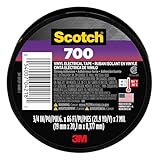
The biggest issue is insulation. Electrical tape, the stuff specifically designed for this purpose, is made of vinyl. Vinyl is a fantastic insulator. It’s flexible, it stretches to conform to the shape of the wire, and it provides a reliable barrier against electrical shock.
It’s also designed to withstand a certain voltage and temperature. Standard duct tape offers none of that. It’s a physical barrier, yes, but not an electrical one.
If a wire inside the cord is exposed and you wrap duct tape around it, you’re basically just holding a potentially live wire in place. If that tape gets damp, or if the adhesive fails, or if the cloth backing somehow becomes conductive, you’re looking at a serious risk of shock or fire.
It’s a common misconception that its stickiness and thickness make it safe. It’s a temporary fix for a leaky pipe, not a permanent solution for a live electrical circuit.
The Right Way: Electrical Tape and Beyond
So, if duct tape is out, what’s the proper way to tackle a frayed electrical cord? The answer is simple and, frankly, much safer: electrical tape. This isn’t the same as the duct tape you use to patch your roof or secure boxes. Electrical tape is typically made of vinyl, which is a superb insulator. It’s designed to be flexible, stretchable, and resistant to moisture and abrasion. When you use it, you want to overlap each layer by about half, stretching it as you go. This creates a strong, smooth, insulating barrier that will actually protect the exposed wires.
My first real experience with proper electrical tape was when I was helping my dad rewire a vintage amplifier. The original wiring was brittle and showed signs of wear.
He pulled out a roll of proper, black electrical tape and showed me how to wrap it. It felt different – thinner, more pliable, and it really clung to itself and the wire. We carefully insulated each section that showed wear, and then wrapped the entire cord with a few layers for good measure.
It looked and felt professional, and more importantly, it was safe. The difference in feel and performance compared to duct tape was night and day. It’s relatively inexpensive, and a single roll can last you a very long time for minor repairs.
What about when the damage is more severe? If the cord is significantly damaged, cut, or shows signs of melting or internal wire damage, no amount of tape, not even electrical tape, is going to be a safe long-term solution. In these cases, the cord needs to be replaced entirely. For appliances with attached cords, this usually means replacing the entire appliance or having a qualified technician replace the cord. For extension cords or power strips, you can often buy a new one for a relatively low cost – I picked up a heavy-duty 25-foot extension cord for about $35 last month, which felt like a bargain for peace of mind.
There are also specialized cord repair kits available, though they’re less common for household use. These kits often include heat-shrink tubing or specific splice connectors, which offer a more permanent and solid repair than tape alone. However, for most minor fraying that exposes just the outer sheathing, a good wrap of electrical tape is perfectly adequate and the recommended approach. It’s about choosing the material specifically designed for the job. Here’s a quick rundown of common cord repair scenarios:
| Problem | Recommended Solution | Opinion/Verdict |
|---|---|---|
| Minor fraying of outer sheathing, no exposed wires | Electrical tape wrap (multiple overlapping layers) | Good, safe temporary or short-term fix. |
| Exposed inner wires (single or multiple) | Electrical tape wrap (thoroughly covering all exposed wire with multiple, overlapping, stretched layers) | Acceptable for immediate safety if replacement isn’t possible, but replacement is highly recommended. |
| Significant damage: cuts, burns, melted insulation, broken internal wires | Replace the cord or appliance immediately. | Absolutely do not attempt to repair with tape. High risk of fire or shock. |
| Loose connection at plug (not the cord itself) | Replace the plug end (requires specific tools and knowledge) or replace the cord/appliance. | Beyond simple tape repair; best left to professionals or replaced. |
The Contrarion View: When Might Duct Tape barely Be Okay?
Alright, here’s where I might ruffle some feathers. Everyone will tell you, unequivocally, that duct tape should NEVER be used on electrical cords. And 99% of the time, they are absolutely right. But there’s that one percent. I’m talking about a very specific, very temporary, very low-risk scenario. Imagine you are camping, miles from anywhere, and your lantern cord frays just enough to be unsightly, but there are no exposed wires. You have zero access to electrical tape, and you absolutely need the lantern for the night.
In that extreme situation, a few tight wraps of high-quality duct tape might serve as a physical barrier to prevent further abrasion on a cord that is not carrying significant current and has no exposed conductors. I’m talking about a low-voltage device, maybe something battery-powered that’s just got a simple wire running to a switch. And I mean temporary. (See Also: Can Electrica Tape Catch On Fire )
Like, ‘get me through the night and I’ll buy a new cord first thing in the morning’ temporary. I’ve done this myself once, on a battery-powered camping fan whose cord got snagged and slightly scuffed.
It wasn’t ideal, but it prevented the scuff from turning into a full break before I could replace it. The key here is understanding the limitations and risks. This is not a solution for house wiring, power tools, or anything plugged into the mains. The adhesive on duct tape can melt, the backing can degrade, and it just doesn’t offer insulation.
The common advice is right because it’s safe for the vast majority of situations. My contrarian point is that in a true emergency, with a full understanding of the minimal risk and the absolute need for a temporary physical barrier on a non-important, low-voltage cord, duct tape can prevent a minor abrasion from becoming a major break for a few hours. It’s like using a strong piece of fabric to temporarily patch a hole in your shoe when you’re hiking – it’s not a permanent fix, it’s not ideal, but it gets you back to civilization. The danger is that people see ‘duct tape’ and think ‘fix-all,’ and that’s where the real trouble starts. This is for the absolute, last-ditch, ‘I have no other choice and I know the risks’ moments, and even then, I’d be sweating.
Real-World Usage and Common Mistakes
Let’s talk about what people actually do, and why it’s usually a bad idea. Beyond the initial thought of wrapping a frayed cord, the most common mistake is thinking that because duct tape is strong and sticky, it’s somehow electrically insulating. It’s not.
It’s a mechanical fastener and a water-resistant barrier, but it has no dielectric strength worth mentioning for electrical applications. I once saw a handyman try to ‘fix’ a frayed extension cord that was powering a power washer with duct tape. The cord was sparking intermittently. He wrapped it up, and within twenty minutes, the tape had melted, the sparks were worse, and he got a nasty shock when he tried to unplug it.
That was a very expensive lesson for him, and a stark reminder for me.
Another mistake is using it on high-heat applications. Many appliance cords, especially near the plug or the appliance itself, can get warm. Duct tape’s adhesive can soften and melt under heat, causing it to peel off and expose the wires. This is especially true for things like hair dryers, toasters, or anything with a heating element. The fumes from melting adhesive can also be unpleasant and potentially harmful. The common advice you’ll find online, and from any reputable source, is to use proper electrical tape. It’s designed to withstand heat and vibration that a standard cord will experience. My personal rule of thumb: if it gets warm, forget duct tape.
The persistence of this myth is likely due to a few factors. Firstly, it’s a persistent cultural icon of repair. Everyone has duct tape, and everyone knows it’s strong. Secondly, for very minor abrasions on very low-power, low-voltage cords, duct tape might hold for a while without immediate catastrophic failure.
This can lead to a false sense of security. People think, “Hey, it worked for me!” without considering the long-term risks or the potential for failure when the cord is flexed, heated, or exposed to moisture.
I’ve seen it used on the insulation of headphones, where the current is minimal. It might seem fine, but that doesn’t make it a good practice.
The real danger comes when you apply this ‘logic’ to anything more substantial, like a power tool cord or a household appliance.
Can Duct Tape Be Used Over Electrical Cords Temporarily?
In extremely rare, low-risk, emergency situations where there are no exposed wires and the cord is for a low-voltage device (like a battery-powered gadget), a few wraps of duct tape might offer a temporary physical barrier to prevent further abrasion. However, it offers no electrical insulation and the adhesive can degrade with heat or time. It is strongly advised against for almost all electrical applications. This is not a substitute for proper electrical tape or cord replacement.
What to Look for in a Proper Cord Repair
When you’re dealing with a damaged electrical cord, the first thing you need to assess is the severity of the damage. Is it just the outer plastic sheathing that’s scuffed, or are the inner wires exposed? This is the most important distinction. If the inner wires are visible, you’ve moved from a minor cosmetic issue to a potential safety hazard.
For minor scuffs on the outer sheathing, where no wires are showing, using a good quality electrical tape can provide a protective layer and prevent the damage from worsening. You’ll want to wrap it tightly, overlapping each layer by about half the width of the tape, stretching it as you go to create a smooth, durable barrier.
Black vinyl electrical tape is the standard, and it’s usually rated for 600 volts, which is more than enough for most household cords. (See Also: Can I Substitute Duct Tape For Electrical Tape )
If you do see exposed wires, the situation is more serious. While electrical tape can insulate exposed wires, it’s a makeshift solution at best. The tape needs to be applied meticulously, making sure complete coverage of all exposed metal with multiple, overlapping, stretched layers. You’re relying entirely on the tape to prevent electrical contact with anything or anyone.
This is a situation where replacing the cord entirely is the safest and most recommended course of action. For appliances with permanently attached cords, this means either replacing the appliance or having a qualified electrician replace the cord.
For extension cords or power cords on smaller appliances, you can often buy a replacement cord relatively cheaply. I recently replaced a cord on a small shop vacuum for about $15; much cheaper than a potential repair bill or a new vacuum.
When choosing electrical tape, look for reputable brands. Cheap, no-name electrical tape might not have the same insulating properties or adhesive longevity. Brands like 3M, Scotch, or Gardner Bender are generally reliable. The tape should feel flexible and slightly tacky, and it should stretch without tearing easily.
A good roll of electrical tape costs around $3-$7, and it’s a small price to pay for safety. Always store it in a cool, dry place to prevent the adhesive from drying out or becoming brittle. Remember, the goal is to create a solid, insulating barrier.
If you have any doubt about your ability to do this effectively, or if the damage is significant, err on the side of caution and replace the cord or the appliance. Safety first, always.
What Is the Best Tape for Electrical Cords?
The best tape for electrical cords is specifically designed electrical tape, typically made of vinyl. It’s flexible, stretches to conform to the cord’s shape, and provides excellent electrical insulation. It’s designed to withstand voltage, temperature fluctuations, and abrasion. Always choose a reputable brand and apply it with overlapping, stretched layers to create a smooth, protective barrier. Standard duct tape or packing tape is NOT suitable for electrical cord repair due to a lack of insulating properties and adhesive degradation.
The Faq: Clearing Up Confusion
Is It Safe to Use Duct Tape on a Frayed Extension Cord?
No, it is generally not safe to use standard duct tape on a frayed extension cord. While it might seem like a quick fix, duct tape lacks the necessary electrical insulation properties and its adhesive can degrade, especially with heat and flexing. This can lead to electrical shorts, shocks, or fires. Proper electrical tape, designed for insulation, or replacing the cord are the safe alternatives.
Can I Repair a Cut Electrical Cord with Duct Tape?
Repairing a cut electrical cord with duct tape is extremely dangerous and strongly discouraged. A cut cord means exposed wires, which are a significant shock and fire hazard. Duct tape offers no electrical insulation and can fail over time, leaving the wires exposed again. The only safe options are to replace the cord entirely or, if the damage is minor and you have the expertise, to splice the wires using appropriate connectors and insulation methods under the guidance of an electrician.
What Happens If I Use Duct Tape on an Electrical Cord and It Gets Wet?
If you use duct tape on an electrical cord and it gets wet, the risk of electrical shock increases significantly. The adhesive on duct tape is not designed to be waterproof, and water can seep under the tape, creating a conductive path. The cloth backing of some duct tapes can also absorb moisture. This compromise in insulation can lead to short circuits or allow electricity to pass through the moisture, posing a serious safety hazard.
Will Electrical Tape Hold Up to Heat From an Electrical Cord?
Yes, good quality electrical tape is designed to withstand the temperatures typically generated by household electrical cords. It is made from vinyl, which has a higher heat tolerance than the adhesive and backing of standard duct tape. While cords can get warm, proper electrical tape will maintain its integrity and insulating properties under normal operating conditions. However, if a cord is overheating due to a fault, even electrical tape will eventually fail.
How Long Does a Duct Tape Repair on an Electrical Cord Typically Last?
A duct tape repair on an electrical cord is not a long-term solution and its lifespan is unpredictable. The adhesive can degrade due to heat, UV exposure, and flexing of the cord, causing the tape to peel or loosen. The cloth backing can also fray or become brittle over time. In many cases, a duct tape repair can fail within days or weeks, potentially exposing wires and creating a hazardous situation.
Verdict
So, to circle back to the question of whether can duct tape be used over electrical cords: the answer is a resounding and emphatic no, for almost all practical purposes. While there might be a fantastical, survival-type scenario where a few wraps prevent a minor abrasion on a battery-powered toy in the middle of nowhere, that’s not a real-world fix for your home appliances or anything plugged into the wall. The temptation is understandable, given duct tape’s reputation, but it’s a dangerous misconception.
Stick to what works and what’s safe. If a cord is damaged, especially if wires are showing, your first and only real option should be to replace it. If you’re dealing with minor scuffs on the outer sheathing and need a temporary fix before replacement, then and only then, reach for proper electrical tape. It’s cheap, it’s effective, and it’s designed for the job. Anything else is just gambling with your safety and your home.
Next time you see a frayed cord, resist the urge to grab the silver roll. Take a moment, assess the damage, and plan for a proper repair or replacement. It’s the only way to truly be sure you’re not inviting a bigger problem down the line.