Look, we’ve all been there. You’re elbow-deep in a DIY project, or maybe just trying to fix a frayed cord that’s driving you nuts, and you reach for the electrical tape. But then… it’s gone. Vanished. And the only thing staring back at you from the junk drawer is that trusty roll of silver.
The question inevitably pops into your head: can duct tape substitute for electrical tape? It feels like it should, right? It sticks to everything, it’s tough, and it’s practically the universal fix-it solution. But when it comes to electricity, the stakes are a bit higher than just keeping a leaky pipe from spraying water.
I’ve learned a few hard lessons over the years, often the expensive way, about what really works and what’s just a band-aid that can cause bigger problems down the line. So, let’s get straight to it.
When the Silver Roll Calls: Can Duct Tape Substitute for Electrical Tape?
Okay, let’s cut through the noise. The short answer to ‘can duct tape substitute for electrical tape?’ is a resounding NO, not for anything remotely important or long-term. Think of it like using a hammer to pound in a screw – it might work in a pinch, but you’re likely to strip the head and make a mess.
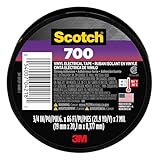
Electrical tape is specifically designed for insulating wires and connections. It’s made of vinyl, which is stretchy, resistant to abrasion, and importantly, it’s a non-conductive material that can handle a good jolt without melting or catching fire.
The adhesive is also formulated to stick firmly but also be removable without leaving a sticky residue that can degrade over time. I once tried to wrap a loose wire on an old lamp with duct tape because I was impatient. It worked for about a week.
Then, in the summer heat, the adhesive softened, the tape started to sag, and I ended up with a sticky, partially exposed wire that looked like a melted mess. Thankfully, no sparks flew, but it was a stark reminder that this stuff isn’t built for electrical jobs.
Duct tape, on the other hand, is a marvel of its own kind for general repairs. It’s got that fabric mesh backing that gives it strength, and the adhesive is designed for maximum stickiness on a wide variety of surfaces – wood, plastic, metal, you name it. But that very strength and stickiness is where the problems start when you try to use it on electrical work. That fabric backing?
It’s not inherently insulating. In fact, it can wick moisture.
And the adhesive, while strong, can break down under heat generated by electrical currents. Moreover, duct tape is not designed to stretch and conform to the irregular shapes of wire connections.
This can lead to gaps where moisture can get in, or where the tape can peel away, exposing the conductive parts. It’s the ultimate quick fix for a torn garden hose, sure, but for anything involving electricity, you’re playing with fire – literally.
When I first started tinkering with electronics as a kid, I had a habit of grabbing whatever was closest. I remember a particularly frustrating attempt to fix a blown fuse holder on a go-kart. I didn’t have proper electrical tape, so I wrapped the connection point with a few layers of duct tape. It looked… secure. For about five minutes. Then, during a test run, I heard a distinct sizzle, smelled burning plastic, and saw a little wisp of smoke. Luckily, it was low voltage and didn’t cause a major fire, but it was a terrifying moment that taught me a important lesson: for electrical insulation, you need electrical tape. (See Also: Can I Use Electrical Tape To Connect Wires )
The Real Deal: What Electrical Tape Actually Does
So, if duct tape is out, what makes electrical tape the proper tool for the job? It all comes down to its specialized material properties. Electrical tape is typically made from a vinyl backing coated with a pressure-sensitive adhesive. This vinyl is key.
It’s inherently non-conductive, meaning it won’t allow electricity to flow through it. This is its primary function: to prevent short circuits and protect you from electric shock by covering exposed wires or splices. Beyond just being non-conductive, it’s also designed to be flexible. Wires move, they bend, and electrical connections can be in awkward places.
Good electrical tape stretches and conforms to these shapes, creating a smooth, contiguous layer of insulation. This prevents any nicks or tears that could compromise the insulation over time.
Another important factor is its resistance to environmental factors. Electrical tape is formulated to withstand a range of temperatures, resist UV light (if used outdoors), and hold up against common chemicals and moisture. This is something duct tape simply cannot match. While duct tape might stick like a barnacle to most surfaces, its adhesive can degrade rapidly when exposed to heat generated by electrical current or when subjected to moisture. I’ve seen duct tape adhesive turn gooey and peel away after a few hours on a connection that was even slightly warm to the touch. This leaves the underlying wire exposed, defeating the entire purpose of applying a tape in the first place and potentially creating a hazard.
Furthermore, electrical tape is designed to be applied in overlapping layers. Each layer builds upon the last, creating a solid, insulating barrier that’s far more effective than a single, potentially imperfect wrap of duct tape. The adhesive on electrical tape also tends to be more stable over time. It’s less likely to become brittle and crack, or conversely, to become so soft that it oozes off the wire. Think about the difference between wrapping a gift with tissue paper versus wrapping it with thick, durable wrapping paper. Both cover the item, but one is clearly meant for presentation and protection, while the other is flimsy and easily damaged. Electrical tape is the durable wrapping paper for your wires.
When ‘good Enough’ Isn’t: Common Mistakes and Dangers
The biggest mistake people make when considering duct tape as an electrical tape substitute is thinking that ‘sticky’ equals ‘safe’ or ‘insulating’. It’s a dangerous assumption.
Duct tape’s primary function is adhesion and temporary structural repair. It’s fantastic for sealing boxes, patching tarps, or holding things together that don’t involve electricity.
But when you try to use it for electrical insulation, you’re ignoring the very specific engineering that goes into a proper electrical tape. The fabric backing of duct tape can actually absorb and hold moisture, creating a conductive pathway that’s the opposite of what you want. I learned this the hard way when I used duct tape to seal a poorly insulated outdoor junction box on a patio string light setup years ago. It kept the rain out for a while, but after a few stormy nights, I noticed some of the lights were flickering erratically.
Turns out, moisture had seeped through the fabric and started to corrode the connections underneath. A few more heavy rains and I probably would have had a short circuit, or worse.
Another common pitfall is believing that multiple layers of duct tape will magically create insulation. While layering might add some physical barrier, it doesn’t change the fundamental properties of the material.
If the material itself isn’t designed to be non-conductive and resist heat, layering it won’t make it so. You’re basically just adding more layers of potentially combustible material that can trap heat. Electrical tape, on the other hand, is specifically rated for voltage. This is a specification you’ll never find on a roll of duct tape. (See Also: Can Electrica Tape Catch On Fire )
These ratings tell you how much electrical potential the tape can safely handle without breaking down. Using duct tape for anything beyond a very low-voltage, temporary fix is a gamble with potentially severe consequences, including electrical shock, fire, and damage to your equipment.
I remember a neighbor who was convinced duct tape was the ultimate fix for everything. He’d use it to secure loose battery terminals on his car, patch up frayed appliance cords, and even try to wrap around a faulty plug prongs. It always looked like a messy, temporary job. One day, his toaster oven started smoking.
He’d used duct tape to wrap a section of the power cord that had frayed. The heat from the appliance, combined with the non-insulating nature of the tape, caused it to smolder and melt, creating a fire hazard. Thankfully, he caught it before it spread, but it was a terrifying demonstration of why specialized products exist.
The common advice that duct tape can be a substitute for electrical tape is simply wrong for most practical applications.
Real-World Applications: Where Duct Tape Fails and Electrical Tape Excels
Let’s break down where you might be tempted to use duct tape and why electrical tape is the only sensible choice. Consider repairing a frayed extension cord.
If the outer sheath is damaged but the inner wires are intact, you need to re-insulate those wires. Electrical tape is designed for this. It stretches around the wires, creating a smooth, durable, and non-conductive barrier.
If you use duct tape, the fabric can fray further, the adhesive can degrade, and the exposed wires could eventually touch, causing a short circuit or a shock hazard. I once saw a handyman try to “fix” a frayed cord on a power tool with duct tape. It lasted about two uses before the tape started to peel and expose the wires. The tool ended up needing a new cord, and the handyman looked foolish.
Another common scenario is splicing wires together, perhaps when extending a cable or making a repair. Proper wire splices involve connectors (like wire nuts or crimp connectors) and then insulating the splice. Electrical tape is used to wrap over these connectors, providing an extra layer of protection and making sure no stray wire strands can cause issues. Duct tape, with its thick, uneven texture, would make for a bulky, unreliable wrap. It wouldn’t conform well, leaving gaps and potential points of failure. The adhesive might not hold under the stress of the wires being pulled or moved. The fabric itself could even conduct a tiny amount of electricity if it gets damp, making the whole point of insulating moot.
Think about automotive electrical work. You’re often dealing with vibrations, temperature extremes, and exposure to fluids like oil and gas. Electrical tape is engineered to withstand these conditions to a degree, providing reliable insulation for harnesses and connections. Duct tape, on the other hand, would likely peel off within weeks, its adhesive turning gummy in the engine bay heat or becoming brittle in the cold.
I learned this the hard way trying to temporarily secure a loose brake light wire on my old truck. I used duct tape. Within a month, the tape had warped and was peeling off, exposing the wire to road salt and grime. It was a clear demonstration of duct tape’s limitations in a harsh, electrically sensitive environment.
This is why the question ‘can duct tape substitute for electrical tape’ in automotive applications, or any demanding environment, should always lead to a firm ‘no’. (See Also: Can I Substitute Duct Tape For Electrical Tape )
A Quick Comparison: Duct Tape vs. Electrical Tape
To hammer this home, let’s look at a direct comparison. It’s not about which is ‘better’ overall, but which is better for specific jobs. Duct tape is king of general-purpose repairs, temporary fixes, and holding things together. Electrical tape is the specialist for anything involving electrical insulation.
| Feature | Duct Tape | Electrical Tape | Verdict |
|---|---|---|---|
| Insulation Properties | Poor; fabric can wick moisture and is not inherently non-conductive. | Excellent; vinyl backing is non-conductive and rated for specific voltages. | Electrical Tape Wins |
| Adhesive Stability | Can degrade under heat, cold, or moisture; can leave residue. | Stable over a range of temperatures; designed for long-term adhesion without degradation. | Electrical Tape Wins |
| Flexibility & Conformability | Stiff; does not conform well to irregular shapes. | Highly flexible; stretches and conforms to wires and connections. | Electrical Tape Wins |
| Durability (Abrasion/Tear) | Good; fabric backing provides strength. | Good; vinyl is durable but less resistant to tearing than fabric. | Slight Edge to Duct Tape (for non-electrical use) |
| Primary Use Case | General repairs, sealing, bundling, temporary fixes. | Insulating electrical wires, splices, and connections. | Job-Specific |
You’ll notice electrical tape consistently wins for anything related to its intended purpose. That’s not a coincidence. The $5 or $10 you spend on a roll of good quality electrical tape from brands like 3M or Gardner Bender is an investment in safety and reliability. Trying to save a few bucks by using duct tape for electrical work is like trying to save money by not wearing a helmet when you ride a motorcycle. It’s a false economy that can lead to much bigger, more dangerous problems. I used to think electrical tape was just fancy tape. Now I know it’s engineered safety equipment for your electrical projects.
Faqs About Using Tape on Wires
Can Duct Tape Be Used for Temporary Electrical Repairs?
While duct tape might seem like a quick fix, it’s generally not recommended for even temporary electrical repairs. Its adhesive can degrade under heat, it’s not a reliable insulator, and the fabric backing can wick moisture. For any electrical work, even temporary, using proper electrical tape is significantly safer and more effective. A temporary fix with the wrong material can easily become a permanent hazard.
What Happens If You Use Duct Tape on Electrical Wires?
Using duct tape on electrical wires can lead to several problems. The non-insulating properties of the tape can allow electricity to pass through, creating a shock hazard. The adhesive can melt or break down due to heat from the current, causing the tape to peel away and expose the wires. This can lead to short circuits, fires, or damage to electrical equipment. It’s a gamble that rarely pays off.
Is There Any Situation Where Duct Tape Can Substitute for Electrical Tape?
Honestly, no. For anything involving actual electrical current, even very low voltage, duct tape is not a suitable substitute for electrical tape. Electrical tape is specifically designed with non-conductive properties, flexibility, and stable adhesion to safely insulate wires and connections. Duct tape is for general repairs, not electrical safety. It’s like asking if a spatula can substitute for a screwdriver – they’re both tools, but for entirely different jobs.
How Long Does Electrical Tape Last?
High-quality electrical tape, when applied correctly and stored properly, can last for many years. Manufacturers typically rate their tapes for specific voltage and temperature ranges, and they are designed to maintain their insulating properties over time. However, exposure to extreme temperatures, UV light, or harsh chemicals can degrade the tape faster. Always inspect your electrical tape work periodically, especially in demanding environments.
What Is the Difference Between Electrical Tape and Vinyl Tape?
Electrical tape is a type of vinyl tape. The key characteristic of electrical tape is that it’s made from vinyl and specifically formulated to be non-conductive, flexible, and resistant to heat and abrasion. While some other ‘vinyl tapes’ might exist for different purposes, when you buy ‘electrical tape,’ you’re getting a product designed for insulating electrical applications, conforming to standards like UL 510. Not all vinyl tapes are created equal for electrical work.
Final Thoughts
So, to circle back to the big question: can duct tape substitute for electrical tape? The answer, after years of hands-on experience and more than a few fumbled repairs, is a firm and unequivocal no. Duct tape is a fantastic tool for a million other things, but when it comes to safely insulating electrical wires and connections, it’s simply not up to the task. You’re not just risking a failed repair; you’re risking fire, shock, and damage to your devices.
For the sake of safety and long-term reliability, always reach for actual electrical tape. It might cost a couple of bucks more upfront, but the peace of mind and the avoidance of potential disasters are worth every penny. Don’t be that person who causes a blackout or a small fire because you grabbed the wrong roll from the drawer.
Next time you’re tempted by the shiny silver roll, remember this: for electrical work, there’s only one tape worth using. Invest in proper electrical tape, and if you’re unsure about a repair, it’s always better to consult a qualified electrician than to risk using duct tape where it doesn’t belong. Your safety is the most important thing, and that means using the right tool for the job.