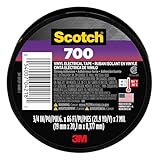
I remember the first time I tried to fix a frayed lamp cord with electrical tape. Seemed simple enough, right? Just wrap it up and bam, good as new. Except, it wasn’t. The tape looked janky, felt sticky even through the plastic, and honestly, made me nervous. It got me thinking about what this stuff is actually supposed to do, and more importantly, what it can’t do. So, let’s cut to the chase: can electric tape burn? It’s a question that pops up more than you’d think, and the answer isn’t always what the shiny packaging suggests.
For years, I’ve been fiddling with wiring, fixing gadgets, and generally making a mess of things in my garage, all in the name of getting stuff done. And I’ve learned the hard way that not all tapes are created equal. Especially when it comes to electricity. So, if you’ve ever wondered about the limits of that stretchy, vinyl stuff, stick around. We’re going to talk about whether electric tape can burn, and what you should really be doing instead.
What ‘electrical Tape’ Actually Means
Look, the name ‘electrical tape’ is kind of a marketing trick, isn’t it? It sounds like it’s made specifically for dealing with electricity, like some kind of superhero material.
The truth is, most standard electrical tape you grab off the shelf is primarily designed for insulation. That means it’s meant to stop electricity from jumping where it shouldn’t, creating a barrier. The common stuff, usually made from vinyl, is pretty good at this for low-voltage applications.
It stretches, it conforms to odd shapes, and it sticks reasonably well when it’s clean and dry. It’s great for tidying up wire bundles, marking different circuits with different colors, or giving a little extra protection to a minor nick in a wire’s jacket. I’ve used it countless times to keep split wires from touching each other, and for that, it’s usually fine. It’s also relatively resistant to moisture and chemicals, which is a bonus when you’re working in less-than-ideal conditions.
Think of it as a temporary fix or a secondary layer of defense for everyday household wiring. It’s not meant for high-heat environments or for situations where you have significant voltage fluctuations.
That’s where things get dicey, and where the idea of ‘can electric tape burn’ starts to become a real concern. The key is understanding its limitations, which, in my experience, are often glossed over.
Many people think electrical tape is some kind of fireproof magic. It’s not.
It’s a thermoplastic, meaning it will melt and can indeed burn if exposed to sufficient heat or an open flame. The ‘electrical’ part refers to its insulating properties, not its resistance to combustion. This is a really important distinction. When you’re dealing with anything more than a simple, low-amperage circuit, you’re entering territory where standard vinyl tape can fail.
I once saw a junction box where someone had used electrical tape to secure a connection that was getting hot. The tape had melted, slagged, and started to smolder. It didn’t immediately burst into flames, but it was a clear sign that it was way past its breaking point. The smell was awful, and it was a stark reminder that this stuff has limits.
The common advice that it’s ‘safe for electrical work’ needs a massive asterisk next to it, detailing what kind of electrical work.
Heat: The Silent Killer of Electrical Tape
This is where the ‘can electric tape burn’ question really gets its teeth. The primary enemy of standard electrical tape is heat. When electrical current flows through a wire, it generates heat. This is normal, to a degree.
However, if a connection is loose, overloaded, or there’s a fault, that heat can increase dramatically. Standard vinyl electrical tape has a relatively low melting point. When it gets hot enough, it doesn’t just soften; it can start to degrade, lose its adhesive properties, and eventually, yes, melt and burn. I’ve seen it happen.
It’s not usually a dramatic explosion, but more of a slow, nasty melt-down. Think of a candle wax dripping, but far less pleasant and with the added risk of igniting surrounding materials. This is why it’s absolutely important to understand the temperature rating of any tape you’re using, or better yet, to use materials specifically designed for higher temperatures when heat is a factor. Many DIYers, myself included in my early days, just grab the roll of black tape and assume it’s good for anything electrical. (See Also: Can I Use Electrical Tape To Connect Wires )
That’s a dangerous assumption.
The common advice you’ll find everywhere is that electrical tape is suitable for ‘insulating electrical wires and splices.’ That’s technically true, but it leaves out the important context of how much heat is involved. A wire in a typical household lamp or a low-power electronic device might generate just enough heat to make the tape feel slightly warm, which is fine.
But a wire in a car engine bay, near a furnace, or carrying a heavy load can get significantly hotter. In these scenarios, the tape will degrade, and if it gets hot enough, it can melt, drip, and potentially catch fire.
I had an instance where a small appliance started acting up, and upon inspection, the electrical tape I’d used on an internal wire had softened and was oozing. It hadn’t caught fire, but it was clear it was on its way there. This is why specific tapes like high-temperature vinyl tapes (often rated for 90°C or even higher) or specialty tapes like fiberglass or silicone tapes exist.
They are designed to handle the heat that standard tape simply cannot. The notion that one roll of black tape can handle all electrical needs is frankly, a bit naive.
The real danger isn’t just the tape burning, but what it can ignite. The plastic casing of the wires themselves, insulation on adjacent components, dust, or even flammable materials nearby can all be set alight by melting or burning electrical tape. This is how small electrical issues can escalate into serious fires. So, when you ask ‘can electric tape burn,’ the answer is a definitive yes, and the consequences can be far more severe than just a melted piece of tape.
When ‘good Enough’ Isn’t Good Enough: Better Alternatives
For most basic household tasks – tidying up speaker wire, insulating a low-voltage connector that’s already secured – standard vinyl electrical tape is generally fine. It’s cheap, ubiquitous, and does a decent job.
But if you’re dealing with anything that generates significant heat, carries a lot of current, or is in a demanding environment (like automotive or outdoor applications), you need to step up your game. Trying to save a few bucks by using standard tape in a situation that calls for something more solid is a false economy. I learned this the hard way after a particularly shoddy wiring job on my old workbench lamp. The connection got warm, the tape started to look greasy, and I had to redo it with better material.
It cost me time and a bit of embarrassment, but it was a good lesson.
Here’s where the real pros use different stuff:
| Application | Why Standard Tape Fails | Recommended Alternative | Verdict |
|---|---|---|---|
| High-heat wiring (e.g., near engine, appliance heating element) | Melts, degrades, can ignite | High-temperature vinyl tape (e.g., 3M Super 33+ or 88) or silicone tape | Standard tape is a fire hazard here. |
| High-voltage or high-current applications | Insulation breakdown, arcing risk | Specialty high-dielectric strength tapes, heat-shrink tubing, or proper connectors | Standard tape is insufficient and dangerous. |
| Outdoor or exposed wiring | UV degradation, moisture ingress | UV-resistant tapes, self-fusing silicone tape | Standard tape won’t last and can fail. |
| Areas requiring abrasion resistance | Tears easily, compromises insulation | Friction tape, specialized reinforced tapes | Standard tape offers minimal physical protection. |
A fantastic alternative for many situations, especially where a tight, waterproof seal is needed, is self-fusing silicone tape. You stretch it as you wrap, and it bonds to itself, creating a solid, smooth rubbery layer. It’s more expensive than basic electrical tape, but it handles heat, moisture, and provides excellent insulation. For securing connections that might get hot, I’ve found nothing beats good old-fashioned heat-shrink tubing. You slide it over the splice, heat it with a gun, and it shrinks down, creating a very durable and insulated seal. It’s a bit more work than just slapping on tape, but the result is far superior and much safer.
Ultimately, the question ‘can electric tape burn’ is a red flag. If you’re even asking it, you’re probably pushing the limits of what standard tape is designed for. It’s time to look at the specs and consider materials that are specifically engineered for the job at hand. It might cost a dollar or two more, but that’s a minuscule price to pay for preventing a potential fire or a major electrical failure.
Real-World Use Cases and When to Avoid
Let’s talk about where electrical tape actually shines, and more importantly, where it’s a recipe for disaster. For everyday, low-stakes stuff, it’s surprisingly useful. (See Also: Can Electrica Tape Catch On Fire )
I use it to color-code wires in my home network closet – red for power, blue for data, you get the idea. It’s quick, easy, and the colors are distinct. It’s also great for bundling small groups of wires together to keep things tidy.
If you’ve got a loose wire on a low-voltage item like a desk lamp, a fan, or a computer peripheral where the voltage is minimal and heat buildup is negligible, a wrap of electrical tape can provide a bit of extra security and keep exposed conductors from touching each other. It’s also handy for temporarily securing a wire to a surface or preventing a wire from snagging on something. These are low-risk applications where the primary goal is organization and minor insulation.
However, and this is a big ‘however’, there are places you should NEVER use standard electrical tape. Anything involving significant power draw, like circuits in your main breaker panel, appliances that draw a lot of current (like toasters, hair dryers, or space heaters), or anything connected directly to your home’s primary wiring. These components generate heat, and standard tape will degrade, melt, and potentially fail. I once helped a friend troubleshoot a flickering light, and discovered the ‘fix’ involved electrical tape on a wire that was clearly overheating.
The tape was soft, gooey, and smelled vaguely burnt. It was a disaster waiting to happen.
The common advice to ‘just wrap it up’ is dangerous when it comes to these high-demand applications.
Automotive applications are another big one. Engine compartments get hot.
Really hot. Standard electrical tape will turn into a sticky mess in no time.
You need tapes specifically rated for high temperatures and resistance to oil and fuel. Outdoor use is also problematic.
UV rays from the sun will break down standard vinyl tape over time, making it brittle and ineffective. Moisture can also seep in, compromising its insulating properties. So, while it’s tempting to reach for that roll of black tape because it’s handy, it’s important to consider the environment and the electrical load. If there’s any doubt, there’s your answer: don’t use it.
Think about the consequences. Can electric tape burn?
Yes, and it can also fail insidiously, causing shorts and fires long after you thought your ‘fix’ was complete. Always err on the side of caution and use materials designed for the specific conditions.
Understanding the Ratings: What ‘good’ Electrical Tape Looks Like
If you’re going to use electrical tape, you need to know what you’re looking for. The cheap, generic stuff you find at the dollar store is often barely adequate for wrapping Christmas presents, let alone electrical work. When I’m buying electrical tape, I always look for reputable brands.
3M is the gold standard for a reason, and even their basic tapes are a significant step up from no-name brands. But even within good brands, there are different types. The most common is vinyl, but you’ll see ratings like ‘Super 33+’ or ‘Super 88’. (See Also: Can I Substitute Duct Tape For Electrical Tape )
The 33+ is good for general-purpose indoor use, rated up to 176°F (80°C). The 88 is a bit beefier, rated up to 220°F (105°C), and offers better abrasion resistance and flexibility in cold temperatures.
What’s really important is understanding the temperature rating and dielectric strength. Dielectric strength is basically how well it resists electrical current. For most household wiring, a decent electrical tape has a dielectric strength of around 10,000 volts, which is more than enough for typical wall power. However, if you’re working with higher voltages, you’ll need tape with a much higher rating, or more likely, completely different materials altogether. Always check the packaging. If it doesn’t state a temperature rating or dielectric strength, that’s a massive red flag. It’s probably not designed for anything beyond the most basic, low-risk insulation tasks.
I once bought a multi-pack of generic electrical tape that was so thin and brittle, it cracked when I tried to stretch it. The adhesive was weak, and it just felt… cheap.
It was a total waste of about $10. That experience taught me to stick with brands I trust, even if they cost a bit more.
The difference in performance, durability, and safety is night and day. So, when you’re asking ‘can electric tape burn,’ remember that the quality of the tape itself plays a huge role. A high-quality, properly rated tape is less likely to fail under stress than a cheap imitation. Look for clarity on the packaging regarding temperature limits, voltage rating, and intended use.
If the information isn’t there, assume it’s not suitable for anything important.
People Also Ask:
Can Electrical Tape Melt?
Yes, electrical tape can melt. Standard vinyl electrical tape is a thermoplastic and has a relatively low melting point. When exposed to sufficient heat, it will soften, become gooey, and can eventually melt. This is why it’s not suitable for high-temperature applications.
What Is the Temperature Limit for Electrical Tape?
For standard vinyl electrical tape, the typical maximum operating temperature is around 176°F (80°C). Higher-quality tapes, like 3M Super 88, are rated up to 220°F (105°C). However, for applications exceeding these temperatures, specialized tapes are required.
What Can I Use Instead of Electrical Tape for Heat?
For applications involving heat, you should use high-temperature vinyl tape (often rated for 90°C or higher), silicone tape, or fiberglass tape. Heat-shrink tubing is also an excellent, more permanent solution for insulating splices that may experience heat.
Is Electrical Tape Waterproof?
Standard vinyl electrical tape offers some resistance to moisture, but it is not fully waterproof. Over time, especially when exposed to the elements or submerged, moisture can penetrate and degrade its insulating properties. Self-fusing silicone tape is a much better option if a waterproof seal is key.
Final Verdict
So, to finally put the question to rest: can electric tape burn? Yes, absolutely. It’s not designed to be fireproof, and under the right (or rather, wrong) conditions, it will melt and can ignite. This is why you need to be smart about where and how you use it. Relying on it for anything beyond basic, low-voltage, low-heat insulation is asking for trouble. I’ve learned that lesson, and so have many others through painful experience. Always check the temperature ratings and consider the environment. If you’re dealing with anything that gets hot, carries significant current, or is exposed to the elements, reach for the right tool for the job, not just the easiest one.
Don’t let the name ‘electrical tape’ fool you into thinking it’s a catch-all solution. It’s a specific tool for specific, generally low-demand tasks. For everything else, there are better, safer materials like high-temperature tapes, self-fusing silicone, or heat-shrink tubing. Investing a few extra dollars in the correct material will save you a headache, and potentially a lot more. Next time you need to insulate something, take a moment to think about the heat, the voltage, and the environment. Your wiring, and your home, will thank you for it.