I remember staring at a mess of wires behind an old stereo system, trying to make a dodgy connection hold. The thought popped into my head: could I just wrap it all up in electrical tape and call it a day? It seemed like a genius hack at the time. I mean, it’s tape, it’s for electrical stuff, right? So, can electrical tape be used as wire? The short, blunt answer is a resounding no, and I learned that the hard way with a puff of smoke and a fried circuit board.
Anyone who tells you it’s a viable substitute for actual wire is either incredibly lucky or trying to sell you something. It’s the kind of advice that sounds good in theory but falls apart the second you put any real demand on it. Let’s get into why this is a bad idea and what you should actually do.
Why Electrical Tape Isn’t Wire (and Never Will Be)
Look, I’ve been there. You’re in the middle of a project, the exact right wire is nowhere to be found, and you’ve got a roll of electrical tape sitting right there. It’s stretchy, it’s sticky, it’s black (usually), and it’s designed for electrical applications. So, the question ‘can electrical tape be used as wire?’
seems almost logical, doesn’t it? But here’s the deal: tape is an insulator, not a conductor. Wire is made of metal – copper, usually – which is a conductor.
They have fundamentally different jobs. Electrical tape’s job is to wrap around wires and connections to prevent them from touching each other or anything else, which could cause a short circuit or an electrical shock.
It’s a protective layer, like a cozy sweater for your wires, not the power source itself.
The materials are completely different. Wire, typically copper, has free electrons that can move easily, allowing electricity to flow. Electrical tape is usually made of PVC or rubber, which are designed to resist the flow of electrons. It’s like trying to use a raincoat to carry water; it’s just not what it’s built for.
I once tried to jury-rig a low-voltage LED strip power supply with just tape connecting the thin power wires. I figured, ‘It’s only 12 volts, what’s the worst that can happen?’ Well, the tape got warm, then hot, then started to melt, and I ended up with a sticky, gooey mess that shorted out the entire strip.
It wasn’t just a failure; it was a messy, smelly failure. That little experiment cost me about $30 for a new LED strip and a few hours of troubleshooting. Lesson learned: tape is for wrapping, not for carrying current.
The common advice often suggests using tape for temporary fixes, but even then, it’s usually for securing bundles of wires or insulating exposed ends after proper connections are made. It’s never meant to replace the actual conductive material. Think of it this way: you wouldn’t use duct tape to build a bridge, even though it’s sticky and strong. It’s the wrong material for the job. The conductivity of wire is most important, and tape offers virtually none. That’s the core difference that makes the idea of using tape as wire a non-starter.
What Actually Makes Wire Work (and Why Tape Fails Miserably)
So, let’s break down what’s really going on inside a piece of wire and why electrical tape can’t replicate it. At its heart, a wire is all about conductivity. We’re talking about metals like copper, aluminum, or even specialized alloys. These metals have a molecular structure where electrons are loosely bound and can move freely when an electrical potential (voltage) is applied. This movement of electrons is what we call electric current. The more easily those electrons can move, the lower the resistance, and the more efficiently electricity can flow. Copper is king for a reason: it’s an excellent conductor, relatively inexpensive, and easy to work with.
Electrical tape, on the other hand, is designed to be an electrical insulator. Its primary function is the opposite of wire: it’s meant to stop the flow of electricity. It’s typically made from polymers like polyvinyl chloride (PVC) or rubber compounds. These materials have tightly bound electrons that don’t readily move, creating high resistance and preventing current from passing through. When you try to push current through electrical tape, it’s like trying to force a river through a dam of cotton balls. It just doesn’t happen efficiently. The limited conductivity that might exist in some tapes is negligible and utterly insufficient for any practical electrical application beyond the most minuscule, incidental static discharge.
The thickness of wire also plays a role. Wires come in different gauges (AWG ratings), which tell you how much current they can safely handle. A thicker wire has more conductive material, allowing more electrons to flow without overheating.
Electrical tape, even if you layered it up thick, is still an insulator. You’re not adding conductivity; you’re just adding more material that resists flow.
I once saw a DIY video where someone used braided wire from an old appliance cord, stripped and twisted together, to extend a speaker wire. That’s using actual conductive material. If they had tried to substitute that with just layers of tape, the sound would have been weak at best, and it likely would have overheated and melted into a gooey, dangerous mess. The heat generated by current trying to push through resistance is a major concern. (See Also: Can I Use Electrical Tape To Connect Wires )
Wire is designed to manage this heat; tape is not.
Common Mistakes and Why They Lead to Disaster
People often get into trouble with wiring because they underestimate the power of electricity and the specific requirements of different components. The idea that ‘can electrical tape be used as wire?’ pops up when people are looking for a shortcut, a quick fix, or a way to avoid buying the right part. This is a recipe for disaster. One of the most common mistakes is assuming that any kind of tape will do. While electrical tape is designed for electrical applications, its role is insulation, not conduction. Using it as a conductor is fundamentally misunderstanding its purpose.
Another mistake is confusing ‘temporary fix’ with ‘permanent solution.’ Electrical tape can be fantastic for temporarily insulating a connection that’s already made, keeping it safe until you can properly solder or crimp it.
But using it as the actual conductor is never a temporary fix; it’s a ticking time bomb. I’ve seen people try to extend power cords or connect components by twisting together multiple strands of tape and expecting it to carry current.
This inevitably leads to overheating, melting, and potential fire hazards. I recall a friend who tried to patch a frayed power cord on his old lamp using layers of electrical tape. He thought he was being clever, saving a few bucks.
A week later, the tape started to discolor, then smoke, and thankfully, his smoke detector went off before the whole thing went up in flames. The lamp was toast, and the wall socket was scorched. The cost of a new lamp and potential damage to his home far outweighed the cost of a proper extension cord or repair.
People also sometimes misunderstand the ‘low voltage’ argument. ‘It’s just 12 volts, it’s safe!’ they might say. While low voltage is less dangerous to humans, it doesn’t mean it’s safe for your equipment or free from fire risk. Lower voltages can still draw significant current, especially if the resistance is high. That high resistance, which you’d get from trying to use tape as a conductor, generates heat. This heat can melt insulation, damage components, and start fires. It’s not just about shocking yourself; it’s about burning down your house. The common advice is always to use the correct gauge wire for the job, and for good reason. Undersized or improper conductors are a leading cause of electrical fires.
| Application | Wire | Electrical Tape | Verdict |
|---|---|---|---|
| Conducting Electricity |
Excellent. Designed to carry current efficiently. |
Terrible. Designed to prevent current flow (insulator). |
Wire is the only option. |
| Insulating Exposed Connections |
No. Conductors should not be left exposed. |
Excellent. Primary function of tape. |
Electrical tape is ideal. |
| Bundling Wires Together |
Can be used, but often overkill. (See Also: Can Electrica Tape Catch On Fire ) |
Good. Provides physical bundling and some protection. |
Tape is a good, flexible choice. |
| Temporary Repair (Insulation Only) |
N/A |
Good. For insulating exposed conductors temporarily. |
Tape can work if used correctly. |
Real-World Use: When Electrical Tape Shines (and When It Doesn’t)
Let’s be clear: electrical tape is a fantastic tool. I’ve got rolls of it in my toolbox that I use all the time. But its utility is strictly in its role as an insulator and a binder. It’s the unsung hero for tidying up wire harnesses, providing an extra layer of protection around a soldered joint, or even temporarily securing a loose wire to prevent it from snagging. For instance, if you’ve got a bundle of wires going into a junction box, wrapping them together with electrical tape can make the whole assembly neater and easier to manage. It prevents individual wires from shifting and potentially chafing against each other.
I also use it for marking wires. Different colors can denote different circuits, or a simple wrap can identify a wire that’s been modified.
It’s also great for temporarily holding wires in place while you’re working on something more permanent. Think about it: you need to replace a faulty switch.
You disconnect the old one, and the wires might flop around. A quick wrap of electrical tape can keep them neat and out of the way until you’re ready to connect the new switch.
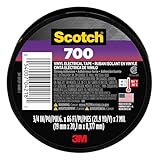
My personal go-to is high-quality vinyl electrical tape from 3M. It stretches well, adheres firmly, and holds up to reasonable temperatures. I paid about $6 for a roll last time, and it’s lasted me through a dozen small projects.
The flip side is where the misconception about ‘can electrical tape be used as wire?’ comes in.
It fails spectacularly when asked to do anything related to conducting electricity. This includes making power connections, extending power cords, or attempting to carry any significant current. If you need to extend a wire, you need actual wire of the correct gauge and then you can use electrical tape to insulate the connection you make (like a splice or a crimp).
I’ve heard of people using it to try and fix broken headphone wires. Again, the tiny signal wires inside might carry very little power, but they still need a conductive path. Tape offers none. You end up with silence, crackling, or a completely dead connection.
For that, you need a proper wire joiner, solder, or a replacement cable. (See Also: Can I Substitute Duct Tape For Electrical Tape )
Practical Tips for Using Electrical Tape Correctly
If you’re going to use electrical tape, do it right. First off, buy good quality tape. There are cheap knock-offs out there that are brittle, don’t adhere well, or degrade quickly. Brands like 3M, Scotch, or Gardner Bender are generally reliable. When you’re insulating a connection, make sure the wires are properly joined first – either by soldering, crimping, or using a wire nut. Electrical tape is the final layer of protection, not the connection itself. Start wrapping from a point slightly behind the connection and overlap each wrap by about half the width of the tape. Stretch the tape slightly as you wrap; this helps it conform tightly and creates a more durable, water-resistant seal.
For bundling wires, simply wrap the tape around the bundle at intervals, or create a continuous wrap along the length. This keeps things tidy and prevents wires from separating.
If you’re dealing with exposed ends that need to be kept from touching anything, wrap each end individually and then you can even use another wrap around the entire bundle for added security. My rule of thumb is to apply at least two to three layers of tape for good insulation, especially in areas that might be subject to flexing or minor abrasion. I learned this when I was fixing some outdoor garden lights.
The original wiring had some minor nicks, and I used electrical tape to seal them. I made sure to stretch the tape well and overlap generously.
Those repairs held up through a couple of rainy seasons before I eventually replaced the entire cable.
A less common but useful trick is using electrical tape to create a temporary grip on a tool handle or to reinforce a weak spot on a cable that isn’t a power-carrying part. For example, the strain relief on a charger cable can sometimes fray. Wrapping that area tightly with electrical tape can extend its life. Just remember, this isn’t about making the cable stronger to carry more power; it’s about protecting the existing structure. Always err on the side of caution. If you have any doubt about whether electrical tape is suitable for a particular electrical task, the answer is almost certainly no. Stick to its intended purpose: insulating and bundling.
Faq: Can Electrical Tape Be Used as Wire?
What Is Electrical Tape Made of?
Electrical tape is typically made from a flexible vinyl (PVC) backing coated with a rubber-based or acrylic adhesive. Some specialized tapes might use rubber compounds or other polymers, but the key is that these materials are designed to be insulators, not conductors.
Will Electrical Tape Conduct Electricity at All?
While no insulator is perfect, the conductivity of electrical tape is so infinitesimally small that it’s practically zero for any meaningful electrical current. It is designed to have very high resistance to prevent the flow of electricity.
Can Electrical Tape Be Used for Temporary Wiring?
No, electrical tape cannot be used as actual wiring. It can be used for temporary insulation of properly made wire connections, but never to carry current itself. Using it as wire is unsafe and will likely lead to failure and fire hazards.
What Happens If You Try to Use Electrical Tape as Wire?
If you try to use electrical tape as wire to carry current, it will overheat due to its high resistance. This can cause the tape to melt, smoke, and potentially ignite, leading to electrical shorts, damage to equipment, and a significant fire risk.
Final Verdict
So, to put it plainly, no, electrical tape cannot be used as wire. It’s an insulator, plain and simple. Trying to force it to conduct electricity is like asking a brick wall to hold water – it’s fundamentally the wrong material for the job and will end in failure, and potentially a dangerous one at that.
I’ve seen too many shoddy repairs and heard too many stories of melted messes to ever suggest otherwise. Stick to actual wire for carrying current. Use electrical tape for what it’s good at: insulating connections, bundling wires, and keeping things neat and safe. If you’re ever in doubt, always choose the safe, proper method over a questionable shortcut.
If you’re faced with a wiring problem, the best course of action is to get the right materials – proper gauge wire, connectors, and yes, good quality electrical tape for insulation. Don’t gamble with your safety or your electronics.