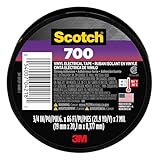
I once stood in my garage, staring at a roll of electrical tape that had seen better days. It was coated in dust, a few smudges of grease, and frankly, it looked pathetic. My first thought, born out of sheer desperation and a tight budget, was, ‘Can electrical tape be washed?’ It felt like a silly question, but then again, I’ve wasted enough cash on products that promised the moon and delivered dust bunnies. So, I figured, why not share what I’ve learned from years of fiddling with this stuff?
Most of us just grab a new roll when the old one gets grubby, but sometimes, you just need that one piece that’s almost perfect, just a little… grimy. This isn’t about making it look like new showroom stock; it’s about practicality. Can you salvage a slightly dirty piece of tape for a quick fix without it falling apart?
Why You Might Even Ask If Electrical Tape Can Be Washed
Look, nobody wants to wash electrical tape. It’s not like a kitchen sponge you can toss in the dishwasher. But let’s be honest, sometimes you’re mid-project, maybe trying to temporarily fix a loose wire cover on an outdoor light fixture or secure a garden hose nozzle that’s sprung a leak, and the tape you grab from the drawer has acquired a fine patina of workshop dust, dried paint splatters, or even a bit of oil. The question isn’t about vanity; it’s about utility. You’ve got this roll, it’s mostly intact, but it’s not pristine. Does a quick wipe-down, or dare I say, a gentle wash, render it useless?
My own ‘aha!’ moment came after a particularly messy landscaping job. I needed to patch a torn bit of protective sheeting around some delicate plants, and the only tape I had handy was already coated in a fine layer of potting soil and, I suspect, a bit of stray weed killer residue. My gut screamed ‘no,’ but my wallet whispered ‘try it.’ I gave it a quick rinse under the tap, patted it dry (sort of), and tried to stick it on. It held, surprisingly. But that was a one-off. What about more significant cleaning?
The core issue, as I see it, is the adhesive. Electrical tape relies on a specific type of rubber-based or vinyl adhesive that’s designed to be flexible, conformable, and hold strong, even in varying temperatures. Introducing water, especially with soap, can potentially break down that adhesive or leave a residue that compromises its stickiness. Think of it like trying to stick a label on a damp bottle – it’s never going to hold as well. The same principle applies here, albeit to a lesser extent with a quick wipe.
Most manufacturers, and I’ve glanced at a few spec sheets over the years, don’t explicitly state that their electrical tape is washable. They talk about dielectric strength, tensile strength, and temperature resistance – all important for its intended electrical insulation purpose. But for a DIYer needing a temporary fix, the question shifts from electrical safety to basic adhesion. If you’re insulating a live wire, forget washing it; use a fresh, clean roll. But for bundling garden hoses or securing a tarp? We’re in different territory.
So, why does this question even pop up? Because electrical tape is surprisingly versatile. It’s cheap, readily available, and has a satisfying stretch to it that makes it easy to wrap things. People use it for all sorts of non-electrical applications: marking tools, sealing packages, reinforcing handles, even as a makeshift bandage in a pinch (though I wouldn’t recommend that last one). In these less important, less ‘electrically sensitive’ roles, the idea of a quick clean-up seems plausible. It’s the ‘can I get one more use out of this slightly grubby roll?’ dilemma.
The Sticky Truth About Adhesives and Water
Let’s get down to brass tacks. Electrical tape’s magic lies in its adhesive. It’s not meant to be submerged, let alone scrubbed. Most quality electrical tapes use a pressure-sensitive adhesive (PSA) based on rubber or synthetic polymers. This stuff is designed to bond when you apply pressure. Water, especially when combined with detergents or soaps, can interfere with this bonding process in a couple of ways. Firstly, it can act as a barrier, preventing the adhesive from making full contact with the surface you’re trying to stick it to. Imagine trying to glue two pieces of wood together when there’s water between them – not a great bond.
Secondly, and this is more of a long-term concern if you were to repeatedly expose it to moisture, the water can start to break down the chemical components of the adhesive itself. Over time, this can lead to a loss of tackiness, making the tape less sticky. You might notice it peeling off more easily, or it just feels… greasy and doesn’t grab like it used to. This is why you’ll never see electrical tape advertised as suitable for outdoor, wet environments without a protective top layer or a specific formulation for such conditions.
I remember trying to use some old electrical tape that had been stored in a damp shed for a DIY boat repair – just a small patch to stop a minor drip. I’d tried to wipe off the mildew, but the adhesive felt gummy and weak. It lasted about as long as a snowball in August. That experience really hammered home for me that the adhesive is the most sensitive part. While a very light wipe with a damp cloth might not destroy it, anything more aggressive, like washing with soap or submerging, is likely to degrade its performance significantly.
This is where the ‘can electrical tape be washed’ question gets tricky. If you’re talking about a quick wipe to remove dust, you might get away with it. The water evaporates quickly, and if you haven’t used soap, the adhesive is less likely to be compromised. But if you’re thinking about rinsing off grease, paint, or anything more substantial, you’re probably degrading the tape’s ability to stick. It’s a gamble, and for electrical work, it’s a gamble you should never take.
Contrast this with, say, duct tape. Duct tape’s adhesive is generally more aggressive and can sometimes withstand a bit more abuse, though even that isn’t designed for washing. For electrical tape, the flexibility and the specialized properties for electrical insulation mean the adhesive is a more delicate balance. Messing with that balance is usually a bad idea. The common advice to avoid water is sound, and for good reason: it directly impacts the tape’s primary function – sticking. (See Also: Can I Use Electrical Tape To Connect Wires )
What to Look for: Better Alternatives to Washing
Honestly, instead of trying to salvage a grubby roll of electrical tape, it’s often far more practical to just grab a fresh one. Electrical tape isn’t that expensive, especially when you consider the potential hassle and the risk of a failed repair if the tape doesn’t stick properly. I usually keep a few rolls of different types – a standard vinyl one for general-purpose work, and a higher-quality one (like 3M Super 33+ or Scotch 88) for any actual electrical insulation needs. These higher-grade tapes have better adhesion and temperature resistance, and they’re worth the few extra dollars.
If the tape is dusty or has light, dry smudges, a quick wipe with a dry microfiber cloth is your best bet. It removes the surface debris without introducing any moisture that could weaken the adhesive. For slightly more stubborn, non-greasy marks, a very lightly dampened cloth (think just barely damp, not wet) might work, but you have to be quick to let it dry. I’ve done this a handful of times on a piece of tape I needed for a non-important application, like bundling some loose cables behind the TV, and it was fine. The key is minimal moisture and no soap.
However, if the tape is genuinely dirty – covered in grease, paint, mud, or anything sticky – your best bet is to accept that it’s probably not going to perform reliably after attempting to clean it. Trying to wash it is like trying to polish a turd; it’s not going to make it a diamond. In these cases, it’s time to reach for a new roll. Think of the time you’ll save not wrestling with a weak-sticking piece of tape that keeps peeling off.
Let’s look at some common scenarios and my verdict on salvaging versus replacing:
| Type of Grime | Verdict on Cleaning | Reasoning | Recommendation |
|---|---|---|---|
| Light dust/workshop particles | Possible, with caution | Minimal impact on adhesive if done dry or with a barely damp cloth. | Try dry microfiber cloth first. If needed, use a very lightly damp cloth. |
| Dried paint splatters (small) | Risky | Paint solvent might damage adhesive. Physical removal could peel tape. | Replace. Better safe than sorry. |
| Grease/Oil | No | Solvents needed will likely destroy adhesive. | Replace immediately. |
| Mud/Dirt (dried) | No | Washing will saturate the adhesive. | Replace. |
| Sticky residue (e.g., old label adhesive) | No | Attempting to remove it will likely ruin the tape’s own adhesive. | Replace. |
So, while the question ‘can electrical tape be washed’ lingers, the practical answer for most situations where the tape is more than just dusty is a resounding ‘no.’ It’s not designed for it, and the adhesive is too sensitive. Invest in a fresh roll; it’s the reliable choice.
Common Mistakes People Make with Electrical Tape
The biggest mistake people make, and it ties directly into the ‘can electrical tape be washed’ conundrum, is thinking it’s a miracle product for everything. It’s not. It’s specifically designed for electrical insulation and protection. Using it for heavy-duty repairs, structural fixes, or anything where significant stress will be applied is asking for trouble. I’ve seen folks try to use it as primary tape for holding together broken plastic parts on car bumpers, or as a waterproof seal for leaky pipes. It’s not built for that kind of abuse. Electrical tape is pliable and stretchy, which is great for conforming to wires, but it lacks the brute strength of, say, heavy-duty packing tape or specialized repair tapes.
Another common error is stretching it too thin when wrapping. Electrical tape has good tensile strength, meaning it can withstand a decent amount of pulling. However, if you stretch it beyond its elastic limit, you weaken its insulating properties and its ability to adhere properly. You end up with a translucent, brittle strip that’s prone to tearing and won’t provide adequate protection. The goal is to wrap it snugly, with perhaps a 50% stretch, so it conforms and seals without becoming overly thin. This is particularly important when insulating wires.
A related mistake is not overlapping enough. When you’re insulating wires, you need to overlap each wrap by at least half the width of the tape. This creates a continuous, smooth barrier against moisture and electrical current. If you leave gaps, even small ones, you compromise the entire point of using the tape. I’ve seen people do a quick, haphazard wrap, thinking they’ve done enough, only to have the insulation fail later. Patience and proper technique are key here.
Then there’s the issue of using old, dried-out tape. Over time, especially if stored improperly (like in direct sunlight or extreme temperatures), the plasticizer in the vinyl can break down, making the tape brittle and less pliable. The adhesive can also dry out. Trying to use this old tape is a losing battle. It cracks when you try to stretch it, it doesn’t stick well, and it offers poor protection. If your tape feels stiff and doesn’t have that characteristic stretchy feel, it’s probably past its prime. This is where the washing question really falls flat – you can’t fix brittle, dried-out tape by washing it.
Finally, the most dangerous mistake is using electrical tape for actual electrical repairs when it’s damaged or dirty. If the tape is torn, has melted residue on it, or has been compromised by trying to wash it, it’s no longer a reliable insulator. Using it in this state to cover a splice or a damaged wire can lead to shorts, shocks, or even fires. For any application involving electricity, always use clean, undamaged, high-quality electrical tape specifically rated for the voltage you’re working with. When in doubt, toss it and buy new. Your safety is worth more than the cost of a roll of tape.
Real-World Uses: When It Works (and When It Doesn’t)
Electrical tape shines brightest when used for its intended purpose: insulating electrical connections. Think splicing wires on a lamp, repairing the frayed cord on a vacuum cleaner (after unplugging it, obviously!), or protecting exposed wires in an automotive repair. (See Also: Can Electrica Tape Catch On Fire )
Its flexibility allows it to wrap snugly around irregular shapes, and its vinyl backing provides a good degree of resistance to abrasion and moisture for short-term protection. For these jobs, you want clean, fresh tape.
There’s no question about washing it; it’s about providing a reliable barrier. I once had to re-insulate a few wires in an old appliance I was restoring. The original tape was brittle and cracked. I used some good quality 3M Super 88, stretched it just right, overlapped generously, and it felt solid.
That’s the ideal scenario.
Beyond the obvious, electrical tape is surprisingly useful for temporary, non-important fixes around the house. Need to keep a garden hose from kinkng? Wrap a few layers of electrical tape around the bend. The hose isn’t under pressure that would burst through the tape, and the dirt and water it might get exposed to won’t compromise its primary function of keeping the hose from collapsing. I’ve used it to reinforce the handle on a cheap trowel that was starting to split – it held up for the rest of the season.
Bundling cables is another common use. It’s softer than zip ties and less likely to damage delicate cables. You can wrap it loosely or tightly depending on your needs. It also makes for good temporary cable identification. Wrap a different color around different types of cables (e.g., red for power, blue for network) to quickly tell them apart. This is where a slightly smudged roll might be okay if it’s just dusty, but I’d still lean towards clean tape for clarity.
However, there are plenty of times when electrical tape is not the answer. Trying to use it as a waterproof sealant for outdoor equipment is a common pitfall. While it offers some resistance, it’s not truly waterproof over extended periods, and the adhesive can degrade under constant exposure to the elements. For serious waterproofing, you need specialized tapes like Flex Seal tape or high-quality waterproof repair tapes. My neighbor tried to seal a small leak in his RV awning with electrical tape. It looked okay for a week, then started peeling away, letting water right through.
Another area where it falls short is for applications requiring high tensile strength or extreme temperature resistance. If you need to hold something together under significant pulling force, or in a place that gets very hot or very cold, electrical tape will likely fail. For those jobs, you need tapes designed for those specific conditions. Think heavy-duty duct tape for outdoor tarps, or specialized automotive tapes for engine bay repairs. The limitations of electrical tape are real, and trying to push it beyond its design parameters, even if you’ve tried to wash it clean, is a recipe for disappointment and potential failure.
Practical Tips: Making Your Tape Last (without Washing)
The best way to keep your electrical tape in good condition, so you don’t even have to think about washing it, is proper storage. Keep it in a cool, dry place, away from direct sunlight and heat sources. A toolbox drawer or a craft bin is usually ideal. Avoid leaving it in your car, especially in the summer, as the heat can degrade the adhesive and the vinyl backing. I learned this the hard way when a roll I left in my truck became brittle and useless after a few hot weeks. It’s not about a fancy container; it’s just about avoiding extremes.
When you’re using the tape, try to handle it as little as possible with bare hands, especially the adhesive side. Your skin has natural oils, and while it might not seem like much, repeated contact can slightly reduce the tape’s tackiness over time. If you’re doing a lot of wrapping, try to keep the roll clean and avoid dropping it or letting it pick up debris from the work surface. A quick flick to remove dust before each use can help prolong its life.
Cut the tape cleanly with scissors or a sharp utility knife rather than tearing it. Tearing can leave jagged edges and sometimes stretch the tape unevenly, which can affect its adhesion and insulating properties. A clean cut makes sure a smooth edge that will lay down flat and seal properly. This is especially important when you need a professional-looking finish or a truly reliable insulation job. It’s a small detail, but it makes a difference in how well the tape performs.
For those moments when you really need to clean a slightly dusty roll for a non-important, cosmetic job (like bundling visible cables), remember the ‘less is more’ rule with moisture. Use a dry microfiber cloth first. (See Also: Can I Substitute Duct Tape For Electrical Tape )
If there are light, dry smudges, a cloth that is barely damp – I mean, you wring it out until it’s almost dry – is your absolute maximum. Wipe gently, then let it air dry completely for at least an hour, preferably longer, before using it.
Don’t use soap, don’t use solvents, and definitely don’t soak it. The goal is to remove surface dust, not to perform a deep clean. If the tape feels sticky or gummy after this, it’s a sign the adhesive is compromised, and you should just get a new roll.
Finally, consider buying tape in smaller quantities if you don’t use it very often. A massive roll that sits in your garage for five years will likely degrade before you use it all. Buying a couple of standard-sized rolls and replacing them every couple of years is a better strategy than having old, brittle tape on hand. This makes sure you always have reliable tape ready for when you need it, avoiding the temptation to try and salvage questionable material. The advice from 3M, a leading manufacturer, generally emphasizes using their tape within a certain shelf life and under recommended storage conditions, which implies that washing is not part of its intended longevity or maintenance.
Frequently Asked Questions About Electrical Tape
Can Electrical Tape Be Washed with Soap and Water?
No, it’s generally not recommended to wash electrical tape with soap and water. The soap and water can break down the adhesive, leaving it less sticky and compromising its ability to bond. While a quick wipe with a barely damp cloth might be okay for light dust, anything more will likely damage the tape.
Will Washing Electrical Tape Ruin Its Stickiness?
Yes, washing electrical tape, especially with soap, will almost certainly ruin its stickiness. The adhesive is sensitive to moisture and chemical agents, and washing will degrade its ability to adhere to surfaces effectively. It’s best to use a fresh roll if the current one is dirty.
Is Electrical Tape Waterproof?
Electrical tape offers some resistance to moisture and is designed to provide insulation in damp conditions, but it is not fully waterproof. Prolonged exposure to water can still degrade its adhesive and the backing material, compromising its effectiveness. It’s best suited for insulating connections against occasional dampness rather than continuous submersion.
How Should I Store Electrical Tape to Keep It in Good Condition?
Store electrical tape in a cool, dry place away from direct sunlight and extreme temperatures. Keeping it in a toolbox or a similar protected environment will help prevent the adhesive from drying out or becoming brittle, making sure it remains pliable and sticky for its intended use.
Verdict
So, can electrical tape be washed? The short, blunt answer is: you can, but you absolutely shouldn’t if you expect it to perform reliably. My personal experience, and the nature of the adhesive itself, tells me that any attempt at washing is going to compromise its stickiness and its integrity as an insulator. It’s not like washing a dish or a piece of clothing; the materials involved are far too sensitive.
Instead of trying to salvage a dirty roll, which is a gamble at best and potentially dangerous for electrical work, it’s far wiser to invest in a new roll. They’re inexpensive, readily available, and knowing you have a clean, effective product will save you frustration and potential headaches down the line. If your tape is just dusty, a dry microfiber cloth is your friend. Anything more is asking for trouble.
Ultimately, the question of whether electrical tape can be washed boils down to practicality versus risk. For most of us, the risk of a failed repair or a compromised electrical connection outweighs any minor savings from trying to clean a dirty roll. For important applications, always start with fresh, clean tape.