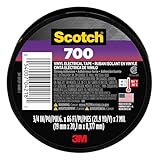
I remember fiddling with a busted lamp when I was a kid, trying to fix the frayed cord with whatever I could find. Electrical tape was the go-to, right? Smooth, black, and seemingly invincible. But then I started wondering: can electrical tape become magnetic? It seemed like a stupid question at the time, but the more I thought about it, the more it nagged at me. We use it to insulate, to hold things together, to keep sparks at bay. But magnetic? That’s a whole different ballgame.
The honest truth is, most of us grab electrical tape without a second thought. It’s just… tape. You slap it on, and it does its job. Or at least, that’s what we hope. But what happens under the hood, so to speak, is more interesting than you might think. It’s not as simple as just saying ‘yes’ or ‘no’ to whether can electrical tape become magnetic.
What’s Actually in That Roll of Tape?
Look, nobody buys electrical tape because they’re fascinated by polymer chemistry. You buy it because you’ve got a wire that’s showing its guts, or you need to bundle some cables so they don’t look like a spaghetti monster exploded.
And for decades, that standard black tape has done the trick. But if you’re asking if electrical tape can become magnetic, you’re probably picturing it sticking to your fridge. Let’s get one thing straight right off the bat: standard PVC electrical tape, the kind you buy at any hardware store for a few bucks, does not inherently become magnetic.
It’s made of polyvinyl chloride (PVC) with plasticizers and stabilizers, and then coated with an adhesive. None of those components are ferromagnetic materials, meaning they don’t have a strong attraction to magnets or the ability to become permanently magnetized themselves.
Now, I’ve seen some weird stuff in my time. Once, I was working on a project that involved some unusually powerful magnets, and I swear a bit of tape I had lying around seemed… clingy. Turns out, it wasn’t the tape itself.
It was the tiny bits of metal dust that had settled on it from the workshop environment. This is where the confusion often creeps in.
You might have a roll of tape sitting in a toolbox that’s full of metal shavings, or maybe you’ve used it to secure a component that is magnetic. The tape itself isn’t turning into a magnet; it’s just picking up stray magnetic particles or adhering to something that is already magnetic. It’s like blaming your shirt for sticking to a metal door when you’re wearing a static-charged sweater.
The primary function of electrical tape is insulation, both electrical and mechanical. The PVC is a good insulator, preventing short circuits. The adhesive is designed to stick firmly but also remain flexible, even in varying temperatures. It’s built for reliability in electrical applications, not for attracting iron filings. So, unless you’re mixing rare earth elements into your DIY tape recipe, your standard roll is going to stay stubbornly non-magnetic. The common advice you might find online or from well-meaning folks – that any tape could become magnetic – is usually just a misunderstanding of how magnetism works in everyday scenarios, or it’s referring to niche, specialized tapes, not the kind you’d use for a quick fix on a power cord.
Think about it: if electrical tape naturally became magnetic, the electrical industry would have a huge problem on their hands. Wires would be sticking to conduit, panels would be attracting dust and debris, and safety would be compromised. It’s just not a property of the material itself. The materials are designed to be inert in the face of magnetic fields, to do their job of isolating conductors without interacting with external magnetic forces. The only way you’d see a magnetic effect is if the tape was somehow infused with magnetic particles, which is not the case for standard consumer-grade electrical tape.
The Subtle Art of Insulating Materials
So, we’ve established that your average roll of black vinyl tape isn’t going to start clinging to your toolbox lid on its own. But why is that? It all comes down to what materials are actually in that tape and how they interact with magnetic fields. The world of materials science is vast, and not everything behaves the same way. Some things are attracted to magnets, some are repelled, and most just don’t care.
The core component of most electrical tapes is Polyvinyl Chloride (PVC). PVC is a polymer, a long chain of molecules. Polymers, in general, are not magnetic. They don’t have unpaired electrons in their atomic structure that can align with an external magnetic field to create a net magnetization. Metals like iron, nickel, and cobalt are ferromagnetic because their atomic structures allow for this alignment, creating strong magnetic effects. Plastics like PVC simply lack this property. Even the plasticizers and stabilizers added to make the PVC flexible and durable aren’t magnetic. They’re usually organic compounds that don’t have the necessary electronic properties.
The adhesive is another key part. Electrical tape adhesives are typically rubber-based or acrylic-based. These are designed for tackiness and adhesion, not for magnetic properties.
They might contain fillers or tackifiers, but again, none of these are typically magnetic materials. The goal is a strong bond that doesn’t degrade over time or under electrical stress.
If the adhesive were magnetic, it could cause all sorts of problems, like attracting metal filings and potentially compromising the insulation. My first experience trying to fix a garden hose with that super-stretchy, self-fusing silicone tape that looks like it could be magnetic was a dead end. It just stretched and stuck to itself, no magnetic attraction whatsoever, even though it felt like it should have had some weird property. (See Also: Can I Use Electrical Tape To Connect Wires )
Here’s a contrarian thought that might pop up: what about those specialty tapes? You might find tapes designed for specific industrial applications that do have magnetic properties, but these are usually clearly labeled and not what you’d find in a typical DIY kit.
For instance, magnetic shielding tapes exist, but they work by blocking magnetic fields, not by becoming magnetic themselves. They often contain materials like mu-metal or other alloys that have high magnetic permeability. These are very different beasts from your everyday electrical tape.
So, when people ask if electrical tape can become magnetic, they’re almost always thinking of the standard stuff. And the answer for that is a pretty firm no, based on the fundamental properties of the materials used.
The key takeaway here is that magnetism is a specific property tied to certain materials and their atomic structure. Unless those specific magnetic materials are intentionally incorporated into the tape – which would defeat its purpose as standard electrical insulation – it’s not going to develop magnetic properties. It’s physics, pure and simple, and standard PVC electrical tape just doesn’t have the right stuff.
When ‘magnetic’ Means ‘sticky’ (and Other Confusions)
Let’s be real. Most of the time, when someone asks if electrical tape can become magnetic, they’re not thinking about atomic electron spins. They’re thinking about that time a piece of tape seemed to be… attracting something.
Or maybe they’ve seen a video online that made them scratch their heads. This is where the lines get blurry, and where the actual “can electrical tape become magnetic” question often stems from everyday observations that get misinterpreted. The most common confusion is between magnetic attraction and simple adhesion or static cling.
Electrical tape has a sticky side, right? That’s its adhesive.
It sticks to things because of chemical bonds and intermolecular forces, not because of magnetic fields. If you’ve ever pulled a piece of tape off a surface and felt a slight tug, that’s the adhesive doing its job. It’s not magnetism.
Then there’s static electricity. On a dry day, you can generate static by rubbing certain materials together.
If you rub a balloon on your hair, it sticks to the wall. Similarly, if you’re handling a lot of plastic, or working in a dry environment, the tape itself can build up a static charge. This can make it stick to surfaces, or even attract small, lightweight particles like dust or lint.
This effect can mimic magnetic attraction, especially if the particles you’re seeing stick to the tape are metallic or contain ferrous materials. I once had a roll of tape that I was using in a dusty old garage, and it seemed to be picking up tiny metal filings from the workbench. I thought, “Whoa, is this tape actually magnetic?” Turns out, it was just static attraction to the metal dust, which itself was probably slightly magnetized from being near other metal objects.
It took a bit of experimenting with a strong magnet to realize the tape itself wasn’t reacting at all.
Another source of confusion could be the packaging or the storage conditions. If you keep your electrical tape in a metal tin or a toolbox that has magnets on it, the tape might end up with tiny metal particles stuck to it from the container. Or, if you’re using the tape to secure something that is magnetic, like a small tool or a component with magnets, the tape will obviously adhere to it. The tape isn’t becoming magnetic; it’s just part of a magnetic assembly. This is why it’s so important to distinguish between the intrinsic properties of a material and its interactions with its environment. The tape itself isn’t changing its fundamental nature.
Some specialized tapes might have additives for specific purposes. For example, some industrial tapes might contain conductive fillers for antistatic properties or to create a Faraday cage effect. While these fillers are often carbon-based or metallic, they are not typically ferromagnetic and are used for electrical properties, not magnetism. The vast majority of common electrical tapes, however, are designed for simple, reliable insulation. The ‘magnetic’ phenomenon you might observe is almost always a side effect of adhesion, static electricity, or contamination with external magnetic materials, not an inherent change in the tape’s properties. It’s just physics and a bit of workshop dust. (See Also: Can Electrica Tape Catch On Fire )
A Practical Comparison: What to Use When
When you’re in the middle of a job, the last thing you want is to be second-guessing your materials. You need to know what’s going to work, and more importantly, what’s not going to cause you headaches down the line. So, while we’ve been dissecting whether electrical tape can become magnetic, it’s worth looking at how it stacks up against other common tapes you might find yourself reaching for, and when you absolutely should not use electrical tape.
Let’s break down some common tape types and their suitability, especially in relation to electrical work and magnetic properties. Remember, the core question of “can electrical tape become magnetic” is largely a red herring for standard tapes, but understanding these differences is key.
| Tape Type | Primary Use | Magnetic Properties (Inherent) | Electrical Insulation | Adhesive Strength | Opinion/Verdict |
|---|---|---|---|---|---|
| Standard Electrical Tape (PVC) | Insulating electrical wires, bundling cables | None | Excellent | Good, flexible | The go-to for electrical work. Don’t expect it to become magnetic. |
| Duct Tape | General repairs, sealing, holding | None | Poor to None | Strong, but can leave residue | Never for electrical insulation. Purely mechanical. |
| Packing Tape | Sealing boxes, light-duty bundling | None | None | Moderate | Fine for boxes, useless for wires. |
| Gaffer Tape | Stage production, securing cables (temporarily), general holding | None | Poor | Strong, removable residue-free (usually) | Great for temporary fixes, but not primary electrical insulation. |
| Masking Tape | Painting, temporary holding | None | None | Light | Water-soluble adhesive. Absolutely not for electrical jobs. |
| Gorilla Tape / Heavy-Duty Repair Tape | Heavy-duty repairs, holding | None | None | Very Strong | Indestructible for mechanical tasks, but not electrical safety. |
| Self-Fusing Silicone Tape | Plumbing leaks, high-temp insulation (sometimes electrical) | None | Excellent (when applied correctly) | Self-fusing, no traditional adhesive | Good for specialized sealing and insulation, but tricky to apply. |
The important point here is that while you might be asking if electrical tape can become magnetic, the real question for any practical application is: does it insulate properly and stick where it needs to? For standard electrical tasks, PVC electrical tape is the champ. I’ve used it to repair everything from a toaster cord to a car headlight wiring harness.
It stretches, conforms, and provides a reliable barrier. I remember one time, I was miles from anywhere with a trailer light that had shorted out. All I had was a roll of electrical tape. I managed to wrap it tight enough to get me home, and it held for months.
That’s the kind of reliability you need, and it’s not about magnetism.
Using duct tape or packing tape on electrical wires is a recipe for disaster. They don’t provide reliable insulation, they degrade quickly, and they can leave a sticky mess. And while some people might try to jury-rig things with these, it’s simply not safe. Always use tape specifically designed for the job. If you need to insulate wires, reach for electrical tape. If you need to hold a pipe together temporarily, maybe gaffer tape or even Gorilla Tape might do. But never, ever compromise on electrical safety for the sake of using the wrong tape. The magnetic properties of tape are, for all intents and purposes, irrelevant to its function as electrical insulation.
Common Mistakes and Why They Happen
You’d think using tape would be simple. Slap it on, done. But I’ve seen (and made) enough mistakes over the years to know that even the most basic tasks can go sideways. When it comes to electrical tape, the biggest mistake people make isn’t about it becoming magnetic – it’s about using it incorrectly or in the wrong situations. The fact that people even ponder if can electrical tape become magnetic speaks to a broader misunderstanding of what tape is and isn’t designed for.
One of the most common errors is not using enough layers. Electrical tape is designed to insulate, and that requires a certain thickness. If you’ve got a wire that’s heavily damaged, or you’re trying to bridge a significant gap, a single thin wrap just isn’t going to cut it. You need to overlap each layer generously, building up a solid, insulating barrier.
I learned this the hard way trying to fix a frayed power cord on an old space heater. I thought two wraps would be enough. Turns out, it wasn’t, and I got a nasty little jolt the next time I flipped the switch.
Three, maybe four layers, with good overlap, is usually the minimum for anything more than minor wear.
Another blunder is stretching the tape too much. Electrical tape has a certain elasticity, and stretching it can help it conform to irregular shapes. However, if you stretch it too thin, you compromise its insulating properties. It becomes weaker, more prone to tearing, and the adhesive might not bond as well.
Imagine stretching a rubber band to its absolute limit; it gets thin and is more likely to snap. The same principle applies. You want it snug and conforming, not pulled to the breaking point.
This also applies to temperature. Standard PVC electrical tape has a temperature limit, typically around 176°F (80°C). Using it in extremely hot environments, like near an engine or in direct sunlight on a scorching day, can cause it to degrade, lose its adhesion, and fail its insulating purpose. For higher temperatures, you’d need specialized tape like high-temperature vinyl tape or even fiberglass tapes.
Then there’s the issue of contamination. If the surface you’re applying the tape to is dirty, oily, or damp, the adhesive won’t stick properly. This leads to the tape peeling off, exposing the wire underneath, and defeating the whole purpose. Always clean the area thoroughly before applying electrical tape. This is why I’m always wiping down wires with a bit of isopropyl alcohol before I start taping. It’s a small step, but it makes a huge difference in how long the repair lasts. The common advice is simple: clean surface, good adhesion. It’s not rocket science, but it’s often overlooked. (See Also: Can I Substitute Duct Tape For Electrical Tape )
Finally, and this circles back to the magnetic question, people sometimes use electrical tape for things it’s not designed for. Trying to use it as a general-purpose adhesive for heavy-duty repairs, or expecting it to stick permanently to rough, uneven surfaces like you might with industrial-strength adhesives, is a mistake. It’s designed for electrical insulation and bundling, not for holding up a shelf. Its adhesive is good for its purpose, but it’s not a miracle glue. Stick to its intended use, and you’ll avoid most problems. The allure of “what if” questions like “can electrical tape become magnetic” can sometimes distract from the practical realities of using the tool correctly.
The Lowdown: Practical Tips and Real-World Use
Alright, let’s cut through the noise. You’ve got a wire that’s seen better days, or you’re running some new low-voltage lighting and need to keep things tidy. You reach for that roll of black tape. Here’s what I’ve learned from actually using this stuff, not just reading about it. The question of whether can electrical tape become magnetic is, for all practical purposes with standard tape, a non-issue. Focus on what it is good for.
First off, quality matters. You can buy a giant pack of generic electrical tape for next to nothing, or you can spend a bit more on a reputable brand like 3M Super 33+ or Scotch 35. I’ve found that the cheaper stuff tends to get brittle faster, the adhesive isn’t as reliable, and it can leave a gummy residue. My first few rolls were the bargain bin kind, and they failed constantly.
Spending an extra couple of bucks on a decent brand, maybe $4-5 a roll instead of $1, has saved me a lot of headaches and re-dos. It’s just more flexible, sticks better, and lasts longer. I’ve had repairs done with good quality tape hold up for years in less-than-ideal conditions.
When you’re applying it, think about overlap and tension. Don’t just wrap it loosely. Apply it with a bit of stretch – not so much that it’s transparent and about to snap, but enough that it conforms tightly to the shape of the wire or object. Each new layer should overlap the previous one by at least half the tape’s width. This builds a smooth, strong insulating layer. For a frayed wire, I usually go for at least three, preferably four, solid wraps. If it’s just bundling a few wires together, two or three tight wraps usually suffice.
Consider the environment. Standard PVC electrical tape isn’t built for extreme heat or cold. If you’re working on something that gets hot, like a motor or an exhaust component, you need high-temperature rated tape. For outdoor applications where it’ll be exposed to UV rays and weather, you might need a specialized vinyl tape that’s more resistant to degradation. Most basic electrical tapes will get sticky and gooey in direct sun over time. I’ve seen repairs done with standard tape on outdoor fixtures fail within a single summer because the sun baked it into a mess.
Here’s a pro tip: always store your electrical tape properly. Keep it out of direct sunlight and extreme temperatures. A cool, dry place is best. If a roll gets old and starts to feel stiff or the adhesive seems weak, it’s probably time to toss it. Using old, degraded tape is asking for trouble. It’s better to spend a few dollars on a fresh roll than to risk a bad connection or a failed repair. The real-world use of electrical tape is about reliability and safety, and that comes from using the right tape, applied correctly, in the right conditions. The whole magnetic thing? Forget about it for standard electrical tape.
Can Electrical Tape Attract Metal?
Standard electrical tape, made from PVC and adhesive, does not inherently attract metal because it is not magnetic. However, it can attract metal particles if it develops a static charge, or if those particles are already magnetized. It will also stick to any metal surface due to its adhesive properties, but this is not magnetic attraction.
Will Magnets Stick to Electrical Tape?
No, magnets will not stick to standard electrical tape because the tape itself is not magnetic. You might observe a magnet seeming to stick to tape if the tape is adhering to a metal object, or if there are small metallic particles stuck to the tape’s surface due to static or environmental contamination.
Is Electrical Tape Conductive?
No, electrical tape is designed to be an excellent electrical insulator. Its primary purpose is to prevent the flow of electricity and protect electrical connections from short circuits and the environment. Conductive tapes exist for specific electronic applications, but these are not your standard electrical tapes.
What Is the Difference Between Electrical Tape and Duct Tape?
Electrical tape is specifically designed for insulating electrical wires and offers good flexibility and dielectric strength. Duct tape is a general-purpose repair tape with a strong adhesive but offers very poor electrical insulation and is not safe for use on electrical components. They are made from entirely different materials for entirely different purposes.
How Long Does Electrical Tape Last?
When stored properly in a cool, dry place away from direct sunlight, a roll of good quality electrical tape can last for many years. However, over time, the adhesive can weaken, and the vinyl can become brittle, especially if exposed to heat or UV light. For important applications, it’s best to use tape that is not excessively old.
Final Verdict
So, to circle back to the initial question: can electrical tape become magnetic? The short, blunt answer is no, not the standard stuff you buy at the hardware store. It’s made of materials that simply don’t have magnetic properties. Any perceived magnetic behavior is almost always due to static cling, contamination with magnetic particles, or the tape adhering to a magnetic object.
My advice? Don’t overthink the magnetic aspect. Focus on using good quality electrical tape, applying it correctly with proper overlap and tension, and understanding its limitations. It’s a reliable tool for its intended purpose: electrical insulation and bundling. Trying to force it into other roles, or expecting it to do things it’s not designed for, is where you’ll run into trouble.
If you’re ever in doubt about a repair or a material’s properties, it’s always better to be safe than sorry. Get the right tool for the job, and make sure it’s rated for the conditions you’re working in. Stick to the facts about what electrical tape does well, and you’ll save yourself time, money, and maybe even a shock.