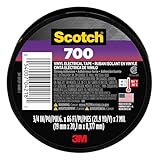
I remember staring at a smoking appliance, the acrid smell of burnt plastic filling my garage. My first thought? Electrical tape. I’d used it to patch up a frayed wire on an old extension cord, thinking I was being clever and saving a few bucks. Turns out, sometimes saving a few bucks upfront costs you a lot more later. So, can electrical tape cause wires to smoke? The short answer is yes, and it’s not as straightforward as you might think.
It’s a common DIY fix, wrapping tape around any wire that looks a bit dodgy. But when that tape starts to melt and smoke, you know you’ve messed up. This isn’t about scaremongering; it’s about understanding what the heck is going on when you pull out that roll of black tape for electrical work.
Why That Cheap Tape Isn’t Always Your Friend
Look, we’ve all been there. You’ve got a wire that’s seen better days, maybe a bit of insulation cracked or a small nick. Your brain immediately goes to the nearest roll of electrical tape. It’s cheap, it’s readily available, and it feels like a quick, easy fix. I’ve definitely been guilty of slapping it on and calling it a day, especially on non-important things like a garden lamp or an old fan. The idea is to just insulate the bare copper or the damaged section, right? Simple enough. But here’s the rub: not all electrical tape is created equal, and using the wrong kind, or using it improperly, is a prime suspect when wires start to smoke.
The primary job of electrical tape is to provide a barrier. It’s supposed to be non-conductive and flexible enough to wrap snugly around wires. It’s meant to offer some protection against abrasion, moisture, and short circuits. However, the materials used in cheaper tapes often don’t hold up under heat.
The adhesive can start to break down, and the vinyl or rubber compound itself can degrade. When a wire is carrying a current, especially if there’s a fault or a high load, it generates heat.
A good quality tape will handle a reasonable amount of this. A cheap one? Not so much. It can soften, sag, and eventually melt.
When that plastic starts to melt, it doesn’t just disappear; it drips, it fumes, and if it gets hot enough, it ignites. That’s your smoke, and potentially, a fire.
I once tried to ‘fix’ a frayed cord on my old hedge trimmer with some generic tape I’d picked up at a discount store. Within five minutes of use, I saw wisps of smoke curling out from under the tape. The smell was foul. I immediately unplugged it, heart pounding.
Peeling back the tape revealed a gooey, sticky mess that had clearly started to melt. The underlying wire was still intact, thankfully, but the tape had done a terrible job. That was the day I learned that just because it’s black and stretchy doesn’t mean it’s suitable for anything more than a temporary wrap on something that barely draws power.
For anything that gets warm or carries significant current, you need tape that’s actually rated for the job.
The common advice you’ll hear is to use proper ‘electrical tape’. But that’s like saying ‘use a screwdriver’. There are dozens of types. The generic stuff you grab for a craft project or a quick household fix isn’t the same as the stuff electricians use for permanent installations. The latter is built to withstand heat, UV, and chemicals. The former is just… tape.
When Heat Becomes the Enemy: Understanding Tape’s Limits
So, let’s get down to brass tacks about why this happens. Electrical tape, especially the cheap stuff, isn’t designed for sustained high temperatures. Think about it: wires carry electricity, and electricity moving through resistance generates heat. If a wire is carrying a heavy load, has a slightly loose connection, or is experiencing a short circuit, that heat can ramp up fast. A quality electrical tape, like those made from PVC or high-grade rubber compounds, can handle temperatures typically up to around 176°F (80°C) or even higher for specialized tapes. But the bargain-bin stuff? It might start to soften and degrade at much lower temperatures, sometimes even below 100°F (38°C) if it’s really low quality.
When the tape degrades, the adhesive can become sticky and gooey, and the vinyl itself can break down. This gooey mess can then bridge small gaps between conductors or even directly touch a hot wire. When the plastic material of the tape itself gets hot enough from the wire it’s supposed to be protecting, it starts to melt. This melting process releases fumes, which is what you smell as smoke. If the temperature gets high enough, the material can char and smolder, and in extreme cases, it could potentially ignite, leading to a much more serious fire hazard. (See Also: Can I Use Electrical Tape To Connect Wires )
A common mistake people make is using electrical tape as a permanent solution for damaged insulation. It’s really meant for temporary insulation or to protect wires from minor abrasion. If you’ve got significant damage to the wire’s insulation, the safest bet is always to repair or replace the wire or the component it’s part of. Relying on tape, even good tape, for anything more than a short-term fix is asking for trouble.
I learned this the hard way when a splice I’d ‘secured’ with what I thought was good tape on an outdoor Christmas light string started smoking on a cold December night. The cold was one thing, but the voltage drop through the splice likely generated enough heat to be problematic.
Here’s a little table I whipped up to show what I mean. It’s not exhaustive, but it gives you an idea:
| Tape Type (General) | Typical Temperature Rating (approx.) | Adhesive Quality | My Verdict |
|---|---|---|---|
| Cheap Vinyl/Generic | < 104°F (40°C) | Weak, can get gooey | Avoid for anything important. Temporary, low-power use only. |
| Standard PVC (e.g., Scotch Super 35) | Up to 176°F (80°C) | Good, flexible | Good for most common household electrical jobs. |
| High-Temp Rubber/Silicone | Up to 266°F (130°C) or higher | Excellent, weather-resistant | Best for high-stress, high-heat, or outdoor/underhood automotive use. Pricey, but worth it. |
The key takeaway is that if the wire is expected to get even a little warm, you need tape that can handle it. Trying to save a few cents on tape when dealing with electricity is like playing with fire, literally.
Contrarian Corner: When ‘good Enough’ Isn’t Good Enough
Alright, here’s where I go against the grain a bit. Everyone says, ‘Just use electrical tape.’ And yeah, technically, that’s correct. But it’s like saying, ‘Just use a wrench.’ There’s a huge difference between a cheap, flimsy adjustable wrench you find in a dollar store and a high-quality socket set. Most DIYers grab the first roll of black tape they can find, and that’s where the problems start. They think any black, stretchy tape will do. I disagree. Wholeheartedly.
My contrarian opinion is this: for any application beyond the most basic, low-voltage, low-heat situation, the default assumption should be that generic ‘electrical tape’ is not good enough. It’s an active risk. I’ve seen too many instances, and experienced a couple myself, where the tape failed because it wasn’t designed for the environment or the electrical load. The common advice often implies a level of interchangeability that simply doesn’t exist in electrical safety.
Why is this common advice so bad? Because it builds a false sense of security. You wrap that wire, you feel like you’ve done the responsible thing, and then you forget about it. But if that tape can’t handle the heat generated by normal operation, or worse, a minor fault, it becomes a ticking time bomb. The adhesive can fail, the tape can slide, exposing the wire. The material can degrade and become brittle, cracking and falling off. Or, as we’re discussing, it can melt and smoke.
I’ve wasted money on products that overpromised and underdelivered, and cheap electrical tape fits that bill perfectly when you’re not careful. I once bought a pack of 10 rolls for a few dollars. They looked like electrical tape, felt like electrical tape, but they melted like butter under a heat lamp when I used them to secure some low-voltage garden lights that had a slightly dodgy transformer. The little lights flickered, then died, and the tape around the main power feed to the transformer started to look warped and shiny.
I yanked it all off and replaced it with a proper, branded PVC tape, and the problem disappeared. The extra dollar or two for a reputable brand saved me from potential headaches, or worse.
So, my advice: don’t just grab any electrical tape. Look for reputable brands. Check the temperature rating if it’s listed. And understand that it’s often a temporary fix or requires specific types for specific jobs. The ‘just use electrical tape’ advice is fundamentally flawed because it omits the important detail of what kind of electrical tape.
When to Worry and What to Look For
Let’s be blunt: if you’re seeing smoke, it’s already too late. But how do you know before it gets to that point? You start by understanding what your tape is made of and what kind of heat your wiring might generate. Most standard electrical tape is made of PVC (polyvinyl chloride).
It’s flexible, it’s insulating, and it’s good for general use up to moderate temperatures. If you’re working on something that you know won’t get hot – like a low-voltage signal wire or a quick patch on a cord that’s never under strain – standard PVC tape is usually fine. I’ve used it for years on the wires inside my computer case for tidying them up, and they never get warm. (See Also: Can Electrica Tape Catch On Fire )
However, if you’re dealing with anything that might generate noticeable heat – a power cord for a appliance, wiring in an engine bay, or even outdoor lighting that’s powered directly from mains voltage – you need to be more discerning. Signs that your tape might be failing, or is the wrong type, include::
- Appearing shiny or melted: This is a direct indicator that the plastic is softening.
- Becoming brittle or cracking: This means it’s degrading, likely from heat or UV exposure.
- Losing its stickiness or sliding around: The adhesive is failing.
- Smelling like hot plastic: Obvious, but you might catch a whiff before visible smoke.
When you’re buying, look for tapes that specify their temperature rating. Brands like 3M, Scotch (which is also 3M), and others have lines that clearly state their capabilities. For example, some tapes are rated for up to 220°F (104°C), while specialized high-temperature tapes can go much higher, often used in automotive or industrial applications. These are typically made from rubber or silicone compounds, not just standard PVC.
Also, consider the environment. Is it going to be exposed to sunlight (UV degradation)? Moisture? Chemicals? Standard PVC tape isn’t great for long-term outdoor exposure; it can become brittle. For those situations, you might want to look at tapes specifically designed for outdoor use or consider a more solid repair method. I learned this the hard way with some garden extension cords where I’d used basic tape to seal a splice. The sun beat down on it all summer, and by fall, the tape was cracked and peeling, exposing the wire. That’s definitely a ‘can electrical tape cause wires to smoke’ scenario waiting to happen.
A good rule of thumb is to err on the side of caution. If you’re unsure about the heat generated or the environmental conditions, opt for a tape with a higher temperature rating and better environmental resistance. It might cost a bit more, but it’s far cheaper than replacing a fried appliance or dealing with a house fire. The National Electrical Manufacturers Association (NEMA) sets standards, and while you won’t typically see NEMA ratings directly on consumer tape packaging, sticking to known, reputable brands that adhere to industry standards is your best bet.
Real-World Scenarios: Where Tape Fails and Succeeds
Let’s talk about where electrical tape actually works, and where it’s a disaster waiting to happen. I’ve used electrical tape successfully for years to secure wire bundles inside my computer case, keeping things tidy and preventing wires from rubbing against fan blades. These wires don’t generate significant heat, and the environment is stable. No smoking, no melting, just neatness. It’s also great for labeling wires temporarily or color-coding non-key connections. Think of that small, low-voltage transformer for your LED strip lights – a little wrap of tape around a slightly loose connection there is usually fine, provided the connection itself isn’t overheating.
But then there are the horror stories, and I’ve got one. My old toaster oven started acting up.
The power cord was a bit frayed near the base. My brilliant idea?
Wrap it with electrical tape. I figured it’s just a toaster, it doesn’t get that hot. Wrong.
The first time I used it after the ‘repair,’ the smell hit me. Not just a little whiff, but a distinct, burning plastic odor.
I unplugged it instantly. When I unwrapped the tape, it was sticky, warped, and the smell was intense.
The wire itself was fine, but the tape had clearly been subjected to heat it couldn’t handle. The heating elements in a toaster oven get significantly hot, and that residual heat conducted up the cord was enough to degrade the cheap tape.
Another common area of failure is outdoor extension cords or appliance cords that are used in garages or workshops. These cords often get stressed, kinked, or run over. If the insulation is damaged and you patch it with basic tape, you’re inviting trouble. Moisture can get in, and the heat generated by the current, especially if the cord is old or the plug is loose, can cause the tape to fail. I’ve seen extension cords that looked like they’d been attacked by a melting black goo monster because the tape gave out. (See Also: Can I Substitute Duct Tape For Electrical Tape )
Here’s a practical tip: if you’re ever tempted to use electrical tape on a cord that plugs directly into the wall and powers something that heats up (like a toaster, hair dryer, or iron), stop and reconsider. These appliances generate significant heat, and the cords are designed to handle it. Your cheap tape likely isn’t. For these, a proper cord repair kit or, more often, replacing the entire cord is the only safe option. For lower-power, intermittent-use items, or for tidying wires that don’t generate heat, good quality electrical tape can be a useful tool. It’s all about matching the tape’s capabilities to the demands of the job.
Faq: Your Electrical Tape Questions Answered
Can Electrical Tape Melt?
Yes, electrical tape can melt. Most standard electrical tapes are made from PVC, a plastic that has a melting point. If the wire it’s insulating gets hot enough, or if the ambient temperature is high, the tape material can soften, deform, and eventually melt. Cheap or low-quality tapes are much more prone to melting at lower temperatures.
Is Electrical Tape Safe for Hot Wires?
Standard electrical tape is generally not safe for wires that are expected to get significantly hot during operation. While it provides insulation, it has a limited temperature rating. Wires in high-draw appliances or those experiencing faults can generate temperatures well above what most standard electrical tapes can withstand, leading to melting, degradation, and potential failure.
What Happens If You Use the Wrong Tape on Wires?
Using the wrong type of tape on wires can lead to several problems. The tape might not adhere properly, could degrade quickly due to environmental factors like UV or moisture, or, most critically, it can melt or catch fire if the wire generates too much heat. This can expose the conductor, cause short circuits, or even start a fire. It defeats the purpose of insulation and protection.
How Do I Know If My Electrical Tape Is Failing?
You can tell if your electrical tape is failing if it starts to look shiny, warped, or melted. It might also become brittle and crack, or lose its adhesive quality and start to peel or slide off the wire. A persistent smell of hot plastic is also a strong indicator that the tape is degrading due to heat.
Can I Use Duct Tape Instead of Electrical Tape?
No, you absolutely should not use duct tape as a substitute for electrical tape. Duct tape is not designed for electrical insulation; it’s an adhesive tape with a fabric backing. It’s not non-conductive, it doesn’t have the flexibility or temperature resistance needed for electrical work, and it can melt and leave a sticky residue that is difficult to remove, posing a significant safety hazard.
When to Call a Professional
Look, I’m all for DIY and saving a few bucks. I’ve fixed more things in my house with duct tape, zip ties, and sheer stubbornness than I care to admit. But there’s a line, and when it comes to electrical issues, that line is drawn in sparks.
If you’re ever in doubt about the integrity of a wire, a connection, or an appliance, or if you’ve already experienced smoke or sparks, the best thing you can do is step away and call a qualified electrician. They have the tools, the knowledge, and the experience to diagnose and fix the problem safely.
Trying to cut corners on electrical work is a gamble you don’t want to lose. It’s not worth risking your home, your possessions, or, most importantly, your safety. Sometimes, the smartest fix is knowing when to let an expert handle it.
Conclusion
So, to circle back: can electrical tape cause wires to smoke? Absolutely, and it’s usually a sign that you’ve either used the wrong type of tape for the job or the tape has failed due to heat, age, or environmental exposure. It’s not just about slapping on any black tape; it’s about using materials designed for the task. For anything beyond simple wire bundling in a cool environment, always opt for quality tape with appropriate temperature ratings and environmental resistance.
My own garage is now stocked with a few different types of electrical tape – standard PVC for most things, and a roll of high-temp silicone for anything that might get a bit warm. It’s a small investment that’s already saved me from headaches. Don’t be like my past self and grab the cheapest roll you can find. Your wiring will thank you.
If you’re seeing smoke, smelling burning plastic, or have any concerns about your electrical wiring, don’t ignore it. Unplug the device or turn off the breaker and consult a professional. Playing it safe with electricity is always the right call.