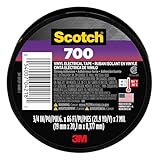
I’ve been tinkering with gadgets and fixing things around the house for longer than I care to admit. And in that time, I’ve learned a few things the hard way. One question that pops up more often than you’d think, especially when you’re in a pinch, is: can electrical tape create a watertight seal? You see it in DIY videos, you hear whispers about it online. But the reality is a bit more… complicated. It’s not a magic bullet, but under the right circumstances, it can definitely surprise you.
Let’s cut to the chase. Electrical tape is designed for a very specific job: insulating wires. It’s rubbery, stretchy, and sticky. But is that enough to keep water out when you’re facing a leaky pipe or a compromised outdoor connection? I’ve definitely wasted money on products that promised miracles, only to fail spectacularly. This is about what actually works, and what’s just wishful thinking.
So, Does Electrical Tape Actually Hold Water?
Look, if you’re expecting electrical tape to be your go-to for permanently sealing a burst pipe under high pressure, you’re setting yourself up for disappointment. It’s not designed for that kind of abuse. But here’s the thing: for low-pressure, intermittent exposure, or as a temporary fix, it can absolutely surprise you. I remember one particularly frustrating afternoon when a garden hose connector decided to spring a leak right before I needed to water the tomatoes.
I didn’t have any of that fancy pipe repair tape handy, just a roll of good old black electrical tape in the toolbox. On a whim, I wrapped it around the leaky joint, layering it thickly and stretching it tight. To my astonishment, for the rest of that watering session, the leak stopped. It wasn’t a permanent fix, mind you, and I replaced the connector the next day, but for a few hours, that tape held.
The key there was ‘low pressure’ and ‘intermittent’. It’s not going to hold back a geyser.
The science behind it is pretty simple. Electrical tape is typically made from vinyl, which is a type of plastic.
It has a natural adhesive that’s designed to stick to itself and other surfaces, creating a somewhat impermeable barrier. When you stretch it and overlap it, you’re basically creating layers that water has to work its way through. It’s this layering and the inherent flexibility of the material that allows it to conform to shapes and bridge small gaps. Think of it like putting on multiple bandaids – each one isn’t perfect, but together they offer more protection.
For very minor drips or condensation-prone areas, this can be enough to keep things dry, at least for a while. The common advice often glosses over the ‘temporary’ and ‘low-pressure’ caveats, which is where people get into trouble.
What to Look for in Electrical Tape for Sealing
Not all electrical tape is created equal, and if you’re trying to get it to do something it wasn’t strictly designed for, you need to pick the right tool for the job. When I’m reaching for electrical tape to try and seal something up, even temporarily, I’m looking for a few key characteristics. First off, thickness matters. Those cheap, super-thin rolls?
Forget about it. You want a tape that feels substantial, something that has a bit of heft to it.
I tend to go for brands that are known for quality – names like 3M, Scotch, or even some of the better-known industrial brands. They tend to have a more durable vinyl compound and a tackier adhesive that stays sticky longer.
Secondly, the adhesive itself is important. You want an adhesive that’s a little tacky, but not so much that it’s impossible to work with or leaves a sticky residue everywhere. The best electrical tapes have an adhesive that bonds well to itself, allowing you to build up layers without them peeling away.
This self-bonding quality is what helps create that continuous barrier. I’ve experimented with some generic brands where the adhesive seemed to dry out or lose its grip after a few hours, especially if exposed to any kind of temperature fluctuation. That’s a recipe for failure. The tape needs to cling and hold, not just sit there.
When you’re applying it, the goal is to stretch it just enough to make it conform to the surface without becoming so thin that it tears or loses its insulating properties. Overlapping by at least half the width of the tape with each pass is generally a good rule of thumb to minimize potential leak paths. (See Also: Can I Use Electrical Tape To Connect Wires )
Choosing the Right Type of Electrical Tape
Beyond the basic black vinyl, there are other types of electrical tape that might offer better performance for sealing applications, though they come with their own trade-offs. For instance, rubber splicing tape, often a self-fusing material, is fantastic for creating a truly watertight, insulated seal on electrical connections. It stretches significantly and fuses to itself, forming a monolithic, waterproof layer.
It’s not technically ‘tape’ in the adhesive sense, but it achieves a similar result and is superior for sealing. However, it’s usually more expensive and can be a bit trickier to apply neatly for non-electrician types. Then there’s mastic tape, which is more like a sticky, rubberized fabric.
It’s designed for more heavy-duty sealing and insulation, often used in industrial applications or for protecting outdoor electrical conduits. It’s usually thicker, tougher, and provides a more solid seal than standard vinyl tape.
For general household emergencies, though, I usually stick with good quality vinyl electrical tape because it’s readily available and relatively easy to use. The key is understanding its limitations.
If you need a seal that can withstand significant water pressure, UV exposure, or temperature extremes, you’re probably better off with dedicated waterproofing products like silicone sealants, epoxy putties, or specific pipe repair tapes. Electrical tape is best thought of as a helpful, albeit temporary, barrier for minor issues. I once tried to seal a leaky hose bib with just electrical tape, hoping it would hold through a sudden downpour. It failed within an hour, leaving me with a wet mess and a newfound respect for proper plumbing solutions.
That taught me that while it can work, it’s not always the best solution, and often, not a long-term one.
| Tape Type | Pros for Sealing | Cons for Sealing | Verdict |
|---|---|---|---|
| Standard Vinyl Electrical Tape | Readily available, flexible, inexpensive, easy to apply | Temporary fix, not for high pressure, can degrade over time, limited UV resistance | Good for quick, temporary fixes on low-pressure leaks or minor sealing needs. |
| Rubber Splicing Tape | Excellent waterproof seal, self-fusing, durable, good insulation | More expensive, can be fiddly to apply, not always readily available | Superior for electrical connections needing a truly watertight seal, but overkill for general DIY. |
| Mastic Tape | Very durable, thick, solid seal, good for outdoor use | Can be stiff, less flexible, more expensive than vinyl | Best for heavier-duty sealing and protection where flexibility isn’t the top priority. |
Common Mistakes When Using Tape for Sealing
I’ve seen people try to seal a leaky gutter downspout with a single layer of electrical tape, expecting it to last through a storm. That’s a recipe for disaster. The biggest mistake I see, and one I’ve made myself in a moment of desperation, is not using enough layers or not overlapping correctly. You can’t just wrap a bit around a leaky spot and expect miracles.
To get even a semblance of a watertight seal, you need to build up a good few millimeters of thickness, with each layer overlapping the one below it by at least half its width. This creates a continuous barrier that water has to fight through.
If you leave gaps or don’t overlap sufficiently, you’re just giving the water a direct path to seep through.
Another common blunder is not preparing the surface properly. If the area you’re trying to seal is wet, oily, dirty, or rusty, the tape’s adhesive won’t have a good surface to grip. It’s like trying to stick a label onto a greasy pan – it just won’t adhere well.
I’ve learned to dry the area as thoroughly as possible, and if there’s any significant corrosion or residue, to clean it off with a degreaser or solvent and let it dry completely before applying the tape. Rushing this step is a sure way to have your tape fail prematurely. Also, people often underestimate the importance of stretching the tape as you apply it.
You want to stretch it enough so it conforms tightly to the surface and adheres well, but not so much that you thin it out to the point of tearing or losing its integrity. Finding that sweet spot takes a little practice.
The ‘stretch and Wrap’ Technique
The technique is actually pretty straightforward, but it’s the execution that matters. Start by cleaning and drying the area thoroughly. (See Also: Can Electrica Tape Catch On Fire )
Then, take your roll of electrical tape and begin wrapping it around the damaged area. The key is to apply steady tension to the tape as you wrap.
You want to stretch it just enough so that it adheres firmly and conforms to the contours of the surface. Imagine you’re trying to create a tight, smooth skin over the problem area. Each subsequent wrap should overlap the previous one by at least half the width of the tape. Continue wrapping, building up layers until you have a substantial thickness, maybe three to five layers deep, depending on the severity of the leak or the area you’re covering.
The self-bonding nature of good electrical tape means that these layers will fuse together, creating a more cohesive barrier.
For a truly effective seal, especially on something like a hose fitting or a pipe joint, you want to extend the tape well beyond the immediate leaky spot, both upstream and downstream. This helps to distribute any stress and prevents water from finding a way in at the edges.
It’s not about just slapping a patch on it; it’s about creating a continuous, sealed surface. I once tried to fix a tiny pinhole leak in a flexible conduit on my outdoor lighting system. I wrapped it maybe twice, without much stretch, and it lasted about two days before water started getting in.
The next time, I used the stretch-and-wrap method, layered it thick, and extended it a good few inches on either side. That held up for months until I could get the conduit replaced properly. It’s a simple process, but the devil is in the details of application.
Real-World Use Cases and Limitations
So, where can electrical tape genuinely be useful for creating a seal, and where are you just wasting your time? For temporary repairs on low-pressure water systems, it can be a lifesaver. Think a slow drip from a garden hose connection, a leaky faucet aerator (if the leak is at the threads and not the internal valve), or a condensation issue on a pipe in a cool, damp area. I’ve used it to temporarily seal a cracked plastic storage bin lid where water was getting in from the outside. It’s also surprisingly decent for sealing up gaps around temporary window seals or drafty door edges to prevent rain from blowing in, especially when combined with some insulation foam.
The limitations, however, are significant and often overlooked. Anything involving significant water pressure, like a pressurized pipe, a showerhead connection that’s failing, or a submerged application, is out. Electrical tape is not designed to withstand constant hydrostatic pressure. It will eventually seep or blow out.
Similarly, for anything exposed to prolonged sunlight (UV radiation) or extreme temperature fluctuations, its adhesive and vinyl properties will degrade. I learned this the hard way when I tried to seal a small crack in a plastic boat cooler that was sitting out in the sun all day.
The tape warped, bubbled, and peeled off within a week, rendering my efforts useless. For those situations, you need something specifically formulated for outdoor or high-stress environments.
Trying to use electrical tape as a permanent fix for anything structural or safety-important is just asking for trouble.
When Electrical Tape Shines (and When It Doesn’t)
Electrical tape truly shines as a quick, accessible, and often surprisingly effective temporary solution for minor sealing tasks. If you have a small, slow leak under a sink that you need to manage until you can get a plumber, a few well-applied layers can buy you time. It’s also great for temporarily reinforcing a seal on something like a ziplock bag that’s lost its grip, or for securing a loose seam on outdoor gear that’s just starting to let a bit of moisture in. The flexibility of vinyl tape allows it to conform to irregular shapes, which is a big plus in DIY situations where you might not have perfectly straight edges to work with.
Where it falls flat is when you need a solid, long-lasting, or high-performance seal. Trying to seal a gas line, a pressurized coolant system, or a boat hull with electrical tape is not just a bad idea; it’s potentially dangerous. (See Also: Can I Substitute Duct Tape For Electrical Tape )
The tape lacks the chemical resistance, temperature tolerance, and sheer strength required for these applications. I recall a friend who tried to seal a crack in his car’s radiator hose with electrical tape. It seemed to work for a few miles, but then, under the heat and pressure of the engine, it failed catastrophically, leaving him stranded. That’s the kind of situation where the ‘can it work?’
question has a very loud, very clear ‘no’. It’s a tool for specific, limited jobs, not a universal sealant.
DIY Waterproofing: Tips and Alternatives
If you’re looking to seal something up, and you’re considering electrical tape, let’s think about how to maximize its potential, and what else you might have lying around or can easily pick up. First, as I’ve hammered home, layers are your friend. Don’t skimp. Build up a thick, overlapping barrier. Second, clean and dry the surface. Seriously, this is a must for any adhesive to work properly. If you’re dealing with metal, a quick wipe-down with rubbing alcohol can make a world of difference. For plastics, a good degreaser or even just soap and water, followed by thorough drying, is key.
Now, what if you need something a bit more solid than electrical tape but don’t want to call in the professionals or buy specialized gear? Here are a few alternatives that often do a better job.
For small holes or cracks in rigid materials, epoxy putty is fantastic. You knead it like clay, and it hardens into a solid, often waterproof, plug. For flexible materials or seams, a good quality silicone sealant or caulk is usually a better bet than tape.
It remains flexible and adheres well. If you’re dealing with pipes, especially plumbing, actual pipe repair tape or wraps are designed for this and will outperform electrical tape significantly.
These often use materials like fiberglass mesh impregnated with resin that hardens to a very strong seal. For outdoor electrical connections, while rubber splicing tape is great, even heavy-duty outdoor-rated electrical tape (which is usually thicker and more UV resistant than standard vinyl) is a step up from the basic stuff. The key is understanding the stress the seal will be under – pressure, temperature, UV, chemicals – and choosing a material rated for it.
When to Step Up Your Game
There are times when electrical tape is just not going to cut it, no matter how many layers you apply. If the area you need to seal is constantly submerged in water, like a pond pump or a leaky aquarium, forget it. You need marine-grade epoxies or specialized aquarium sealants. If the seal needs to withstand significant temperature swings, like a car’s exhaust system or an outdoor appliance that gets very hot, electrical tape will degrade and fail.
In those cases, high-temperature silicone sealants or specialized metal epoxies are the way to go. For anything involving potable water, like a connection to your main water line or a drinking water tank, you absolutely must use materials rated as food-safe or NSF certified. Using standard electrical tape here is not only ineffective but potentially harmful.
The question of whether electrical tape can create a watertight seal really boils down to the specific application and your expectations. For temporary fixes on low-demand situations, it can be a surprisingly useful tool in your arsenal. But for anything more demanding, it’s a false economy to rely on it. You’ll end up doing the job twice, and potentially causing more damage or facing a bigger problem than you started with. Investing in the right product for the job, even if it’s just a small tube of silicone or a specialized repair kit, will save you time, frustration, and potentially a lot of water damage down the line.
Verdict
So, can electrical tape create a watertight seal? My honest answer is: sometimes, for a little while, and under the right, very specific conditions. It’s a handy trick to have up your sleeve for minor, temporary leaks on low-pressure systems when you’re in a pinch. I’ve definitely used it to buy myself some time before making a proper repair. But it’s important to understand its limitations. It’s not a substitute for proper plumbing or waterproofing solutions.
If you’re facing a persistent leak, significant water pressure, or an application exposed to harsh elements, you’re better off reaching for something more solid. Think silicone sealants, epoxy putties, or dedicated pipe repair tapes. Relying on electrical tape for anything important or long-term is a gamble that usually doesn’t pay off. It’s a temporary patch, not a permanent fix.
The next time you’re faced with a small drip, assess the situation honestly. If it’s a minor annoyance and you need a quick stopgap, go ahead and layer that electrical tape on thick. But if the stakes are higher, do yourself a favor and get the right tool for the job. It’ll save you headaches in the long run.