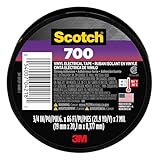
I remember staring at that frayed cord on my old shop lamp, sparks faintly dancing where the insulation had given up the ghost. My first thought, like many of yours probably is, was: ‘Can electrical tape fix wire?’ It felt like a quick, cheap fix that would save me a trip to the hardware store and probably a few bucks. So, I grabbed the roll from my junk drawer, slapped it on, and felt a brief sense of accomplishment. That feeling didn’t last long, let me tell you.
The reality of using electrical tape for anything beyond a temporary, low-stakes situation is a bit more… complicated. It’s not the miracle cure-all some DIY blogs make it out to be, and if you’re not careful, you can end up making a bigger mess than you started with. This isn’t about theoretical possibilities; it’s about what actually works and what’s just a band-aid that might get you into trouble.
So, Does Electrical Tape Actually Work on Wires?
Let’s cut to the chase: yes, electrical tape can fix a wire, but with a giant asterisk the size of a dinner plate. It’s designed to insulate and protect wires from moisture and abrasion, and for very specific, low-voltage, temporary fixes, it can do that job. Think of that moment when a wire on a Christmas light string frays just a tiny bit, or when you need to secure a loose connection on a car antenna temporarily until you can get it properly soldered. In those niche cases, a good quality electrical tape can provide a barrier.
The key here is ‘temporary’ and ‘low-voltage.’ Electrical tape is made of PVC (polyvinyl chloride) and has adhesive properties. Its main selling points are flexibility, good stretch, and decent insulation.
When you wrap it tightly around a damaged wire, it can physically cover the exposed conductor, preventing shorts and giving you a bit of protection. This is especially true if you overlap the tape generously, creating multiple layers of insulation. I once had a garden extension cord that got nicked by a shovel. I wrapped it tight with some good vinyl tape, and it held up for the rest of the season, keeping the water out.
But that was an outdoor, low-amperage use, and I wasn’t relying on it for anything important.
However, the common advice I see everywhere – that it’s a go-to for any wire repair – is flat-out wrong for most situations. If you’re dealing with high-amperage circuits, mains voltage, or anything that’s going to be flexed repeatedly or exposed to extreme temperatures, electrical tape is a gamble, and usually, you lose. I’ve seen instances where the adhesive breaks down under heat, causing the tape to peel back and leave wires exposed again. Or worse, the tape itself can degrade, becoming brittle and cracking, offering no protection at all. It’s a bit like using duct tape to fix a leaky roof – it might buy you a few hours, but it’s not a permanent solution, and you’re probably going to regret not calling a roofer.
When Electrical Tape Is a Hard No
Here’s where the ‘can electrical tape fix wire’ question gets a big, fat ‘nope.’ There are situations where reaching for that roll of electrical tape is not just ineffective, it’s downright dangerous. High-voltage applications are the biggest offender. We’re talking about anything connected directly to your home’s main power supply, appliances that draw a lot of current, or any wiring that could potentially electrocute you or start a fire if it fails. Electrical tape, even multiple layers, is not rated for the kind of sustained voltage and heat that these circuits produce.
Think about the wiring inside your oven, your dryer, or even a poorly maintained power strip that’s overloaded. The heat generated by these devices can melt the adhesive on electrical tape, causing it to slide off. The PVC itself can become brittle and crack, especially if it’s near a heat source or exposed to UV light.
I learned this the hard way with a small space heater. The cord got a bit damaged, and I thought a few wraps of tape would be fine. Big mistake. (See Also: Can I Use Electrical Tape To Connect Wires )
Within a week, the tape was gooey and starting to smoke. I unplugged it immediately, heart pounding, and realized how lucky I was. That incident taught me that for anything that gets warm, or anything that carries significant juice, electrical tape is a recipe for disaster.
It’s not designed for that kind of stress.
Another area where it fails miserably is mechanical stress. If the wire is going to be bent, twisted, or pulled frequently, electrical tape simply won’t hold up. The adhesive will lose its grip, and the tape will start to unravel, exposing the wire. I’ve seen extension cords that had been taped up for outdoor use, only to have the tape peel away after being dragged across concrete or coiled up repeatedly. It’s a temporary fix at best, and often a very short-lived one. If you’ve got a cord that’s constantly being moved, you need proper wire repair solutions, not just tape.
What to Look for in Actual Wire Repair Tape
Okay, so maybe you’ve got a low-stakes situation where you’re still considering tape. What separates a decent electrical tape from the junk that’ll fail you in a week? First off, brand matters. I’ve found that higher-quality tapes, like those from 3M (their Super 33+ or Super 88 are the benchmarks, in my opinion) or even good quality versions from Rhino or Gardner Bender, perform significantly better. They’re made with better adhesive formulas and vinyl that stays flexible longer and resists temperature changes more effectively. Don’t cheap out here; the difference in price is usually negligible compared to the potential cost of failure.
When you’re buying, look for tapes that specifically mention good adhesion, flexibility, and resistance to elements like moisture and UV light if that’s a concern for your application. The tape should feel tacky but not overly sticky, and it should stretch without tearing easily. When you wrap it, it should conform smoothly to the wire’s shape. A good tape will also have a decent dielectric breakdown voltage rating – this tells you how much voltage it can withstand before it breaks down and conducts electricity. While you’re unlikely to find this info on every roll in the dollar store, reputable brands will often list it, and it’s a good indicator of quality.
I also want to stress the importance of application. Even with the best tape, you need to apply it correctly. Start wrapping a good inch or two before the damaged area, and extend at least an inch or two past it. Overlap each layer by at least half the width of the tape. Stretch the tape as you wrap it; this helps it conform and activate the adhesive. Apply at least three to four layers for decent insulation and protection. It’s not just about slapping some tape on; it’s a methodical process to create a solid barrier. If you just wrap it loosely or don’t overlap enough, you’re setting yourself up for failure, no matter how good the tape is.
Real-World Use: My Mistakes and What Worked
I’ve definitely learned my lessons the hard way with electrical tape. Early on, I used it to repair the frayed cord on my old table saw. It looked okay for about three uses, then I noticed a slight burning smell. I quickly shut it down, and sure enough, the tape had started to melt and shrink. The exposed copper was barely making contact with the tape, but it was close enough to be a serious fire hazard. Since then, for anything with a motor or significant power draw, electrical tape is off the table for anything other than marking wires or bundling them neatly. It’s just not worth the risk.
What did it work for? I had a pair of headphones where the thin wire going into the earbud started to split. The tiny wires inside were still intact, but the outer casing was gone. Electrical tape, carefully applied in a few thin layers, worked wonders.
It kept the delicate internal wires from being pulled apart and protected them from getting snagged. This was low voltage, minimal flexing, and the heat generated was negligible. Another win was on a battery-powered LED strip light. One of the connection points between sections came loose. (See Also: Can Electrica Tape Catch On Fire )
A bit of careful taping held it in place and maintained the circuit. These are the kinds of situations where electrical tape is genuinely useful – low risk, low power, and where a more permanent solution would be overkill or impractical.
I’ve also seen people use it to temporarily fix a cracked plastic housing on a tool or appliance. It can hold things together and prevent further damage, but it’s purely mechanical. It’s not providing any electrical insulation or structural integrity beyond what the tape itself offers. So, if you’re asking ‘can electrical tape fix wire?’ in a situation where the wire is just dangling and needs to be held in place temporarily without carrying current, then yes, it can hold it there. But that’s a far cry from repairing a damaged insulator.
Alternatives to Electrical Tape (when It’s Just Not Enough)
So, what do you do when electrical tape isn’t the right tool for the job? For permanent, reliable wire repairs, especially on anything carrying significant power or subject to movement, you need to step up your game. The gold standard for permanent insulation and protection is heat-shrink tubing. This stuff is fantastic. You slide a piece of the tubing over the wire, make your splice or repair, and then use a heat gun (or even a very hot hairdryer in a pinch) to shrink it down. It forms a tight, durable, waterproof seal that’s far superior to tape. I’ve used it on countless automotive and appliance repairs, and it’s never let me down.
Another excellent option is self-fusing silicone tape. This isn’t like your typical electrical tape; it bonds to itself when stretched and wrapped, creating a smooth, waterproof, and highly insulated layer. It’s a bit pricier than PVC tape, but it’s incredibly durable and can withstand much higher temperatures and voltages. It’s often used in harsh environments, like marine applications or on high-performance vehicles. For making splices, it’s often the preferred method for professionals.
If you’re dealing with a cut wire where you need to reconnect the conductors, you’ll want to use proper wire connectors. For permanent home wiring, that means wire nuts (twist-on connectors) or Wago-style lever nuts. For automotive or more solid applications, crimp connectors (like butt connectors or spade connectors) that are then crimped with a special tool and often covered with heat-shrink tubing offer a very strong and reliable connection. Soldering is another option for a very strong electrical connection, but it needs to be properly insulated afterwards, typically with heat-shrink tubing.
| Repair Method | Best For | Pros | Cons | Verdict |
|---|---|---|---|---|
| Electrical Tape | Temporary, low-voltage, non-important insulation | Cheap, readily available, flexible | Poor durability, degrades with heat/UV, low voltage limit, not permanent |
Okay for quick, non-key fixes. A last resort. |
| Heat-Shrink Tubing | Permanent insulation, splices, strain relief | Durable, waterproof, professional look, good insulation | Requires heat source, can be tricky on tight spaces |
Excellent for most permanent repairs. My go-to. |
| Self-Fusing Silicone Tape | Harsh environments, high voltage/temp, waterproof seals | Extremely durable, smooth, waterproof, high temp/voltage rating | More expensive than PVC tape, can be tricky to get a clean finish |
Top-tier for demanding applications. Worth the cost. |
| Wire Nuts/Crimp Connectors | Reconnecting severed wires | Secure electrical connection, code-compliant (wire nuts) | Require specific tools (crimps), need insulation afterwards |
Key for joining wires. Tape doesn’t reconnect. (See Also: Can I Substitute Duct Tape For Electrical Tape ) |
Can Electrical Tape Be Used as a Permanent Fix for Wires?
No, electrical tape is generally not recommended for permanent wire repairs. Its adhesive can degrade over time due to heat, moisture, and UV exposure, causing it to peel or crack. It’s designed for temporary insulation and protection, not long-term structural or electrical integrity.
What Is the Best Type of Electrical Tape to Use?
High-quality vinyl electrical tapes from reputable brands like 3M (Super 33+ or Super 88), Rhino, or Gardner Bender are generally considered the best. Look for tapes that emphasize good adhesion, flexibility, and resistance to temperature and UV light.
How Many Layers of Electrical Tape Are Needed for a Repair?
For a temporary repair, applying at least three to four layers of electrical tape, with each layer overlapping the previous by at least half the tape width, is recommended. Stretching the tape as you apply it helps create a tighter, more effective barrier.
What Are the Dangers of Using Electrical Tape on High-Voltage Wires?
Using electrical tape on high-voltage wires is dangerous because it can fail under the electrical load and heat, leading to shorts, arcing, fire, or electric shock. Electrical tape has a limited dielectric breakdown voltage and is not designed to withstand the sustained power of mains electricity.
When Is It Okay to Use Electrical Tape for Wire Repair?
It’s generally acceptable for very low-voltage applications (like small electronics, battery-powered devices), temporary fixes where safety isn’t most important, or to bundle loose wires. Examples include a frayed cord on a low-power lamp, a garden light, or a minor nick on an extension cord that is not subjected to heavy use or extreme conditions.
Verdict
So, to circle back to that initial question: can electrical tape fix wire? Yes, but only in very limited, low-risk situations. It’s a tool for a temporary patch, not a permanent solution for most common wiring issues. I’ve learned that the hard way, and I’d rather you didn’t have to. For anything that carries real power or is going to see any kind of wear and tear, trust me, reach for the heat-shrink tubing or proper connectors. They cost a bit more and take a few extra minutes, but they’re the only things that will give you real peace of mind.
Don’t fall for the ‘quick fix’ myth when it comes to electricity. A shoddy repair can cost you more than just money – it can cost you your safety or your home. Always assess the situation honestly. If there’s any doubt about the wire’s integrity or the load it carries, assume electrical tape isn’t up to the task. It’s better to be safe than sorry, and in electrical work, ‘sorry’ can be a very, very bad outcome.
Next time you see a frayed cord, take a deep breath and consider what you’re really trying to achieve. Is it a quick hold-me-over, or do you need a repair that’ll last? Your wiring, and your safety, depend on making the right choice.