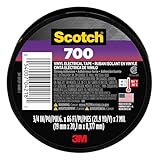
I remember the first time I tried to insulate a dodgy junction box in my garage. I used what I thought was top-tier electrical tape. Within an hour, I could feel a distinct warmth radiating from it. My gut sank. Did I mess up? Can electrical tape get hot? It’s a question that’s bugged me ever since, and one that’s usually met with a lot of hand-waving and vague assurances.
The truth is, it’s not as simple as a ‘yes’ or ‘no’. There are actual reasons why that tape might be feeling like a tiny heater, and frankly, most of the advice out there is either too simplistic or just plain wrong. Let’s cut through the noise.
Why Your Electrical Tape Might Feel Warm
So, can electrical tape get hot? The short answer is, yes, under certain circumstances. It’s not designed to be a heatsink, but rather an insulator. However, electrical tape’s primary job is to prevent shorts and protect wires from physical damage. When you wrap it around a wire that’s carrying current, especially a significant amount, that wire naturally generates heat. The tape is in direct contact with that heat source. If the tape is thin, poorly manufactured, or applied over a wire that’s pushing its limits, that heat can transfer through the tape and make it feel warm to the touch.
Think of it like wrapping a hot potato in a thin kitchen towel. The towel isn’t generating the heat, but it’s definitely going to get warm because it’s right next to the potato. Electrical tape functions similarly. The rubber or vinyl material it’s made from isn’t a perfect insulator against heat, especially sustained heat. The thicker and higher quality the tape, the better it might be at dissipating or resisting heat transfer, but it’s still a passive material sitting on an active component.
I learned this the hard way with a cheap roll of tape I bought online. It was a six-pack for next to nothing.
Looked fine, stretched okay. But on a circuit that barely drew 5 amps, it got noticeably warm after about an hour of continuous use. I ended up replacing it with a premium brand, and the difference was palpable. The better tape felt just… normal.
No alarming warmth. It made me realize that not all electrical tape is created equal, and when you’re dealing with electricity, ‘good enough’ is often a dangerous gamble. The voltage rating and temperature rating on the packaging aren’t just suggestions; they’re safety limits for a reason. Pushing those limits, even slightly, is a surefire way to find out if your electrical tape gets hot.
The Science Behind the Warmth (and Why It Matters)
The reason electrical tape might feel hot boils down to a few key factors: the electrical current flowing through the wire, the resistance of the wire, the ambient temperature, and the properties of the tape itself. When electricity flows through a conductor (like a copper wire), it encounters resistance. This resistance converts some of the electrical energy into heat. This is known as Joule heating, or sometimes resistive heating. It’s a fundamental principle. The higher the current and the higher the resistance, the more heat is generated.
Now, electrical tape is primarily a dielectric material – meaning it resists the flow of electricity. It’s designed to prevent electrical current from jumping between conductors (like two bare wires touching) or from escaping to unintended places. Common materials include vinyl (PVC) or rubber compounds. These materials have a certain degree of thermal conductivity, meaning they can transfer heat. They also have a maximum operating temperature. If the heat generated by the wire underneath exceeds the tape’s ability to dissipate it, or if the temperature approaches the tape’s softening or melting point, you’ve got a problem. (See Also: Can I Use Electrical Tape To Connect Wires )
A cheap, thin tape might have poor thermal properties and a lower temperature rating. It might also degrade faster when exposed to heat and the chemicals in wire insulation. This degradation can lead to cracking, peeling, or becoming gummy, all of which compromise its insulating ability and can even create new electrical hazards.
The common advice is to use tape rated for the voltage and temperature, which is good advice, but it doesn’t tell the whole story. The quality of that tape matters immensely. I once saw a splice insulated with what looked like decent tape, but over time, the heat had made it brittle, and a section had flaked off, exposing the bare wire.
That’s not a situation you want to be in.
The National Electrical Manufacturers Association (NEMA) publishes standards for electrical tape, though these are often more focused on electrical properties like dielectric strength and adhesion rather than direct thermal performance in a high-heat scenario. However, reputable manufacturers will clearly state the temperature rating and voltage rating of their products. Ignoring these can be a costly mistake. It’s not about whether electrical tape can get hot, but how hot it gets, how long it stays hot, and what its limits are. A tape that feels slightly warm during a brief surge might be fine, but one that’s consistently hot to the touch is a warning sign.
Common Mistakes That Lead to Overheating
One of the biggest blunders I see people make is using the wrong type of tape for the job. Electrical tape isn’t a do-it-all fix. You’ve got different grades and formulations, and they’re not interchangeable. For instance, using standard vinyl electrical tape on a high-heat appliance connection, like those found near an oven or a motor that runs hot, is asking for trouble. These tapes have a typical operating temperature range, often around 80°C (176°F) or maybe a bit higher for premium versions. Beyond that, they start to soften, lose adhesion, and their insulating properties degrade. You might start noticing that the tape feels sticky or even starts to melt.
Another massive mistake is improper application. Overlapping layers are good, but not stretching the tape too thin or leaving gaps. When you stretch electrical tape excessively, you can thin out the material to the point where it’s no longer providing adequate insulation or heat resistance. Conversely, if you don’t overlap enough, you create pathways for moisture or debris to get in, which can lead to corrosion or shorts, and consequently, more heat. I’ve seen jobs where someone just slapped a few pieces on haphazardly. It looks like a mess and offers minimal protection. A good wrap is snug, with consistent overlap, and covers the entirety of the exposed conductor and a bit beyond.
The third, and perhaps most dangerous, mistake is overloading the circuit. This is where the ‘can electrical tape get hot’ question really comes into play.
If the wire itself is too small for the current it’s carrying, it will heat up, and the tape will get hot right along with it. Electrical tape isn’t meant to compensate for an undersized wire or an overloaded circuit. It’s meant to insulate properly sized and protected wires. Using tape to patch up a visibly damaged or overloaded wire is a temporary, dangerous fix. (See Also: Can Electrica Tape Catch On Fire )
I remember a neighbor who tried to power a massive air conditioner unit with an extension cord that was clearly too thin. The cord itself got so hot it was melting the insulation, and the electrical tape he used to ‘fix’ a split in it just became a gooey mess. The breaker never even tripped because the fault was in the wire heating up, not a direct short. That’s a fire waiting to happen.
| Mistake | Why It’s Bad | Verdict |
|---|---|---|
| Using wrong tape type (e.g., standard for high heat) | Tape softens, melts, loses adhesion, insulation fails. | Big No-No |
| Improper application (too thin, gaps, poor overlap) | Compromised insulation, entry point for contaminants, weak protection. | Needs Skill |
| Overloading the circuit | Wire overheats, tape gets hot, degrades, fails. Potential fire hazard. | Danger Zone |
| Using old/degraded tape | Brittle, sticky, poor adhesion, insulation failure. | Risky Business |
Real-World Applications and When to Worry
Let’s talk about where you actually use electrical tape and when you should start paying attention to temperature. In residential wiring, for minor splices inside junction boxes or for bundling low-voltage wires (like speaker wire or alarm systems), standard vinyl tape is usually fine. The current is low, and the heat generated is minimal. You might wrap a wire nut connection to add a little extra security, and it’ll feel maybe slightly above ambient temperature at worst, usually just normal.
However, things get dicey in automotive applications or when dealing with higher-amperage household circuits. Under the hood of a car, components are exposed to significant temperature fluctuations and vibrations. While electrical tape might be used for temporary fixes or bundling, it’s often better to use heat-shrink tubing or specialized automotive wiring harnesses for anything permanent or exposed to engine heat.
I once had a headlight wire in my old pickup that had frayed. I wrapped it with electrical tape, thinking it was a quick fix. It worked for about six months before the tape started to get gummy from the engine heat, and the wire started to arc.
It was a mess and could have easily started a fire. That’s when I learned that ‘temporary’ electrical tape fixes often aren’t.
For household circuits carrying more than, say, 15-20 amps, I’m extremely wary of relying solely on electrical tape for insulation, especially at connection points that might experience any stress or vibration. If you’re doing a splice on a main power feed or something that gets consistently warm, you should be looking for tapes specifically rated for higher temperatures and higher voltages. Some tapes are rated for up to 105°C (221°F), which is significantly better than the standard 80°C. These are often made from different formulations, like EPR (ethylene propylene rubber) or silicone.
If your electrical tape feels more than just a little bit warm after a short period, it’s a sign that the wire underneath is generating more heat than the tape can comfortably handle or dissipate. This is your cue to investigate the circuit load, the wire gauge, and the condition of the connection itself. Don’t just re-tape it and hope for the best.
Choosing the Right Tape: What to Look For
When you’re in the aisle at the hardware store, or scrolling online, faced with a dozen rolls of electrical tape, what’s the real difference? It boils down to material, thickness, temperature rating, and voltage rating. First off, get away from the super cheap, no-name brands. They’re a false economy. I’ve spent more time and money fixing issues caused by cheap tape than I would have spent on good tape in the first place. Look for brands you recognize that have a reputation for quality. 3M, Scotch, Southwire – these are generally safe bets, though even within their lines, there are different grades. (See Also: Can I Substitute Duct Tape For Electrical Tape )
The material is key. Most common is vinyl (PVC). It’s flexible, cheap, and works for general-purpose low-voltage applications. But if you’re dealing with anything that gets even moderately warm, or is exposed to UV light or chemicals, you need something more solid. High-temperature electrical tapes, often made from rubber compounds like EPR or silicone, are designed to withstand much higher temperatures, often up to 105°C or even higher. These are more expensive, but they’re worth it for important applications. You’ll often find them labeled as ‘high-performance’ or ‘high-temperature’ tape.
Thickness is another factor. A thicker tape offers better insulation and can handle more physical abuse. Standard tapes are usually around 0.13 mm to 0.20 mm. For more demanding situations, you might want a thicker tape. Always check the packaging for the voltage rating – it should be at least as high as the circuit you’re working on. For 120V household circuits, you’ll want something rated for at least 600V. Don’t guess. The temperature rating is equally important. If the environment the tape will be in regularly exceeds 80°C (176°F), you absolutely need a high-temperature tape. Ignoring the temperature rating is the most direct way to make sure your electrical tape gets hot and fails.
I once had to insulate a connection on a small motor that ran pretty warm. I used a standard vinyl tape, and it lasted about three months before it started to stretch and peel. I upgraded to a 3M high-temperature tape, and that connection has been solid for two years now, no signs of degradation. It was about triple the price per roll, but that’s a small price to pay for peace of mind and avoiding a potential fire hazard. So, in short: buy from reputable brands, check the temp and voltage ratings, and choose a material suited to the job.
Can Electrical Tape Melt?
Yes, electrical tape can melt. Most standard vinyl electrical tapes have a relatively low melting point, typically in the range of 100-150°C (212-302°F). If the wire it’s insulating gets hot enough to approach or exceed this temperature, the tape will soften, become sticky, and eventually melt. This compromises its insulating properties and can create a hazardous situation. High-temperature tapes are designed to withstand much higher temperatures before melting.
Is It Normal for Electrical Tape to Feel Warm?
It’s not ideal for electrical tape to feel significantly warm to the touch for extended periods. While the wire underneath will generate some heat from electrical current, the tape itself shouldn’t be a primary indicator of excessive heat. If you touch an insulated connection and it’s noticeably warm, it suggests the wire is running hotter than it should, or the tape is not effectively dissipating the heat. This warrants investigation into the circuit load and wire gauge. A slightly above-ambient temperature might be acceptable, but anything hot is a red flag.
What Temperature Can Electrical Tape Withstand?
The temperature rating varies significantly by type. Standard vinyl electrical tape is typically rated for continuous use up to around 80°C (176°F). Some higher-performance tapes, often made from rubber or silicone compounds, can withstand temperatures of 105°C (221°F) or even higher, sometimes up to 200°C (392°F) for specialized applications. Always check the manufacturer’s specifications for the specific tape you are using, as exceeding these limits will lead to failure.
What Happens If Electrical Tape Gets Too Hot?
If electrical tape gets too hot, it will begin to degrade. Initially, it may soften, lose its adhesive properties, and become sticky or gooey. As temperatures increase further, it can melt, lose its dielectric strength (its ability to insulate), and potentially crack or become brittle when cooled. This failure can expose the underlying wires, leading to short circuits, arcing, or even fires. The protective barrier is compromised, rendering it useless and dangerous.
Final Verdict
So, the next time you find yourself wondering, ‘can electrical tape get hot?’, remember it’s not a simple yes or no. It’s a warning sign. It means the wire beneath is working hard, or the tape itself is struggling to do its job under stress. Don’t just slap on another layer of cheap tape and call it a day. Invest in quality tape rated for the job, apply it properly, and most importantly, make sure the circuit itself is properly sized and not overloaded.
If you’re ever in doubt about a connection, especially one that feels warm, it’s always safer to consult with a qualified electrician. They can identify the root cause of the heat and make sure the wiring is safe and up to code. A few extra bucks for good tape or an electrician’s visit is a tiny price to pay compared to the cost of an electrical fire.