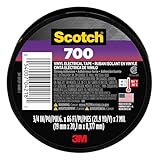
I remember the first time I tried to fix a busted wire on my old toaster. Desperate, I grabbed whatever I had lying around – and yes, that included a roll of electrical tape. The thought process was, ‘It’s tape, it’s for wires, maybe it can handle a little heat?’ Big mistake. Huge. The smell alone was enough to make me swear off that particular ‘shortcut’ forever.
So, you’re probably wondering, can electrical tape go in the microwave? The short, blunt answer is no, you absolutely should not put electrical tape in a microwave. It’s not designed for that kind of abuse, and you’re asking for trouble, plain and simple.
This isn’t some high-tech gadget we’re talking about; it’s basic material science that most people overlook until something goes wrong. Let’s break down why this is a bad idea and what you should be doing instead.
Why Microwaving Electrical Tape Is a Terrible Idea
Look, I get it. Sometimes you’re in a bind. Maybe you’ve got a small repair, and you think a quick zap in the microwave might help cure some adhesive or plastic.
I’ve been there, staring at a wobbly leg on a cheap furniture piece or a frayed cable, thinking, ‘What if?’ In my early days of fiddling with electronics, I once tried to speed up the drying of some super glue on a hobby project using a hairdryer on its highest setting.
It didn’t dry; it just made a gooey, stringy mess and stunk up the garage for days. The microwave is a whole other ballgame of heat and radiation. Electrical tape, at its core, is usually made of vinyl (PVC) with a rubber-based or synthetic adhesive.
When you subject PVC to intense microwave radiation and the rapid heating that follows, it doesn’t just soften; it can break down. This breakdown releases toxic fumes, including hydrochloric acid and dioxins. Seriously, the stuff that comes off isn’t just ‘stinky’; it’s genuinely harmful. You’re not just ruining the tape; you’re potentially contaminating your microwave and filling your kitchen with nasty, corrosive gases.
I’ve heard stories, and even seen a friend’s microwave that had a weird, smoky residue after someone tried to heat up a plastic-wrapped item that wasn’t microwave-safe. That tape is likely to do something similar, but worse, because it’s not even meant to be heated at all, let alone microwaved.
People Also Ask asks, ‘What happens if you microwave electrical tape?’ As I’ve just explained, it’s a recipe for toxic fumes and a potentially damaged appliance.
The heat generated within the microwave, combined with the specific composition of the tape, causes it to degrade. This isn’t like putting food in; food is designed to be heated, and while some plastics can leech chemicals, electrical tape is not designed for any thermal processing whatsoever.
It’s meant for insulation and bundling wires at ambient or slightly lifted temperatures, not for being blasted by electromagnetic waves. Think about it: electrical tape’s job is to prevent electrical current from escaping or short-circuiting. It’s a barrier. Microwaves work by exciting water molecules.
While tape doesn’t have much water, the energy still interacts with the plastic and adhesive. This interaction can lead to melting, charring, and the release of those dangerous gases.
The common advice is always to check if something is microwave-safe. Electrical tape is about as far from microwave-safe as you can get.
It’s designed for electrical applications, not culinary ones, and the two environments couldn’t be more different. My first thought when considering this is always: ‘Does this thing have food-grade certifications? Is it rated for high heat?’ For electrical tape, the answer to both is a resounding no.
The Real Risks: Beyond a Bad Smell
The danger doesn’t stop at a lingering odor. The fumes released when electrical tape is microwaved are not just unpleasant; they are corrosive and toxic.
Hydrochloric acid, a byproduct of burning PVC, can damage your microwave’s internal components and, if inhaled, can cause serious respiratory issues. Dioxins are another group of highly toxic chemicals that can be produced. (See Also: Can I Use Electrical Tape To Connect Wires )
These are persistent environmental pollutants and can have long-term health effects. So, if you’re thinking of microwaving tape to, say, bond something temporarily, think again.
You’re not just risking a ruined appliance; you’re risking your health. I once had a coworker who, in a moment of misguided genius, tried to use a heat gun on a roll of electrical tape to make it stickier for a patch job. He ended up with a melted, sticky mess that smoked like a chimney and the smell lingered for days. He ended up with a bad cough and a very smelly workshop.
A microwave is infinitely more powerful and less controlled than a heat gun in this context. It’s the kind of mistake that can have real consequences.
People often underestimate the power and danger of household appliances when misused. The microwave is a tool for cooking, and introducing non-food items, especially those made of plastics not designed for such intense thermal energy, is a gamble you don’t want to take. The adhesive on the tape can also melt and spread, creating a sticky, difficult-to-clean residue that could potentially interfere with the microwave’s operation if it gets into sensitive areas. It’s a mess waiting to happen, and a health hazard.
I’ve seen people try to fix everything from cracked plastic containers to loose wires with “clever” hacks. One time, I saw a guy try to melt and reshape a broken plastic handle on a tool using a lighter. It just turned into a black, sooty lump and smelled awful.
Electrical tape in a microwave is in that same category of ‘bad ideas that seem like a quick fix but end up being a disaster.’ The common advice online about microwave safety often focuses on food containers, but the principle applies to any non-food item not explicitly designed for microwave use. Electrical tape is specifically designed for electrical insulation and mechanical protection at room temperature or slightly lifted operational temperatures of electrical devices.
It is not designed to withstand the thermal and electromagnetic stresses of a microwave oven. If you’re looking for a way to make tape adhere better or cure faster, you need to look at specialized adhesives or heat-curing tapes, not a kitchen appliance.
What Electrical Tape Is Actually For
So, if you can’t microwave it, what is electrical tape good for? Its primary job is insulation. When you’re dealing with exposed wires, especially in household appliances or electronics, you need to prevent accidental contact that could cause a shock or a short circuit. Electrical tape creates a protective, non-conductive barrier.
It’s flexible, so it can wrap around irregular shapes easily, and it adheres well enough for its intended purpose. It also offers some protection against moisture and abrasion, though it’s not a heavy-duty sealant. I’ve used it countless times to wrap the ends of speaker wires before crimping on connectors, or to secure loose bundles of cables behind the TV.
It’s that go-to for quick, basic wire work. When I was first learning to solder, I had a habit of leaving exposed wire ends sticking out. My dad, bless his patient soul, would always wrap them with electrical tape, telling me, ‘It’s not the prettiest fix, but it’ll stop you from zapping yourself.’ That’s the essence of it.
It’s a safety measure for low-voltage applications.
There’s a misconception that it’s a heavy-duty repair material. It’s not. It’s good for its niche.
Trying to use it for structural repairs or anything that requires significant heat resistance is where people go wrong. I once saw a guy try to use electrical tape to seal a leaky exhaust pipe on a car.
It lasted about five minutes before melting and peeling off, leaving a worse mess and a distinct burning smell. That’s not what it’s made for. For high-temperature applications, you need specialized tapes like fiberglass or silicone tapes. For bonding, you need adhesives.
Electrical tape is for electrical insulation and light-duty bundling. The materials are chosen for their dielectric strength (resistance to electrical breakdown) and flexibility, not for their ability to withstand microwave radiation or high sustained heat. (See Also: Can Electrica Tape Catch On Fire )
It’s a bit like trying to use a Band-Aid as a structural support for a broken bone – it’s the wrong tool for the job, even if it’s a tape.
Alternatives and What to Look For
If you need to secure wires, insulate connections, or bundle cables, there are better, safer options than risking your microwave. For insulation, a good quality electrical tape is perfectly fine – just use it as intended, on wires, not in ovens. Look for reputable brands; I’ve found that cheaper, no-name brands often lose their stickiness quickly or become brittle in the cold.
Brands like 3M Super 33+ or Scotch 88 are pretty much industry standards for a reason. They’re reliable and hold up well. For bundling cables, zip ties, Velcro straps, or even just good old-fashioned twist ties are much more appropriate and easier to manage than wrestling with sticky tape.
If you’re dealing with outdoor applications or something that needs to withstand harsher conditions, consider UV-resistant tapes or even vinyl repair tape specifically designed for outdoor use. These will be more durable and less prone to degradation from sunlight and weather.
For situations where you need something to cure or set quickly with heat, you’d look at heat-shrink tubing. You slip it over the wire, heat it with a heat gun or even a lighter (carefully!), and it shrinks down to form a tight, insulating seal.
It’s much cleaner and more professional than trying to improvise with regular tape. I’ve used heat-shrink tubing on countless projects, from fixing headphone cables to making custom wiring harnesses for my bike. It’s incredibly satisfying to get that clean, secure finish.
It costs a bit more upfront for the tubing and a heat gun, but the results are vastly superior and safer. The key is to match the material to the application.
Electrical tape is for electrical insulation. Heat-shrink tubing is for a more solid, permanent seal.
Zip ties are for bundling. Trying to force electrical tape into a role it wasn’t designed for, like surviving a microwave, is where things go wrong.
The ‘people Also Ask’ Angle: Are There Any Exceptions?
This question often comes up: ‘Can electrical tape go in the microwave?’ and sometimes leads to follow-ups like ‘What if I only need it for a second?’ or ‘What if it’s just a tiny piece?’
The answer remains a firm no. There are no safe exceptions. Even a brief exposure to microwave radiation can initiate the degradation process of the PVC and adhesive. The radiation doesn’t just heat things up like a conventional oven; it excites molecules in a way that can cause chemical changes.
The concern isn’t just about melting; it’s about chemical decomposition and the release of hazardous byproducts. So, even if you think a short burst won’t hurt, you’re still risking the release of toxic fumes and potentially damaging your microwave.
My contrarian take on this is that while many people might think of electrical tape as a generic ‘sticky stuff,’ its composition is quite specific. It’s formulated for electrical insulation and flexibility, not for thermal processing. This is why it fails so spectacularly and dangerously in a microwave. Everyone thinks ‘tape’ is the same, but there are specialized tapes for a reason.
Using it outside its intended environment is always a bad idea.
Another related question is: ‘Is electrical tape flammable?’ Yes, it is. Most plastics, including PVC, are flammable. While its primary purpose is insulation, it’s not fireproof. If it gets too hot, it can melt, char, and potentially ignite, especially if exposed to an ignition source. This is another reason why putting it in a microwave, which generates intense heat, is a terrible idea. The combination of flammable materials and an environment designed to generate rapid, internal heating is a recipe for disaster. You’re basically asking for a small fire or, at the very least, a plume of toxic smoke inside your appliance. It’s not worth the risk, and there are always safer alternatives for whatever you’re trying to achieve. (See Also: Can I Substitute Duct Tape For Electrical Tape )
Microwave Safety: Beyond Just the Tape
When we talk about putting things in the microwave, the conversation often spirals into general microwave safety. It’s important to remember that not all plastics are created equal, and certainly not all materials belong in a microwave.
The FDA provides guidelines on microwave safety, and one of the key takeaways is that only items labeled ‘microwave-safe’ should be used. This typically includes glass, ceramic, and certain plastics. Electrical tape is decidedly not on that list. The manufacturing process for electrical tape involves chemicals and binders that are not intended for consumption or for release into the air during heating.
The heat generated in a microwave is not just surface heat; it penetrates the material. For plastics like PVC, this can lead to the breakdown of polymers and the release of plasticizers, stabilizers, and other additives that can be harmful.
I learned this lesson the hard way when I tried to reheat a leftover meal in a plastic container that wasn’t quite microwave-safe. It warped, and a bit of the plastic seemed to have melted into the food. It wasn’t electrical tape, but the principle is the same: if it’s not designed for it, don’t do it. The health implications of ingesting or inhaling chemicals leached from non-microwave-safe materials can range from mild irritation to more serious long-term effects. So, before you even consider putting something as alien to microwave cooking as electrical tape into your appliance, ask yourself: is this item designed for this? Is it food-grade? Is it labeled ‘microwave-safe’? For electrical tape, the answer is always no.
What Happens If You Microwave Electrical Tape?
Microwaving electrical tape causes it to break down, releasing toxic and corrosive fumes like hydrochloric acid and dioxins. This process can also melt the adhesive, creating a sticky mess, and potentially damage your microwave’s internal components. It’s a dangerous situation that should be avoided at all costs due to the health and appliance risks.
Can You Put Tape in a Microwave?
Generally, no. Most common types of tape, including duct tape, packing tape, and electrical tape, are not designed for microwave use. They can melt, burn, or release harmful fumes when exposed to microwave radiation. Only items specifically labeled as microwave-safe should be placed inside a microwave oven.
Is Electrical Tape Toxic?
Yes, the fumes released when electrical tape is heated to decomposition, such as in a microwave, are toxic. The primary components, PVC and its plasticizers, can release harmful chemicals like hydrochloric acid and dioxins when burned or subjected to extreme heat, posing a significant health risk.
Can Electrical Tape Go in the Microwave?
Absolutely not. Electrical tape is made from PVC and adhesives that are not designed to withstand microwave radiation. When microwaved, it can melt, release toxic fumes (including hydrochloric acid and dioxins), and potentially damage your microwave. It’s a clear safety hazard.
What Happens If You Microwave Electrical Tape?
If you microwave electrical tape, you risk creating a toxic fume hazard as the plastic and adhesive degrade. This can release harmful chemicals into the air, damage your microwave, and leave a sticky, difficult-to-clean residue. It’s a situation best avoided entirely.
Is Electrical Tape Flammable?
Yes, electrical tape is generally flammable, as it is made from plastic materials. While it’s designed for electrical insulation, it can melt and potentially ignite if exposed to excessive heat or an ignition source. This is another reason it’s a bad idea to put it in a microwave.
What Can I Use Instead of Electrical Tape for Repairs?
For insulating wires, high-quality electrical tape from reputable brands is best when used as intended. For bundling cables, zip ties or Velcro straps are more appropriate. For sealing or more solid repairs, consider heat-shrink tubing or specialized repair tapes designed for the specific application.
Verdict
So, to be crystal clear: can electrical tape go in the microwave? A resounding, unequivocal no. There’s no clever workaround, no secret trick that makes it safe. You’re playing with fire, or more accurately, toxic fumes and a potentially ruined appliance.
My advice? Stick to using electrical tape for its intended purpose: insulating and protecting wires. If you need to bundle cables, use zip ties. If you need to seal something, use the right kind of sealant. Don’t try to turn your kitchen microwave into a DIY repair shop for materials it was never meant to handle.
Save yourself the headache, the smell, and the potential health risks. Grab the right tool for the job, and leave the electrical tape out of the microwave for good.