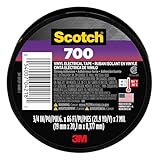
I remember standing there, a cheap roll of vinyl tape in my hand, staring at a frayed extension cord. The question echoing in my head was simple: can electrical tape prevent sparks? I’d seen it done in DIY videos, people wrapping up all sorts of dodgy wiring. It felt like a quick fix, a magic bullet for those moments when you’re trying to keep things running without shelling out for a proper repair. But the truth is, when it comes to electrical safety, a little bit of skepticism goes a long way.
We’ve all been there, right? That nagging feeling that something isn’t quite right, and you’re looking for the easiest way out. This whole electrical tape thing popped into my head after a particularly close call involving a garden power tool and a damp patch of lawn. Let’s just say it was a stark reminder that sometimes, the simple answers aren’t the right ones.
So, Does Electrical Tape Actually Stop Sparks?
Let’s cut to the chase: can electrical tape prevent sparks? The short answer is: not really, not in the way most people imagine. Electrical tape is designed to insulate, yes, but its primary job isn’t to create an impenetrable fortress against electrical discharge or to fix severely damaged wiring. Think of it more as a temporary bandage, not a structural repair.
When we talk about sparks, we’re often talking about arcing, which happens when electricity jumps across a gap. This can occur because of exposed wires, damaged insulation, or even dust and moisture getting into the wrong places. Electrical tape, particularly the common vinyl kind, provides a layer of insulation. If a wire is slightly nicked and the copper is just peeking out, wrapping it tightly with good quality electrical tape might prevent direct contact with something else, thus stopping a short circuit or a visible spark in that specific spot. It’s like putting a thin plastic shield over a tiny hole in a pipe – it might temporarily slow the leak, but it’s not going to fix the pipe itself.
However, it’s important to understand the limitations. Electrical tape isn’t designed to withstand high temperatures that can be generated by faulty connections or sustained arcing. Over time, or under significant electrical stress, the adhesive can fail, and the tape itself can degrade, crack, or even melt.
This leaves the wires exposed again, and often in worse condition than before because you’ve added a layer of flammable material right next to the potential problem. I learned this the hard way after using electrical tape on a slightly worn cord for a space heater.
It seemed fine for a few weeks, but then I noticed a faint smell of burning plastic. When I unwrapped it, the tape was brittle and peeling, and the insulation underneath was starting to melt. That was a wake-up call; a very smelly, slightly terrifying wake-up call.
The common advice you’ll find online is often a mixed bag. Many DIY forums will tell you it’s a quick fix for minor insulation issues. But the real experts, the electricians and safety organizations, will tell you it’s a temporary measure at best, and often a dangerous one if relied upon for anything more than a very minor, temporary patch on something low-voltage. It’s the difference between using a band-aid for a paper cut and using it for a deep gash – one is appropriate, the other is asking for trouble.
What to Actually Look for in ‘electrical’ Tape
This is where a lot of confusion creeps in. Not all tape that looks like electrical tape is actually suitable for electrical work. The stuff you grab at the corner store that’s just a buck or two a roll? Probably not your best bet for anything serious. We’re talking about specific grades and types of tape here. The most common type you’ll encounter is vinyl electrical tape. It’s flexible, it’s stretchy, and it comes in various colors, usually black, white, red, or blue. These colors are often used to denote different phases or voltage levels in more complex wiring jobs, though for simple repairs, the color is mostly for identification.
When you’re looking for tape that might help insulate a minor wire issue, you want to prioritize a few things. First, the thickness. Thicker tapes offer better insulation and are more durable. Second, the adhesion. You need a tape that sticks well and stays stuck, even when exposed to moderate heat or flexing. Cheap tapes often use weak adhesives that dry out and fail quickly. Third, its dielectric strength. This is a technical term, but basically it’s the maximum electric field the material can withstand without breaking down. Higher dielectric strength means better insulation. While you won’t see this listed on every cheap roll, reputable brands will often specify it, or at least imply it through their intended use.
My personal favorite, and what I keep in my toolbox for those ‘just in case’ moments, is a good quality vinyl tape from a recognized electrical supply brand, like 3M Super 33+ or 35. They’re more expensive, sure, maybe $8-$12 a roll compared to $1 for the generic stuff. But they feel different. (See Also: Can I Use Electrical Tape To Connect Wires )
They’re thicker, they stretch without tearing, and they stick like glue. I used a roll of that 3M tape to secure some wires on an outdoor lighting fixture that had a bit of a loose connection.
Months later, it’s still holding firm, no signs of drying out or peeling, and importantly, no sparks. That’s the difference quality makes. It’s not about preventing sparks in a high-energy scenario, but about providing a reliable, insulating barrier for low-voltage, minor repairs where the underlying issue isn’t severe.
A common mistake I see people make is grabbing any old sticky tape. Duct tape, packing tape, masking tape – none of these are designed for electrical insulation. They’re flammable, they don’t insulate well, and their adhesives will fail miserably under electrical load or heat. You might stop a spark for a minute, but you’re creating a much bigger fire hazard in the long run. Always, always, always use tape specifically designed and rated for electrical applications.
| Tape Type | Pros | Cons | Verdict for Spark Prevention |
|---|---|---|---|
| Cheap Vinyl Tape | Inexpensive, readily available | Poor adhesion, thin, degrades quickly, low dielectric strength | Very limited; may temporarily cover a tiny exposed wire, but unreliable and potentially dangerous. |
| High-Quality Vinyl Tape (e.g., 3M Super 33+/35) | Good adhesion, flexible, durable, better dielectric strength, color-coded options | More expensive | Can provide temporary insulation for minor nicks and abrasions on low-voltage wiring. Not a permanent fix, but better than cheap alternatives for very minor issues. |
| Rubber Splicing Tape | Self-fusing, excellent waterproofing and insulation, high dielectric strength | Can be trickier to apply, bulkier | Excellent for creating a solid, insulated splice, which indirectly prevents sparks by sealing exposed conductors. Better for actual repairs than simple wrapping. |
| Friction Tape | Gives a good grip, some insulation | Not primarily for electrical insulation, can be sticky and messy | Not recommended for electrical insulation purposes. |
Common Mistakes When Using Electrical Tape
One of the biggest blunders people make is believing electrical tape is a permanent solution. It’s not. Think of it like this: if you have a leaky faucet, you can wrap it with tape to stop the dripping for a while, but you still need to replace the washer or fix the pipe. Electrical tape is the same. It’s for temporary fixes, like securing a loose wire connection while you wait for a replacement part or get an electrician. Relying on it long-term is asking for trouble. I’ve seen perfectly good extension cords rendered unusable because someone wrapped a small tear with tape, and then the heat from the faulty connection melted the tape, shorting out the entire cord.
Another common error is improper application. You can’t just slap a few layers on haphazardly. For effective insulation, you need to wrap the tape with a good amount of tension, overlapping each layer by at least half. This creates a continuous, smooth barrier.
If you just loosely wrap it, or if there are gaps, you’re defeating the purpose. The tape needs to conform to the shape of the wire and create a smooth, uniform layer. I learned this when I tried to tape up a frayed wire on my old blender.
I was in a rush and didn’t stretch the tape properly. A few weeks later, the blender started to smell funny, and when I checked, the tape had come loose in places, exposing the wires. Lesson learned: apply it with firm, consistent tension.
Over-reliance on tape for significant damage is also a huge mistake. If you have a wire that’s badly frayed, cut, or showing signs of overheating (like melted insulation or blackened copper), electrical tape is NOT going to fix it. That kind of damage requires proper repair or replacement of the wire or cable. Trying to “tape over” severe damage is like trying to put a band-aid over a broken bone – it’s utterly ineffective and incredibly dangerous.
It creates a false sense of security while the underlying problem festers and increases the risk of shocks, fires, or equipment failure. The temptation to just tape it up and move on is strong, especially when you’re trying to save money or avoid a bigger job, but it’s never worth the risk.
Finally, using the wrong type of tape is a classic blunder. As mentioned before, any tape that isn’t specifically designed and rated for electrical use is a no-go. This includes duct tape, packing tape, masking tape, and even some tougher fabric tapes. They lack the necessary insulating properties and can be flammable. You need to see ‘electrical tape’ on the packaging, and ideally, a certification from a recognized safety organization if you want true peace of mind for anything beyond the most basic, temporary fix. (See Also: Can Electrica Tape Catch On Fire )
When Electrical Tape might Help (and When to Run)
So, can electrical tape prevent sparks in any real-world scenario? Yes, but only in very specific, limited circumstances. Imagine a situation where you’ve got a tiny nick in the insulation of a low-voltage wire – say, on a lamp cord or a charging cable. The copper isn’t exposed, but the outer protective layer is compromised.
A few tight, overlapping layers of good quality electrical tape can provide a decent insulating barrier in this instance. It’s not fixing the underlying damage, but it’s adding a protective layer that might prevent the damaged area from coming into contact with something conductive or from being further compromised by abrasion. This is the most common “successful” use case I’ve encountered where electrical tape is involved.
Another scenario is for securing wires and preventing them from rubbing together or snagging. For instance, if you’ve got wires bundled together behind a TV or computer, and one is slightly loose and might rub against another, a wrap of electrical tape can keep them in place and prevent chafing. This isn’t about stopping a spark directly, but about preventing the cause of a potential spark – friction damage. This is where the color-coding of electrical tape can actually be useful; you can use different colors to identify different bundles of wires if you ever need to take them apart.
However, the moment you step beyond these minor, low-voltage applications, you need to start thinking about running. If you see any signs of significant damage – wires that are frayed, cut, melted, or showing discoloration – electrical tape is NOT your friend. This includes appliance cords that are visibly worn, extension cords that have been run over by cars, or any wiring in your home that looks suspect.
These are situations that require immediate attention from a qualified electrician. Trying to patch these up with tape is like putting a smiley sticker on a ticking time bomb. The risk of fire, electric shock, or damage to your equipment is far too high. I once saw a friend try to tape up a heavily frayed cord for his power saw.
He thought he was being clever. A few minutes into his project, the tape started to smoke, and he was lucky to get away with just a burnt-out saw and a lot of melted plastic goo. That was a stark, and frankly terrifying, demonstration of when not to use electrical tape.
It’s also important to consider the environment. Electrical tape can degrade in extreme temperatures, direct sunlight (UV exposure), or exposure to certain chemicals. So, if you’re thinking about using it for outdoor wiring or in a workshop with solvents, think again. There are much more solid and suitable materials for those applications, like heat-shrink tubing or specialized outdoor-rated splicing connectors.
Practical Tips for Using Electrical Tape (when You Absolutely Have To)
Okay, so you’ve got a minor, low-voltage insulation issue, and you’ve decided to use electrical tape as a temporary measure. Here’s how to do it right, or at least, as right as you can. First, always start with clean, dry wires. If there’s any dirt, grease, or moisture, the tape won’t stick properly, and its insulating properties will be compromised. Wipe down the area with a clean cloth. If you’re dealing with a frayed wire, gently push any loose strands back into place as best you can before applying the tape. The goal is to create as smooth a surface as possible.
When you apply the tape, start a little before the damaged area and extend a little past it. This makes sure full coverage. Importantly, you need to apply it with firm, even tension. Stretch the tape as you wrap it. This makes it conform to the wire’s shape, creating a tight, smooth layer. Overlap each subsequent wrap by at least half the width of the tape. This ‘half-lap’ method is key for building up a strong, continuous insulating layer. Think of it like tiling – you want those overlapping edges to create a waterproof seal. Don’t just loosely wrap it; that’s asking for it to peel off or fail.
For a more solid temporary fix, especially on slightly larger wires or connections, consider using a combination of tapes. Start with a layer or two of rubber splicing tape (which is self-fusing and creates a very solid, waterproof insulation) and then finish with a layer or two of high-quality vinyl electrical tape for UV and abrasion resistance. This is more involved, and frankly, if you’re at the point where you’re considering this, you should probably be calling an electrician. But if you’re in a pinch and need a temporary fix to get something working safely for a short period, this approach offers better protection than vinyl alone. (See Also: Can I Substitute Duct Tape For Electrical Tape )
Finally, and this cannot be stressed enough: mark the repair. Put a piece of masking tape or a tag on the cord or wire indicating that it has been temporarily repaired with electrical tape and needs to be properly inspected or replaced as soon as possible. This serves as a reminder to yourself and anyone else who might use the item. It’s a simple step that can prevent someone from forgetting about the temporary fix and relying on it indefinitely, which is where the real danger lies.
Is Electrical Tape a Fire Hazard?
This is a question that probably keeps a lot of people up at night, and honestly, it should. The short answer is: yes, electrical tape can be a fire hazard, especially if it’s used improperly or for damage that’s beyond its capabilities. The primary concern is the material itself. Most common electrical tapes are made from vinyl, which is a type of plastic. Plastics are, by nature, flammable. While they are designed to be insulating, they are not designed to withstand sustained high temperatures or arcing. If a faulty connection generates enough heat, or if a spark occurs through the tape, the vinyl can ignite and burn, potentially spreading the fire.
Furthermore, the adhesive on electrical tape can also be a contributing factor. Over time, or when exposed to heat, the adhesive can break down. This can cause the tape to loosen, exposing the wires underneath. If the exposed wires then come into contact with other conductive materials, a short circuit or arc can occur. The burning vinyl tape then acts as fuel for this event. I’ve seen this happen firsthand with cheaper tapes that lose their stickiness relatively quickly, especially if the wiring is in a warm environment like an appliance motor housing or near a heat source. The resulting mess is not just unsightly; it’s a clear fire risk.
The most dangerous situation is when people use electrical tape to cover up significant wire damage. A frayed or cut wire is already a point of weakness where arcing can occur. If you simply wrap it with tape, you’re not fixing the problem; you’re just hiding it. The arc can still happen underneath the tape, heating it up, and potentially igniting the vinyl. This is a much more insidious type of fire hazard because it’s happening out of sight. It’s a false sense of security that makes the situation even more perilous. This is why, if you see exposed or damaged wire, your first thought should not be ‘grab the tape,’ but rather ‘replace the cord’ or ‘call an electrician.’
However, it’s not all doom and gloom. High-quality electrical tapes, especially those designed for specific industrial applications (which often go beyond basic household use), have better flame-retardant properties and higher temperature ratings. For minor, temporary insulation on low-voltage wiring, a good quality tape applied correctly is unlikely to spontaneously combust. But we’re talking about minor cosmetic damage, not actual faults. The key takeaway is that electrical tape is a temporary insulator, not a fire-retardant shield. It’s key to understand its limitations and use it only when appropriate, always with the intention of making a proper repair or replacement soon after.
Can Electrical Tape Be Used to Fix a Broken Wire?
No, electrical tape is not suitable for fixing a broken wire. It’s designed for insulating minor nicks or abrasions in the wire’s outer jacket, not for rejoining conductors or repairing breaks. A broken wire requires proper splicing, soldering, or replacement of the entire cable to make sure a safe and reliable connection.
What Is the Difference Between Electrical Tape and Other Tapes?
Electrical tape is specifically manufactured with insulating properties and a durable adhesive to withstand electrical current and environmental factors. Other tapes, like duct tape, packing tape, or masking tape, lack these properties, are often flammable, and their adhesives will fail under electrical stress, making them unsafe for electrical applications.
How Many Layers of Electrical Tape Are Needed?
For minor repairs, two to three layers of high-quality electrical tape, applied with firm tension and overlapping each layer by at least half the tape’s width, are generally recommended. This creates a continuous insulating barrier. However, the exact number can depend on the severity of the damage and the tape’s thickness.
Can Electrical Tape Prevent Shocks?
Electrical tape can help prevent shocks by providing an insulating barrier over exposed or damaged wires, thereby preventing direct contact with live conductors. However, it is not a foolproof solution. If the tape fails, is applied incorrectly, or if the underlying damage is too severe, it can still lead to electric shock.
How Long Does Electrical Tape Last?
The lifespan of electrical tape varies greatly depending on its quality and the environmental conditions. High-quality tapes in protected environments can last for many years, while cheap tapes or those exposed to heat, UV light, or moisture may degrade and fail within months or even weeks, losing their adhesion and insulating properties.
Verdict
So, to circle back to the burning question: can electrical tape prevent sparks? It’s a qualified ‘maybe’ for very minor, temporary situations on low-voltage wiring. It’s not a magic bullet to fix damaged cords or prevent electrical fires. In most cases where sparks are a real concern, tape is a sign you need to stop, assess, and probably call in a professional. Trying to ‘tape up’ serious electrical problems is a recipe for disaster, plain and simple. It’s like putting a tiny plaster on a gaping wound – it looks like you’re doing something, but you’re not addressing the actual, dangerous issue.
My advice? Keep a good quality roll of electrical tape in your toolbox for those very minor, temporary fixes on things like lamp cords or low-voltage electronics where the insulation is slightly scuffed. But for anything more serious – frayed appliance cords, damaged extension cords, or anything that looks like it’s seen better days – your safest bet is to replace the offending item or call an electrician. Don’t gamble with electricity; the stakes are just too high.