I remember the frantic scramble. A burst pipe under the sink, a steady stream turning into a small Niagara Falls, and my usual toolbox seemed to be mocking me with its uselessness. In that moment of panic, a thought, desperate and perhaps a little insane, popped into my head: can electrical tape stop water leak? It seemed too simple, too flimsy. But when the water’s rising, you start considering options you’d normally dismiss faster than a free sample of kale chips.
We’ve all been there, right? Facing a minor disaster and wondering if that roll of black tape in the junk drawer could actually be the hero of the hour. I’ve certainly wasted enough money on fancy sealants that promised miracles and delivered duds. So, let’s cut to the chase about electrical tape and water.
So, Can Electrical Tape actually Stop a Water Leak?
Look, if you’re picturing a pinhole leak in a garden hose that you’re about to toss anyway, or maybe a tiny drip from a pipe fitting that’s more annoying than damaging, then yeah, electrical tape might buy you some time. I’ve used it in a pinch for exactly that kind of situation.
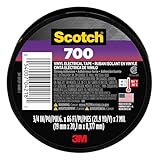
Think of it as a temporary band-aid, not a permanent fix. The rubbery, stretchy nature of good quality electrical tape, especially the thicker stuff like 3M Super 33+, means you can wrap it around a pipe and get a reasonably snug fit. The adhesive is sticky enough to hold on for a while, and the tape itself can resist a bit of water pressure. I’ve managed to slow down a weeping pipe under my kitchen sink for a few days with a few careful layers of tape, just long enough to get to the hardware store for proper parts.
The key word there is ‘temporary.’ This stuff isn’t designed for constant immersion or high pressure. If you’ve got a gushing pipe, a significant crack, or a leak in a spot that’s always wet, electrical tape is going to let you down.
It’s like trying to stop a tsunami with a sponge. I once tried to tape up a leak in a PVC pipe during a heavy rainstorm that was flooding my shed.
I wrapped it, layered it, even used two different brands. Within an hour, the water had found its way through, and I was standing ankle-deep in a muddy mess. Lesson learned: context matters. For a minor, intermittent drip on something that’s not under constant stress, it can work.
For anything more serious, you’re just delaying the inevitable and potentially making a bigger mess later.
The common advice you’ll find online, if you dig deep enough, often falls into two camps: the overly optimistic ‘yes, it’s a miracle fix!’ crowd and the completely dismissive ‘absolutely not, you idiot!’ crowd. Neither is entirely accurate. It’s not a miracle, but it’s also not entirely useless. The reality is, it’s a low-cost, readily available improvisation tool that has its place, but that place is very, very limited. If you’re dealing with something that, if it fails, will cause major water damage, please, for the love of all that is dry, do not rely on electrical tape. Go buy the right product. Your insurance company will thank you.
What Makes Good Electrical Tape for Emergency Use
Not all electrical tape is created equal, and when you’re in a bind, you want the good stuff. I’ve learned this the hard way, buying those cheap, no-name rolls that feel thin and brittle. They stretch out too easily, lose their tackiness in minutes, and offer zero confidence.
For any kind of emergency water containment, you want tape that’s thick, pliable, and genuinely sticky. Brands like 3M (their Super 33+ or even the Scotch 88 vinyl tape) are generally reliable. They have a good balance of stretch and strength. You can wrap it around a pipe, and it conforms to the shape without bunching up or tearing.
The adhesive is designed to stick well, even in slightly damp conditions, though it’s not truly waterproof in the long term.
The thickness is key. A thinner tape will require more layers to build up any semblance of a barrier, and each layer is another potential point of failure. A thicker tape, say 7-10 mils, will give you a better initial seal with fewer wraps. When I’m assessing whether electrical tape is even worth a shot, I look at the tape itself. (See Also: Can I Use Electrical Tape To Connect Wires )
Does it feel substantial? Can I stretch it quite a bit without it feeling like it’s going to snap?
Does the adhesive feel tacky and ready to grab? If the answer is no to any of these, I’m putting it back on the shelf and looking for something else. I’ve seen cheap tape peel away or just become gooey goo under pressure, rendering it completely useless. It’s frustrating when you’re already dealing with a leak.
Another factor is the temperature range. While we’re talking about water leaks, often these happen in places that might be cold or warm.
Good quality electrical tape should maintain its flexibility and adhesive properties across a reasonable temperature range. I’ve had rolls that become stiff and crack in the cold, or get soft and gummy in the heat, both of which are bad news when you need a seal.
If you’re serious about having a ‘just in case’ roll of tape around, invest in a reputable brand that’s known for its performance. It might cost a dollar or two more per roll, but when you need it, that difference is the difference between a minor inconvenience and a major disaster. I keep a couple of rolls of 3M Super 33+ in my car’s emergency kit, specifically for those ‘oh crap’ moments.
How to Apply Electrical Tape for Water Leaks (when It’s Your Only Option)
Okay, you’re in a situation where electrical tape is your last resort. Don’t just haphazardly slap it on.
There’s a method to this madness, and doing it right gives you a slightly better shot. First, and this is important: clean and dry the area as much as humanly possible. I know, I know, it’s a leak, so it’s probably wet.
But use a rag, a paper towel, even a dry piece of clothing to get the surface as dry and free of debris (dirt, grease, old pipe dope) as you can. A clean surface is vital for the adhesive to even have a prayer of sticking. If it’s a pressurized leak, you’re fighting an uphill battle from the start. Try to shut off the water supply to that pipe if you can.
If not, you’re working against the clock and the water pressure.
Start wrapping the tape a good few inches above the leak and continue a good few inches below it. Overlap each layer by at least half the width of the tape.
This creates a stronger, more continuous barrier. Pull the tape taut as you wrap. You want it to be snug against the pipe, conforming to the surface. This helps displace any remaining moisture and makes sure good adhesion.
Think of it like wrapping a gift tightly; you don’t want wrinkles. Continue wrapping, building up layers. For a small pinhole, maybe three to four layers will do. (See Also: Can Electrica Tape Catch On Fire )
For a slightly larger crack or seam leak, I’d go for six to eight layers, maybe even more. The more layers, the more material there is to act as a barrier.
Here’s a pro-tip I picked up: on the final few wraps, try to stretch the tape a bit more aggressively. This can help ‘lock’ the previous layers down and create a tighter seal. Some people even suggest heating the tape slightly with a hairdryer to make it more pliable and stretchy, but honestly, in a panic situation with a water leak, I’m not usually thinking about my hairdryer. Just pulling it firmly should do.
After you’re done, press down firmly on all the wrapped layers to make sure maximum adhesion. Again, this is a temporary fix. As soon as you can, get the right plumbing parts and make a permanent repair.
I once taped a leaky pipe fitting on a hot water line. It held for about 12 hours before the heat and pressure made it bulge and then spectacularly fail, flooding the cupboard. It bought me time, but that time was short-lived.
When Electrical Tape Fails: Real-World Scenarios
I’ve already mentioned a couple of times where electrical tape just didn’t cut it. Let’s talk about those scenarios in more detail, because this is where the honesty comes in. First up: high-pressure situations. If you’ve got a water main leak or a pipe under significant pressure (like most of your household plumbing), electrical tape is basically useless. The water will find the weakest point, push its way through, and the tape will likely just peel off or burst. I tried using it on a leaking washing machine hose once, thinking it was just a slow drip. Within minutes, it was spraying water everywhere. The pressure was just too much for the adhesive and the tape itself.
Another big one is constant submersion. If the pipe or fitting is sitting in standing water, or if the leak is in an area that’s always damp (like the bottom of a shower surround or a leaky gutter joint that’s constantly exposed to rain), electrical tape isn’t your friend. The adhesive will eventually break down when it’s constantly wet, and the tape itself can become saturated and lose its integrity. I attempted a repair on a leaky garden hose connector that was always damp. The tape worked for maybe a day before it started to look sad, then soggy, and then the leak returned with a vengeance. It’s not designed for prolonged contact with water.
Then there’s the issue of temperature extremes. While good quality tape is somewhat resistant, extreme cold can make it brittle and prone to cracking, while extreme heat can soften the adhesive and the tape itself, leading to a loss of seal.
I had a pipe under my porch that leaked during a cold snap. I used electrical tape, and it held for a bit, but when the temperature dropped even further, the tape seemed to freeze and crack, and the leak got worse. Conversely, I’ve heard stories of people trying to patch hot water pipes, and the heat just makes the tape sag and fail. So, while it might work for a brief period in mild conditions, don’t count on it for pipes carrying hot water or those exposed to freezing temperatures.
It’s simply not built for those kinds of stresses.
Alternatives to Electrical Tape for Leaks
Since we’ve established that electrical tape is, at best, a temporary emergency fix for minor leaks, what should you actually use? My go-to for quick, temporary repairs on pipes is plumber’s tape (PTFE tape) for threaded fittings, and for actual leaks on pipes themselves, I’ve found a few things that work far better. First up, self-fusing silicone repair tape. This stuff is amazing.
It’s not sticky; you stretch it as you wrap, and it fuses to itself, creating a solid, waterproof, and surprisingly strong bond. I used it on a leaky joint in my backyard sprinkler system, and it’s been holding up for over a year with no issues. It’s much more forgiving than electrical tape and creates a much more solid seal.
Another option is pipe repair clamps or sleeves. These are metal or plastic sleeves that you bolt or clamp around the damaged section of pipe. They are designed specifically for this purpose and can handle significant pressure. They’re not as elegant as a simple wrap, but they are incredibly effective for cracks or holes in straight pipe sections. I had a small crack in a copper pipe in my basement, and a pipe repair clamp stopped the leak instantly and completely. It’s a much more reliable solution than hoping tape will hold. (See Also: Can I Substitute Duct Tape For Electrical Tape )
For more permanent fixes, you’ll need to consider the pipe material. For copper pipes, you can get compression fittings or sweat fittings (if you’re comfortable with soldering). For PVC or PEX, there are solvent cements and crimp fittings.
These are the products designed to make lasting repairs. If you’re dealing with a leak, especially one that could cause significant damage, biting the bullet and buying the correct repair kit or parts is always the smartest move.
I’ve seen too many people try to get by with temporary fixes, only to end up with mold, water damage, and much larger repair bills down the line. It’s always better to do it right the first time. Below is a quick comparison of some common temporary fixes:
| Repair Method | Pros | Cons | Verdict |
|---|---|---|---|
| Electrical Tape | Cheap, readily available, flexible | Temporary, poor pressure/water resistance, degrades easily | Last resort for tiny, non-pressurized drips ONLY. |
| Silicone Repair Tape | Self-fusing, strong, waterproof, flexible | Can be fiddly to apply, still temporary for high pressure | Excellent temporary fix for most pipe leaks. |
| Pipe Repair Clamp | Very strong, handles pressure, durable | Bulky, requires specific sizes, not for all pipe types | Best bet for cracks/holes in straight pipe sections. |
| Plumber’s Putty | Good for sealing around drains/faucets | Not for pipe joints or pressurized leaks | Useful for specific non-pipe sealing tasks. |
The Plumbing Authority’s Stance on Temporary Fixes
When it comes to plumbing repairs, the general consensus from professional plumbers and plumbing authorities is to avoid temporary fixes whenever possible. Organizations like the Plumbing-Heating-Cooling Contractors Association (PHCC) emphasize the importance of using approved materials and proper installation techniques for any plumbing work. While they don’t specifically address electrical tape for leaks, their guidance strongly points towards using products specifically designed and rated for plumbing applications. They highlight that temporary measures, while sometimes necessary to stop an immediate flood, should never be considered a permanent solution.
The concern is that a failed temporary fix can lead to more significant water damage, mold growth, and potential structural issues in a building. Electrical tape, in particular, is not designed to withstand the constant pressure and moisture found in plumbing systems. Its adhesive can degrade, and the tape itself can become brittle or lose its elasticity, especially when exposed to fluctuating temperatures or UV light if it’s in a visible location.
Relying on it can create a false sense of security, leading homeowners to delay proper repairs. This delay can turn a minor leak into a major, costly problem. Therefore, any use of electrical tape for a water leak should be seen as an extremely short-term, emergency measure to mitigate immediate flooding, with a permanent repair scheduled as soon as humanly possible.
Can I Use Electrical Tape to Fix a Leaky Shower Head?
For a very minor, slow drip from a shower head connection, electrical tape might temporarily slow it down. However, shower heads are subject to constant moisture and varying water pressure, which electrical tape is not designed to handle long-term. It’s far better to use PTFE tape (plumber’s tape) on the threads or consider replacing the gasket if it’s worn out. Electrical tape will likely fail relatively quickly in this environment.
Will Electrical Tape Hold on a Leaky Radiator?
Radiators deal with pressurized hot water, which is a recipe for disaster if you’re relying on electrical tape. The heat and pressure will almost certainly cause the tape to fail, potentially leading to a much larger leak and scalding water. For radiator leaks, you need specialized radiator repair products or to call a professional. Electrical tape is not suitable for this application at all.
Is Electrical Tape Waterproof Enough for Outdoor Pipes?
No, electrical tape is not truly waterproof for long-term outdoor pipe exposure. While it has some water resistance, it’s not designed to be continuously submerged or exposed to the elements. UV rays, temperature fluctuations, and consistent moisture will degrade the tape and its adhesive, causing it to fail and the leak to return. Use products specifically rated for outdoor and plumbing use.
How Many Layers of Electrical Tape Are Needed for a Leak?
For the absolute smallest, slowest drip that you’re just trying to get a few hours of relief from, I’d say a minimum of 4-6 tightly wrapped layers. If the leak is a bit more noticeable, aim for 8-10 layers, making sure each overlaps the last by at least half. The more layers, the slightly better the chance of temporary containment, but remember this is a Hail Mary, not a reliable fix.
Final Thoughts
So, to wrap this up, can electrical tape stop a water leak? Yes, but only in very specific, very minor, and very temporary situations. Think of it as an emergency stop-gap, like putting a chewing gum patch on a bike tire – it might get you home, but you’re not winning any races. I’ve used it, I’ve seen it work (briefly), and I’ve seen it fail spectacularly.
If you’re staring down a steady stream, or if the leak is on something under significant pressure or heat, don’t bother with electrical tape. You’re wasting precious time and tape that could be used for actual electrical work. Grab some silicone repair tape, a pipe clamp, or just go buy the right plumbing parts. The peace of mind and the prevention of further damage are worth the few extra bucks.
My honest opinion? Keep a roll of good quality electrical tape handy, absolutely. It’s useful for, you know, electrical stuff. But for water? Consider it your absolute last, desperate, ‘nothing else is available’ option for the smallest of drips. If you’re ever in doubt about a water leak, err on the side of caution and call a plumber. Better safe than soaked.