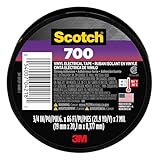
I remember the first time I tried to fix a frayed cord on my old toaster. It was spitting sparks, and I, armed with a roll of shiny new electrical tape, felt like a pro. I wrapped it up good and tight, feeling pretty pleased with myself. Then, a week later, the same cord started smoking. Turns out, my quick fix was a ticking time bomb. This whole thing about whether can electrical tape touch wire isn’t just a technicality; it’s about safety and whether you’re actually fixing something or just delaying the inevitable disaster. I’ve spent way too much time and money learning the hard way, so let’s cut through the BS.
The Real Deal: Why Electrical Tape Isn’t a Magic Wand
Look, electrical tape is brilliant for what it’s designed for. It’s stretchy, it’s a good insulator when dry and intact, and it sticks reasonably well to itself and other surfaces.
But here’s the blunt truth: it’s a temporary fix, not a permanent repair for damaged wire insulation. Think of it like putting a band-aid on a deep cut. It might stop the bleeding for a bit, but it’s not going to heal the wound.
When the insulation on a wire is cracked, brittle, or completely missing, it means the copper conductor inside is exposed. Electrical tape, even the good stuff, isn’t designed to be the sole protective barrier against physical damage, abrasion, or significant temperature fluctuations that wires often endure. I learned this the hard way with a set of outdoor Christmas lights I tried to revive one year.
Wrapped them all up with tape, and within a month, short circuits everywhere because the tape just couldn’t handle the rain and cold, let alone the constant flexing from the wind. It’s a common mistake, and one that can lead to shocks, fires, or just a lot of frustration.
What Electrical Tape is Good for (when Not Touching Exposed Wire)
So, if it’s not for fixing wires that have lost their original coating, what is it for? Honestly, the best uses for electrical tape are for bundling wires together, providing a bit of extra grip on tool handles, or as a temporary wrap on a wire that’s just barely nicked, provided you’re going to follow up with a proper repair method soon.
It’s excellent for keeping cable looms tidy in your car or behind your entertainment center. It can even be used to seal off a wire end if the connector has fallen off, but again, this is a temporary measure until a proper crimp or solder connection is made. I’ve used it to temporarily hold a piece of plastic trim in place on my old lawnmower before I could get the right screw.
The key here is understanding that the original insulation is compromised. You need something that’s going to physically protect the conductor and provide reliable electrical insulation under all conditions the wire will experience. For example, if you’ve got a wire that’s only lost a tiny bit of its outer sheath, but the inner insulation is perfectly intact, a wrap of electrical tape can offer some light protection against further abrasion. (See Also: Can I Use Electrical Tape To Connect Wires )
But if you can see bare copper, you’ve crossed a line.
The Contrarian View: Why Some People Swear by It (and Why They’re Probably Wrong)
I’ve heard it a million times: “Just wrap it with electrical tape, it’ll be fine.” Some folks will tell you that if you wrap it tightly enough, with enough layers, it’s as good as new. I disagree. My personal experience, and I’ve seen this happen to others too, is that this approach is a gamble. The adhesive on electrical tape isn’t designed for long-term, high-stress environments.
It can dry out, lose its tackiness, and eventually peel away, especially when exposed to heat, moisture, or UV rays. Think about a wire running along an engine block or exposed to the elements outdoors. The heat will make the adhesive gooey and the tape itself brittle. Moisture will get underneath, defeating the insulation purpose.
And physical stress, like vibration or flexing, will eventually loosen the wrap. I once had a friend who swore he’d fixed a power cord for his shop vac with about ten layers of tape. It worked for maybe three months before it started buzzing ominously again. The common advice to just tape it up is often given by people who haven’t had the bad luck of seeing their ‘fix’ fail at the worst possible moment.
It’s lazy, and it’s often dangerous. True wire repair requires more solid solutions.
When Tape Fails: What to Use Instead
When that original insulation is trashed, and you’re staring at bare copper, tape is not your friend. You need to address the root problem. The best methods involve restoring the insulation properly.
For smaller wires, heat shrink tubing is fantastic. You slip a piece of the tubing over the wire, make your repair (like soldering or using a butt connector), and then use a heat gun to shrink the tubing snugly around the splice. It creates a watertight, electrically insulated, and mechanically strong seal. (See Also: Can Electrica Tape Catch On Fire )
It looks professional, too. For larger gauge wires, or when you need a really solid splice, a proper insulated connector, like a crimp-on butt connector, is the way to go. You strip the wire ends, insert them into the connector, and use a crimping tool to make a secure mechanical and electrical bond.
Then, you can optionally add electrical tape over the connector for extra protection, but the connector itself is the main barrier. I switched to using heat shrink for all my appliance repairs years ago after a few tape-related headaches, and the difference is night and day. It feels solid, reliable, and I don’t have that nagging worry in the back of my head.
Here’s a quick rundown of what I use and when:
| Method | Best For | Pros | Cons | My Verdict |
|---|---|---|---|---|
| Electrical Tape | Bundling, temporary protection on undamaged insulation | Cheap, flexible, easy to apply | Poor long-term durability, not a true insulator for exposed wire, degrades with heat/moisture | Emergency or bundling only. Never a primary repair. |
| Heat Shrink Tubing | Splicing wires, insulating connections | Excellent insulation, waterproof, mechanically strong, professional look | Requires heat gun, needs to be sized correctly | My go-to for most wire repairs. Reliable and clean. |
| Insulated Butt Connectors | Joining two wires, permanent splices | Very strong mechanical connection, good insulation, fast | Requires crimping tool, can be bulky | Solid for joining wires where flexibility isn’t key. Works great with tape over it for added security. |
Common Mistakes and How to Avoid Them
The biggest mistake, as we’ve discussed, is thinking electrical tape can replace proper insulation. People often grab the tape because it’s readily available, but they don’t consider the environment or the stress the wire will be under. Another common error is not preparing the wire properly before applying any repair method.
If you’re splicing wires, for instance, you need to strip the insulation back to the correct length, making sure clean copper ends. If you’re using heat shrink, make sure you slide it onto the wire before you make the splice.
I learned that the hard way, having to desolder a connection just to get a piece of tubing onto the wire. Also, using the wrong type of tape is a pitfall. There’s vinyl electrical tape, which is pretty standard, but then there are specialty tapes like rubber mastic tape or silicone self-fusing tape, which offer much better environmental resistance and insulation properties for more demanding applications.
But even those aren’t typically meant to be the sole protection on a wire that’s lost its original jacket. Lastly, underestimating the importance of a good mechanical connection when splicing is a big no-no. A loose connection generates heat, which can melt insulation and cause further damage. (See Also: Can I Substitute Duct Tape For Electrical Tape )
Always make sure your splices are tight and secure, whether soldered, crimped, or properly connected.
People Also Ask: Can Electrical Tape Touch Wire?
Can Electrical Tape Be Used for Permanent Repairs?
No, electrical tape is generally not recommended for permanent repairs on wires where the original insulation is damaged. Its adhesive can degrade over time, and it’s not designed to withstand the stresses, heat, or moisture that wires often encounter. While it offers some temporary insulation, it should be considered a short-term fix until a more solid, permanent solution like heat shrink tubing or proper connectors can be applied.
What Happens If Electrical Tape Gets Wet?
When electrical tape gets wet, its adhesive properties can be compromised, causing it to lose its stickiness and potentially peel away. Water can also seep underneath the tape, reducing its effectiveness as an electrical insulator. This can lead to short circuits or electrical hazards, especially if the underlying wire insulation is already compromised.
Is It Safe to Use Electrical Tape on a Frayed Wire?
It is not safe to use electrical tape as the sole method of repair on a frayed wire, especially if the copper conductor is exposed. Frayed insulation indicates that the wire is damaged and vulnerable. While electrical tape might offer a superficial layer of protection, it does not provide the reliable insulation or physical protection needed to prevent shocks, short circuits, or fires. A proper repair method should always be used.
Can You Repair Exposed Wire with Electrical Tape?
You can temporarily cover exposed wire with electrical tape, but it is not a safe or reliable long-term repair. The tape can degrade, and it doesn’t offer sufficient protection against physical damage, moisture, or heat. For exposed wire, you need to use methods like heat shrink tubing, insulated connectors, or other appropriate insulation materials to make sure safety and prevent electrical hazards.
How Many Layers of Electrical Tape Are Needed to Insulate a Wire?
While adding more layers of electrical tape might seem like a solution, it doesn’t fundamentally change the limitations of the tape itself. Electrical tape is not designed to be the primary insulation for damaged wires. Even multiple layers can fail under stress, heat, or moisture. The focus should be on using the correct repair material, not on the quantity of tape.
Final Thoughts
So, to wrap things up: can electrical tape touch wire? Yes, it can be in contact with a wire, and it’s great for bundling or protecting intact insulation. But using it to repair damaged wire insulation is a gamble I stopped taking years ago. It feels like a quick fix, but it often leads to bigger problems down the line. Think about how much a new cord for a small appliance costs versus the potential damage from a fire. It’s just not worth the risk.
My advice? If you’ve got a wire with compromised insulation, invest a few bucks in some heat shrink tubing or a pack of decent insulated connectors. It’s a small price to pay for real safety and peace of mind. Don’t be the person who has to deal with the smoky aftermath of a shoddy repair. Learn from my mistakes.
Next time you see frayed wiring, whether it’s on a lamp, a power tool, or even a garden hose with a wire running through it, reach for the right tool, not just the closest roll of tape. You’ll thank yourself later.