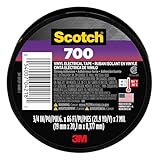
I remember staring at a leaky pipe under my kitchen sink, a tiny drip that was slowly but surely turning into a miniature waterfall. The hardware store was closed, and my usual roll of PTFE tape (you know, plumbers tape) was nowhere to be found. In a panic, I grabbed the roll of black electrical tape from my toolbox. “Surely,” I thought, “this flexible, sticky stuff can do the job, right?” That’s how I ended up testing whether can electrical tape work as plumbers tape in a real, albeit desperate, situation.
The short answer? It’s complicated, and mostly, no. But let me tell you about the time I actually tried it, and what I learned the hard way about relying on the wrong materials when water is involved.
We’ve all been there – a DIY job gone slightly awry, a missing tool, a desperate improvisation. This is my honest take, forged in the fires of minor plumbing disasters and saved by sheer stubbornness (and sometimes, a little luck).
When the Drip Won’t Wait: My Electrical Tape Experiment
Look, I’m not going to sugarcoat it. The first time I faced that stubbornly dripping faucet connector, my brain immediately went to the easiest, closest solution.
My toolbox, crammed with various odds and ends, offered up a roll of standard black electrical tape. I’d seen people use it for all sorts of makeshift repairs – holding wires together, temporarily fixing a cracked hose.
So, the thought process was: flexible, seals things, sticks well… why wouldn’t it work for a pipe thread? I wrapped it around the threads, probably a bit too thick, thinking more layers equaled more sealing power. I tightened the fitting, held my breath, and… it held. For about twenty minutes.
Then, the slow, insidious drip returned, mocking my ingenuity. The water pressure, even the low pressure of a faucet, was just too much for the adhesive and the material’s integrity. It’s not designed for the constant pressure and moisture a plumbing joint endures. It’s designed to insulate electrical wires from each other, not to create a watertight seal under pressure.
That initial success was pure fluke, a temporary reprieve before the inevitable.
So, to answer the burning question right out of the gate: can electrical tape work as plumbers tape? Technically, for a very short, low-pressure, non-important application where a tiny leak is merely an annoyance and not a flood risk, maybe. But it’s a massive gamble. The material properties are just fundamentally different.
Electrical tape is PVC-based, designed for flexibility and electrical insulation. It degrades when exposed to water over time, and its adhesive can break down. Plumbers tape, or PTFE tape, is made of polytetrafluoroethylene, a material that’s incredibly inert, non-stick (ironically, when it comes to threads, it helps them seal by filling gaps without sticking permanently), and resistant to a wide range of chemicals and temperatures found in plumbing systems. It’s also designed to be compressed and deformed slightly to create a seal.
I’ve since learned that while a temporary fix might seem tempting, the cost of a potential water damage cleanup far outweighs the few bucks you’d spend on proper plumbers tape. My electrical tape experiment under the sink was a stark reminder that some tools are designed for specific jobs for a reason. It’s like trying to hammer a nail with a wrench – you might get it in, but it’s inefficient, potentially damaging, and there’s a much better tool for the job sitting right there.
What Makes Plumbers Tape Actually Work?
Alright, so we’ve established that electrical tape is generally a no-go for anything serious. But what’s the magic behind actual plumbers tape that makes it so effective?
It’s all in the material and how it’s applied. PTFE tape, commonly known as Teflon tape (though Teflon is a brand name), is made from a synthetic fluoropolymer of tetrafluoroethylene.
This stuff is slick. Seriously slick. (See Also: Can I Use Electrical Tape To Connect Wires )
When you wrap it around the threads of a pipe fitting, you’re not just adding bulk; you’re filling in the tiny imperfections and gaps between the male and female threads. As you tighten the fitting, the PTFE tape compresses, conforming to these gaps and creating a barrier that prevents water (or gas, depending on the type of tape) from escaping.
The key is that PTFE is chemically inert. This means it doesn’t react with water, common pipe sealants, or most household chemicals. It won’t degrade, swell, or crumble under normal plumbing conditions. This is a huge contrast to something like electrical tape, which is a plastic (PVC) with an adhesive backing. That plastic can become brittle over time, especially when exposed to moisture and temperature fluctuations, and the adhesive is designed to stick to itself and wires, not necessarily to create a permanent, watertight seal under pressure on metal or plastic threads.
Think about it: plumbing systems are designed to hold water under pressure. A tiny leak can turn into a big problem very quickly, leading to water damage, mold growth, and expensive repairs.
The thread sealant is the last line of defense. Using a material that’s not up to the task is just asking for trouble. The common advice to use proper plumbers tape isn’t just corporate jargon; it’s based on decades of experience and the actual physical properties of the materials involved. I’ve seen firsthand what happens when you try to cut corners.
It’s usually more expensive in the long run. I once tried to save a few bucks on some cheap, generic thread sealant for a garden hose connection, and within a week, it was leaking like a sieve. The proper stuff?
Still holding strong after three years. It’s a small cost for peace of mind and a leak-free connection.
Why Electrical Tape Fails Where Plumbers Tape Excels
Let’s get blunt. Electrical tape is designed to insulate and protect electrical wires. It’s made from PVC, which is a plastic.
This plastic has some flexibility, and the adhesive is sticky enough to hold wires together and prevent short circuits. That’s its job. It’s great for that. But plumbing?
It’s a different beast entirely. Water pressure, even in a residential system, is significant.
When you’re tightening a pipe fitting, you’re compressing that tape. Electrical tape, being a plastic, can deform permanently or even shred under that kind of consistent, directional pressure, especially if the threads aren’t perfectly smooth or if you overtighten. The adhesive, which is typically rubber-based or acrylic-based, is not formulated to create a long-term, watertight seal against constant water exposure and pressure.
It’s meant to hold insulation in place, not to be the primary barrier against a deluge.
PTFE tape, on the other hand, has a unique set of properties that make it ideal. It’s incredibly slippery, which allows fittings to be tightened more easily and to a greater extent, creating a tighter seal without galling the threads. It’s also non-reactive, meaning it won’t break down or corrode when in contact with water, oils, or common household chemicals. It doesn’t really “stick” in the way that glue does; it fills the voids. This is actually a good thing, as it means you can take fittings apart later without them being seized together by hardened sealant.
I learned this the hard way when I tried to seal a threaded shower arm into the wall pipe using electrical tape. I thought, “It’s just water, and it’s not high pressure.” Wrong. (See Also: Can Electrica Tape Catch On Fire )
Within a day, a fine mist was seeping out. When I finally took it apart, the electrical tape had become gummy and distorted, and the adhesive had started to break down.
The threads were a sticky mess. Switching to actual PTFE tape took about two minutes and stopped the leak instantly. The cost difference?
A roll of electrical tape might be $3, and a roll of PTFE tape might be $4. That extra dollar saved me a potential water damage headache.
It’s a classic case of the right tool for the job, and the wrong tool just making more work for you down the line.
Real-World Use Cases and When to Absolutely Avoid It
So, where might you get away with electrical tape in a pinch, and where should you absolutely not even think about it? Let’s be clear: for any permanent plumbing connection that carries water under pressure – sinks, toilets, showers, outdoor spigots, gas lines (never, ever use electrical tape on gas lines) – you should NOT use electrical tape. It’s a recipe for disaster. The risk of leaks, water damage, and potential structural issues is far too high. My initial “success” under the sink was a fluke, and I had to replace it with proper PTFE tape the next day anyway. It bought me maybe an hour of false hope and a sticky mess.
However, if you have a very temporary, very low-pressure, non-important situation where a small drip is only an aesthetic annoyance and not a risk of damage, electrical tape might hold for a short while. Think of sealing a tiny weep on a garden hose connector that you’re going to replace entirely in a few days. Or perhaps a temporary seal on a drain pipe connection above ground where any minor leak would just drip onto the floor where you can easily see and clean it, and you’re waiting for a proper fitting. Even then, I’d be hesitant. It’s the kind of thing you do when you’re stranded in the middle of nowhere with no other options, and you know you have to fix it properly as soon as humanly possible.
I once tried using it on a temporary fitting for a temporary sprinkler setup in my garden during a drought. I needed water right then, and the proper fittings were a day away. It held for about 48 hours of intermittent use before starting to seep. It did its job for the short term, but I was right there to catch it and replace it.
The key takeaway is temporary and non-important. Anything else, and you’re playing with fire – or rather, with water damage. My advice? Keep a roll of proper PTFE tape in your toolbox.
It costs next to nothing and will save you a world of headaches. I keep multiple rolls of different widths and densities now; they’re cheap, they last forever, and they always work.
Common Mistakes People Make (including Me)
The biggest mistake, and the one I’ve made more times than I care to admit, is thinking “it’s just a little leak” or “I don’t have the right stuff right now, this will have to do.” That mindset is where problems start. When it comes to plumbing, there’s very little room for improvisation with the wrong materials. Electrical tape falls squarely into that category. Another common mistake is not cleaning the threads before applying any sealant, whether it’s PTFE tape or pipe dope. Old gunk, dirt, or corrosion on the threads can prevent a good seal, no matter what you use. So, a quick wipe-down with a rag is always a good idea.
When using actual PTFE tape, some people wrap it the wrong way. You want to wrap it in the direction of the threads, so that as you tighten the fitting, the tape doesn’t unravel.
If you wrap it against the threads, it’s much more likely to tear or bunch up. Also, don’t go overboard with the number of wraps. For most standard pipe threads, 3-5 wraps are sufficient.
Too much tape can actually make it harder to tighten the fitting properly and can create a weaker seal because the tape itself becomes the weak point. I used to think “more is better,” but I learned that’s not the case with PTFE tape. The goal is a snug, consistent layer filling the gaps. (See Also: Can I Substitute Duct Tape For Electrical Tape )
A particularly bad mistake is using any kind of tape, including electrical tape, on fittings that are designed to seal with a compression ring or a gasket, like some PEX fittings or certain types of hose connections. These rely on the mechanical compression of a rubber or plastic ring, not on thread sealant. Adding tape here can interfere with the proper seating of the compression ring, leading to leaks.
I learned this when I was trying to fix a leaky garden hose nozzle; I wrapped the threaded part with electrical tape, thinking it would seal the connection to the hose. It made it worse!
The rubber washer inside was the real sealing mechanism, and the tape prevented it from seating correctly. It was a mess that took me longer to clean up than it would have taken to just buy a new nozzle.
A Quick Comparison Table: Tape vs. Tape
Here’s a straightforward look at why one is for wires and the other is for pipes:
| Feature | Electrical Tape | PTFE Plumbers Tape | Verdict |
|---|---|---|---|
| Primary Material | PVC (Polyvinyl Chloride) | PTFE (Polytetrafluoroethylene) | PTFE is inert and slick; PVC is flexible plastic. |
| Adhesive | Rubber-based or Acrylic | None (relies on material compression) | PTFE’s lack of adhesive is key to its sealing function. |
| Water Resistance | Poor long-term | Excellent | PTFE is hydrophobic and inert. |
| Pressure Tolerance | Very low to none for sealing | High (when applied correctly) | PTFE is designed for pressure sealing. |
| Temperature Tolerance | Moderate | Very Wide Range | PTFE handles extremes far better. |
| Chemical Resistance | Limited | Excellent | PTFE is resistant to most chemicals. |
| Best Use | Insulating electrical wires | Sealing threaded pipe joints (water, gas) | The right tool for the right job. |
| Risk of Water Damage | High if used on plumbing | Low if used correctly | This is the deciding factor. |
The table really lays it out. Electrical tape is good at its job, and PTFE tape is good at its job. Trying to swap them is like trying to use a Phillips head screwdriver on a flathead screw – it might work with a lot of force and damage, but it’s not what it’s meant for and you’ll likely end up frustrated and with a stripped screw (or a leaky pipe).
Can I Use Electrical Tape to Stop a Pipe Leak?
Generally, no. Electrical tape is not designed to withstand water pressure or prolonged exposure to moisture. While it might temporarily stop a very minor drip in a non-important situation, it’s highly likely to fail, leading to more significant leaks and potential water damage. Always use proper plumbing sealants like PTFE tape for any pipe leak.
How Many Wraps of Plumbers Tape Should I Use?
For most standard pipe threads, 3 to 5 wraps of PTFE plumbers tape are usually sufficient. The exact number can depend on the tape’s thickness and the size of the fitting. The goal is to fill the gaps between the threads without creating so much bulk that the fitting cannot be tightened properly. Too much tape can actually weaken the seal.
Is It Okay to Use Electrical Tape on Garden Hoses?
While you might get away with it for a very short-term, low-pressure fix, it’s not recommended for garden hoses. Garden hose connections are often designed to seal with a rubber washer, and tape can interfere with its proper seating. If your hose is leaking at the connection, it’s best to check or replace the washer or use proper hose repair tape if the hose itself is damaged.
What Is the Difference Between Ptfe Tape and Pipe Dope?
Both PTFE tape and pipe dope are thread sealants for plumbing. PTFE tape is a physical barrier that fills gaps, while pipe dope is a paste-like sealant that lubricates threads and fills gaps. Some plumbers prefer pipe dope for certain applications, while others swear by PTFE tape. Both are effective when used correctly for their intended purposes. Electrical tape is not in the same category as either.
Final Verdict
So, the verdict is in: can electrical tape work as plumbers tape? In a word, no. Not reliably, not safely, and not for anything you actually care about staying dry. My brief, ill-fated experiment under the sink was a wake-up call. Relying on the wrong material for a job, especially plumbing, is a false economy. It might seem like a clever hack in the moment, but the cost of potential water damage and repeated repairs will always outweigh the few dollars saved on the correct product.
Keep a roll of actual PTFE plumbers tape in your toolbox. It’s cheap, it works, and it’s designed for the job. Don’t be tempted by the electrical tape when a pipe starts to weep. Go to the store, get the right stuff, and do it once, do it right.
Next time you’re staring down a leaky fitting, remember this: when it comes to water and pressure, there’s no substitute for the right materials. Stick to what works, and save yourself the headache.