I’ve seen some truly questionable fixes in my day, the kind that make you wince and wonder what the heck the person was thinking. One that pops into my head? A guy using duct tape to hold together a frayed extension cord. Just… wow. It got me thinking about those super-strong, do-it-all tapes like Gorilla Tape. We all know it’s built like a tank for pretty much anything else, but the question I get asked a lot, and one I’ve poked around with myself, is: can Gorilla Tape be used for electrical wires? Let’s get into the nitty-gritty, no fluff.
I’ve put Gorilla Tape through its paces on everything from leaky garden hoses to holding up a car bumper temporarily. It’s tough, it’s sticky, and it’s often the first thing people reach for when something needs a serious hold. But when it comes to something as sensitive and potentially dangerous as electrical wiring, ‘tough’ and ‘sticky’ might not be the whole story. We need to be realistic here.
Why People Even Ask: The Allure of Gorilla Tape
Look, nobody wants to have a wire fraying apart, sparks threatening to fly, or a connection that’s just begging to fail. When you’ve got a mess of wires, maybe behind your TV or in a workshop, and you see a tear in the insulation, your first instinct is to fix it. And what’s the first tape that comes to mind for fixing anything? Yep, Gorilla Tape. It’s practically synonymous with ‘super strong tape’ for most people. That thick, rubbery feel, the way it bonds to almost anything – it’s impressive.
I remember a situation a few years back when a important wire on my old lawnmower decided to fray right at the connection point to the engine. It wasn’t a high-voltage situation, but it was enough to stop the mower dead. I didn’t have any proper electrical tape handy, and honestly, the thought crossed my mind: ‘Can Gorilla Tape be used for electrical wires in a pinch like this?’ I ended up using a bit of it, layered tightly, just to keep the exposed copper covered.
It worked, for a while. But that experience taught me a lot about the difference between a ‘fix’ and a ‘proper repair’. The allure is simple: it’s readily available, it’s incredibly strong, and it feels like it can handle anything.
Why wouldn’t it work for wires?
People see its advertised strength – holding up to 400 pounds, resisting water, extreme temperatures – and they extrapolate. They think, ‘If it can hold a brick, it can surely insulate a wire.’ And on the surface, it seems plausible. It’s thick, it’s durable, and it doesn’t feel flimsy like standard Scotch tape. This perceived robustness makes it a go-to for quick fixes when you don’t have the specialized materials on hand. The common advice often leans towards using tape that’s designed for the job, but the sheer versatility and brute force of Gorilla Tape make it a tempting shortcut, especially for low-stakes applications or when you’re just trying to buy yourself time before a proper fix.
Gorilla Tape vs. Electrical Tape: The Real Differences
Here’s where we need to get blunt. Gorilla Tape is a beast, but it’s a beast built for holding, binding, and patching. Electrical tape is built for… well, electricity. They have fundamentally different jobs and, more importantly, different compositions. Standard Gorilla Tape is a cloth-reinforced, aggressive adhesive tape. It’s designed for high tensile strength and a powerful initial tack. Electrical tape, on the other hand, is usually made from vinyl (PVC). This material is chosen specifically for its dielectric strength – its ability to resist electrical current and prevent leakage.
Think of it this way: Gorilla Tape is like a superhero suit made of kevlar – super tough, protects from impacts. Electrical tape is like the insulation on a power line – flexible, non-conductive, and designed to stop electricity dead in its tracks. Gorilla Tape’s adhesive is incredibly strong, yes, but it’s also a conductive adhesive, or at least it can become one if the tape itself isn’t rated for electrical insulation. The cloth reinforcement, while adding strength, is not inherently an insulator. If you stretch it thin enough or if it gets wet (even though the tape itself is water-resistant, the edges and potential gaps aren’t always perfect), you’re asking for trouble.
I once tried using Gorilla Tape to wrap a bundle of speaker wires that were getting a bit battered on the floor. It looked neat and tidy for about a week. Then, one humid afternoon, I noticed a faint buzzing sound coming from that area. Turned out, the humidity had seeped in, and the Gorilla Tape, while holding the wires together, wasn’t providing the solid, reliable insulation needed. (See Also: Can I Use Electrical Tape To Connect Wires )
It wasn’t a high-voltage situation, but it was a clear sign that ‘strong’ doesn’t equal ‘safe’ when it comes to electricity. The common advice is to use proper electrical tape because it’s tested and rated for that specific purpose.
And for good reason. Electrical tape also tends to be more flexible, allowing it to conform to odd shapes and wrap tightly around wires without creating stiff, brittle spots that can crack later.
When ‘good Enough’ Becomes Dangerous: The Risks
Let’s talk about the worst-case scenario, because this is where the ‘can Gorilla Tape be used for electrical wires’ question gets serious. The primary risk is electrical shock. If the insulation on a wire is compromised, and you patch it with something that isn’t a proper electrical insulator, you’re leaving exposed conductors vulnerable. Gorilla Tape’s adhesive is strong, but it’s not designed to create a hermetic, non-conductive seal that can withstand the constant flex, temperature changes, and potential moisture that electrical wires are subjected to. The cloth backing can absorb moisture, and even if the tape itself is water-resistant, the adhesive might not be. Moisture is a conductor, and combined with frayed wires, that’s a recipe for a nasty shock.
Then there’s the risk of fire. Overheated wires, short circuits – these are all serious hazards.
While Gorilla Tape can handle a good amount of heat compared to standard duct tape, it’s not rated for the sustained temperatures or the potential for arcing that can occur with faulty electrical connections. If the tape itself overheats or the adhesive breaks down under heat, it could lead to exposed wires, increasing the risk of a fire.
I’ve heard stories, and seen some pretty scary DIY jobs, where people used non-rated materials on electrical work, and the results were far from pretty. A fire started in someone’s garage because a ‘fixed’ wire insulation failed under load, and the Gorilla Tape just melted and dripped.
Another often overlooked issue is the degradation of the tape itself. Electrical tape is designed to remain flexible and adhere well over time, even under stress. Gorilla Tape, while durable, can become brittle with age, especially if exposed to UV light or extreme temperature fluctuations. This brittleness can lead to cracking, creating new points of failure. The aggressive adhesive, while great for holding, can also be a nightmare to remove later if you ever need to do a proper repair, often leaving a sticky residue that’s hard to clean off and can damage the underlying wire insulation. The common advice you’ll hear about using specialized tools and materials for electrical work isn’t just corporate speak; it’s about safety and longevity.
My First-Hand Experience: A Lesson Learned
I’ll be honest, I’ve been guilty of the ‘Gorilla Tape quick fix’ myself. My old garage workbench had a tangle of power cords running to various tools. One of them, a thick extension cord powering my welder, developed a nasty abrasion near the plug end. Exposed wires were visible, and I knew I should replace the cord, but I was in the middle of a project and needed that welder. So, I grabbed the Gorilla Tape. I wrapped it around the damaged section, layering it thick, thinking, ‘This is Gorilla Tape, it’s practically indestructible.’ It held the wires together, looked pretty solid, and I got my welding done.
For about three weeks, it was fine. Then, one evening, as I was plugging in another tool near that same cord, I felt a distinct tingle through the metal workbench leg. It wasn’t a full shock, but it was enough to make me jump. (See Also: Can Electrica Tape Catch On Fire )
I traced it back to the cord. The Gorilla Tape, while still physically intact, had clearly failed to provide adequate insulation. The humidity, the slight flexing of the cord, or maybe just the inherent limitations of the tape had allowed a tiny bit of current to leak. It was a stark reminder that ‘strong’ isn’t the same as ‘safe’ when it comes to electrical applications.
I immediately cut the cord off, feeling pretty foolish for relying on something so inappropriate for the job. It cost me a cord, but more importantly, it was a wake-up call about respecting the specific requirements of different materials and tasks. I learned that day that what feels like a clever shortcut can easily turn into a dangerous gamble.
When Gorilla Tape might Be Okay (and When It’s Definitely Not)
Let’s set some ground rules. Can Gorilla Tape be used for electrical wires in a true, life-or-death emergency where your only other option is to risk electrocution or worse? Maybe. And even then, it’s a desperate measure, not a solution. I’m talking about a situation where you need to temporarily prevent a frayed wire from flailing around wildly, and you’re absolutely certain the power is off, and you have no other choice. But even in that extreme scenario, you should treat it as a temporary band-aid and get it fixed properly the moment you can. The key here is ‘temporary’ and ‘absolute power off.’
Where it’s a definite NO: any application involving mains voltage, high current, or where the wire is exposed to moisture, significant flexing, or extreme temperatures. This includes household wiring, appliance cords that get moved around, outdoor extension cords, automotive wiring, or anything that carries more than a few volts. The risk of shock, fire, or equipment damage is simply too high. The flexibility and dielectric properties of proper electrical tape are a must for these uses.
I’ve seen people use it on low-voltage DC systems, like LED strip lights or hobby electronics, and while it might work for a while, it’s still not ideal. The adhesive can degrade, and if you accidentally touch two wires together, you’ve still got a problem.
It’s like using a garden hose to plumb your house – it might carry water, but it’s not designed for the pressure or longevity needed.
Here’s a quick rundown of what I’d avoid like the plague:
| Application | Gorilla Tape Verdict | Reasoning |
|---|---|---|
| Mains voltage wiring (household, appliances) | NO WAY | Risk of shock, fire. Not rated for dielectric strength or temperature. |
| High current applications (welders, power tools) | ABSOLUTELY NOT | Heat and current can easily overwhelm the tape. Fire hazard. |
| Outdoor or damp environments | BIG NO | Moisture ingress. Adhesive breakdown. Conductivity risk. |
| Frequently flexed cords | NO | Tape becomes brittle, cracks. Constant stress on insulation. |
| Low voltage DC (hobby electronics, LEDs) – temporary | MAYBE (with extreme caution, power OFF) | Still not ideal, risk of shorts or adhesive failure over time. Use proper tape. |
The Right Way to Insulate: Tools of the Trade
So, if not Gorilla Tape, what should you actually use? It’s simple: electrical tape.
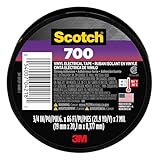
But not all electrical tape is created equal. You want tape specifically rated for electrical insulation. The most common type is vinyl electrical tape, like 3M Super 33+ or Scotch 35. These tapes are flexible, have excellent dielectric strength (meaning they resist electricity well), and are designed to withstand a range of temperatures and UV exposure. (See Also: Can I Substitute Duct Tape For Electrical Tape )
When you wrap electrical tape, you want to do it correctly. Start a few inches back from the damaged area, overlap each successive wrap by about half the tape’s width, and extend a few inches beyond the damage on the other side. Stretchy the tape slightly as you wrap; this helps it adhere well and creates a smooth, unified layer.
For more solid repairs or situations where a higher level of insulation or physical protection is needed, consider heat-shrink tubing. You slip a piece of this special tubing over the wire (before making a splice or repairing a break), and then heat it with a heat gun. The tubing shrinks down tightly, forming a permanent, insulated, and protective seal. It’s cleaner, more professional, and often more durable than tape alone. There are also specialized electrical repair compounds and liquid electrical tape that can be brushed or sprayed on, offering a smooth, waterproof, and insulated coating once cured. These are excellent for irregular shapes or when a perfectly smooth finish is desired.
The key takeaway is that for electrical wire repair, you need materials designed for the job. They’re not usually that expensive, and they are readily available at any hardware store or electrical supply shop. The cost of a roll of good electrical tape or a pack of heat-shrink tubing is peanuts compared to the potential cost of a shock, a fire, or replacing damaged equipment. My personal policy now is simple: if it involves electricity, I use the proper stuff. No exceptions. It’s not worth the gamble. The common advice to always use electrical tape for electrical work is one of the few pieces of advice that’s universally true and incredibly important for safety.
Frequently Asked Questions About Gorilla Tape and Wires
Can Gorilla Tape Be Used as a Temporary Fix for Electrical Wires?
Yes, but only in extremely dire emergencies and with the power completely disconnected. It’s an absolute last resort for a very short duration before a proper repair. Even then, the risk of shock or fire remains higher than with proper electrical tape. Treat it as a way to prevent physical damage from worsening temporarily, not as actual insulation.
Will Gorilla Tape Insulate Electrical Wires?
No, not reliably or safely. Gorilla Tape is designed for adhesion and physical strength, not dielectric strength. Its composition and reinforcement mean it can become conductive or fail under electrical stress, posing risks of shock or fire.
What Is the Difference Between Gorilla Tape and Electrical Tape?
Gorilla Tape is a strong, cloth-reinforced adhesive tape for general repairs. Electrical tape is typically made of vinyl (PVC) and is specifically designed for its insulating properties (dielectric strength) to safely cover electrical conductors and prevent shock.
Is Gorilla Tape Waterproof Enough for Outdoor Electrical Wires?
While Gorilla Tape resists water, it’s not designed to create a waterproof, electrically safe seal for outdoor wiring. Moisture can still ingress, and the tape’s adhesive and backing aren’t rated for sustained outdoor electrical use, leading to potential failure.
What Should I Use Instead of Gorilla Tape for Electrical Wires?
Always use proper electrical tape (like vinyl electrical tape) for insulating electrical wires. For more permanent or solid repairs, consider heat-shrink tubing or liquid electrical tape. These materials are specifically engineered for electrical safety and longevity.
Conclusion
So, to bring it all home: can Gorilla Tape be used for electrical wires? The short, blunt answer is: you really, really shouldn’t. While its sheer strength and stickiness make it tempting for all sorts of fixes, its properties are not suited for the demands of electrical insulation. The risks – shock, fire, and equipment damage – far outweigh any perceived convenience.
I’ve learned this the hard way, and I’ve seen enough questionable fixes to know that when it comes to electricity, there’s no room for ‘good enough.’ Always reach for proper electrical tape or other specialized electrical repair materials. Your safety, and the safety of your home or workspace, depends on using the right tools for the job. Don’t be that person who gambles with electricity.
Next time you’re staring down a frayed wire, do yourself a favor and grab a roll of actual electrical tape. It’s cheap, it’s effective, and it’s what the job calls for. You’ll thank yourself later.