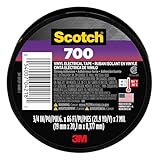
I remember the first time I tried to use heat shrink tubing on a dodgy wiring job. It looked so clean, so professional. Then I thought, “What about that electrical tape I’ve got lying around? Can I heat shrink electrical tape?” It seemed like a shortcut, a way to get that snug, sealed finish without fumbling with tubing and all its sizes.
Spoiler alert: it doesn’t work like you probably imagine. The stuff you buy at the hardware store, the good old vinyl electrical tape? You can’t just blast it with a heat gun and expect it to shrink down like its fancy tubing cousin.
I’ve wasted plenty of time and a bit of cash trying to make things work that just… don’t. This is about cutting through the confusion.
Why Your Standard Electrical Tape Won’t Shrink (and What You Can Use Instead)
Look, I get it. You’re staring at a mess of wires, you’ve got that roll of black vinyl electrical tape sitting right there, and you’re thinking, “Can I heat shrink electrical tape?” It’s a question born from a desire for a clean, professional-looking finish. You’ve seen heat shrink tubing shrink down to a tight, protective layer, and it seems logical that, well, tape might do something similar when heated.
Here’s the blunt truth: standard vinyl electrical tape is designed to stretch and conform, yes, but it’s not built for thermal contraction. When you apply heat from a heat gun or even a lighter (don’t do that, by the way), you’re not going to get that neat, uniform shrinkage you’d expect. Instead, you’re much more likely to get a gooey, sticky mess. The adhesive softens, the vinyl itself can start to melt and sag, and you end up with something that looks far worse than if you’d just wrapped it properly in the first place. It might even start to peel away or become brittle and crack over time, defeating the whole purpose of a secure connection.
I learned this the hard way on a project involving some low-voltage garden lighting. I had a couple of slightly exposed wire ends from a poorly fitted connector. I thought, “Quick fix: wrap it with electrical tape, then shrink it down for that super-sealed look.” I grabbed my trusty heat gun, set it to a medium setting, and aimed it at the tape. Within seconds, the tape wasn’t shrinking; it was bubbling, the adhesive was oozing out like cheap cheese on a hot day, and it looked like an absolute disaster. I had to carefully pick off the melted goo, clean the wires, and start over with proper electrical tape and a bit more patience.
The common advice you’ll find is that you can’t heat shrink electrical tape, and for the most part, they’re right. However, the world of tapes is a bit more nuanced than just that one type. There are specialized tapes out there that are designed to shrink. These aren’t your everyday run-of-the-mill vinyl tapes. They’re often made from materials like polyolefin or PVC formulated with specific additives that allow them to shrink when exposed to heat. These are sometimes called “heat-shrink tape” or “thermo-shrink tape.” They look and feel like tape, but they have the shrinking properties of heat shrink tubing.
So, while the answer to “can I heat shrink electrical tape” is a resounding “no” for most standard tapes, it’s a qualified “yes” if you’re using a product specifically designed for it. It’s all about understanding the material science behind the tape you’re holding. Vinyl is stretchy and insulating; heat-shrink tapes are designed to contract.
Understanding the Material Science: Why Some Tapes Shrink and Others Don’t
The fundamental difference between standard electrical tape and a tape that can be heat shrunk lies in its polymer structure and formulation. Think of it like the difference between a regular rubber band and a piece of elastic fabric. Both stretch, but they behave differently when you try to manipulate them.
Standard electrical tape, typically made from polyvinyl chloride (PVC) or vinyl, is engineered for flexibility, electrical insulation, and adherence. Its polymer chains are relatively free to move and align themselves when stretched. When you apply heat to vinyl tape, the primary effect is softening the adhesive and potentially degrading the polymer itself. It doesn’t have a built-in mechanism to contract uniformly. Instead, the heat energy can cause the polymer chains to become more mobile, leading to sagging and melting, especially where the adhesive is present. The goal with vinyl tape is to wrap it tightly and let its inherent elasticity hold it in place; it’s not designed to be a heat-activated shrinking product. (See Also: Can I Use Electrical Tape To Connect Wires )
Now, tapes specifically designed for heat shrinking, often called heat-shrink tape or thermo-shrink tape, are a different beast. These are usually made from materials like polyolefin or specialized PVC compounds. The key is that these materials are manufactured using a process that involves stretching them while hot. This process aligns the polymer chains in a stressed state. When these tapes are later heated, the polymer chains try to return to their more relaxed, lower-energy state. This process causes the material to contract, or shrink, pulling itself tightly around whatever it’s covering. It’s a controlled, predictable reaction to heat.
The adhesive on these heat-shrink tapes is also formulated differently. It needs to be able to withstand the heat application without becoming overly liquid or degrading, and it needs to bond effectively once the tape has shrunk. Some use heat-activated adhesives that become tacky and bond as the tape shrinks, while others rely on the physical pressure of the shrinking tape to create a seal.
A good example of this is comparing a standard kitchen plastic wrap (like Saran wrap) to a specialized heat-sealable packaging film. The saran wrap will melt and stick to itself messily with heat. The specialized film, however, might be designed to form a strong, hermetic seal when heated. It’s the same principle with tapes.
So, when you’re looking at your options, don’t just grab the first roll of black tape you see. Check the packaging. If it explicitly states “heat-shrink tape,” “thermo-shrink tape,” or mentions its heat-shrink capabilities, then yes, you can use heat on it to achieve a snug fit. If it just says “electrical tape” or “vinyl tape,” assume it’s not designed for shrinking. I once bought a multipack of “heavy-duty electrical tape” that looked promising, only to discover mid-job that it was just thick vinyl tape, not a shrinking type. Total bummer.
What to Look for in a Heat-Shrink Tape (and What to Avoid)
Since we’ve established that not all electrical tape is created equal when it comes to heat, let’s talk about what you should actually be looking for if you want that shrink-wrapped finish. This isn’t about fancy brand names; it’s about understanding the product’s intended use.
The most important thing is the product’s description. Look for terms like “heat-shrink tape,” “thermo-shrink tape,” “heat-activated tape,” or phrases indicating it’s designed for “environmental sealing” or “insulation with heat activation.” If the packaging simply says “electrical tape,” “vinyl tape,” or “insulating tape,” without any mention of heat-shrink properties, consider it a red flag. It’s likely intended for basic insulation and bundling, not for a tight, formed seal.
Material composition is another clue. While not always explicitly stated on consumer-grade products, knowing that polyolefin and specialized PVCs are common materials for shrinking tapes can help. If you’re really digging deep, check the manufacturer’s datasheet if available. For example, 3M has various tapes, and their product descriptions are usually quite specific about intended applications, including thermal properties.
Consider the application. Are you sealing a connection that will be exposed to moisture or vibration? Then a tape with good adhesive and shrinking properties is vital. For general wire bundling where the tape won’t be stressed, standard electrical tape might be perfectly fine. But if you want that tight, professional, weather-resistant seal, you need the right product.
Here’s a quick rundown: (See Also: Can Electrica Tape Catch On Fire )
| Feature | Good for Heat Shrinking | Not for Heat Shrinking (Standard Vinyl) | My Verdict |
|---|---|---|---|
| Product Description | “Heat-shrink tape,” “thermo-shrink tape,” “heat-activated sealing” | “Electrical tape,” “vinyl tape,” “insulating tape” | Always read the label. Don’t guess. |
| Material | Polyolefin, specialized PVC, flexible polymers designed for contraction | Standard PVC | Shrinking materials contract. Vinyl just melts. |
| Adhesive | Heat-resistant, potentially heat-activated, forms a strong bond when shrunk | Standard rubber-based adhesive, softens and oozes with heat | Good adhesive means no peeling. Oozing means disaster. |
| Expected Result with Heat | Uniform, tight shrinkage; strong, sealed finish | Melting, sagging, goo, potential failure | Shrinking tape = clean. Vinyl tape = mess. |
What to avoid? Anything that promises miraculous shrinking from a standard roll of tape. Also, be wary of cheap, unbranded tapes from questionable online sellers. They might look like the real deal, but their performance can be wildly inconsistent. I once bought a bulk pack of tape that was supposed to be high-temperature resistant, and it just turned into a sticky, gummy mess when I tried to use it near an exhaust fan motor. Lesson learned: stick to reputable brands for important applications.
Common Mistakes When Trying to Heat Shrink Electrical Tape
Okay, so you’ve got a roll of tape that is designed to shrink, or you’re about to try it anyway (which, again, I strongly advise against for standard vinyl tape). What are the common pitfalls? I’ve tripped over most of them myself.
The biggest mistake, as I’ve hammered home, is using the wrong type of tape. Trying to heat shrink standard vinyl electrical tape is like trying to boil water with a popsicle. It’s just not what the material is designed to do. You’ll end up with a sticky, messy failure that needs to be cleaned up before you can even start the real repair.
Another common mistake is using too much heat. Even with tapes designed to shrink, there’s a sweet spot. Too little heat, and it won’t shrink properly, leaving a loose, ineffective seal. Too much heat, and you can damage the insulation, melt the adhesive prematurely, or even damage the wires underneath. Different tapes have different temperature ratings and shrink ratios. Always check the manufacturer’s instructions. If there are no instructions, err on the side of caution. I usually start with a lower heat setting on my gun and gradually increase it while observing the tape’s reaction. A heat gun with adjustable temperature settings is a lifesaver here, far better than a lighter or a basic hairdryer.
Improper application is another big one. How you wrap the tape matters. You need to overlap it sufficiently to create a continuous barrier. If you’re sealing a splice, make sure the tape extends well onto the existing insulation of the wires on either side. Leaving gaps or not overlapping enough will create weak points where moisture or dirt can get in. Think of it like shingles on a roof – each layer needs to cover the one below it. For a truly solid seal, you might need to wrap multiple layers, especially in high-stress areas.
Not cleaning the connection properly before applying the tape is also a frequent oversight. Any dirt, grease, or moisture on the wires will prevent the adhesive from bonding correctly, and it can create a weak spot under the tape. A quick wipe-down with isopropyl alcohol and a clean cloth is often all it takes, but it’s a step many people skip in their haste.
Finally, expecting it to be as simple as wrapping and heating is a mistake. Sometimes, you need to use a tool to help the tape conform as it shrinks. For example, using a small roller or even just firm finger pressure (while it’s still warm but not burning hot!) can help make sure the tape adheres smoothly and eliminates air bubbles. It’s not just a passive process; there’s some active work involved in getting a perfect shrink.
Real-World Uses and Practical Tips for Heat-Shrink Tape
So, if you’re using the right kind of tape, where does it actually shine? Beyond just tidying up wire ends, heat-shrink tape has some genuinely practical applications that make it worth having in your toolbox, especially if you do any kind of electrical work, automotive repairs, or even crafting with wires.
One of the most common and effective uses is sealing wire splices. Whether you’re joining two wires for an extension or repairing a break, a properly applied heat-shrink tape provides a solid, waterproof, and electrically insulating seal. This is especially important in environments where moisture is a concern, like automotive wiring, outdoor lighting, or marine applications. Standard electrical tape can degrade over time with exposure to the elements, but a good heat-shrink tape, once properly applied, forms a tenacious bond. (See Also: Can I Substitute Duct Tape For Electrical Tape )
Another great use is creating custom-sized boots for cable entry points. Think about where a cable enters a device or a junction box. You can wrap heat-shrink tape around the cable, shrink it down, and then wrap another layer over the junction box opening, effectively creating a neat, sealed transition. This prevents strain on the connection and keeps dust and moisture out.
It’s also fantastic for reinforcing areas of wires that experience a lot of flexing or abrasion. While heat shrink tubing is often preferred for thicker cables, tape can be a more flexible and adaptable solution for smaller wires or where space is tight. You can wrap it around the wire, shrink it down, and create a durable sleeve that protects against wear and tear. I’ve used it on the strain relief points of charging cables that tend to fray near the connector – works like a charm and looks way better than wrapping them in regular tape.
Here are a few practical tips to get the best results:
- Pre-cut your tape: Have your strips of tape ready to go before you start heating. This minimizes the time the connection is exposed and vulnerable.
- Overlap generously: Aim for at least a 50% overlap with each wrap to make sure a continuous, sealed layer. Extend the tape onto the existing insulation of the wires by at least an inch on each side of the splice.
- Work from the center outwards: When applying heat, start in the middle of the taped area and work your way towards the ends. This helps to push any trapped air out and makes sure a uniform shrink.
- Gentle heat is key: As mentioned, use a variable temperature heat gun. Start low and increase gradually. If the tape wrinkles or looks like it’s melting unevenly, back off the heat.
- Firm pressure application: While the tape is still warm and pliable, use a gloved finger or a smooth, rounded tool to gently press it down, making sure good adhesion and eliminating air pockets.
- Consider multiple layers: For important or high-stress applications, don’t hesitate to apply a second layer of tape, offset slightly from the first, for added strength and sealing.
One final thought: If you’re working with high-voltage applications, always prioritize safety. Make sure the power is completely disconnected. For important insulation, proper heat shrink tubing might still be the superior choice due to its dielectric strength and consistent performance. Heat-shrink tape is fantastic for sealing and environmental protection, but sometimes you need the extra assurance of certified heat shrink tubing.
Frequently Asked Questions About Heat Shrink Tape
Can You Use a Lighter to Shrink Electrical Tape?
Generally, no. While you might be able to get some types of specialized heat-shrink tape to react slightly with a lighter, it’s a terrible idea for standard vinyl electrical tape and risky even with heat-shrink types. Lighters produce an open flame that is difficult to control and can easily overheat and scorch the tape, the insulation on your wires, or even the wires themselves. You’re far more likely to end up with a melted mess or damaged materials than a clean, shrunken seal. A heat gun with adjustable temperature control is the proper tool for the job.
Does Electrical Tape Melt When Heated?
Standard vinyl electrical tape will soften and melt when heated excessively. The adhesive will become sticky and ooze, and the vinyl itself can degrade, become brittle, or sag. It does not shrink in a controlled manner. Specialized heat-shrink tapes, on the other hand, are formulated to contract and conform tightly around connections when heated to the correct temperature, creating a sealed, insulated finish.
What Is the Difference Between Electrical Tape and Heat Shrink Tape?
The primary difference is their material composition and intended function. Standard electrical tape (usually vinyl) is designed for basic insulation, bundling, and protection, relying on its stretchiness and adhesive to hold. It does not shrink when heated. Heat-shrink tape, made from materials like polyolefin or specific PVC formulations, is engineered to contract and tightly seal around connections when exposed to heat, providing a more solid, environmentally sealed finish.
Can I Heat Shrink Regular Black Electrical Tape?
No, you cannot effectively heat shrink regular black electrical tape. Standard electrical tape made from vinyl is not designed to shrink when heated. Attempting to do so will likely result in the tape melting, becoming sticky, and creating a messy failure rather than a secure seal. For heat-shrink applications, you must use tape specifically labeled as heat-shrink tape or thermo-shrink tape.
Verdict
So, to circle back to the original question: can I heat shrink electrical tape? The short, honest answer for most of the tape sitting in your toolbox is a firm no. Standard vinyl electrical tape isn’t built for it and will just make a mess.
However, if you’re looking for that neat, sealed finish and are willing to buy the right product, then yes, heat-shrink tape exists and works wonders. It’s not a magic trick, just a different material designed for a specific purpose. It’s about choosing the right tool – or in this case, the right tape – for the job at hand.
My advice? Save yourself the frustration and the cleanup. If you need a heat-shrunk connection, buy actual heat-shrink tape. It’s not that expensive, and it will save you hours of picking gooey residue off wires. For everything else, good old-fashioned vinyl electrical tape will do just fine.