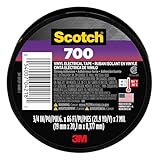
I’d love to tell you there’s some secret trick to making your electrical tape survive a dishwasher cycle. Honestly, I’ve been there. Staring at a roll of half-used tape, wondering if I could just give it a quick rinse and a blast of hot water to get rid of the sticky residue that’s glued itself to the sides. It’s the kind of question that pops into your head when you’re trying to be resourceful, maybe even a little lazy. So, the big question: can I put electrical tape in the dishwasher? Let’s get straight to it. No, you really, really shouldn’t.
Why Your Dishwasher Isn’t a Tape Spa
Look, I get the impulse. You’ve got a project, maybe you’ve used some electrical tape to hold wires temporarily, and now there’s gunk on it.
Or maybe you’re just curious. I’ve spent years messing around with home repairs, and I’ve definitely pushed the boundaries of what’s ‘supposed’ to go in the wash. But this?
This is a hard no. The sticky goo on electrical tape, the adhesive, isn’t designed for the kind of heat, water pressure, and detergent that goes through a dishwasher. These machines are built to blast away baked-on food, not to gently clean delicate adhesives.
You’re not going to get it ‘clean’ in the way you’re imagining. What you will get is a mess. A sticky, gummy mess that’ll spread all over your dishes and, worse, clog up your dishwasher’s filter and spray arms. Trust me, I once tried to wash a silicone baking mat that had stubbornly stuck-on caramel.
It ended up looking like a melted slug and coated half my silverware in goo. Electrical tape is nowhere near as solid as silicone when it comes to heat and water. It’s designed to insulate and protect wires, not to withstand a high-pressure, high-heat cleaning cycle.
The plastic itself might not melt, but the adhesive will liquefy and then re-solidify in the most inconvenient places. It’s a recipe for disaster, not a cleaning hack.
What Actually Happens: The Goo Factor
So, what’s the actual science behind why putting electrical tape in the dishwasher is a bad idea? It boils down to the adhesive.
Electrical tape uses a specific type of adhesive, usually a rubber-based or acrylic-based one, designed to be flexible and tacky at room temperature, but also to resist heat and moisture to a degree – enough for its intended electrical insulation purpose, not for a dishwashing cycle. When you subject it to the ~140-160°F (60-70°C) water temperatures and strong detergents in a dishwasher, that adhesive starts to break down. It doesn’t dissolve cleanly like soap. Instead, it gets soft, gooey, and incredibly sticky.
Think of what happens to melted cheese that hardens on a pan; it’s like that, but much more pervasive. This softened adhesive then gets blasted off the tape by the water jets. Where does it go?
Everywhere. It’ll coat your plates, your cutlery, your glasses, and especially the inside of your dishwasher. (See Also: Can I Use Electrical Tape To Connect Wires )
You’ll find sticky streaks and blobs stuck to surfaces that are supposed to come out sparkling clean. And cleaning that off?
It’s a nightmare. You’ll be scrubbing for ages, probably using harsh chemicals that you wouldn’t want anywhere near your food surfaces. Plus, those little bits of dissolved adhesive can get into the nooks and crannies of your dishwasher, like the filter and the drain, potentially causing blockages. That means a call to a repair person, which is far more expensive than just buying a new roll of tape.
The Myth of ‘cleaning’ Tape
Let’s be blunt: the idea that you can ‘clean’ electrical tape in a dishwasher is a myth. People might suggest it because they’re thinking of other items that can be washed, or they’ve had a weird fluke experience. But for electrical tape, it’s just not built for it.
The adhesive is the key. Unlike, say, a pair of plastic tools that might get dirty and can be rinsed off, electrical tape’s primary characteristic (besides insulation) is its sticky backing.
That’s the part that’s going to wage war on your dishwasher. I once had a roll of duct tape that had gotten a bit dusty, and I thought, ‘what the heck, maybe a quick rinse cycle won’t hurt.’ Big mistake. It came out looking worse, with a thin, sticky film all over it and a faint residue on my dishes. Electrical tape is even more prone to this because its adhesive is generally softer and more aggressive for better grip.
So, if you’re seeing advice online suggesting you can wash it, I’d take it with a massive grain of salt. It’s the kind of advice that sounds plausible until you actually try it.
I’ve seen people try to ‘clean’ all sorts of things that shouldn’t be cleaned, from car parts to old electronics. Usually, it ends with them regretting it and having to buy replacements. For electrical tape, the dishwasher is not your friend.
It’s not a cleaning tool for this purpose; it’s a destroyer of tape and a contaminant of your dishes. The common advice to just rinse things off is fine for non-adhesive items, but tape is in a whole different category. Stick to wiping it down with a damp cloth if you absolutely must, but even that’s often a losing battle.
When You Actually Need Clean Electrical Tape
Okay, so if you can’t just wash it, what do you do when you need clean electrical tape? Honestly, most of the time, you don’t need to clean electrical tape.
You need to use it correctly. If the tape itself is dirty on the adhesive side from where it’s been stuck to something, that roll is probably compromised for important applications. But if the outside of the roll is dusty or grimy, a gentle wipe with a dry cloth or a slightly damp one (and then let it dry completely) is usually sufficient. (See Also: Can Electrica Tape Catch On Fire )
The real issue people face is that the adhesive gets gunky or loses its stickiness over time, or they get dirt stuck to the adhesive part. If you’re using it for something temporary, like holding wires in place while you work, you might end up with a bit of dust or fluff on it.
In that case, you’re probably just going to peel it off and throw it away. If you’re using it for a more permanent fix (which, let’s be real, electrical tape isn’t ideal for long-term permanent fixes, but people do it), then starting with a clean, fresh roll is most important. My first-hand experience with using electrical tape for more than just basic insulation was when I was fixing a frayed cord on an old lamp.
I needed it to look tidy and stay put. I tried using a bit of tape that had been lying around, and it just wouldn’t adhere properly because it had picked up dust. I ended up having to cut off a fresh section, which worked perfectly. It taught me that when it comes to the adhesive side, it’s best to assume it’s compromised if it’s been exposed to anything.
Trying to salvage dirty tape is rarely worth the effort. For any serious electrical work, buying a new roll is the smart, safe choice. A good quality roll of 3M Super 35 Electrical Tape costs around $5-$7, which is a tiny investment compared to potential electrical hazards or the cost of cleaning goo off your appliances. I’ve learned to budget for new tape; it’s just part of the toolkit.
Common Mistakes and What to Look For
The biggest mistake people make when it comes to electrical tape is thinking all of it is created equal, or that it’s a miracle adhesive for everything. First off, don’t use it for anything other than its intended purpose – electrical insulation and bundling wires.
It’s not super glue, it’s not a permanent fix for a leaky pipe, and it’s definitely not dishwasher-safe. I’ve seen people try to use it to seal things, or even as a makeshift bandage. Bad ideas, all of them. Secondly, look for quality brands.
Cheap, no-name electrical tape is often a false economy. It might be cheaper upfront, but the adhesive can be weak, it can degrade quickly, or it might leave a nasty sticky residue when you remove it. I remember buying a pack of generic electrical tape once for about $3 for three rolls.
It was so brittle, it cracked when I tried to stretch it, and the adhesive was practically non-existent. I ended up having to re-do the job with proper 3M tape I had to buy later.
Always opt for reputable brands like 3M, Scotch, or Gardner Bender. They’ve been around for a reason. When you buy, check the packaging for details on temperature resistance and adhesion.
Most standard electrical tapes are good for up to 176°F (80°C), which is far, far below dishwasher temperatures. For higher heat applications, you’d need specialized tapes like silicone or fiberglass tapes, but that’s a whole other ballgame. The key takeaway here is that electrical tape has limitations, and trying to push those limitations, like putting it in a dishwasher, is a guaranteed way to cause problems. (See Also: Can I Substitute Duct Tape For Electrical Tape )
Alternatives and Practical Tips
So, what are the alternatives if you’ve got a sticky mess on your hands or need to clean something that looks like it needs a tape solution? For removing adhesive residue from surfaces (not the tape itself, mind you), Goo Gone or WD-40 are your best friends. They work wonders on most sticky stuff without damaging surfaces. Just make sure to test in an inconspicuous area first.
For cleaning the outside of electrical tape if it’s dusty, a dry microfiber cloth is your best bet. If there’s a bit of grime, a very slightly damp cloth and immediate drying is okay, but again, don’t expect miracles. You’re not trying to scrub off anything embedded, just surface dust.
If you need to temporarily hold wires together, zip ties or velcro straps are far superior and reusable. For making a more permanent repair on a frayed cord, heat shrink tubing is the professional’s choice. It looks neater, provides better insulation, and creates a much more solid seal than layers of electrical tape ever could. I invested in a heat gun and a variety pack of heat shrink tubing for about $40 a few years back, and it’s paid for itself countless times over in terms of professional-looking and secure repairs.
It’s also much safer than relying on tape for important connections. When it comes to the tape itself, always store it in a cool, dry place.
Heat and humidity are its enemies and will degrade the adhesive over time. And if a roll of electrical tape has become stiff, brittle, or the adhesive feels weak or gunky, just toss it. It’s not worth the risk of a failed repair or a messy cleanup job. Buying a new roll, which typically costs around $5-$8, is always the most practical and safest solution.
| Method | Pros | Cons | Verdict |
|---|---|---|---|
| Dishwasher | None. (Seriously.) | Melts adhesive, spreads goo, clogs machine, ruins dishes. | Absolutely Not |
| Wiping with Damp Cloth | Can remove light surface dust from outside of roll. | May not remove all grime; tape must be completely dry before use; adhesive side is still compromised if dirt is present. | Use Sparingly |
| Goo Gone/WD-40 (for residue) | Excellent for removing sticky residue from surfaces. | Does NOT clean the tape itself; can damage certain plastics or finishes. | For Surfaces Only |
| Replace with New Tape | Makes sure proper adhesion, insulation, and safety; professional results. | Cost of a new roll ($5-$8). | The Only Real Solution |
People Also Ask
What Happens If You Put Electrical Tape in the Dishwasher?
If you put electrical tape in the dishwasher, the high heat and water pressure will cause the adhesive to melt and liquefy. This gooey substance will then spread all over your dishes, cutlery, and the interior of your dishwasher. It can also clog the filter and spray arms, leading to potential damage and costly repairs. Basically, it makes a huge, sticky mess that’s very difficult to clean up.
Can You Clean Sticky Electrical Tape?
You generally cannot effectively ‘clean’ the sticky side of electrical tape once it has picked up dirt, dust, or debris. While you might be able to wipe away superficial dust from the outside of the roll with a dry cloth, the adhesive itself is designed to be sticky and will readily grab onto contaminants. Attempting to clean it with solvents or water will likely degrade the adhesive or leave it in a worse state.
How Do You Remove Electrical Tape Residue?
To remove electrical tape residue from surfaces, you can use products like Goo Gone, WD-40, or isopropyl alcohol. Apply the chosen product to a cloth and rub the residue gently. For stubborn residue, let it soak for a few minutes before rubbing. Always test the product in an inconspicuous area first to make sure it doesn’t damage the underlying surface. Once the residue is gone, clean the area with soap and water.
What Is Electrical Tape Used for?
Electrical tape is primarily used for insulating electrical wires and connections, preventing shocks and short circuits. It can also be used to bundle wires together neatly, protect against abrasion, or temporarily hold electrical components in place during repairs. Its vinyl backing provides good flexibility and resistance to moisture and chemicals, making it suitable for many common electrical tasks.
Verdict
So, to circle back to the burning question: can I put electrical tape in the dishwasher? The answer is a resounding, unequivocal no. It’s a terrible idea that will lead to a sticky, gummy mess that’ll infect your dishes and your appliance. You’re not saving time or money; you’re creating more work and potentially more expense.
Stick to the tried and true methods. If you need to clean the outside of a roll, use a dry cloth. If you’ve got sticky residue on something, use a proper adhesive remover. And if you need electrical tape for a job, buy a new roll. It costs a few bucks and saves you a whole lot of headaches. It’s just not worth the gamble.
Next time you’re tempted to try a dishwasher hack for something like tape, ask yourself if it’s really worth the potential mess and damage. Chances are, it’s not.