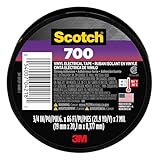
You’ve found it. That tell-tale fraying, maybe a little spark, or worse, a dead appliance. Your mind immediately goes to that roll of electrical tape sitting in the junk drawer. It seems like the quick fix, right? But can I put electrical tape on chewed wire and actually have it be a decent solution? I’ve been there, staring at a wire looking like a squirrel had a gourmet meal, and wondering if that stretchy black tape was my savior or just a temporary band-aid that would bite me later. Let me tell you, the answer isn’t as simple as a ‘yes’ or ‘no’.
When Tape Seems Like the Only Option
Look, we’ve all been there. Something electrical has gone wonky. Maybe it’s the lamp your cat decided to redecorate, or that extension cord that’s seen better days. The insulation is chewed, exposing the delicate copper underneath. Panic sets in. You need a fix, and you need it yesterday. The closest tool? That roll of shiny, stretchy electrical tape. It’s designed for wires, right? It’s black, it’s insulating… what could go wrong?
My first real ‘oh crap’ moment with this was on a garden pump. It was late, raining, and the pump had stopped working. The cord looked like it had been attacked by a pack of tiny, angry beavers. I didn’t have any proper wire connectors or heat shrink tubing handy, just that trusty roll of tape. I wrapped it up, feeling pretty pleased with my ingenuity. It worked… for about a week. Then, a storm hit, water got in, and poof. Fried pump. That’s when I learned that not all tape is created equal, and for wires, “close enough” often isn’t.
The temptation to just slap some tape on it is HUGE. It’s fast, it’s cheap, and it feels like you’re doing something productive. You see it in movies, you see DIY ‘hacks’ online everywhere. But the reality is, a chewed wire isn’t just an aesthetic problem; it’s a safety hazard waiting to happen. Exposed copper can short circuit, cause fires, or give you a nasty shock. Electrical tape, while it has some insulating properties, is really meant for protecting already intact wires from abrasion or for bundling them. It’s not designed to be a primary insulator for exposed conductors, especially in harsh environments or high-stress situations.
Think about what ‘chewed wire’ means. It means the protective layer is gone. It’s compromised. You’re not just covering a scratch; you’re trying to rebuild the wire’s skin. Electrical tape’s adhesive isn’t designed for the kind of stress, heat, and potential moisture that a damaged wire might encounter. It can dry out, peel back, and leave the copper exposed again, sometimes even worse than before because you’ve now got sticky residue to deal with.
What Electrical Tape Actually Does (and Doesn’t Do)
Alright, let’s get real about electrical tape. It’s not some magical force field for your wires. Its primary job is to provide electrical insulation and mechanical protection for intact wires. It’s usually made from vinyl, which has good elasticity and resistance to abrasion, moisture, and UV rays. That’s why it’s great for bundling wires together, protecting them from rubbing against sharp edges, or sealing up a small nick in the insulation that hasn’t gone all the way through.
The key word here is ‘intact’. When a wire is chewed, you’ve got exposed copper. Electrical tape can offer a temporary barrier, but it’s not a permanent fix. Why?
Several reasons. First, the adhesive on most standard electrical tapes isn’t designed to bond permanently to bare copper.
It’s meant to stick to itself and the outer jacket of a wire. Over time, especially with temperature fluctuations or exposure to sunlight, that adhesive can degrade. The tape can loosen, allowing moisture or debris to creep in, which is a recipe for disaster. I once had a repair I’d made on a lamp cord fail because the tape slowly peeled away, and the bare copper inside shorted against the metal lamp base.
Sent sparks flying. Not fun.
Second, while vinyl is an insulator, the thickness and integrity of the tape layer you apply are important. It’s hard to get a perfectly uniform, thick, and gap-free wrap on a chewed section. You might think you’ve covered it all, but a tiny strand of copper could be sticking out, waiting to make contact with something it shouldn’t. This is where common advice sometimes goes wrong. People see it as a universal fix, but they’re overlooking the specific failure mode of a chewed wire. (See Also: Can I Use Electrical Tape To Connect Wires )
Think about it this way: if you had a hole in your favorite jacket, would you just patch it with a piece of duct tape and expect it to keep you dry in a downpour? Probably not. You’d want a proper patch, maybe even a new jacket. Electrical tape on a chewed wire is like that duct tape patch – it might work in a pinch, but it’s not built for the job long-term. The real, safe solution involves restoring the integrity of the insulation, not just covering the damage with something that might insulate.
Is Electrical Tape Fireproof?
No, standard electrical tape is not fireproof. It’s designed to be flame-retardant, meaning it will extinguish itself once the flame source is removed, but it will burn if exposed to a direct flame. This is a important distinction when considering its use on damaged wiring, where the risk of overheating and ignition is already a concern.
The “better Than Nothing” Scenario: When It’s Your Only Shot
Okay, I’m not going to sit here and tell you that electrical tape is never useful for a damaged wire. There are those absolute, dire, last-resort situations where it might be your only option to get something working for a very short, very specific period. I’m talking about getting a important piece of equipment running for a few hours to finish a job, or to safely disconnect something that’s in a really awkward spot and you can’t access it easily without power. In these fringe cases, electrical tape can serve as a temporary shield.
I remember needing to run a temporary power line for an outdoor event. A section of the cord got snagged and a bit frayed. It wasn’t deeply chewed, but enough to make me nervous. I didn’t have time to run to the store.
I used high-quality electrical tape, wrapped it very tightly, overlapping generously, and made sure there were no gaps. I then covered that entire section with a layer of good quality heavy-duty duct tape for extra protection against the elements and physical abrasion.
This setup lasted the entire weekend, but the very next day, I replaced that entire section of cord with a new one. It was a calculated risk for a short-term need, and I monitored it constantly.
The key here is ‘temporary’ and ‘controlled environment’. If you’re using electrical tape on a wire that’s going to be subject to flexing, heat, moisture, or physical stress, you’re asking for trouble. A common mistake I see is people assuming this temporary fix is permanent. They tape it up and forget about it. That’s when the real danger comes in. The adhesive fails, the tape stretches too thin, or it simply doesn’t provide enough insulation for the voltage or current it’s carrying.
So, if you absolutely must use electrical tape, here’s the deal: Use the best quality tape you can find. Brands like 3M Super 33+ or 3M Temflex are generally considered superior to the cheap, no-name stuff. Wrap it so it’s thick, with at least three or four layers, overlapping each layer by at least half. Make sure you’re stretching the tape as you wrap, so it conforms tightly and creates a good seal. And for the love of all that is holy, plan to replace it with a proper repair as soon as humanly possible. This is not a long-term solution, it’s a triage step.
What to Use Instead: The Real Fixes
If you’ve got a chewed wire, you need to do more than just cover it. You need to repair the damage properly. This usually means splicing the wire back together and then insulating the splice securely. There are a few ways to go about this, and they are all significantly better than relying on tape alone.
My go-to for most household wiring repairs is a heat shrink butt connector. You strip the ends of the chewed wire, insert them into the connector, and then use a heat gun (or even a strong lighter in a pinch, though a heat gun is much safer and more effective) to shrink the tubing. This creates a watertight, mechanically strong, and electrically insulated splice. It looks professional, and more importantly, it’s reliable. I’ve used these on everything from garden tools to automotive wiring, and I’ve never had one fail. (See Also: Can Electrica Tape Catch On Fire )
Another excellent option, especially for thicker gauge wires or multiple wires bundled together, are wire nuts. These are plastic caps that screw onto twisted wire ends. They’re incredibly common in household electrical work for a reason: they work. You twist the stripped ends of the wires together firmly, then screw the wire nut over the twist. Make sure you get the right size for the number and gauge of wires you’re connecting. For extra security, especially in damp environments, you can sometimes use a bit of electrical tape over the wire nut, but the wire nut is the primary insulator here.
| Method | Pros | Cons | My Verdict |
|---|---|---|---|
| Electrical Tape Only | Quick, readily available, cheap | Temporary, unreliable, potential safety hazard, adhesive degrades | Last resort, extremely short-term, highly risky |
| Heat Shrink Butt Connectors | Permanent, strong, watertight, good insulation, professional look | Requires heat gun, need to strip wires | Excellent, my preferred method for most repairs |
| Wire Nuts | Permanent, strong, simple to use, cost-effective | Can be bulky, might require twisting wires first, less ideal for very wet conditions without additional sealing | Very good, especially for indoor household wiring |
| Solder and Heat Shrink Tubing | Extremely strong and reliable connection, excellent insulation | Requires soldering skills and equipment, more time-consuming | Top-tier, best for important applications where a perfect connection is most important |
The absolute best method, if you have the tools and skills, is to solder the wires together and then cover the splice with heat shrink tubing. This creates an incredibly solid and reliable connection. However, for most folks, wire nuts or heat shrink butt connectors are perfectly adequate and much easier.
Common Mistakes and Why They’re Dangerous
It’s easy to make mistakes when dealing with electrical repairs, especially if you’re trying to cut corners. One of the biggest blunders I see people make is thinking that any tape will do. Grab that masking tape or packing tape? Absolutely not. These have no insulating properties and will likely make the problem worse. Stick to tape specifically labeled as ‘electrical tape’.
Another common pitfall is not stripping enough insulation off the wire ends when you’re preparing to splice. If you leave too much insulation on, the connection won’t be secure. The wires might slip out, creating arcing or a loose connection that overheats. Conversely, stripping too much exposes more copper than necessary, increasing the risk of a short if the insulation fails or shifts. Precision is key.
Then there’s the ‘too many wires, too little space’ problem. If you’re trying to cram a whole bunch of splices into a small junction box or conduit, it can get messy. Wires can get pinched, insulation can get scraped, and you increase the chance of a short circuit. Always make sure there’s adequate room for your splices to sit without being stressed. I once saw a repair where someone had forced a large wire nut into a tiny box, and the wires were so tightly bent they’d started to fray again. That’s a disaster waiting to happen.
The absolute worst mistake, though, is using electrical tape as the sole means of repair for a chewed wire and then treating it like a permanent fix. This is incredibly dangerous. Electrical tape degrades. It loses its adhesion.
It cracks. The exposed copper can then come into contact with other wires, metal casings, or even your body. This can lead to electrical fires, equipment damage, or severe electric shock.
The National Electrical Code (NEC) in the US, for instance, specifies approved methods for joining conductors and requires that splices be made within approved enclosures and insulated with approved materials. While it doesn’t explicitly mention ‘chewed wire’ scenarios, its intent is clear: electrical connections must be secure, insulated, and protected. Relying solely on tape flies in the face of that.
Can You Use Electrical Tape on a Live Wire?
Absolutely not. You should never attempt to repair a wire, especially a chewed one, while it is connected to a power source. Always turn off the power at the breaker or unplug the device completely before attempting any electrical work. Even if you’re just applying tape, there’s still a risk of shock if the power isn’t off.
Practical Tips for When You Can’t Avoid Tape (temporarily)
If you’re in that rare bind where you’ve got to use electrical tape for a temporary fix, follow these steps to minimize the risk. Firstly, make sure the power is OFF. I can’t stress this enough. Turn off the breaker for the circuit you’re working on, or unplug the appliance entirely. You don’t want to be fiddling with exposed wires while they’re live. (See Also: Can I Substitute Duct Tape For Electrical Tape )
Second, use the highest quality electrical tape you can get your hands on. I’ve had decent luck with 3M Super 33+ and Temflex. Avoid the super cheap, generic rolls; they’re often brittle and their adhesive is subpar. Clean the wire as much as possible before applying the tape. Remove any dirt, grease, or debris from the damaged area. This will help the tape adhere better.
Third, apply the tape generously. Don’t just wrap it once or twice. You want a substantial layer. Stretch the tape as you wrap it, so it adheres tightly and conforms to the shape of the wire. Overlap each layer by at least half. Aim for at least three to four layers of tape, building up a solid, insulated layer over the damaged section. If possible, once you have a good tape wrap, cover that with a layer of heavy-duty vinyl tape or even duct tape for added physical protection, especially if the wire is in an area where it might get bumped or scraped.
Finally, and this is the most important tip: Treat this repair as an emergency measure only. Plan to replace the damaged cord or wire section with a proper repair using appropriate connectors or splices as soon as you can. This temporary tape solution should not be relied upon for more than a few hours, or at most, a couple of days in a very controlled, low-stress environment. I’ve seen folks leave tape repairs in place for months, and it’s a ticking time bomb. Don’t be that person. Get it fixed right.
Can I Use Electrical Tape on a Frayed Wire?
While electrical tape can offer a temporary barrier for a frayed wire, it is not a permanent or safe solution. Frayed wires still have exposed copper strands that can short circuit or cause shocks. Proper repair involves splicing the wires together and insulating the splice securely with connectors or solder and heat shrink.
How Long Does Electrical Tape Last on a Wire?
The lifespan of electrical tape on a wire can vary greatly depending on the quality of the tape, environmental conditions (temperature, UV exposure, moisture), and the stress placed on the wire. High-quality tape in a protected indoor environment might last for years, but outdoors or in stressful conditions, it can degrade, lose adhesion, and fail within months, or even weeks, especially if used on damaged insulation.
What Is the Best Way to Repair a Chewed Electrical Cord?
The best way to repair a chewed electrical cord is to replace the damaged section entirely if possible. If replacing the cord isn’t feasible, you should splice the intact ends of the wire together using appropriate connectors like heat shrink butt connectors or wire nuts, making sure each connection is secure and insulated. For important applications, soldering the wires and using heat shrink tubing provides the most reliable repair.
Is Electrical Tape Waterproof?
Standard electrical tape is water-resistant, not fully waterproof. It can provide some protection against moisture, but it is not designed to create a permanent waterproof seal. Prolonged exposure to water can degrade the adhesive and insulation properties of the tape, leading to failure.
Verdict
So, can I put electrical tape on chewed wire? The blunt truth is, you can, but you absolutely shouldn’t rely on it as a permanent fix. It’s a temporary band-aid for a serious wound. I’ve learned the hard way that cutting corners on electrical safety never pays off. That moment of convenience often leads to a much bigger, more expensive, and potentially dangerous problem down the line.
If you find yourself with a chewed wire, take a deep breath, turn off the power, and reach for the right tools. Heat shrink connectors, wire nuts, or even solder and heat shrink tubing are your friends here. They offer real protection and longevity, unlike that stretchy black tape that promises more than it can deliver in this situation. Safety first, always.
My advice? If it’s chewed, it needs a proper repair. Don’t let tape be the weak link in your electrical system. What’s the most ridiculous ‘temporary’ fix you’ve ever had to make work in a pinch?