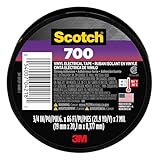
I remember staring at a spaghetti junction of wires behind an old TV cabinet, a bit of bare copper peeking out on what I hoped was the ground wire. My first thought, born from a vague memory of seeing it used for almost everything else, was: can I put electrical tape on ground wire?
Look, we’ve all been there. You need a quick fix, you’ve got a roll of that ubiquitous black tape handy, and the internet is a firehose of conflicting advice. Some folks swear by it, others act like you’re summoning lightning. It’s enough to make you want to just shove everything back together and hope for the best.
But when it comes to electrical work, ‘hoping for the best’ is a terrible strategy. Let me tell you what I’ve learned from years of fiddling, fixing, and occasionally rewiring things that probably should have stayed untouched.
The Real Deal with Electrical Tape and Ground Wires
Okay, let’s cut to the chase. Can you technically wrap electrical tape around a ground wire?
Sure, you can wrap anything around anything. Will it do the job it’s supposed to do, and more importantly, will it be safe? That’s a whole different ballgame.
My gut feeling, and my experience, tells me it’s a bad idea 9 times out of 10, and here’s why. Electrical tape is designed for insulation, not for connecting or reinforcing wires. Its primary job is to stop electricity from jumping where it shouldn’t. Ground wires, on the other hand, are there for safety.
They provide a path for fault current to go to the ground, rather than through you if something goes haywire. If that ground wire is compromised – and wrapping it in something that might degrade or come loose certainly qualifies as compromised – you’re basically removing your safety net.
I learned this the hard way. Years ago, I was working on an old lamp. The ground wire had a nick in it, and I, being young and foolish, slapped some electrical tape over it. It looked fine. For about two weeks. Then, one rainy evening, I went to plug in a fan, and there was a distinct zap. Nothing major, thankfully, but it sent a jolt up my arm and made me realize just how flimsy that fix was. The tape had started to peel, exposing the wire, and the humidity in the air was enough to make it conduct. It was a wake-up call. That little nick needed a proper repair, not a band-aid.
The common advice you’ll find online often skirts the issue, saying things like ‘use tape for temporary fixes’ or ‘if it’s just minor damage’. But ‘minor damage’ on a ground wire can quickly become a major hazard. Think about it: that ground wire is the unsung hero of your electrical system. It’s supposed to handle unexpected surges and keep you safe. Wrapping it with something that’s basically glorified sticky plastic just doesn’t cut it. It’s like putting a piece of paper over a hole in a dam. It might stop the leak for a minute, but it’s not a real solution.
Why Standard Electrical Tape Fails the Ground Wire Test
Let’s talk specifics. Electrical tape, the kind you buy at any hardware store in that iconic black roll, is usually made of PVC (polyvinyl chloride). It’s got good dielectric strength, meaning it can withstand a certain amount of electrical voltage before it breaks down. That’s why it’s great for wrapping over spliced wires or securing connections to prevent accidental contact.
But that’s insulation. A ground wire isn’t supposed to be insulated in the same way. It’s part of a circuit designed to carry current under fault conditions. Here’s the problem: electrical tape isn’t designed for mechanical stress or for maintaining a secure, long-term connection in an environment that might get warm or humid.
Over time, the adhesive can dry out, the tape can become brittle, or it can simply start to unwrap, especially in areas where wires flex or are subjected to vibration. (See Also: Can I Use Electrical Tape To Connect Wires )
I’ve seen electrical tape jobs that looked perfectly fine on the surface, only to find them brittle and peeling away weeks or months later. It’s an insidious problem because it gives you a false sense of security. You think you’ve fixed it, but you’ve actually created a ticking time bomb.
The heat generated by even a small fault current can degrade the tape, and the copper wire itself can corrode if exposed to air and moisture. This is where those People Also Ask questions come in handy. One of them is likely, ‘How should a ground wire be repaired?’
The answer, almost universally, is NOT with electrical tape. Proper repairs involve splicing connectors like wire nuts or crimp sleeves, or even replacing a section of wire if the damage is significant.
The material itself is another factor. PVC tape can degrade under UV light and extreme temperatures. While your ground wire might be tucked away in a wall, it’s not always protected from ambient heat generated by other electrical components or appliances. This degradation means the tape loses its adhesive properties and its insulating qualities. So, what started as a quick fix becomes a point of failure. For a ground wire, that failure can mean the protective path to ground is broken, leaving you vulnerable.
Proper Ground Wire Repair: What Actually Works
So, if electrical tape is out, what’s in? For nicks and minor abrasions on a ground wire, the best approach is to use a properly sized wire nut or a crimp connector. These are designed to create a secure mechanical and electrical connection. Wire nuts are fantastic for joining multiple wires, and they come in various sizes to accommodate different wire gauges.
You simply twist them onto the bare wires, and they hold everything together securely. For a single wire repair where you’re not joining it to another, a crimp sleeve can be used.
You slide the sleeve onto the wire, then use a special crimping tool to compress the sleeve, creating a solid connection. This is the kind of repair that lasts, the kind that’s up to code (and yes, there are codes for this stuff for a reason).
I remember needing to fix a ground wire on an old appliance cord that had gotten frayed. My dad, who was an electrician before he retired (and a master of telling me when I was about to do something stupid), showed me how to use a crimp sleeve. He had this heavy-duty tool that looked like a giant plier.
He explained that the sleeve basically acts like a permanent splice, making sure good conductivity and mechanical strength. It took a few tries to get the hang of it, but once I did, the repair felt solid. It was a world away from the flimsy feel of electrical tape, and it gave me peace of mind that the safety feature was actually functioning as intended. It cost me a few bucks for the sleeve and the crimper rental, but the peace of mind?
Priceless.
Here’s a little table to break down the common options, including why electrical tape is usually a no-go: (See Also: Can Electrica Tape Catch On Fire )
| Repair Method | Best For | Pros | Cons | My Verdict |
|---|---|---|---|---|
| Electrical Tape | Temporary insulation of non-important connections, bundling wires. | Cheap, readily available, good for basic insulation. | Degrades over time, poor mechanical strength, not for safety circuits, adhesive fails. | Avoid for ground wires. Temporary at best, often unsafe. |
| Wire Nuts | Joining multiple conductors, splicing wires in junction boxes. | Easy to use, secure connection, various sizes, widely accepted. | Can be bulky, less ideal for single wire repairs without joining. | Excellent for most ground wire splices. Reliable. |
| Crimp Sleeves | Single wire repairs, creating secure splices. | Very strong mechanical connection, excellent conductivity, low profile. | Requires a specific crimping tool, can be tricky to get right the first time. | Top-tier for solid ground wire repairs. Professional grade. |
When the Damage Is Too Much: Replacing the Wire
Sometimes, the damage to a ground wire isn’t just a little nick. You might find significant corrosion, a melted section, or a complete break. In these situations, slapping on a connector or tape is just a band-aid on a gaping wound. The only safe and correct way to handle this is to replace the affected section of wire. This might sound daunting, especially if the wire is inside a wall or part of an appliance that’s not easily disassembled. But safety has to come first. Replacing a wire might involve cutting out the damaged part and splicing in a new, identical section using appropriate connectors, or it could mean replacing the entire cord or circuit if the damage is extensive.
I once dealt with an extension cord that had seen better days. The ground pin was bent, and the insulation around the wires near the plug looked like it had been gnawed by a squirrel.
My instinct was to grab some tape and try to patch it up. But then I remembered the zap from that lamp years ago.
I hesitated. I looked at the cord, then at the price of a new one – about $25.
The cost of a new cord was so low compared to the potential risk of a fire or shock that the decision was easy. I tossed the old cord and bought a new one. It was a simple choice, but it reinforced the idea that sometimes, the ‘fix’ is replacement, not repair.
For something as important as a ground wire, don’t be stingy with your safety.
If you’re dealing with wiring inside your home’s electrical system – in junction boxes, behind outlets, or in the main panel – and the damage is significant, it’s absolutely time to call in a qualified electrician. They have the tools, the knowledge, and the understanding of electrical codes to make sure the repair is done safely and correctly. Trying to DIY major electrical repairs without proper training can be incredibly dangerous, leading to shocks, fires, or damage to your entire electrical system. The cost of an electrician is an investment in your safety and the safety of your home.
Common Mistakes and Misconceptions
The biggest mistake, hands down, is thinking electrical tape is a viable long-term solution for ground wire damage. It’s a misconception that it’s a universal repair tool. Another common error is using the wrong type of tape. Some tapes, like duct tape or generic vinyl tape, are even worse than electrical tape for this purpose. Duct tape, for instance, is not an insulator and its adhesive can become sticky and conductive over time, especially in heat. It’s designed for, well, ducts, not for electrical safety.
People also sometimes overlook the gauge of the wire. A ground wire needs to be the same gauge (thickness) as the other wires in the circuit to handle the potential fault current. When you’re splicing or repairing, using a connector that’s the right size for the wire gauge is most important. This is where those People Also Ask questions like ‘What gauge should a ground wire be?’
become important context. It’s not a one-size-fits-all situation. Using a connector that’s too large or too small can lead to a loose connection, overheating, and potential failure. I once saw a repair done with a wire nut that was clearly meant for much thicker wires.
It left a gap, and you could practically see the electricity struggling to make a good connection. It was a disaster waiting to happen. (See Also: Can I Substitute Duct Tape For Electrical Tape )
Here’s a quick breakdown of what to avoid:
- Using electrical tape for anything other than temporary insulation of non-safety important connections.
- Using duct tape, packing tape, or any other non-electrical tape.
- Ignoring nicks or abrasion on ground wires.
- Using the wrong size wire nuts or crimp connectors.
- Attempting major repairs without proper knowledge or tools.
The National Electrical Code (NEC) in the United States, and similar codes internationally, specifies how electrical systems should be installed and repaired. While you might not be reading the NEC on a daily basis, the underlying principles are about safety and reliability. Relying on electrical tape for ground wire repairs flies in the face of those principles. It’s a shortcut that almost always leads to trouble down the road.
Practical Tips for Keeping Your Ground Wires Safe
The best tip I can give you is to inspect your electrical cords, outlets, and any exposed wiring regularly. Look for any signs of damage: nicks, cuts, frays, or melted-looking insulation.
Pay close attention to areas where cords bend, like near plugs or where they enter appliances, as these are common stress points. If you find damage on a ground wire, don’t just wrap it with tape and forget about it. Address it properly.
For minor nicks on cords, replacing the cord or plug entirely is often the safest and easiest route. If it’s wiring within a junction box or outlet, use the appropriate wire nut or connector for the job.
Make sure the wire is clean and free of corrosion before making the connection.
When buying electrical tape, look for brands known for quality. While I don’t recommend it for ground wires, if you’re using it for its intended purpose – insulating connections – a good quality tape will last longer and provide better protection.
Brands like 3M Super 33+ or Scotch 88 are generally well-regarded for their durability and adhesion. But again, this is for insulation, not reinforcing a safety conductor like a ground wire. Invest in a basic set of wire strippers and a good crimping tool if you plan on doing any DIY electrical work.
They’re not overly expensive and will make your repairs much cleaner and more reliable. Knowing how to properly strip wires and crimp connectors is a fundamental skill for anyone who tinkers with electronics or home wiring.
For appliance cords, sometimes the plug end can also become damaged. If the ground pin on a plug is bent or broken, you can often replace just the plug itself. This involves cutting off the old plug and attaching a new one, making sure the ground wire is connected to the correct terminal. It’s a straightforward repair that can save you from having to replace the entire appliance cord. Always disconnect the power before you start any electrical work, no matter how small. This is the most basic, yet most important, safety rule. Seriously, double-check that breaker is off!
Final Verdict
So, to answer the question directly: can I put electrical tape on ground wire? My strong advice, based on countless hours wrestling with dodgy wiring and the scars to prove it, is no. It’s a temporary, unreliable, and fundamentally unsafe solution. Electrical tape is for insulating connections that aren’t safety important, not for reinforcing the very wires that protect you from electrocution.
For any actual damage to a ground wire, whether it’s a nick, abrasion, or more serious corrosion, you need a proper repair. That means using wire nuts, crimp connectors, or, in severe cases, replacing the damaged section of wire or the entire cord. Don’t gamble with your safety; the few dollars you save on a proper repair are not worth the risk of a shock or a fire.
Next time you see a bit of bare copper peeking out, resist the urge to grab that roll of black tape. Instead, reach for the right tools and materials, or call a professional if you’re unsure. Your future self will thank you.