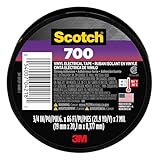
I remember the first time I tried to fix a lamp cord. Sparks flew, literally. My dad, a man who could fix anything with duct tape and sheer willpower, handed me a roll of black tape. ‘Use this,’ he said. I thought, ‘Can I tape electrical wires?’ It seemed too simple, too… flimsy. That initial DIY adventure taught me a harsh lesson about the difference between ‘fixing’ and ‘making a fire hazard’.
The truth is, the answer to ‘can I tape electrical wires’ isn’t a simple yes or no. It depends on what kind of tape you’re using, what you’re taping, and, most importantly, why you’re taping it in the first place. Forget the general advice you see online; let’s get down to the nitty-gritty of what actually works and what’s just asking for trouble.
When Tape Becomes a Fire Hazard: The Bad Stuff
Look, I’m all for DIY. I’ve rewired entire lamp sockets with my own two hands, replaced outlets, and even tackled a dodgy fuse box once.
But there are lines. And crossing the line with the wrong kind of tape on electrical wires is like playing Russian roulette with your house.
I’ve seen people try to use regular sticky tape, packing tape, even masking tape. Honestly, it makes me break out in a cold sweat just thinking about it. These materials aren’t designed for the heat, the flexing, or the electrical current involved. They melt, they degrade, they lose their stickiness faster than you can say ‘short circuit’.
The common advice of ‘just use tape’ is often garbage if you don’t specify which tape.
I learned this the hard way with a garden string light repair. I needed to fix a small nick in a wire that was exposed to the elements. I grabbed some heavy-duty duct tape because, well, it’s duct tape, it fixes everything, right?
Wrong. Within two weeks, the sun had baked it, rain had seeped in, and the whole connection was a gummy, brown mess. It didn’t short out immediately, but it was a disaster waiting to happen. I ended up having to replace the whole section of lights, costing me about $50 and a Saturday afternoon I’ll never get back.
The key takeaway? Not all tapes are created equal, especially when it comes to electricity. You need something specifically designed for the job, and that means understanding the materials involved.
Here’s the deal: electrical tape isn’t just about sticking things together. It’s about insulation. It’s about preventing accidental contact between wires that shouldn’t touch. It’s about creating a barrier that can withstand voltage and some degree of heat. Regular tapes don’t have these properties. They’re made of paper, plastic films, or fabric, none of which offer reliable electrical insulation. So, if you’re wondering ‘can I tape electrical wires’ with anything other than actual electrical tape, the answer is a resounding and emphatic NO. Save yourself the potential heartache, the fire risk, and the unnecessary expense. Stick to what’s designed for the job. (See Also: Can I Use Electrical Tape To Connect Wires )
The Real Deal: What Electrical Tape Actually Is
Okay, so we’ve established that regular tape is a big no-no. But what is electrical tape, and why is it different? It’s not just some random roll of black plastic. Real electrical tape, the kind you should be using, is specifically manufactured with electrical insulation properties in mind. The most common type, and the one you’ll find in pretty much every hardware store, is vinyl electrical tape. The vinyl is key. It’s a plastic polymer that’s naturally a good insulator. It’s also flexible, which is super important because wires move and bend.
Beyond the material, there’s the adhesive. It’s designed to stick firmly, even when exposed to some temperature fluctuations, but also to be removable without leaving a huge, sticky residue (though sometimes it does, which is annoying). The tape is engineered to stretch slightly, allowing you to wrap it tightly around irregular shapes and create a smooth, continuous layer of insulation. This stretching is what helps you achieve a good, secure connection that won’t easily unravel or expose the wire underneath. I’ve found that thinner tapes are harder to work with for a good seal, so I usually go for something around 0.15mm to 0.20mm thickness. It offers a decent balance of flexibility and solid coverage.
The magic happens when you layer it. You don’t just slap on one loop. You overlap each wrap by about half the width of the tape, starting from a bit before the exposed wire and extending a bit past it. This creates a strong, smooth insulating barrier.
Think of it like shingles on a roof; each layer overlaps the one below to keep water out. With electrical tape, you’re overlapping to keep electricity in its place.
The goal is to build up enough layers to provide adequate dielectric strength – that’s the ability to withstand an electric field without breaking down. For most common household voltages (like 120V or 240V), a few good layers of quality vinyl tape are usually sufficient for temporary or low-stress repairs. But remember, this is usually for minor nicks and abrasions, not for completely severed wires or connections carrying heavy loads.
When It’s Actually Okay (and When It’s Not)
So, when can you actually tape electrical wires? The short answer is: for minor insulation breaches on low-voltage or temporary applications. Think of that small nick in the insulation of a lamp cord that’s just starting to fray, or the exposed part of a wire inside a junction box that you need to protect very temporarily while you source the correct connector. I’ve used it on extension cords that have seen better days but still have a lot of life left, just to seal up small cuts in the outer jacket. It’s not ideal, but it’s a legitimate use case if done carefully.
Here’s a more structured look:
| Scenario | Verdict | Why |
|---|---|---|
| Minor Nick/Abrasion on Lamp Cord | Use with caution | Temporary fix for small damage. Make sure multiple overlapping layers. Not for frayed strands. |
| Exposed Wire in a Junction Box (Low Voltage) | Temporary measure only | To prevent accidental contact before permanent repair. Must be completely dry and protected. |
| Completely Severed Wire | Absolutely NOT | Tape can’t rejoin wires or carry current. Needs proper splicing or connectors. |
| High-Voltage Applications (e.g., Main Service Panel) | Never | Requires specialized insulation and connectors rated for the load and voltage. |
| Outdoor/Wet Environments | Risky, avoid if possible | Standard electrical tape can degrade and allow moisture ingress, leading to corrosion and shorts. Use specialized waterproof tape if absolutely necessary. |
The biggest mistake I see is people thinking electrical tape is a permanent solution for damaged wiring. It’s not.
It’s a stop-gap. It buys you time to get the right parts or call an electrician. (See Also: Can Electrica Tape Catch On Fire )
If you have a wire that’s been chewed by a pet, frayed from constant bending at a stress point, or is generally falling apart, tape is not the answer. You need to cut out the damaged section and splice in a new piece of wire using proper connectors (like wire nuts or Wago connectors) and then insulate the splice with electrical tape or heat-shrink tubing for a solid, permanent repair.
Trying to tape over a mess is like putting a band-aid on a broken bone – it looks like you’re doing something, but it’s not actually fixing the underlying problem. And that’s where the real danger lies.
Common Mistakes and How to Avoid Them
I’ve made my fair share of blunders in the world of electrical repair, and using tape incorrectly is high on that list. One of the most common mistakes is not using enough layers. People think one or two wraps will do it, but that’s rarely enough to provide adequate insulation, especially if the tape isn’t stretched properly. You need to build up a decent thickness, overlapping each layer by at least half the tape’s width. I usually aim for a minimum of 3-4 good, tight wraps, sometimes more for peace of mind.
Another big one is using old, dried-out tape. Electrical tape, especially vinyl tape, can get brittle over time. If it feels stiff or doesn’t stretch when you try to pull it, it’s probably past its prime. It’s more likely to crack or lose its adhesion. I once grabbed a roll that had been sitting in my toolbox for years, and it just flaked off after a few days. That was a close call. Always check the tape’s condition before you use it. If the roll looks dusty, the edges are peeling, or it just feels wrong, toss it and buy a fresh roll. They’re cheap enough.
Then there’s the confusion about different types of electrical tape. While vinyl is the standard, there are specialized tapes for extreme temperatures or high-voltage applications. Using a general-purpose vinyl tape on something that gets exceptionally hot or carries a lot of juice could be a mistake.
Also, people often forget about the environment. If the repair is going to be exposed to moisture, oil, or UV light, standard electrical tape might not hold up. For outdoor or wet locations, you really need to look into waterproof splicing kits or specialized tapes like self-amalgamating silicone tape, which creates a truly waterproof and insulated seal.
Don’t just assume any tape will do. For example, I tried to repair an outdoor power cord with regular black electrical tape, and it just disintegrated after a season. A better approach would have been a waterproof splice kit designed for that exact purpose.
The ‘why Not Just Splice It?’ Argument
This is where I tend to get a bit opinionated. A lot of people ask, ‘Can I tape electrical wires?’ when what they really should be asking is, ‘How do I properly repair this damaged wire?’ In my experience, if a wire is damaged enough to expose the conductor (the metal part), taping it is almost always a temporary fix, at best. The proper, safe, and lasting solution is to splice the wire.
Splice means cutting out the damaged section entirely and joining the two good ends of the wire together using a connector. For household wiring, this usually means wire nuts or Wago-style lever connectors. You strip a bit of insulation off each end, twist them together (for wire nuts) or insert them into the connector, and then you insulate the splice. (See Also: Can I Substitute Duct Tape For Electrical Tape )
This is where electrical tape can come in, but it’s usually the final step, not the whole repair. For even better insulation and protection, especially in damp locations or where the splice might be subject to abrasion, you’d use heat-shrink tubing over the connector. I’ve seen too many taped-up splices that have come loose or had the tape degrade over time, leaving live wires exposed again.
Think about it: tape is a flexible adhesive material. It can peel, it can melt, it can degrade. A properly installed wire nut or lever connector creates a secure mechanical and electrical connection that’s designed to last the lifetime of the appliance or wiring. If you’re dealing with a cable that’s been damaged by a lawnmower, a pet, or just general wear and tear, the integrity of the entire cable is compromised.
Just taping the outer jacket or even a small nick in the insulation doesn’t magically restore the strength or reliability of the internal conductors. My contrarian take? Anyone who tells you to just tape over significant wire damage without proper splicing is either clueless or doesn’t care about your safety. It’s laziness masquerading as a quick fix.
Always opt for splicing and proper insulation methods for any repair that involves exposed conductors.
Electrical Tape vs. Alternatives: A Quick Look
So, while we’ve hammered home that standard tape is a no-go, what are the actual good options when you need to insulate electrical connections? Electrical tape is the go-to for quick, minor fixes or for insulating terminal screws and basic splices. It’s cheap, readily available, and easy to use for simple tasks. However, it has its limitations, as we’ve discussed – it’s not waterproof, it can degrade over time, and it might not be suitable for high-temperature or high-stress environments.
When you need something more solid, here are a few alternatives:
- Heat-Shrink Tubing: This is a plastic tube that shrinks tightly around wires when heated (usually with a heat gun or even a lighter, carefully). It provides excellent, durable insulation and a professional-looking finish. It’s ideal for insulating individual wire strands after splicing or for protecting the entire splice.
- Self-Amalgamating Silicone Tape: This isn’t sticky in the traditional sense. When you stretch and wrap it, it fuses to itself, creating a solid, waterproof, and electrically insulating layer. It’s fantastic for outdoor applications or anywhere moisture is a concern. It’s a bit more expensive and takes more effort to apply correctly than vinyl tape, but it’s a much better long-term solution for harsh conditions.
- Wire Nuts/Connectors: As mentioned, these are for joining wires together. They provide the mechanical connection and a basic level of insulation. They are key for most permanent splices in household wiring.
- Liquid Electrical Tape: This is a brush-on or spray-on coating that dries to form a rubber-like, insulating layer. It’s good for covering terminals, irregular shapes, or areas where standard tape is hard to apply neatly. It’s also quite durable once cured.
For most DIYers, a combination of good quality vinyl electrical tape and a set of wire nuts will cover a lot of ground for minor repairs. If you’re dealing with anything outdoors, wet, or subject to significant vibration or heat, you’ll want to step up to self-amalgamating tape or heat shrink. My personal preference for any permanent splice, especially in a junction box or appliance, is to use a connector (like a Wago or wire nut) and then cover it with heat-shrink tubing. It’s a little more work, but it’s a repair that’s going to last and be safe. Taping electrical wires is a specific tool for specific, usually temporary, jobs.
Final Verdict
So, after all that, can I tape electrical wires? Yes, but only with the right tape, for the right reasons, and with the understanding that it’s often a temporary patch, not a permanent fix. The black vinyl tape you buy at the hardware store is designed for electrical insulation, unlike your average sticky tape or duct tape. It’s meant for minor nicks, frayed insulation on low-voltage cords, or temporarily securing connections before a more permanent solution is implemented.
Don’t ever think of tape as a substitute for proper splicing, connectors, or replacing damaged wiring altogether. If you’re seeing exposed copper strands, or the insulation is cracked and crumbling, you need to do more than just wrap it up. For anything beyond a superficial abrasion, you’re looking at splicing wires with connectors and then insulating the splice properly, perhaps with heat-shrink tubing or specialized waterproof tape.
My advice? Keep good quality electrical tape in your toolbox for those emergency, minor fixes. But always have a plan for a proper repair. Understand the limitations, use it wisely, and when in doubt, always err on the side of caution and call a qualified electrician. Safety first, always.