I remember staring at a frayed cord, sparks spitting out like tiny angry fireflies. My landlord was out of town, and the thought of calling an electrician for something that looked so simple made me want to scream. My brain, fueled by a potent mix of panic and bad DIY shows, immediately went to the most obvious, cheapest solution: duct tape. Can I use duct tape for electrical repairs? It’s a question that’s probably crossed your mind when faced with a similar situation. Let me tell you, the answer is way more complicated than you’d hope, and the consequences of getting it wrong are, frankly, electrifyingly bad.
We’ve all seen it in movies – a quick wrap of silver tape to fix a car hose or a wonky wire. It looks so easy, so… permanent. But when it comes to electricity, the stakes are significantly higher than a leaky radiator hose. This isn’t just about preventing a mess; it’s about preventing fires, electrocution, and a whole lot of regret.
The Truth About Duct Tape and Wires: It’s Not What You Think
Look, I’ve been there. Faced with a wire that’s seen better days, maybe a bit of insulation cracked, and the immediate, overwhelming urge to grab the nearest roll of that magical silver stuff.
Duct tape. It fixes everything, right? Wrong.
Especially when it comes to electricity. My first real DIY disaster involved a lamp with a cord that had started to fray near the plug. I was maybe 20, living in my first apartment, and convinced I was the next Bob Vila.
I slathered on the duct tape, feeling smug about my resourcefulness. Fast forward a few weeks, and I woke up to a smell that was definitely not ‘new car smell.’ The tape had melted, turned into this gooey mess, and the wire underneath was still exposed, just… stickier. Thankfully, nothing caught fire, but it was a stark, smoky lesson.
Duct tape is an adhesive, yes, but it’s not designed for the heat and electrical insulation requirements that actual electrical tape is made for.
The biggest problem is heat. Electrical wires, especially under load, generate heat. Duct tape’s adhesive is largely rubber-based, and it’s notorious for softening, melting, and eventually losing its stickiness when exposed to even moderate heat. This leaves the wire exposed, and worse, the sticky residue can become a conduit for dirt and moisture, making the situation even more hazardous.
It’s like putting a flimsy bandage on a gaping wound. It might cover it for a bit, but it’s not addressing the actual problem and can make things worse. I’ve seen people try to use it for temporary fixes on garden lights or extension cords left out in the rain, thinking it’s waterproof. It’s water-resistant, sure, but not waterproof enough to keep the electrical current contained and safe long-term.
And don’t even get me started on UV degradation if it’s exposed to sunlight for too long. That glorious silver sheen turns brittle and peels off faster than you can say ‘fire hazard.’
The common advice is always to use proper electrical tape. And yeah, that’s the right advice. But I get why you’re asking if you can use duct tape for electrical work. It’s cheap, readily available, and strong… for tape. So, let’s break down why it’s a bad idea, and what you absolutely should be using instead. You might be tempted for that quick fix, but trust me, the few dollars you save today can cost you a lot more down the line in repairs, or worse. It’s not about being stingy; it’s about being smart and safe.
What You Actually Need: The Real Deal in Electrical Tape
Alright, so we’ve established that duct tape is about as useful for actual electrical insulation as a screen door on a submarine. What should you be using? The answer, thankfully, is not complicated or expensive. You need electrical tape, plain and simple.
But not all electrical tape is created equal. The standard stuff you’ll find in any hardware store is usually vinyl-based.
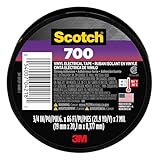
This is the workhorse, the go-to for most DIY electrical jobs. It’s flexible, it stretches, and it’s designed to handle electrical insulation properties, including resisting abrasion, moisture, and UV light to a reasonable degree. I’ve got a roll of good quality 3M vinyl electrical tape in my toolbox that’s lasted me years of minor repairs on appliance cords, lamp wiring, and even some low-voltage outdoor lighting.
When you’re buying electrical tape, look for a few key things. First, the material.
Vinyl is usually your best bet for general use. It’s got a good balance of stretch and durability. Second, the thickness. (See Also: Can I Use Electrical Tape To Connect Wires )
Thicker tape offers more insulation and better protection, especially for higher voltage applications or where the wire might be subjected to more wear and tear. Some tapes are rated for specific temperature ranges or environments – if you’re working on something exposed to extreme heat or cold, or a lot of moisture, check the specs. For most home electrical needs, a standard 3/4-inch wide, 7-mil thick vinyl tape is perfectly adequate.
I’ve always leaned towards brands that I know have a good reputation for adhesion and longevity. The cheap, no-name stuff can be tempting, but I’ve found it tends to dry out faster and lose its stickiness prematurely, defeating the whole purpose.
The proper technique for using electrical tape is also important. You want to overlap each wrap by at least half the width of the tape. Start wrapping a bit before the damaged area and extend a bit beyond it to make sure complete coverage.
Stretch the tape as you wrap it – this helps it conform to the wire and creates a tight, protective seal. Think of it like wrapping a bandage; you want it snug and secure. When you’re done, give it a gentle tug to make sure it’s adhered well. For important connections or areas that might see a lot of flexing, I sometimes do a second layer in the opposite direction, or even follow up with a layer of friction tape for extra mechanical protection, though that’s usually overkill for simple cord repairs.
But the key takeaway is: use tape designed for the job. It’s a small investment for significant safety.
When Is Duct Tape an Absolute No-Go?
The short answer? Almost always for actual electrical conductors. But let’s get specific. If you’re talking about the wires carrying the actual current – the copper or aluminum strands inside the insulation – then duct tape is a hard no.
It provides zero electrical insulation. If the insulation on those wires is damaged, and you wrap duct tape around it, you’re basically just covering up a live electrical hazard. The tape will melt, peel, or absorb moisture, and you’ll still have exposed, live wires. This is a direct path to short circuits, fires, and serious electric shock.
I once saw a friend’s shed catch fire because they used duct tape to ‘fix’ a connection on an outdoor extension cord that had been chewed by a rodent. The tape looked fine initially, but the moisture and the heat from the damaged connection eventually caused a spark that ignited the surrounding debris. It was a mess, and a terrifying reminder.
The only scenarios where duct tape might be used around electrical components, and I stress might and around, is for purely mechanical or structural purposes, and even then, with extreme caution and only as a temporary measure until a proper fix can be made. For example, if a wire is hanging loose and needs to be temporarily secured to a non-conductive surface to prevent it from being pulled or damaged further, you could use duct tape to hold it in place. But you are NOT insulating the wire itself. You are just preventing further physical stress.
This is a very fine line, and I’ve seen people cross it by thinking they are actually fixing the wire. Another example, though I’d still avoid it if possible, is temporarily securing a junction box cover that has lost a screw or two, just to keep debris out until you can replace the screw. But again, this is not touching any electrical components and is purely for keeping things tidy and protected from the elements. The heat generated by the electrical current itself is still a major concern, as the adhesive will fail.
Let’s compare this to proper electrical tape in a table. It’s night and day:
| Feature | Duct Tape | Electrical Tape (Vinyl) | Verdict |
|---|---|---|---|
| Electrical Insulation | None | Excellent | Major Difference |
| Heat Resistance | Poor (melts/softens) | Good (rated for specific temps) | Major Difference |
| Adhesion in Moisture | Poor (loses stickiness) | Good (designed for it) | Major Difference |
| UV Resistance | Poor (degrades) | Good | Significant Difference |
| Flexibility | Moderate | Excellent (stretches) | Key Advantage |
| Cost | Cheap | Slightly more, but worth it | Penny Wise, Pound Foolish |
The table really hammers it home. Duct tape is for sealing boxes or temporarily patching a leaky pipe. Electrical tape is for electrical work. Trying to use one for the other is a gamble you don’t want to take. I’ve seen folks try to ‘waterproof’ outdoor electrical connections with duct tape and it’s always ended in tears, either from corrosion, shorting, or just the tape falling off within weeks. It’s a fundamentally flawed approach.
Real-World Scenarios: When DIY Goes Wrong (and Right)
I remember a buddy’s story, and it still makes me wince. He had a power tool, a heavy-duty drill, and the power cord had a nasty nick in it, exposing the live wire. He didn’t have electrical tape handy, so he did what many people would do in a pinch: grabbed the duct tape. He wrapped it up good and tight, thinking he’d saved himself a trip to the hardware store.
A few hours later, he’s drilling into a stud, the drill’s buzzing away, and suddenly, ZAP! The drill goes dead, smoke billows out from the handle, and he’s lucky he didn’t get seriously shocked. The duct tape had failed, the wire shorted out, and fried the tool’s motor. That repair probably cost him $150 for a new drill, plus the cost of the original duct tape he thought was saving him money.
If he’d used a $3 roll of electrical tape, he’d likely still be using that drill today. (See Also: Can Electrica Tape Catch On Fire )
On the flip side, I’ve used electrical tape for things where it genuinely shines. My old toaster oven had a power cord that was starting to fray right at the oven connection. It wasn’t severe, but it was enough to make me nervous. I carefully cleaned the area, then wrapped it snugly with good quality vinyl electrical tape, overlapping each layer significantly.
I stretched it taut as I went. That was about three years ago, and it’s still holding strong. The tape is pliable, it hasn’t dried out, and it’s kept the connection secure and protected. It’s also great for bundling loose wires inside an appliance or behind a wall where they need to be kept neat and organized, preventing them from rubbing against each other or sharp edges.
I’ve also used it to reinforce the strain relief on appliance cords where they plug into the device, a common failure point.
Another time, I had an outdoor extension cord that had a small cut on the outer jacket. It wasn’t deep enough to expose the wires, but it was enough to worry me about water ingress.
I cleaned the area thoroughly, then used several layers of electrical tape, making sure each layer overlapped the previous one by at least half. I finished by wrapping it in a layer of self-fusing silicone tape (which is overkill for most jobs but I had it) for extra waterproofing. This cord has survived a couple of rainy seasons without any issues.
The key is understanding the limitations and using the right tool for the job. Duct tape might look like a quick fix, but it’s a gamble on safety and longevity. Real electrical tape offers peace of mind and actual protection.
Common Pitfalls and How to Avoid Them
One of the most common mistakes people make, besides using duct tape in the first place, is not preparing the wire properly before applying electrical tape. You can’t just slap tape over a dirty, oily, or damp surface and expect it to hold. Cleanliness is most important.
Before you wrap any wire, make sure the area is dry, free of dust, grease, or any other contaminants. A quick wipe-down with a clean cloth is usually sufficient. If there’s any moisture, let it dry completely.
This makes sure that the adhesive on the electrical tape can make proper contact with the wire’s insulation, creating a strong, lasting bond. I learned this the hard way on a project where I was rushing and didn’t properly clean a cable before wrapping it. The tape started peeling off within a week because of residual oil from my hands.
Another pitfall is not stretching the tape enough. Electrical tape, especially vinyl tape, is designed to be stretched as you wrap it.
This stretch allows it to conform tightly to the contours of the wire and create a smooth, smooth protective layer. If you don’t stretch it, you’ll end up with a looser wrap that’s more prone to peeling, trapping moisture, and offering less mechanical protection. Aim for consistent tension as you wrap.
You should be able to see the tape thinning slightly as you pull it taut. Don’t pull so hard that it feels like it’s about to snap, but firm tension is key. This also helps to prevent air bubbles from being trapped under the tape, which can weaken the seal.
Overlapping correctly is also a biggie. You need to overlap each layer by at least half the width of the tape. This makes sure that there are no gaps for moisture or debris to get in.
Think of it like tiling a roof – you overlap the shingles to keep the rain out. For electrical tape, this overlapping creates a continuous barrier. Starting your wrap a little before the damaged area and finishing a little after it provides a good margin of safety, making sure the entire compromised section is covered and protected by a generous amount of tape. For important repairs, I often recommend doing two layers, with the second layer wrapped in the opposite direction of the first.
This provides added security and mechanical strength. (See Also: Can I Substitute Duct Tape For Electrical Tape )
Can I Use Duct Tape for Electrical? A Few Practical Tips
So, let’s say you’re in an absolute emergency, and all you have is duct tape. Can you use it for electrical?
My answer, firmly, is no. But if you are in a situation where you absolutely must secure a wire temporarily to prevent it from being pulled or causing immediate physical damage, and you have no other options, here’s how you’d do it, with the massive caveat that THIS IS NOT INSULATION AND IS NOT SAFE FOR LONG. First, turn off the power at the breaker.
Always, always, always turn off the power before you touch any exposed wires. Test with a voltage tester to confirm the power is off. Then, use the duct tape to physically hold the wire in place, perhaps securing it to a wall or another stable object, so it doesn’t move. Do NOT wrap it directly around the exposed conductor.
This is purely a mechanical restraint to prevent further immediate damage. Get proper electrical tape as soon as humanly possible. This is not a fix; it’s a temporary measure to prevent a worse immediate problem while you get the right materials.
My go-to advice for any home electrical repair, even small ones, is to have a basic kit ready. This should include a good quality roll of vinyl electrical tape (I prefer 3M Super 33+ or similar), a wire stripper/cutter, a voltage tester (a non-contact one is great for quick checks), and maybe a small set of insulated screwdrivers. Having these on hand means you’re prepared to do the job right the first time. It might cost you $20-$30 upfront, but it saves you headaches, potential danger, and future repair costs. Think of it as investing in safety and peace of mind.
When in doubt, call a professional. Seriously. If you’re not 100% sure what you’re doing, or if the damage looks extensive, don’t try to be a hero. Electrical work can be dangerous, and a professional electrician has the training, tools, and knowledge to do the job safely and correctly.
The cost of an electrician is almost always less than the cost of a fire or a serious injury. I once had a flickering light in my kitchen that turned out to be a loose connection in the ceiling box, something I never would have found without pulling the fixture and inspecting. A quick call to my electrician friend, and it was fixed in 15 minutes. Trying to jury-rig it with duct tape would have been a disaster waiting to happen.
So, while the question of ‘can i use duct tape for electrical’ is tempting, the honest answer is to always opt for the dedicated tool, which is proper electrical tape.
People Also Ask: Quick Answers for Your Electrical Tape Questions
Is Duct Tape Safe for Electrical Wires?
No, duct tape is absolutely not safe for electrical wires. It does not provide any electrical insulation, is not designed to withstand the heat generated by electrical current, and its adhesive will degrade over time, especially when exposed to heat or moisture. Using duct tape on electrical wires can lead to short circuits, fires, and electric shocks.
What Can I Use If I Don’t Have Electrical Tape?
If you don’t have proper electrical tape, you should not attempt to repair exposed electrical wires. The safest course of action is to turn off the power to the affected circuit at the breaker box and wait until you can obtain appropriate electrical tape. Using any other household tape or material for insulation is dangerous and ineffective.
How Long Does Electrical Tape Last?
Good quality vinyl electrical tape, when properly applied and stored, can last for many years, often exceeding 5-10 years. However, its lifespan can be reduced by exposure to extreme temperatures, UV light, moisture, and physical abrasion. Always inspect electrical tape periodically, especially on outdoor or high-use applications, and replace it if it shows signs of drying, cracking, or losing adhesion.
Can I Use Electrical Tape on a Car’s Wiring?
Yes, electrical tape is suitable for many automotive wiring repairs, provided it’s rated for the temperature and environmental conditions. For higher heat areas or more solid connections, automotive-specific tapes or heat-shrink tubing are often recommended. Always make sure the wiring is clean and dry before applying tape for a secure and lasting repair.
Final Thoughts
So, to circle back to that initial panic-fueled question: can I use duct tape for electrical repairs? The resounding, no-holds-barred answer is no. It’s a tempting thought, a quick fix that seems readily available, but it’s a pathway to bigger, more dangerous problems. I’ve learned the hard way that compromising on the right materials for electrical work is a gamble with incredibly high stakes.
My advice? Keep a roll of good quality vinyl electrical tape in your toolbox. It’s inexpensive, lasts ages, and is designed specifically for the job. Think of it as an investment in safety. If you’re ever tempted to grab that roll of silver tape for a wire, stop. Turn off the power, find the right tool, or call a professional. Your future self, and your home, will thank you for it.
Ultimately, when it comes to your home’s electrical system, there’s no room for ‘good enough.’ It’s either safe and done right, or it’s a ticking time bomb. Don’t let duct tape be the fuse.