So, you’re staring at a frayed wire or a split hose, and the only thing within arm’s reach is that trusty roll of silver stuff. The question pops into your head: can I use duct tape instead of electrical tape? It’s a classic DIY dilemma, and let me tell you, I’ve been in that exact spot more times than I care to admit. I’ve wasted good money on fancy tapes that promised the moon and delivered a damp squib. My experience has taught me that sometimes the obvious answer is the wrong one, and other times, well, you learn the hard way.
This isn’t about fancy marketing or what the internet gurus tell you. This is about what actually holds, what keeps you safe, and what you can rely on when you really need it.
Duct Tape vs. Electrical Tape: The Real Difference
Look, the short answer to ‘can I use duct tape instead of electrical tape?’ is usually a resounding NO, and anyone who tells you otherwise is either lucky, hasn’t tested it properly, or is actively trying to set your house on fire. They are fundamentally different beasts designed for entirely different jobs, and using the wrong one can range from mildly annoying to downright dangerous. Electrical tape is specifically formulated for one thing: insulating and protecting electrical wires and connections.
It’s made of vinyl, which is a non-conductive material. This vinyl has a rubber-based adhesive that’s designed to stretch and conform to irregular shapes, providing a tight, secure seal without cracking or becoming brittle over time, especially when exposed to varying temperatures and UV light.
It’s also designed to resist moisture and chemicals that might degrade other materials. The adhesive is usually pressure-sensitive, meaning it bonds better the more you press it down.
Duct tape, on the other hand, is a workhorse. It’s strong, sticky, and can hold things together in a pinch. It’s typically made of a fabric mesh backing coated with polyethylene and a strong adhesive.
This adhesive is usually solvent-based, designed for extreme tackiness and adhesion to a wide variety of surfaces. That’s why it’s great for patching, sealing, and general repairs around the house – it sticks to almost anything!
But that fabric mesh? That’s the giveaway. It’s a conductor, or at least a pathway for electricity. If you wrap duct tape around an exposed wire, that fabric can allow electricity to jump across the gap, or worse, conduct it through the tape itself.
I learned this the hard way after trying to patch up a garden hose that was spraying water everywhere. I used duct tape because it was all I had, and while it stopped the leak for about two hours, when I went to check on it later, I noticed a faint sizzling sound. Turns out, some of the water had wicked into the tape’s fabric, and since the electrical tape I was supposed to use was nowhere to be found, I’d created a little conductive path. Luckily, it was low voltage, but it was a stark reminder that duct tape and electricity are not friends.
The adhesive on duct tape also degrades differently than electrical tape. It can become gummy, melt in heat, or become brittle in the cold, losing its grip and its insulating properties (which it never really had, to begin with). Electrical tape is designed to maintain its flexibility and insulating power across a wider temperature range and for much longer periods. So, while duct tape can temporarily hold a wire bundle together visually, it’s not doing the important job of preventing electrical shock or short circuits.
When a “temporary” Fix Becomes Permanent (and Dangerous)
We’ve all been there. Something breaks, you need a quick fix, and you grab the nearest tool. Often, that tool is duct tape.
It’s the universal solvent of the DIY world, right? Wrong.
When it comes to electrical work, that ‘quick fix’ mentality with duct tape is a recipe for disaster. People think, ‘Oh, it’s just a little bit of wire, it’s not that much power.’
Or, ‘I’ll just wrap it really, really tight, and it’ll be fine.’ What they’re not considering is the long-term effects and the inherent properties of the tape. Duct tape’s adhesive can break down over time, especially with exposure to heat generated by the electrical current. (See Also: Can I Use Electrical Tape To Connect Wires )
That heat can make the adhesive ooze, and the fabric backing can become less of a barrier and more of a pathway. I once saw a friend use duct tape to secure a loose wire on an old lamp. He was proud of his quick fix.
A few months later, the lamp started flickering, then died. When he finally called an electrician, we found the duct tape had melted, exposed the wire, and caused a short circuit that fried the lamp’s wiring.
The electrician just shook his head and said, ‘Duct tape isn’t for circuits, friend. It’s for… well, ducts.’ He charged us $150 for the visit and a proper repair with actual electrical tape.
The common advice is always to use electrical tape for electrical work, and there’s a reason for that. It’s not just about following rules; it’s about safety.
Electrical tape is designed to be non-conductive, UV-resistant, and flexible enough to handle expansion and contraction of wires without cracking. It’s also rated for specific voltage levels, something duct tape is absolutely not.
You might get away with using duct tape for a very low-voltage application, like securing a speaker wire that’s already safely inside a wall, but even then, why risk it? If that wire ever gets jostled or the tape degrades, you’re back to square one, but with a potentially melted mess and a safety hazard. People also underestimate how much heat can build up in electrical wiring, even in a household appliance. That heat can soften duct tape’s adhesive, causing it to slip and expose the conductor.
The fabric weave can also absorb moisture, turning a potentially dry situation into a conductive one. It’s a gamble you just don’t need to take.
What to Look for in Actual Electrical Tape
Alright, so we’ve established that duct tape is a no-go for electrical insulation. Now, what should you actually be looking for when you need to get the job done right? Real electrical tape isn’t rocket science, but there are a few key things that set the good stuff apart from the mediocre.
First and foremost, you want tape that’s specifically labeled ‘electrical tape’. Don’t just grab any tape that looks like it might do the job. Look for vinyl electrical tape.
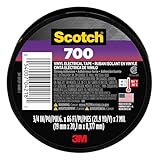
This is the most common type and the best all-around choice for most household electrical repairs. It’s flexible, durable, and offers good insulation properties. Brands like 3M (Scotch Super 33+ or Scotch 88) are generally considered top-tier. I’ve used their 33+ for years, and it’s never let me down.
It stretches nicely, sticks like crazy when you want it to, and I’ve had repairs I did five years ago still looking and functioning perfectly, even on outdoor fixtures that get baked by the sun.
When you’re buying, check the label for voltage rating. Most standard vinyl electrical tapes are rated for 600 volts, which is more than enough for typical household wiring. If you’re dealing with higher voltage applications (which, frankly, you should probably be hiring an electrician for anyway), you might need specialized tape, but for general use, 600V is the standard. Also, consider the temperature range.
Good electrical tape should remain flexible and maintain its adhesion in both cold and hot conditions. Some tapes become brittle in the cold, and others get gooey in the heat. The good ones strike a balance. Another thing to think about is adhesion. (See Also: Can Electrica Tape Catch On Fire )
You want a tape that sticks well to itself and to the wire insulation, creating a smooth, watertight seal. Overlapping each layer by about half the width of the tape is key to achieving this. Finally, consider the color. While black is the most common and often preferred for its UV resistance, other colors like red, blue, or yellow are available.
These are often used to color-code wires for different circuits, which can be a lifesaver for future troubleshooting. For a basic, reliable tape, 3M Super 33+ is my go-to. It’s a bit pricier than the bargain-bin stuff, maybe costing around $7-$10 for a roll, but it’s worth every penny for the peace of mind and reliability it provides.
Cheaper alternatives might save you a couple of bucks upfront, but they can fail prematurely, costing you more in the long run and, more importantly, risking your safety.
A Quick Comparison: Duct Tape vs. Electrical Tape
Here’s a straightforward look at how they stack up:
| Feature | Electrical Tape (Vinyl) | Duct Tape | My Verdict |
|---|---|---|---|
| Primary Use | Electrical insulation & protection | General repairs, sealing, binding | Electrical tape ONLY for electrical. Duct tape for everything else. |
| Insulation Properties | Excellent (non-conductive) | Poor (conductive fabric backing) | This is the dealbreaker. |
| Adhesive | Stretchy, weather-resistant, long-lasting | Aggressive tack, can degrade with heat/cold/UV | Electrical tape’s adhesive is engineered for the job. |
| Durability | Resists UV, moisture, chemicals, temperature fluctuations | Prone to tearing, melting, becoming brittle | Electrical tape lasts. Duct tape is temporary. |
| Flexibility | Highly flexible, conforms to shapes | Less flexible, can leave gaps | Electrical tape hugs the wire. |
| Cost (per roll) | $5 – $10 (for quality) | $3 – $6 | Save money by not replacing failed repairs. |
Common Mistakes to Avoid with Electrical Tape
Even when you’re using the right tape, you can still mess it up. I’ve seen people make basic blunders that render even good electrical tape useless, or worse, create a new problem. One of the most common mistakes is not overlapping the tape enough. Electrical tape needs to create a smooth, continuous barrier.
If you just wrap a few times without proper overlap, you’re leaving potential entry points for moisture or paths for electricity to escape. Each layer should overlap the previous one by at least half its width. Another rookie move is not stretching the tape as you apply it.
Electrical tape is designed to be stretched. Stretching it as you wrap creates a tighter, more secure bond and allows the tape to conform perfectly to the wire’s shape. It also compresses the adhesive, making it stick better.
If you just slap it on loosely, it won’t seal properly and can eventually peel off or create gaps.
People also often stop too soon. You need enough layers to provide adequate insulation and protection. For standard household wiring, usually 3-4 layers are sufficient, but for areas that might experience more stress or moisture, you might need more.
Don’t be stingy with the tape. Also, failing to clean the area before applying the tape is a big no-no.
If there’s dirt, grease, or old adhesive on the wire, the new tape won’t stick properly. Always wipe down the wire or connection you’re working on.
Finally, and this is a big one: using the wrong type of tape for the job. As we’ve hammered home, duct tape is not electrical tape. But even within electrical tapes, there are different types. For instance, some tapes are better suited for high-temperature applications (like under the hood of a car) than others.
Always read the packaging and make sure the tape you’re using is rated for the conditions it will face. I once tried to use a cheap, generic electrical tape on a connection that got hot, and it started to peel and look like it was melting after only a few weeks. Stick to reputable brands and their specific product lines for the best results. (See Also: Can I Substitute Duct Tape For Electrical Tape )
It’s about more than just wrapping; it’s about creating a reliable, safe barrier.
Real-World Scenarios: Where Electrical Tape Shines
So, where does proper electrical tape actually prove its worth? Beyond the obvious repair of a frayed appliance cord (which, again, if it’s severely damaged, should be replaced, not just taped), electrical tape is indispensable for a whole host of tasks.
Think about your car’s wiring harness. Over time, the original protective wrap can degrade, exposing wires to vibration, heat, and moisture. Wrapping key sections of the harness with good quality electrical tape can prevent shorts and electrical gremlins from popping up.
I used it to secure a bunch of loose wires under my dashboard when I was installing a new stereo system a few years back. Not only did it keep them tidy and prevent rattling, but it also protected them from rubbing against metal components.
It’s also fantastic for temporary repairs on outdoor extension cords or holiday light strings that might get a little nick or cut from garden tools or branches. Just make sure it’s a weather-resistant tape, and always check it periodically. I’ve also used it to insulate connections for low-voltage garden lighting, creating a waterproof seal that standard connectors sometimes struggle with.
Another common use is in automotive projects. If you’re adding aftermarket accessories, like fog lights or a new stereo, you’ll likely be splicing wires. Electrical tape is your best friend for insulating those splices securely. It’s also incredibly handy for bundling loose wires together, making them look neater and preventing them from getting tangled or snagged.
I did this in my home office, tidying up the spaghetti monster of cables behind my desk. It made a huge difference in both appearance and accessibility. In the workshop, it’s useful for insulating the leads of batteries or temporary connections on electronics projects. Even something as simple as reinforcing the handle of a tool that’s starting to get a bit loose can be done with a few wraps of electrical tape, though it won’t last as long as a proper grip replacement.
The key takeaway here is that when you need a flexible, durable, non-conductive barrier that can withstand a bit of abuse and the elements, electrical tape is the way to go. It’s the professional’s choice for a reason.
People Also Ask: Your Electrical Tape Questions Answered
Can Duct Tape Be Used as Insulation?
No, absolutely not. Duct tape’s fabric backing is not an insulator; it can actually conduct electricity, especially if it gets damp. It’s designed for adhesion and strength, not for preventing electrical current flow. Relying on it for insulation is dangerous and can lead to shocks or fires.
Is Electrical Tape Really Necessary?
Yes, for any electrical connection or wire repair that requires insulation, electrical tape is necessary. It’s specifically designed to be non-conductive, flexible, and resistant to heat and moisture, which are important properties for safety and longevity in electrical applications. Standard tapes simply don’t offer this protection.
What Can I Use If I Don’t Have Electrical Tape?
If you absolutely cannot find electrical tape and need an immediate, temporary solution for non-conductive wrapping (e.g., securing wires that aren’t exposed or live), some people might resort to vinyl electrical tape alternatives like specialized HVAC foil tape or certain types of heavy-duty packing tape if stranded. However, these are NOT substitutes for proper electrical insulation and should only be considered in dire emergencies for very low-risk situations, with a plan to replace them immediately with actual electrical tape.
How Many Layers of Electrical Tape Are Needed?
For most common household wiring repairs, 3 to 4 layers of good quality electrical tape, properly overlapped, are typically sufficient. However, if the wire is in a high-stress area, exposed to potential damage, or in a damp environment, more layers might be advisable. Always make sure the tape creates a solid, smooth, and waterproof seal.
Will Duct Tape Melt on Wires?
Duct tape can indeed melt or degrade when exposed to the heat generated by electrical currents or ambient heat in certain environments. The adhesive can become soft and oozy, and the fabric backing can lose its integrity, compromising any minimal insulating properties it might have had (which are negligible to begin with).
Final Thoughts
So, to circle back to the big question: can I use duct tape instead of electrical tape? The answer, with very few, highly qualified exceptions for non-conductive temporary bundling only, is a firm and unequivocal no. The materials, the adhesives, and the intended purposes are fundamentally different. Duct tape might hold things together in the short term, but it’s not built for the demands of electrical work, and trying to make it do so is a gamble with your safety and property.
Your best bet is always to have a roll of reputable electrical tape on hand. Brands like 3M are worth the slightly higher price tag. It’s the right tool for the right job, plain and simple. Don’t let a frayed cord or a loose wire become a hazard because you reached for the wrong silver roll. Invest in proper electrical tape, and save the duct tape for actual ducts, leaky gutters, or that time your shoe sole came unglued.