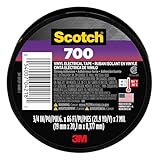
I’ve lost count of the times I’ve stared at a roll of electrical tape, thinking, “Could this actually work?” You know the drill: you’re packing up a sale on eBay, the last bit of packing tape is stubbornly refusing to stick, and you’ve got a roll of that black, stretchy stuff staring you down. My first instinct was always a hard no. Electrical tape? For shipping? It felt like a joke, something that would peel off in the first downpour or get snagged on a conveyor belt. Yet, the question lingers: can I use electrical tape for shipping label? It’s a question born from desperation and a desire to avoid another trip to the store.
Honestly, I’ve wasted more money than I care to admit on fancy packing tapes that promised the moon but delivered flimsy adhesion. So, when a simpler, more readily available option like electrical tape comes to mind, it’s natural to wonder. Let’s cut through the noise and get to what actually works, and more importantly, what doesn’t.
The Electrical Tape Myth: Why We Even Ask This
Look, nobody’s grabbing electrical tape for their high-stakes, international shipments of priceless antiques. We’re talking about those moments when you’re sending a t-shirt to your cousin or a book to a fellow collector. In those instances, the drive for a quick fix is strong. The common advice is almost always to use proper packing tape – the wide, clear or brown stuff that’s designed for the job. And for good reason. Packing tape is built with a strong adhesive, usually acrylic or hot-melt, formulated to withstand moisture, temperature changes, and the general rough-and-tumble of transit. It’s thick enough to resist tears and has a consistent tack that bonds well to cardboard, paper, and even some plastics.
Electrical tape, on the other hand, is designed for a totally different purpose: insulating electrical wires. Its adhesive is typically rubber-based, chosen for its flexibility and resistance to high temperatures and electrical conductivity. While it’s sticky, it’s not designed for the kind of shear force and environmental exposure that shipping entails.
It’s thinner, more prone to stretching, and its adhesive can break down over time, especially when exposed to humidity or significant temperature swings. I learned this the hard way when I tried using some leftover electrical tape on a small box containing some vintage comic books I was selling.
I figured, ‘What’s the worst that could happen? It’s just a short hop across the state.’
Well, by the time it reached its destination, the edges of the label were peeling, and the tape itself had developed a slightly gummy residue. Not a disaster, but definitely not professional, and it made me sweat the entire time it was in transit. It reinforced my belief that this tape is strictly for its intended purpose.
When ‘good Enough’ Becomes a Headache: Real-World Shipping Woes
I remember one particularly frustrating afternoon. I was shipping out a bunch of handmade soaps, and my trusty packing tape dispenser suddenly decided it was tired of life. It jammed, then it ripped, then it just wouldn’t dispense evenly. In a fit of pique, I grabbed the roll of black electrical tape from my toolbox.
I figured I could overlap it generously, secure the label firmly, and it would be fine for the few miles to the local post office, and then on to its final destination. Big mistake.
By the time the package arrived, the label was already starting to lift at the corners, and the tape itself looked… sad. It had lost its grip, and a bit of condensation had caused some of the ink on the label to blur.
The buyer was understanding, but it was embarrassing. It’s moments like these that make you realize why established methods exist. (See Also: Can I Use Electrical Tape To Connect Wires )
Electrical tape is stretchy, and that stretchiness is its downfall when trying to create a rigid, secure bond for a shipping label. It doesn’t offer the same structural integrity as packing tape.
My neighbor, bless her heart, once tried to use duct tape for a shipping label. She swore it was stronger. While duct tape is stronger in terms of tear resistance, its adhesive is often too aggressive and can leave a sticky residue that’s a nightmare to remove. Plus, the texture of duct tape can sometimes interfere with scanner accuracy, which is a whole other can of worms.
You want something that adheres well but is also smooth and transparent enough for the label to be read clearly by automated systems. For a shipping label, you’re looking for a balance of adhesion, durability, and a clean finish. Electrical tape, with its rubbery texture and tendency to stretch, fails on most of these counts for anything beyond a very short, very gentle journey. The common advice to use packing tape is, frankly, spot on.
The Science (or Lack Thereof) Behind Shipping Adhesives
When you’re looking at what makes a tape stick, it’s all about the adhesive and the backing material. Standard packing tape, whether it’s acrylic or hot-melt, is formulated for adhesion to porous and non-porous surfaces like cardboard.
Acrylic tapes tend to have better UV and temperature resistance, making them a solid choice for longer-term storage or varied climates. Hot-melt adhesives are known for their fast tack and strong initial bond.
The backing itself, usually polypropylene or a similar plastic film, provides strength and prevents the tape from stretching or tearing easily. This rigidity is key; it helps keep the shipping label flat and secure, preventing it from snagging or peeling off during transit. The width of packing tape, typically 2 inches or more, also provides a good surface area for adhesion and coverage, further reinforcing the package.
Electrical tape, as mentioned, uses a rubber-based adhesive. This type of adhesive is chosen for its conformability – its ability to wrap around irregular shapes like wires and its flexibility. It’s also often formulated with flame-retardant properties, which are entirely irrelevant for shipping.
The backing is usually vinyl, which is flexible and stretchy. This stretchiness is the core problem. When you apply electrical tape to a shipping label, it can stretch and distort the label itself.
Over time, and especially with changes in temperature and humidity, that rubbery adhesive can become gummy or brittle, losing its hold. I’ve seen it happen: a label that starts secure can loosen up as the adhesive fails. According to 3M, a major manufacturer of tapes, their electrical tapes are specifically designed for ‘insulating and protecting electrical wires and connections,’ not for ‘bonding dissimilar materials under stress or environmental exposure’ that shipping entails. It’s a good tape, just not for this job.
What I Actually Use (and What to Look For)
My go-to, hands down, is a good quality acrylic packing tape. I’ve tried the cheap store brands, and honestly, they’re often not worth the savings. They can be brittle, leave residue, or just not stick well in cooler temperatures. I look for a tape that feels substantial, doesn’t tear too easily by hand (though I still use a dispenser), and has a clear, even adhesive. (See Also: Can Electrica Tape Catch On Fire )
I usually buy a multi-pack of 6 rolls, which costs me around $25-$30, and a set lasts me for months of regular shipping. For sealing boxes, especially heavier ones, I always use a dispenser. It makes a world of difference in application speed and the neatness of the seal.
It applies even pressure, making sure the adhesive makes full contact with the cardboard. For attaching the label itself, I use the same packing tape, making sure it covers the entire label and extends a bit onto the box for maximum security.
If I absolutely had to secure a label in a pinch and had no packing tape, my mind might drift to clear packing tape that’s wider than standard. It’s still designed for packing, and if it’s clear, it won’t obscure the barcode.
Another option, though less ideal, would be a strong, clear packing tape that’s not specifically designed for boxes but for general adhesion. The key is the clarity and the adhesive strength.
I’d avoid anything opaque, fabric-backed (like standard duct tape), or excessively stretchy. The common advice to use packing tape is not just a suggestion; it’s the most practical and reliable method.
You want a tape that’s durable, weather-resistant to a degree, and non-stretching. Here’s a quick rundown of what I consider:
| Tape Type | Adhesive | Backing | Shipping Suitability | Verdict |
|---|---|---|---|---|
| Electrical Tape | Rubber-based | Vinyl (Stretchy) | Poor | Don’t do it. Not strong enough, adhesive fails. |
| Standard Packing Tape (Acrylic) | Acrylic | Polypropylene (Strong) | Excellent | My go-to. Reliable and durable. |
| Standard Packing Tape (Hot-Melt) | Hot-Melt | Polypropylene (Strong) | Very Good | Fast tack, good for quick shipping. |
| Duct Tape | Aggressive rubber | Cloth/Fabric (Strong) | Fair | Overkill, leaves residue, can obscure label. |
| Masking Tape | Water-activated adhesive | Paper (Weak) | Terrible | Comes off with moisture, not secure. |
Common Mistakes and How to Avoid Them
The biggest mistake people make, including myself in the past, is assuming any sticky tape will do the job. This line of thinking leads to using tapes not designed for the stresses of shipping. For instance, using narrow tape.
While you might think you’re saving money or tape, using a narrower tape (like 1-inch electrical tape) means you’ll need more strips to cover a label, and each seam is a potential weak point. It’s far more efficient and secure to use a wide packing tape that covers the label in one or two passes. Another common error is not applying the tape smoothly. Wrinkles or bubbles in the tape can create weak spots where moisture can seep in or where the tape can snag on something.
Always smooth out the tape as you apply it, making sure full contact with the label and the package surface.
Then there’s the issue of tape quality. Cheap, generic packing tapes might seem like a bargain, but they often have inferior adhesive that loses its stickiness in cold weather or humid conditions. I once had a package sent to Alaska in winter, and the cheap tape my sender used had become brittle and started to peel away from the box entirely. (See Also: Can I Substitute Duct Tape For Electrical Tape )
It was a miracle the label stayed on at all. I learned then that investing a few extra dollars in a reputable brand of acrylic packing tape is a small price to pay for peace of mind. The adhesive needs to be solid enough to handle a range of temperatures and humidity levels encountered during transit.
Finally, don’t underestimate the importance of sealing the box itself. If the box isn’t properly sealed with packing tape, the label is just one part of a potential failure. Make sure all seams on the box are taped securely, not just the label area. This creates a solid package that can withstand the journey.
Faq: Your Shipping Tape Questions Answered
Is Electrical Tape Waterproof?
While some electrical tapes offer some resistance to moisture, they are not designed to be waterproof in the way shipping tapes are. Their adhesive can break down when exposed to prolonged dampness or significant temperature fluctuations, compromising the integrity of the label and the package.
Can I Use Clear Packing Tape Instead of Electrical Tape?
Yes, absolutely. Clear packing tape, especially wider varieties, is an excellent alternative and is specifically designed for shipping. It offers superior adhesion, durability, and a smooth surface that won’t interfere with scanners, making it a much better choice than electrical tape.
Will the Post Office Accept a Package Taped with Electrical Tape?
While the post office may technically accept a package taped with electrical tape, it’s not recommended. If the tape fails and the label becomes detached or unreadable, the package could be delayed, returned, or even deemed undeliverable. They prefer and recommend standard packing tape for secure shipping.
Does the Tape Need to Be Transparent for Shipping Labels?
It’s highly recommended that the tape used to secure a shipping label be transparent. This makes sure that the barcode and shipping information can be easily read by automated scanning equipment and postal workers. Opaque tapes like standard electrical tape can obstruct the scanner, leading to potential delivery issues.
What Is the Best Tape for Shipping Labels?
The best tape for shipping labels is a strong, clear packing tape, typically made from acrylic or hot-melt adhesive on a polypropylene backing. It needs to be wide enough to cover the label and extend onto the package, providing a secure, durable, and scannable seal.
Verdict
So, to circle back to the nagging question: can I use electrical tape for shipping label? My honest, no-nonsense answer is: please don’t. I’ve been there, staring at that roll, tempted by its immediate availability. But the hassle, the risk of a damaged or lost package, and the sheer unreliability just aren’t worth it. Think of it this way: you wouldn’t use duct tape to fix your car’s brakes, would you? It’s the same principle. Use the right tool for the job.
Save yourself the headache and the potential cost of a lost sale or a disappointed customer. A roll of good quality packing tape isn’t expensive, and it’s the most reliable way to make sure your shipping label stays put and your package arrives safely. It’s one of those small investments that pays off big time in peace of mind and a professional presentation.
Next time you’re packing, grab that proper packing tape. Your future self, and your recipient, will thank you.