I remember staring at that frayed wire on my old camping lantern, the little copper strands looking sad and broken. My buddy Dave, ever the tinkerer, pulled out a roll of electrical tape. ‘Just wrap it up tight,’ he said. I hesitated. It looked… flimsy. We were miles from anywhere, and that lantern was our only light. It got me thinking: can I use electrical tape instead of solder for quick fixes? It’s a question I’ve wrestled with more than a few times since, usually when I’m elbow-deep in a project and the soldering iron is being a pain, or worse, I just plain forgot to pack one.
There’s this pervasive idea that solder is the only ‘real’ way to join wires, and anything else is just a temporary patch job. And sure, for permanent, high-reliability connections, solder is king. But for those times you just need something to work right now, or you’re dealing with a situation where soldering just isn’t practical? Well, that’s where things get interesting.
So, let’s cut to the chase: can you substitute tape for solder? The short answer is… it depends. A lot.
The Unvarnished Truth About Electrical Tape as a Connector
Look, let’s get this straight from the outset: electrical tape is NOT a substitute for solder in any application where a permanent, solid, electrically sound connection is required. If you’re wiring up a important circuit board, building a reliable appliance, or anything that needs to last and be safe under stress, you need to solder. Period.
Trying to use electrical tape for those jobs is like trying to build a bridge out of chewing gum – it’s a recipe for disaster, sparks, and probably a fire. I learned this the hard way years ago when I tried to ‘fix’ a dodgy connection in an old stereo amplifier using just tape. It worked for about an hour, then started smelling like burnt plastic and eventually just cut out.
Cost me more in the long run to get it properly repaired than if I’d just soldered it right the first time.
So, what is electrical tape good for, then? It’s primarily an insulator.
Its main job is to prevent accidental contact between exposed wires, to stop shorts, and to protect the insulation from abrasion or environmental damage. Think of it as a protective sleeve. It’s made of PVC, which has decent dielectric strength – meaning it can resist electrical current passing through it.
That’s why it’s used extensively in automotive wiring harnesses, for bundling cables, and for adding a layer of protection to existing wire insulation that might have gotten nicked. It’s flexible, it’s cheap, and it’s readily available. But it’s not a conductor, and its adhesive properties are designed to stick to itself and to smooth surfaces, not to create a metallurgical bond like solder does.
The common advice you’ll hear is that electrical tape is only for temporary fixes. And for the most part, that’s true. But ‘temporary’ can mean a lot of things. For a quick fix to get your car headlights working on a rainy night so you can get home?
Maybe. For a permanent repair on your home’s main electrical panel? Absolutely not. The key difference lies in the junction itself.
Solder creates a solid, fused connection between the metal conductors. Electrical tape just wraps around them, holding them in proximity and providing an insulating barrier.
There’s no electrical continuity established by the tape itself. The connection is only maintained by the physical pressure of the tape holding the wires together, which can loosen over time, especially with vibration or temperature changes.
My go-to example for when it might be considered is on a low-voltage, low-current DC circuit where the wires are already stripped and touching, and you just need to keep them that way while preventing them from shorting out against something else. Even then, I’d be eyeing it with suspicion and planning to do it properly at the earliest opportunity. The dielectric strength of good quality electrical tape is usually around 10,000 volts, which sounds high, but that’s under ideal conditions. Real-world use, with flexing, moisture, and temperature swings, can degrade that significantly. Plus, you’re relying on the mechanical pressure of the tape to maintain contact, which is inherently less reliable than a soldered joint. (See Also: Can I Use Electrical Tape To Connect Wires )
When the Tape might Not Be a Total Disaster (but Still Probably Is)
Let’s talk about those emergency situations. You’re camping, it’s pitch black, and a wire in your battery-powered fairy lights snaps. Or your kid’s favorite toy has a loose wire.
In these low-voltage, low-amperage scenarios, electrical tape can sometimes do the job in a pinch. The goal here isn’t to create a permanent, high-fidelity connection, but to physically hold the two conductive ends together and prevent them from touching anything they shouldn’t. You’ll need to strip a bit more insulation off each wire than you would for soldering, expose the copper strands, and then carefully twist them together as tightly as possible. Only after you’ve made that physical contact do you then wrap the electrical tape over the joined wires, making sure it overlaps generously and creates a good seal.
The trick is to get the wires making good contact before you tape. Electrical tape won’t magically conduct electricity if the wires aren’t touching. It’s purely an insulator.
So, you’re basically relying on the tape to keep the wires pressed together. This is where the adhesive quality of the tape matters. Cheap, old, or poorly made electrical tape will dry out, lose its stickiness, and unwrap itself, leaving you right back where you started, possibly with a worse mess.
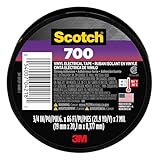
That’s why, even in a pinch, I always opt for reputable brands like 3M or Scotch. They’re a bit more expensive, but they’re designed for the job and the adhesive holds up much better. I once tried a bargain-brand tape that literally melted in the sun, leaving a sticky goo everywhere.
Never again.
Consider the physical stress on the connection. If these wires are going to be moved, flexed, or pulled, even slightly, tape is going to fail. Soldering creates a solid, rigid connection. Tape is flexible, but it’s not strong. The physical bond is weak. You can see this in the difference in how they handle vibration. A soldered joint is pretty much immune to vibration loosening it. A taped joint? Vibration can work the wires apart or loosen the tape’s grip over time.
Here’s a contrarian take for you: Some people might argue that for very simple, non-important connections in hobby electronics, like connecting a battery pack to a simple LED circuit where current is minimal, electrical tape could be a viable alternative if you can’t solder. I disagree.
Even in those cases, a twisted wire with a wire nut or even just a good, solid twist and some heat-shrink tubing is vastly superior. Why? Because the connection is mechanically sound and insulated properly. With tape, you’re always one bump away from it coming undone.
It’s just not worth the risk of intermittent connection or failure, even in low-stakes situations. The effort to do it right, even with basic tools, is minimal compared to the potential headaches.
The Technical Nitty-Gritty: Why Solder Wins
Let’s get down to brass tacks. Solder isn’t just melted metal holding wires together. It’s a process called wetting, where the molten solder flows over and into the microscopic pores of the conductors, creating a strong metallurgical bond. This bond has extremely low electrical resistance. Think of it as a smooth extension of the wire itself. When you solder, you’re basically creating a single piece of metal out of the wire and the solder alloy. This means electricity can flow through it with minimal impedance, meaning very little energy is lost as heat, and the signal is clean and strong. This is most important for everything from delicate audio signals to high-power DC loads.
Electrical tape, on the other hand, is an insulator. Its job is to stop electricity from flowing where it shouldn’t. When you use it to hold wires together, you’re relying on the physical contact between the stripped ends of the wires.
The tape’s role is purely to maintain that contact and prevent shorts. If the wires aren’t perfectly aligned and pressed together, or if that contact is lost due to vibration, temperature changes, or the adhesive failing, your connection breaks. There’s no inherent conductivity from the tape itself. (See Also: Can Electrica Tape Catch On Fire )
The resistance at the point of contact between the wires, even if they’re touching well, is going to be higher than a soldered joint, especially over time as oxidation can occur at the contact point. This higher resistance means more heat generated, which can degrade the tape further, leading to a vicious cycle.
Here’s a comparison to illustrate the difference in how they function:
| Feature | Soldering | Electrical Tape (as a joiner) | My Verdict |
|---|---|---|---|
| Connection Type | Metallurgical bond, permanent | Mechanical pressure, temporary/unreliable | Solder is clearly superior for permanence. |
| Electrical Resistance | Extremely low | Variable, can increase over time | Solder wins hands down for conductivity. |
| Durability (Vibration/Flex) | Very high | Low | Tape will fail under stress. |
| Temperature Resistance | High, depends on solder alloy | Low to moderate, can degrade | Solder is more solid. |
| Insulation Properties | None (requires separate insulation) | Excellent (its primary function) | Tape is for insulation, not joining. |
| Ease of Use (Beginner) | Steep learning curve, requires practice | Easy to apply, but connection is poor | Tape is easier to apply, but the result is worse. |
The important point is that solder creates a conductive joint. Electrical tape creates an insulated space that might hold conductive elements together. They serve fundamentally different purposes. Trying to use electrical tape as a solder substitute is like using a hammer to screw in a nail – you might get it to go in, but it’s the wrong tool for the job and the result will be shoddy and unreliable. I’ve seen so many DIY projects fail because someone tried to cut corners on the electrical connections, and nine times out of ten, it was tape or some other shoddy method that was the culprit.
Common Mistakes and What to Avoid
The biggest mistake, hands down, is thinking electrical tape is a permanent solution for making electrical connections. It’s not. It’s an insulator. If you’re using it to join wires, you’re relying on the tape to physically press the wires together. This is inherently unstable. Over time, the adhesive can dry out, the tape can stretch, or vibration can cause the wires to shift, breaking the connection. This leads to intermittent faults, which are the absolute worst kind of electrical problem because they’re so hard to diagnose.
Another common error is not stripping enough insulation from the wires. If you only expose a tiny bit of copper, the tape might not be able to hold them in solid contact. You need enough exposed wire to make a good, firm connection when twisted together. Conversely, exposing too much wire and then wrapping tape haphazardly means you might have bare wire peeking out from under the edges of the tape, which defeats the purpose of insulation and creates a shorting hazard. You need to wrap the tape tightly and make sure it overlaps by at least half its width with each turn, extending well beyond the stripped ends of the wires on both sides.
People also often skimp on the quality of the tape. I’ve seen folks grab any old sticky tape from the junk drawer. That’s a recipe for disaster. Use good quality electrical tape from a reputable brand. It’s designed to be flexible, adhere well, and resist temperature changes and UV exposure (though its UV resistance is still limited compared to specialized tapes). Cheap tape can become brittle, lose its tackiness, or even melt, leaving you with a sticky, conductive mess. I once saw a car’s trailer wiring loom literally sag because the tape used to hold the connections together had melted in the summer heat. It caused all sorts of gremlins with the trailer lights.
Don’t forget about the voltage and current. Electrical tape has a dielectric strength rating, but this is for ideal, dry conditions. If there’s any chance of moisture, or if you’re dealing with anything beyond low-voltage DC (like household AC mains power), electrical tape is a non-starter for making the connection itself. It’s for insulating already made connections. Using it to join wires in higher-power applications is incredibly dangerous. You’re looking at overheating, potential fire, and serious risk of electric shock. The common advice from electricians is always to solder or use proper connectors (like crimp connectors or wire nuts) for joining wires, and then use tape only for added insulation or protection of the outer sheath.
Real-World Scenarios: When Is It actually Used?
So, if electrical tape isn’t a solder replacement, where does it actually shine? Its primary role is insulation and protection. Think about automotive wiring. You’ll see bundles of wires wrapped in electrical tape. This isn’t to connect the wires; it’s to keep them organized, prevent chafing against the car body, and protect the outer insulation from road grime and temperature fluctuations. It’s a protective sheath.
In the world of consumer electronics repair, it’s often used to secure loose wires that have popped out of their connectors but are still making contact. For example, if a tiny wire lead on a speaker cone has detached and you can easily push it back into its terminal, you might use a small piece of electrical tape to hold it firmly in place against the terminal. This isn’t creating the electrical connection; it’s just making sure the existing physical contact remains solid. It’s like a temporary shim, but with insulation.
I’ve also used it for quick fixes on garden extension cords. If the outer rubber sheath gets a minor nick, a few wraps of good electrical tape can prevent moisture from getting to the inner wires. This isn’t joining anything, just protecting what’s already there. And in the world of DIY projects, it’s invaluable for bundling wires neatly. When you’re running multiple wires for LEDs or sensors, wrapping sections of the bundle with tape keeps them from becoming a tangled mess. It’s also great for temporary insulation on test leads for a multimeter if you need to extend their reach and prevent accidental shorts.
A slightly more advanced use is in creating temporary strain relief. If a wire is pulling away from a connection point, you can wrap tape around the wire a short distance from the connection to create a thicker section. This prevents the wire from being pulled directly on the connection point itself. It’s not a substitute for proper strain relief, but it can help prevent damage in a pinch. I saw a guy use it to create a temporary grip on a slippery wire he was trying to feed through a conduit. He wrapped a few inches with tape to make it easier to hold onto. Ingenious, in a way, but still not an electrical connection fix.
One area where it can sometimes be used to bridge a gap, albeit temporarily, is on very low-power, low-voltage devices where the wire strands have frayed and you just need them to touch. Imagine a very thin wire on a battery-powered toy. If the copper strands are all splayed out, you can carefully tease them back together, twist them, and then wrap the tape tightly.
The tape’s role is to hold the twisted strands in contact and insulate the whole mess. It’s a desperate measure, and I would always recommend replacing or properly repairing such a connection as soon as possible. The reliability is just not there for the long haul. (See Also: Can I Substitute Duct Tape For Electrical Tape )
I’ve had to do this on my kid’s toys more times than I care to admit, and it’s always the first thing I replace with solder or a proper connector when I get a moment.
Practical Tips for Using Electrical Tape (the Right Way)
If you are going to use electrical tape, whether for its intended purpose or for a desperate, temporary fix, here are a few tips to make sure you do it as safely and effectively as possible. First, always clean the wires. If the copper strands are oxidized or dirty, the electrical contact will be poor, even if they’re touching. A quick wipe with a clean cloth or a bit of contact cleaner can help make sure a good connection. Second, twist the wires together firmly before you apply any tape. This gives you the best chance of maintaining electrical contact. Don’t just hold them side-by-side.
When you wrap the tape, start a bit before the stripped wire ends and overlap each turn by at least half the tape’s width. Keep the tape under tension as you wrap; this helps it adhere better and creates a tighter, more secure wrap. Extend the tape a good inch or so beyond the stripped wire ends on both sides. This creates a smooth, insulated transition and prevents any bare wire from being exposed. Think of it like building layers of insulation. Don’t be stingy with the tape; a few extra wraps are better than one too few. Aim for a smooth, uniform finish with no wrinkles or gaps.
Always use good quality tape. As I’ve mentioned, brands like 3M Super 33+ or Scotch 88 are industry standards for a reason. They offer good adhesion, flexibility, and insulation properties. Avoid old, dried-out tape or cheap generic brands. If the tape feels brittle, cracks when you stretch it, or has lost its stickiness, don’t use it for anything important. For more permanent insulation, once you’ve made your soldered or crimped connection, consider using heat-shrink tubing over the top of the soldered joint. It provides a much more solid and professional-looking finish than tape and offers superior protection.
Finally, understand the limitations. Electrical tape is an insulator, not a conductor. It’s for protecting already-made connections or providing a temporary, unreliable way to hold wires together. It will not fix a bad connection on its own. It’s best used in low-voltage, low-current DC applications for temporary fixes, or for its intended purpose of insulating and bundling wires in non-important applications. For anything requiring reliability, safety, or longevity, stick to soldering or proper connectors. If you’re ever in doubt, err on the side of caution and assume tape is not sufficient.
Frequently Asked Questions About Electrical Tape vs. Solder
Can Electrical Tape Conduct Electricity?
No, electrical tape is primarily an insulator. Its main function is to prevent electrical current from flowing where it shouldn’t and to protect wires. It does not conduct electricity itself. Any perceived conductivity comes from the physical contact of the wires it is holding together, which is inherently unreliable.
Is Using Electrical Tape Instead of Solder Safe?
For most applications, no, it is not safe. While it might work as a very temporary, low-voltage, low-current fix, it’s inherently unreliable. Using it in higher voltage or current situations, or where a permanent, secure connection is needed, can lead to overheating, short circuits, fire hazards, and electric shock.
How Long Will a Temporary Fix with Electrical Tape Last?
It’s impossible to say definitively, as it depends heavily on the application, the quality of the tape, and the environmental conditions. It could last minutes, days, or weeks. However, it should never be considered a long-term solution. The adhesive can degrade, the tape can stretch or dry out, and vibration can loosen the connection, leading to failure.
What Are the Alternatives to Soldering for Connecting Wires?
For permanent and reliable connections, common alternatives to soldering include wire nuts (for household wiring), crimp connectors (often used in automotive and electronics), terminal blocks, and specialized connectors like JST or Dupont connectors for low-voltage electronics.
When should I Use Electrical Tape on Wires?
You should use electrical tape for its intended purpose: to insulate and protect existing, secure electrical connections. This includes bundling wires together, protecting exposed insulation from abrasion, sealing connections against moisture (provided the connection itself is sound), and providing a layer of protection on wire harnesses.
Verdict
So, to circle back to that frayed camping lantern wire: could I have used electrical tape instead of solder? Technically, yes, for a very short time, to get by. But would I have trusted it to last? Absolutely not. It’s important to understand that electrical tape is designed to insulate, not to join. While it might hold two stripped wires in proximity, that’s a far cry from the solid, reliable, low-resistance connection you get with solder. My honest opinion? If you’re asking can i use electrical tape instead of solder, you’re probably in a situation where you should be soldering or using a proper connector.
There are times when a temporary fix is better than no fix, but for electrical work, cutting corners can have serious consequences. It’s always best to have the right tools for the job. Keep a small soldering iron kit or a set of assorted crimp connectors in your toolkit. They don’t take up much space and can save you a lot of headaches and potential hazards down the line. Don’t let the ease of wrapping tape lure you into a false sense of security.
My advice is to use electrical tape for what it’s good at: insulating and protecting. For making connections, bite the bullet and do it right. Your future self, and anyone who might come into contact with your work, will thank you for it. Think about what’s at stake next time you’re tempted to reach for the tape roll when you really need solder.