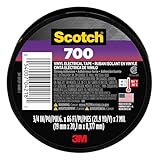
I remember staring at that corroded car battery terminal, the one that looked like a fuzzy blue-green alien had taken up residence. My buddy Dave, bless his heart, swore by electrical tape. “Just wrap it tight, mate!” he’d said, brandishing a roll like it was the magic wand for all automotive ills. I was young, broke, and desperate to get my old Corolla running. So, I did it. And for about three weeks, it actually seemed to work. Then came the sputtering, the clicking, the sheer embarrassment of being stranded.
That experience taught me a hard lesson about quick fixes, especially when it comes to something as vital as your car’s electrical system. So, the question of whether you can use electrical tape on a car battery cable is one I’ve wrestled with, seen others attempt, and ultimately decided against for anything more than a temporary, desperate hail mary.
Why People Even Ask About Electrical Tape on Car Battery Cables
Look, we’ve all been there. That moment when a little green fuzz starts to creep around your battery terminals, or maybe a cable connection feels loose. Your car might be sputtering, the lights dimming, or it just won’t crank over. Panic sets in. You’re miles from a parts store, it’s late, and you need that car running NOW. This is where the idea of using electrical tape on a car battery cable starts to sound like a genius, cost-effective solution.
The logic, on the surface, seems sound enough. Electrical tape is, well, electrical. It’s designed to insulate wires, prevent shorts, and it’s sticky. So, why wouldn’t it work to keep a corroded terminal clean or to secure a slightly loose connection? It’s cheap, readily available in almost any home or garage, and it’s flexible enough to wrap around those awkward shapes. People see it as a barrier, a way to keep the nasty corrosion away from the metal or to hold things together just tightly enough.
I’ve heard stories, seen pictures online, of people using it. Sometimes it’s wrapped around the cable itself, sometimes over the terminal post, sometimes a combination. The goal is usually to either prevent further corrosion or to create a tighter fit for a loose cable clamp.
It’s the automotive equivalent of putting a Band-Aid on a bullet wound – it might cover the immediate problem, but it’s not addressing the root cause or offering any real, lasting repair. My first attempt at this, as I mentioned, lasted about three weeks before the car decided it had had enough. The tape, under the heat and vibration of the engine bay, had started to degrade and peel, exposing the terminal to the elements again, and probably making the electrical connection even worse.
The Grim Reality: Why Electrical Tape Is a Terrible Idea
Let’s cut to the chase: using electrical tape on a car battery cable is a bad idea. Not just a mediocre idea, but a genuinely bad one that can lead to more problems than it solves. Think about the environment under your hood.
It’s a hostile place. You’ve got extreme temperature swings, from the freezing cold of winter to the scorching heat of a summer’s day. There’s vibration from the engine, moisture, dust, oil, and all sorts of other gunk.
Standard electrical tape, the cheap stuff you get at the hardware store, is simply not designed to withstand that kind of abuse for any length of time. It’s meant for dry, relatively stable indoor environments, not the chaos of an engine bay.
When exposed to heat, electrical tape can become gummy and sticky, or it can dry out and become brittle and crack. Vibration can cause it to loosen and unravel, leaving your terminal exposed and possibly creating new short circuits. Moisture can seep in around the edges, accelerating corrosion rather than preventing it. And the ‘insulation’ it provides is minimal at best once it starts to degrade. It’s like trying to seal a leaky boat with cling film – it might work for a minute, but don’t expect it to hold up when the waves hit.
The biggest issue, though, is that it doesn’t actually fix the problem. If your terminal is corroded, the corrosion needs to be physically removed and the terminal cleaned or replaced. If your cable clamp is loose, it needs to be tightened or replaced. Electrical tape just puts a flimsy cover over the issue. (See Also: Can I Use Electrical Tape To Connect Wires )
It’s a cosmetic fix that can mask a serious electrical problem. This can lead to intermittent starting issues, dimming lights, or even a complete loss of power when you least expect it.
I once saw a friend’s car completely die on the highway because the electrical tape he’d used on his terminal had worked its way loose, shorted against the car body, and fried a fuse. Not a cheap or easy fix to be stuck with.
| Method | Pros (if you squint) | Cons (the real story) | Verdict |
|---|---|---|---|
| Electrical Tape | Cheap, readily available. Might temporarily hold things. | Degrades quickly, doesn’t fix root cause, can worsen problems, unreliable. | Avoid. A last resort for a tow truck to arrive. |
| Proper Terminal Cleaner & Protector | Specifically designed for the job, effective corrosion prevention. | Costs a few bucks, requires actual cleaning. | Recommended. The right tool for the job. |
| Dielectric Grease | Excellent for preventing corrosion on connections, good for seals. | Not a structural fix for loose connections, needs to be applied to clean surfaces. | Good for prevention and sealing, not for repair. |
| New Terminal Clamps/Cables | Permanent, reliable fix for damaged or corroded parts. | Costs more, requires tools and a bit of effort. | The best long-term solution when parts are worn out. |
What to Actually Do for Battery Terminal Problems
Okay, so electrical tape is out. What’s the right way to handle those gnarly battery terminals or loose connections? It’s not rocket science, and honestly, it’s usually cheaper and far less stressful in the long run than dealing with the fallout from a shoddy fix. The first thing you need to do is identify the problem. Is it corrosion? A loose cable? A damaged terminal post?
If it’s corrosion – that white or greenish powder – you need to get rid of it. The best way? A good old-fashioned wire brush designed for battery terminals. They’re cheap and effective. You can get a combo tool that cleans the inside of the clamp and the post itself. Some people use a baking soda and water paste, which works too, but you have to be careful not to get too much into the battery vents. Whatever you use, scrub until the metal is shiny and bare. Rinse with clean water (carefully!) and dry thoroughly.
Once everything is clean and dry, you have options for protection. My go-to is a dedicated battery terminal protector spray or grease. It’s designed to create a barrier against corrosion and moisture. Dielectric grease is also excellent for this; it’s a non-conductive silicone lubricant that prevents water and dirt from getting into electrical connections and also helps prevent corrosion on the metal itself. Apply a thin, even coat to the clean terminal post and the inside of the cable clamp before reconnecting them. This stuff feels like a thicker Vaseline and is fantastic for keeping things in good working order.
If the cable clamp itself is damaged, corroded beyond repair, or the cable is frayed, you’re looking at replacing the clamp or the entire cable. You can buy new terminal clamps at any auto parts store for a few bucks. They usually just clamp on with a bolt. If it’s the entire cable, it’s a bit more involved, but still doable for most DIYers.
Just make sure you get the correct gauge and length. Buying the right parts and taking the time to do it properly will save you headaches and potential damage down the line. I learned this the hard way after a loose cable clamp caused my alternator to fail prematurely – an expensive mistake that a simple tightening would have prevented.
The ‘people Also Ask’ Questions Answered
Can You Clean Battery Terminals with Toothpaste?
While toothpaste might have some mild abrasive qualities, it’s not ideal for cleaning battery terminals. It leaves behind residue that can actually attract moisture and dirt, potentially leading to more corrosion in the long run. Plus, it’s messy and not specifically designed for automotive electrical components. A wire brush and a dedicated cleaner or baking soda paste are much more effective and safer options for dealing with battery terminal buildup.
What Is a Good Substitute for Battery Terminal Protector?
The best substitutes for dedicated battery terminal protector are dielectric grease or petroleum jelly (Vaseline). Dielectric grease is specifically designed for electrical connections to prevent moisture ingress and corrosion. Petroleum jelly can also work as a temporary barrier against moisture and dirt. Both should be applied to clean, dry terminals and clamps after they’ve been reconnected. Avoid using lubricants that are conductive or petroleum-based products that can degrade rubber or plastic components under the hood.
Can I Use Wd-40 on Battery Terminals?
No, you really shouldn’t use WD-40 on battery terminals or connections. While WD-40 is a great penetrant and water displacer for many applications, it’s not suitable for long-term use on battery terminals. It can leave behind a residue that attracts dust and dirt, and it’s not designed to prevent corrosion. In fact, some of the solvents in WD-40 could potentially damage the rubber or plastic insulation on the battery cables over time. Stick to proper cleaning methods and dedicated protectors or dielectric grease for battery terminals. (See Also: Can Electrica Tape Catch On Fire )
How Do I Fix a Loose Battery Terminal?
Fixing a loose battery terminal is usually straightforward. First, make sure the battery is off and the engine is cool. Loosen the bolt on the clamp that secures the cable to the battery post. If the terminal is corroded, clean it thoroughly with a wire brush as described earlier. Once clean, re-seat the clamp firmly onto the battery post. Tighten the bolt securely, but don’t overtighten, as you could damage the battery post or the clamp. The clamp should be snug and not move at all when you try to wiggle it. If the clamp itself is damaged or worn out, it’s best to replace it with a new one.
The ‘contrarian’ View: When Might You Actually Consider It? (spoiler: Rarely)
Now, I have to admit, there’s a tiny sliver of a scenario where someone might think electrical tape is a viable option, and it’s this: if you have a very minor, superficial scratch on a battery cable’s insulation (NOT the terminal itself) and you need to get home immediately, and you have absolutely nothing else. This isn’t about corrosion or a loose connection; it’s about a tiny nick in the plastic sheath that isn’t exposing bare wire. Even then, it’s a desperate measure. I’m talking about a situation where you’re on a dirt road, 50 miles from town, with no cell service, and your car is about to die because of a tiny insulation breach.
Even in that extreme case, the tape is acting purely as a physical barrier against something snagging the cable and making the nick worse, or to prevent a tiny bit of moisture ingress. It’s not doing any electrical work. And the moment you get to civilization, you rip that tape off and properly assess the damage. I once had a tiny abrasion on a cable on my old dirt bike, and I used a bit of that super-sticky, self-fusing silicone tape (which is not electrical tape, by the way) just to get me through a trail ride.
It held, but the second I got back to the garage, it was off and the cable was properly repaired. The common advice is to never use it, and for 99.9% of situations, that advice is spot on. My opinion? If you’re considering electrical tape, you’re probably past the point where it’s a good idea and you need a real fix.
Alternatives That Actually Work
Okay, let’s talk about the stuff that actually works. For battery terminal corrosion, the undisputed champions are specialized battery terminal cleaners and protectors.
These products are formulated to cut through that green gunk effectively and then leave behind a protective coating. Brands like Gunk, Permatex, and CRC all make excellent kits. You’ll typically get a wire brush and a spray or a brush-on protector. It’s not expensive – usually under $20 for a decent kit – and it’s designed specifically for this job.
Applying a thin coat of dielectric grease after cleaning also creates an excellent barrier against moisture and prevents corrosion from forming in the first place. It feels a bit like Vaseline but is designed for electrical components and won’t degrade over time.
When it comes to loose connections, there’s no substitute for a properly functioning clamp. If your existing clamp is corroded or damaged, you’ll want to replace it. You can buy universal replacement terminal clamps at any auto parts store for a few dollars. They often just bolt on.
Make sure you get the right size for your positive and negative terminals – they’re usually different. If the cable itself is damaged, frayed, or the end is corroded, you might need to replace the entire battery cable.
This is a bit more involved but is often a necessary repair for older vehicles. You’ll need to disconnect the old cable, run the new one, and secure it properly to the battery and any other mounting points. It’s worth the effort for a reliable connection. (See Also: Can I Substitute Duct Tape For Electrical Tape )
I remember a time when I thought I could just tighten a slightly loose clamp repeatedly to avoid buying a new one. Big mistake. It kept loosening up, causing intermittent power issues, and I ended up damaging the battery post itself. That was an $180 lesson in just buying the $5 clamp and doing it right the first time.
The key is understanding that battery terminals are where high current flows. They need clean, solid metal-to-metal contact. Anything less is just asking for trouble. Investing in the right tools and parts, even for something as simple as battery terminals, pays off in reliability and avoids more costly repairs down the road.
And no, electrical tape is not on that list of “right parts.”
Can I Use Electrical Tape on a Car Battery Cable?
It’s strongly advised not to use electrical tape on car battery cables. While it might seem like a quick, cheap fix for corrosion or loose connections, electrical tape is not designed to withstand the harsh environment of an engine bay, including extreme temperatures, moisture, and vibration. It degrades quickly, can fail unexpectedly, and doesn’t address the root cause of battery terminal problems, potentially leading to more serious electrical issues or even fires. Always use proper cleaning tools, terminal protectors, dielectric grease, or replace damaged components for a safe and reliable repair.
Faq Section
How Long Does Electrical Tape Last on a Car Battery Cable?
Honestly, not long enough to be considered a reliable repair. Under the heat, vibration, and exposure to moisture and chemicals in an engine bay, standard electrical tape can start to degrade within weeks or a few months. It can become brittle, crack, lose its adhesion, or become gummy. This means the protection it offers is temporary at best and can lead to failure at the worst possible moment, potentially causing more damage than if you’d left it alone or made a proper repair.
Will Electrical Tape Insulate a Battery Terminal?
In a very limited, temporary sense, it might offer a slight degree of insulation, but not enough for the demands of a car battery. Electrical tape is designed for low-voltage, dry applications. A car battery produces significant voltage, and the engine bay is a highly conductive environment with constant exposure to moisture and contaminants. As the tape ages and degrades, its insulating properties diminish significantly, making it ineffective and potentially dangerous.
What Happens If I Use Electrical Tape on My Battery Terminal?
If you use electrical tape on your battery terminal, you’re likely setting yourself up for intermittent electrical problems, poor starting, or even a complete failure of your electrical system. The tape can loosen, fall off, or degrade, exposing the terminal to further corrosion or allowing for short circuits. It doesn’t fix the underlying issue, and in some cases, it can make it worse by creating a poor connection or attracting debris. It’s a temporary patch that rarely holds up.
Is There a Better Tape for Car Battery Terminals?
If you’re looking for a tape-like solution, you should consider self-fusing silicone tape. This isn’t standard electrical tape; it’s a high-temperature, flexible material that vulcanizes to itself, creating a solid, waterproof, and insulating seal. It’s often used for hose repairs or high-voltage insulation. However, even this is best used as a temporary fix for cable insulation damage, not as a primary solution for corroded terminals or loose connections. For terminals themselves, cleaning and using dielectric grease or a dedicated protector is still the superior method.
Final Thoughts
So, can I use electrical tape on a car battery cable? My honest, no-nonsense answer is: no, you really shouldn’t. It’s a fix that sounds plausible in a pinch but is almost guaranteed to cause more headaches than it prevents. The engine bay is a tough environment, and cheap electrical tape just isn’t built for it. It degrades, fails, and can lead to bigger, more expensive problems down the road.
Instead of risking it, take the few extra minutes and a few extra dollars to do it right. Clean those terminals with a wire brush, apply some dielectric grease or a proper terminal protector, and if a clamp is loose or damaged, replace it. Your car’s electrical system is too important to trust with a temporary fix that’s more likely to fail than succeed.
Next time you see that fuzzy corrosion or feel a wiggle in your battery cable, reach for the right tools. It’s the only way to make sure your car starts reliably when you need it most.