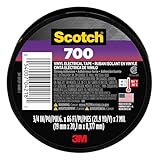
I’ve seen some wild hacks suggested over the years for keeping mail shut. Some are downright brilliant, others… well, let’s just say they belong in the ‘don’t try this at home’ file. For a while now, I’ve been noodling on a specific question I’ve heard bandied about: can I use electrical tape on an envelope?
It seems simple enough, right? Tape is tape. But when you’re talking about sending something through the postal service, the devil is often in the details. I’ve personally wasted more than my fair share of money on gadgets and gizmos that promised the moon and delivered a tiny, dusty asteroid. So, when it comes to something as basic as sealing an envelope, I want the lowdown, the real dirt.
This isn’t about fancy stationery or gourmet mail-art. This is about making sure your important document doesn’t fly open in the sorting machine or get sticky-fingered by the time it reaches its destination. So, let’s talk straight about whether electrical tape is a viable option for your mail.
Electrical Tape: The Good, the Bad, and the Ugly for Mail
Look, I get it. You’re in a pinch. Maybe the glue on your envelope just isn’t cutting it, or perhaps you’ve got a super important document you want to make sure stays sealed tighter than a drum. You glance over at your toolbox, see that roll of black electrical tape, and the thought crosses your mind: can I use electrical tape on an envelope? It’s flexible, it sticks, it’s probably strong enough, right?
My honest answer, after years of fiddling with all sorts of adhesives and sending a metric ton of mail, is a resounding ‘maybe, but probably not a good idea.’ Electrical tape is designed for a very specific job: insulating electrical wires. It’s made of vinyl, which is great for flexibility and resisting moisture, and it has a decent adhesive. That adhesive, however, is often designed to be removable without leaving too much residue on smooth surfaces like wire insulation.
On paper, especially the kind used for envelopes, that adhesive can behave very differently. It might stick initially, but over time, especially with temperature changes and the jostling of the mail system, it can start to peel, curl, or even leave a gummy mess behind.
I remember one time, I had a small package I needed to send off in a hurry, and the regular packing tape I had was all used up. I grabbed a roll of electrical tape, thinking it would be fine for just a few days until I got to the post office to buy more.
I wrapped it around the seams of a sturdy cardboard box. Big mistake. When it finally arrived at its destination a week later, the tape had lost its tack.
It was peeling away at the edges, and frankly, it looked like a shoddy repair job. The contents were still there, thankfully, but the impression it gave was less than professional. It made me realize that while electrical tape can stick, it’s not always the right kind of sticking for the long haul, especially on porous surfaces like paper or cardboard.
The common advice you’ll find online is often very general: ‘use strong tape.’ But the type of tape matters. Electrical tape’s main selling point is its insulating properties and flexibility, not its longevity or adhesion to paper products. It’s not formulated to handle the stresses of the postal system.
Think about it: envelopes go through machines that fold, sort, and stamp them. They get stacked, they get exposed to varying humidity and temperatures.
Electrical tape, with its vinyl backing and often less aggressive adhesive for paper, just isn’t built for that kind of abuse. It might work in a pinch for a single, short trip, but I wouldn’t trust it for anything important or time-sensitive if I wanted it to arrive looking presentable and, more importantly, securely sealed.
The Real Deal with Envelope Adhesives and What They’re Up Against
Let’s get down to brass tacks about what makes an envelope stay shut and why some tapes fail miserably. Envelope glue, the kind you lick or peel-and-stick, is formulated to bond with the paper fibers of the envelope itself. It creates a strong, integrated seal. When you’re thinking about adding extra tape, you’re basically trying to augment that seal or create a new one. The question of can I use electrical tape on an envelope really hinges on whether its adhesive can create a reliable bond with paper under duress.
Here’s a breakdown of what envelopes and their seals endure during transit. First, there’s the physical handling. Mail gets tossed, stacked, and generally manhandled. Then comes the environmental factor. Humidity can make paper swell and glue weaken. Dry air can make paper brittle and adhesives dry out. Temperature fluctuations are a constant battle, too. Cold can make adhesives brittle and less sticky, while heat can soften them, leading to slippage and peeling. Electrical tape, being vinyl, doesn’t breathe like paper does. This can trap moisture or lead to different expansion and contraction rates between the tape and the envelope, stressing the bond.
I’ve seen folks try to reinforce envelopes with all sorts of things. Masking tape? Looks terrible and falls off. Scotch tape? (See Also: Can I Use Electrical Tape To Connect Wires )
Barely holds for more than a day. Packing tape?
Usually works pretty well, but you have to apply it right. The adhesive on packing tape is typically acrylic or hot-melt, designed to stick aggressively to a variety of surfaces, including cardboard and paper, and withstand a decent amount of stress. Electrical tape’s adhesive is often a rubber-based or synthetic rubber compound.
While it can be sticky, it’s not always the best long-term performer on paper compared to dedicated paper adhesives or strong packing tapes. It’s also worth noting that electrical tape is black or dark-colored, which can look really unprofessional on an envelope, making it seem like a rushed, temporary fix.
The common advice you’ll hear is to use tape that is designed for paper or cardboard. This is where electrical tape falls short.
It’s a specialist product for electricians, not for mail handlers. While it can be used in a pinch, you’re sacrificing reliability and appearance for a quick fix. If you’re sending something valuable or important, you want a seal you can trust, and electrical tape, in my experience, just doesn’t reliably provide that level of security for envelopes. It’s like using a wrench to hammer a nail – it might work, but it’s not what the tool was made for, and you’re likely to do a poor job and potentially damage something in the process.
For actual mail security, there are much better, albeit slightly less colorful, options available.
Comparing Adhesives: Why Electrical Tape Isn’t the Go-To
Let’s get real about adhesives. When we ask ‘can I use electrical tape on an envelope?’, we’re really asking if its sticky side is up to the job. The adhesive on electrical tape is formulated primarily for electrical insulation purposes. This means it needs to stick well enough to hold insulation in place and provide some barrier properties, but often without permanently damaging wire coatings or leaving a residue that could interfere with conductivity or future repairs. This often translates to a medium-tack adhesive that might not have the long-term, aggressive grip needed for paper products under stress.
Compare that to, say, the adhesive on a good quality packing tape. Packing tape adhesives are typically acrylic-based or hot-melt rubber. Acrylics offer excellent long-term adhesion, resist UV light and temperature extremes, and form a strong bond with paper and cardboard. Hot-melt rubber adhesives grab fast and provide a strong initial bond, making them popular for quick sealing. Both are designed to create a durable bond that can withstand shear, tension, and environmental changes – exactly what you need for mail.
I learned this the hard way when I was trying to seal up some old photo albums I was shipping. I ran out of proper packing tape and, you guessed it, grabbed the electrical tape from my garage. I figured it would hold them shut. Nope. Within a couple of days in transit, the edges started to lift. The photos themselves were fine, but the albums looked like they’d been mauled by a badger. It was embarrassing. The adhesive on the electrical tape, while sticky when applied, just couldn’t handle the pressure and the slight flexing of the cardboard albums during shipping.
Here’s a little table to illustrate the general differences. Remember, this is a generalization, and specific product formulations vary wildly. But it captures the spirit of why electrical tape isn’t ideal for envelopes.
| Tape Type | Primary Use | Adhesive Type (General) | Adhesion to Paper | Durability for Mail | Verdict for Envelopes |
|---|---|---|---|---|---|
| Electrical Tape | Insulating wires | Rubber-based/Synthetic Rubber | Moderate, can lift | Poor to Moderate; can degrade | Not Recommended |
| Packing Tape | Sealing boxes, general use | Acrylic or Hot-Melt Rubber | Strong to Very Strong | Good to Excellent; resists stress | Recommended |
| Paper Tape (Gummed) | Sealing boxes, envelopes (professional) | Water-activated adhesive | Excellent; bonds with paper fibers | Excellent; creates a fused seal | Highly Recommended |
| Regular Office Tape (e.g., Scotch Tape) | Light-duty wrapping, mending | Rubber-based | Weak to Moderate; can dry out | Poor; prone to lifting and drying | Not Recommended |
What you see here is that electrical tape is designed for a different environment and purpose. Its adhesive is often not designed for prolonged adhesion to paper under the kind of mechanical and environmental stresses that mail experiences. So, while you can technically stick it on an envelope, it’s a bit like using a screwdriver as a pry bar – it might get the job done in a pinch, but you’re risking a less-than-ideal outcome and potentially damaging the tool (or in this case, your mail’s integrity).
Common Mistakes When Sealing Envelopes (and How Electrical Tape Fits In)
I’ve seen people mess up sealing envelopes in so many ways, it’s almost an art form. And often, it starts with choosing the wrong tool for the job. The question of ‘can I use electrical tape on an envelope?’ is a prime example of a common mistake: using a product for something it wasn’t intended for, hoping for the best. Let me tell you, hoping rarely makes mail stick.
One of the biggest mistakes is relying on insufficient adhesive. You know those envelopes where the glue is barely tacky? People try to reinforce them with a single strip of flimsy office tape or, you guessed it, electrical tape. The problem is, these aren’t strong enough to overcome the weakness of the original glue or the stresses of transit. The tape might hold for a little while, but the envelope’s flap can still shift, allowing the weak original glue to fail, or the tape itself can peel off.
Another common error is improper application. Even with the right tape, if you don’t apply it firmly and evenly, it won’t create a proper seal. This is especially true with electrical tape. Its flexibility can be a double-edged sword. It conforms easily, yes, but if you don’t press it down hard enough, especially along the edges, air pockets can form. These pockets are weak points where moisture can get in, or the tape can start to lift. I’ve seen people slap a piece of electrical tape on like they’re wrapping a gift – loosely and without much pressure. That’s not going to cut it for the postal service. (See Also: Can Electrica Tape Catch On Fire )
I remember a friend who was sending out dozens of wedding invitations. She’d bought a bulk pack of envelopes, and some of them had a really weak seal. Instead of buying new envelopes or using a better tape, she decided to reinforce each one with a thin strip of electrical tape along the flap. It looked… odd. Black tape on white, fancy envelopes. More importantly, about 10% of those invitations arrived with the flaps partially open. The electrical tape had either lost its stick or peeled at the corners. Her guests received slightly dusty, unsealed invitations. Not the best first impression for a wedding.
The contrarian opinion here? Some might say, ‘Hey, it’s just tape, it’ll stick.’ And sure, for a non-important, single-trip delivery of something unimportant, it might hold. But that’s a huge gamble. The postal system is rough. Things get bounced around, subjected to varying conditions. Electrical tape’s adhesive isn’t designed for that kind of long-term, high-stress application on paper. It’s designed to be somewhat removable and insulate. When you use it on an envelope, you’re not getting the strong, permanent bond that’s needed. You’re basically setting yourself up for potential failure, and the visual aspect is usually pretty grim, too.
The best advice is to avoid the temptation. If your envelope’s glue is failing, use a proper packing tape or a strong adhesive tape designed for mail. If you’re sending something that absolutely cannot afford to get wet or damaged, consider a padded envelope or a box. Relying on electrical tape is a gamble you’re likely to lose.
Real-World Use Cases: When Electrical Tape might Be Okay (but Still Isn’t Great)
Okay, let’s talk about those edge cases. We’ve established that for a standard mailing, can I use electrical tape on an envelope? Generally, no, it’s a bad idea. But are there any situations where it might not be a complete disaster? I’ve tinkered with enough weird materials to know that sometimes, a tool can be repurposed, even if it’s not ideal. For envelopes, though, the list of ‘ideal’ situations for electrical tape is pretty darn short.
Think about a scenario where you need to seal an envelope that’s going to be delivered almost immediately, perhaps within your own building or to a neighbor, and it’s not going through any sort of formal mail system. Maybe you’re handing it directly to someone. In that case, the environmental stresses and mechanical handling are minimal. Even then, a simple piece of regular clear tape would probably do a better job and look less… odd. But yes, if you absolutely had no other tape and had to put a piece of black electrical tape on an envelope to hand it to someone across the room, it would probably stay put for those few seconds or minutes.
Another hypothetical could be if you’re using an envelope as a temporary, internal container for something that’s not at all sensitive. Like, you’re organizing papers in a filing cabinet and want to quickly label and seal a small envelope containing loose paper clips. The envelope isn’t going anywhere, it’s not being mailed, and if the tape fails, the worst that happens is a few paper clips spill. Even here, though, a small piece of clear tape or a staple would be more practical and visually appropriate. Electrical tape is just overkill and visually jarring.
I once had to send a very small, very light item in a standard envelope. It was a sample for a friend who was a designer.
The envelope’s glue was weak. I didn’t have any packing tape on hand, just electrical tape and some old scotch tape. I hesitated. I knew electrical tape wasn’t ideal.
But I also knew it would be going into a courier’s internal mail system, not the main postal service, and it was going to be hand-delivered to my friend within a few hours. I ended up using a small strip of the electrical tape, lengthwise, across the flap. It held, and the item arrived.
However, I felt a pang of unease the whole time, wondering if it would peel or tear. It just felt janky.
Here’s my honest opinion: most of the time when people consider electrical tape for envelopes, they’re in a bind. They’re looking for a quick fix. But the reality is, the ‘fix’ often creates more problems than it solves.
The adhesive can degrade, it can leave residue, it looks unprofessional, and it’s not designed for the rigors of mailing. Even when it might work in a very limited, low-stakes scenario, there’s almost always a better, more appropriate option available that will cost you little to nothing more and give you peace of mind.
Relying on electrical tape for your mail is like using a bungee cord to secure a fragile vase in your car – it might hold, but you’re taking a massive, unnecessary risk.
Practical Tips for Sealing Envelopes (when Electrical Tape Isn’t the Answer)
Since we’ve established that can I use electrical tape on an envelope is generally a bad idea, let’s shift gears. What should you do? How can you make sure your mail stays sealed without resorting to questionable methods? I’ve spent years figuring out what actually works, and it’s not complicated. It usually involves picking the right tool for the job and using it correctly. (See Also: Can I Substitute Duct Tape For Electrical Tape )
First off, if your envelope’s own adhesive is failing, don’t just slap tape on it. Make sure the flap is clean and dry. Sometimes, a little bit of moisture on the flap can help the original glue activate better, but you don’t want it soaking wet. If the glue is genuinely worn out or not sticky, your best bet is a strong, dedicated adhesive. For standard envelopes, a good quality packing tape is usually more than sufficient. Apply it smoothly, making sure to press down firmly along all edges to prevent lifting. You can run your fingernail or even a credit card along the edges to make sure maximum adhesion.
For more important documents or packages, consider a water-activated paper tape, often called gummed tape or Kraft tape. This stuff is fantastic. You moisten it, apply it, and it bonds with the paper fibers of the envelope or box, creating a seal that’s incredibly difficult to break or peel. It looks professional, and it’s highly secure. You can get dispensers for it, which makes application quick and easy. This is what professional shipping operations often use, and for good reason.
Here’s a little process I follow for sending anything I truly don’t want to get damaged or opened:
- Inspect the Envelope: If it’s a self-seal, check if the adhesive strip is intact. If it’s lick-and-stick, make sure it’s clean.
- Activate the Seal: For lick-and-stick, moisten thoroughly. For self-seal, press firmly for at least 30 seconds.
- Add Reinforcement (If Necessary): If the original seal feels weak or if it’s a heavy item in an envelope, use a strong tape.
- Apply Packing Tape Correctly: Overlap the flap and the body of the envelope by at least an inch. Press down firmly, especially on the edges.
- Consider Water-Activated Tape: For maximum security, especially on boxes or larger envelopes, this is the gold standard. Get a dispenser and use it properly.
- Avoid the Wrong Tape: Resist the urge to use electrical tape, masking tape, or basic office tape for anything important. They will fail.
I learned this lesson with a set of valuable historical documents I was sending to an archive. I used regular packing tape, but I didn’t press it down hard enough on the corners. One of them arrived with a slightly torn corner where the tape had lifted. It wasn’t a disaster, but it scared me. Since then, I always use water-activated tape for anything truly important. It’s overkill for a birthday card, but for important papers? It’s worth every penny and the little bit of extra effort. Don’t let a cheap fix cost you the integrity of your mail.
Frequently Asked Questions About Sealing Envelopes
Can I Use Electrical Tape to Seal a Package?
Using electrical tape to seal a package is generally not recommended for anything important. While it can stick temporarily, its adhesive isn’t designed for the stress and environmental conditions of shipping. It’s prone to peeling, degrading over time, and can leave a sticky residue. For packages, always opt for strong packing tape or water-activated paper tape for a secure and reliable seal.
Will Electrical Tape Damage an Envelope?
Electrical tape can potentially damage an envelope, especially if it’s removed or if it begins to peel. The adhesive can leave behind a sticky residue that is difficult to remove and can mar the paper. In some cases, if the tape adheres too strongly or is removed roughly, it could even tear the paper. It’s best to avoid using it on envelopes altogether to prevent any damage.
Is Electrical Tape Waterproof?
Electrical tape is generally water-resistant due to its vinyl backing, which helps to insulate against moisture. However, it’s not completely waterproof. While it might offer some protection against splashes or light rain, prolonged exposure to water can still affect the adhesive and the integrity of the tape. It’s not a substitute for true waterproofing solutions.
What Tape Is Best for Sealing Envelopes?
The best tape for sealing envelopes depends on the need. For standard mail, the envelope’s own adhesive, when properly applied, is usually sufficient. If reinforcement is needed, a good quality acrylic-based packing tape is excellent. For maximum security and a professional finish, water-activated paper tape (gummed tape) is the top choice as it bonds directly with the paper fibers.
Can I Mail an Envelope with Electrical Tape on It?
While the postal service doesn’t have a specific rule against electrical tape itself, using it to seal an envelope is a bad idea. The adhesive may fail during transit, causing the envelope to open. This could lead to lost mail or damage to other items. It also looks unprofessional. It’s highly advisable to use proper packing tape or the envelope’s own adhesive for mailing.
Is Electrical Tape Considered a Strong Adhesive?
Electrical tape has a moderately strong adhesive, but it’s designed more for insulation and temporary holding rather than long-term, high-stress adhesion on porous surfaces like paper. Compared to the aggressive, permanent bonds offered by packing tape or water-activated paper tape, electrical tape’s adhesive is considered weaker for applications like sealing mail where durability and resistance to environmental factors are key.
Conclusion
So, to finally put this to bed: can I use electrical tape on an envelope? My firm stance, based on personal experience and a healthy dose of skepticism for quick fixes, is no. It’s not designed for it, it doesn’t hold up, and it looks downright sloppy. You’re better off using the envelope’s own glue or investing in a decent roll of packing tape.
Think of it this way: you wouldn’t use a band-aid to fix a leaky pipe, right? Electrical tape is for electrical work. Packing tape, gummed tape, or even a staple are your friends when it comes to keeping your mail securely shut. Don’t risk your important documents or your peace of mind on a tape that’s clearly out of its depth.
If you’re sending something important, take the extra minute to use the right material. It’s a small effort that can save you a lot of headaches down the road. Stick to what works, and leave the electrical tape in the toolbox where it belongs.