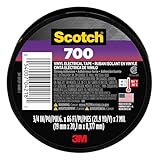
I remember last year, staring at a tangled mess of Christmas lights, one section stubbornly refusing to glow. My first thought, like yours probably is right now, was: can I use electrical tape to connect string lights? It seemed like such a quick fix, a shortcut to getting that cozy glow back. I mean, it’s tape, it’s electrical, what could go wrong? Turns out, a whole lot. That quick fix can lead to a whole lot more than just a few unlit bulbs.
So, let’s cut to the chase. While the idea is tempting, especially when you’re in a pinch and just want those twinkly lights on, there are some serious reasons why you should probably reconsider. I’ve learned this the hard way, spending more on replacements than the original lights cost.
Why Electrical Tape Isn’t Your String Light Bff
Look, I get it. You’ve got a string of lights, maybe it’s that cheap set you picked up at the discount store, or perhaps it’s a pricier set that’s seen better days.
One of the connectors has frayed, or maybe a wire just came loose. Your brain immediately goes to the roll of black electrical tape sitting in your toolbox. It’s designed for electrical stuff, right? It sticks, it insulates… bingo!
Except, it’s really not designed for the kind of continuous, often outdoor, and sometimes high-stress environment that string lights live in. Electrical tape is great for a quick, temporary fix on a low-voltage wire that you’re not going to touch or move much. Think of a loose wire inside a lamp that you’re about to take to the repair shop. For string lights, especially those that are going to be plugged in for hours on end, exposed to weather, or even just handled a bit, electrical tape is a gamble.
The adhesive on most electrical tape isn’t built for sustained exposure to heat and UV rays. Over time, it can dry out, crack, and lose its stickiness.
Then, it starts to peel away, leaving the bare wire exposed. That’s not just ugly; it’s a fire hazard waiting to happen. I once tried using it on some outdoor patio lights that were under a covered porch. Seemed safe enough.
Within two months, the tape was brittle, cracked, and looked like it had been through a war. The connections were still technically ‘connected,’ but it was a disaster waiting to happen.
Plus, electrical tape is often made of vinyl, which can become gummy or stiff depending on the temperature. If you’re in a place with hot summers, that tape could melt. If you’re using it for holiday lights in the winter, it might become so brittle that the slightest flex cracks it.
The core issue is that electrical tape offers a false sense of security. It covers the problem, but it doesn’t solve it in a way that’s reliable or safe for the long haul. You’re basically putting a Band-Aid on a problem that needs stitches, and when it comes to electricity, you really don’t want to mess around. The common advice often whispers about quick fixes, but for string lights, a proper repair or replacement is almost always the better, safer route. I’ve seen people try to get fancy with multiple layers of electrical tape, thinking more is better. It just makes a lumpy, ugly mess that’s still prone to failure.
When Convenience Trumps Caution: My Electrical Tape Fiasco
Okay, confession time. It was a few years back, the week before a big outdoor party. My beloved string lights that draped across the entire backyard suddenly went dark on one end. Panic set in.
I checked the fuses, jiggled the plugs, the whole nine yards. Then I spotted it: a tiny section of wire near one of the male connectors had snapped clean off. I was already down to my last few feet of spare lights, and the store was closed. (See Also: Can I Use Electrical Tape To Connect Wires )
I remembered having a roll of electrical tape in the garage. “It’ll be fine for one night,” I told myself, channeling my inner DIY hero. I carefully stripped the tiny ends of the broken wire, twisted them together as best I could, and then wrapped the whole mess with a generous layer of that trusty black tape. It looked… okay.
A bit bulky, but the lights flickered back to life!
The party went off without a hitch. The lights sparkled. Everyone complimented the ambiance.
I felt smug, like I’d outsmarted the system. But then, the next morning, I went to take them down and noticed a faint, acrid smell. The electrical tape had gotten surprisingly warm overnight, and the vinyl was starting to look a bit shiny and melted. One tiny section of the tape had actually started to peel away, exposing a sliver of the wire.
I shuddered to think what could have happened if that party had gone on a few hours longer, or if a sudden rain shower had hit. It was a wake-up call. That “quick fix” was a ticking time bomb.
I ended up tossing those lights, and ever since, I’ve been much more wary of using electrical tape for anything beyond a very, very temporary situation on a specific type of cord that’s not meant to be moved.
This experience taught me a valuable lesson: the perceived convenience of a quick fix often blinds you to the potential long-term risks. It’s like using duct tape to fix a leaky pipe. Sure, it might hold for a while, but you’re just delaying the inevitable and potentially making the real repair harder and more expensive down the line. For string lights, especially those that are exposed to the elements or frequently handled, a proper repair method or replacement is the only way to go. The temptation is real, but the consequences can be significant.
What to Use Instead: Real Solutions for Broken String Lights
So, if electrical tape is a no-go, what should you do when your string lights decide to quit on you? It boils down to either repairing them properly or replacing them. For minor issues, like a loose wire connection on a bulb socket or a small nick in the insulation of a wire that isn’t carrying significant voltage, there are specific repair kits designed for string lights. These often involve specialized connectors or heat-shrink tubing that creates a much more durable and weather-resistant seal than any tape could. You can usually find these at hardware stores or online retailers that specialize in lighting.
One of the most reliable methods for fixing frayed or broken wires is using heat-shrink tubing. You’ll need to strip the wires, twist them back together securely, and then slide a piece of heat-shrink tubing over the splice. When you apply heat (usually with a heat gun or even a carefully wielded lighter), the tubing shrinks down tightly, creating a solid, insulated, and waterproof seal. It looks professional and, more importantly, it’s safe. I’ve used this for repairing garden lights that had wires chewed by critters, and they’ve held up for years. It’s a bit more fiddly than wrapping with tape, but the peace of mind is worth every second.
Another option, particularly for connecting separate strands of lights or replacing a damaged connector plug, are dedicated string light splice connectors. These are designed to create a secure, weather-tight connection between wires or plugs. They often require a specific tool to crimp them securely, but they’re built for the job.
Think of it like buying the right tool for the right task. Trying to jury-rig a solution with electrical tape is like trying to hammer in a screw – it might work in a pinch, but it’s not the right tool for the job and you’re likely to damage something or end up with a weak fix. I’ve also seen people use self-fusing silicone tape, which is a step up from electrical tape as it bonds to itself, but it’s still not ideal for permanent string light repairs compared to dedicated connectors or heat-shrink. (See Also: Can Electrica Tape Catch On Fire )
String Light Repair Options Compared
| Repair Method | Pros | Cons | My Verdict |
|---|---|---|---|
| Electrical Tape | Quick, readily available. | Poor adhesion over time, degrades in weather/heat, not a permanent fix, fire risk. | Avoid. A temporary, risky “fix.” |
| Heat-Shrink Tubing | Excellent insulation, waterproof, durable, professional look. | Requires stripping wires, twisting, and heat source. Can be fiddly. | Recommended. Great for wire splices. |
| Dedicated Splice Connectors | Designed for purpose, secure, weather-tight, easy for plug replacement. | May require specific tools, less versatile for random wire breaks. | Recommended. For specific connection points. |
| Silicone Self-Fusing Tape | Bonds to itself, good temporary insulation. | Can be less durable than heat-shrink or dedicated connectors, still susceptible to UV. | Use with caution. Better than electrical tape, but not ideal. |
The Real Danger: Why Electrical Tape Fails Over Time
The biggest lie electrical tape tells you is that it’s a permanent solution. It’s not.
Its primary function is temporary insulation and protection for wires that are usually in a controlled environment and not subject to constant flexing, stretching, or weathering. Think about how string lights get used. They’re often hung outside, enduring rain, sun, wind, and temperature swings. They might get pulled taut, snagged on branches, or even stepped on (don’t ask).
Electrical tape’s adhesive is typically rubber-based or acrylic-based, and while it’s strong initially, it’s not designed to withstand UV radiation from the sun or the expansion and contraction caused by fluctuating temperatures. Over time, this leads to the tape becoming brittle, losing its tackiness, and eventually peeling away.
When the tape starts to fail, the wire connections underneath are exposed. This is where the real danger lies. Exposed wires can short-circuit, leading to sparks, overheating, and potentially a fire.
This is especially true if the lights are plugged into a power source that isn’t protected by a GFCI (Ground Fault Circuit Interrupter), which is common for older outdoor outlets. Even if they don’t cause an immediate fire, exposed wires can cause the lights to flicker erratically or fail completely, defeating the purpose of the repair.
I once saw a set of lights where the electrical tape had degraded so badly that the wires had actually corroded and turned green. It was a mess, and a clear sign that the tape had failed miserably at its job.
Furthermore, the thickness and flexibility of electrical tape can be misleading. It feels like it’s providing a solid barrier, but it’s not as solid as a purpose-built connector or heat-shrink tubing. If the wire splice itself isn’t perfectly done, or if there’s any tension on the wires, the tape can easily stretch or tear, compromising the insulation. This is why even for indoor use, where weather isn’t a factor, electrical tape is a poor choice for anything more than a very brief, temporary fix. The longevity and reliability just aren’t there. For any repair that needs to last, you need a solution that’s designed to withstand the specific stresses and environmental conditions your string lights will face.
Common String Light Mishaps and How to Actually Fix Them
Beyond just a snapped wire, string lights are prone to a few other common ailments that often tempt people towards the electrical tape solution. One of the most frequent is a loose connection at the plug end, where the wires go into the molded plastic.
If this connection frays, you’ve got exposed wires right at the point of entry to the power source. Tempting, right? Just wrap it tight with tape and you’re golden. Wrong.
That connection is carrying the full load of electricity and is also the most likely point of stress when plugging and unplugging. A proper fix involves either replacing the entire plug end with a new one (they’re sold as kits) or, if it’s a more integrated wire issue, using those heat-shrink connectors I mentioned earlier to create a solid seal around the remaining wire strands and the plug housing.
Another common problem is when a bulb socket itself gets damaged or corroded, leading to poor contact. Sometimes, you can gently clean the contacts with a wire brush or contact cleaner. But if the plastic socket is cracked or a wire has pulled loose from the terminal inside the socket, that’s a trickier fix. (See Also: Can I Substitute Duct Tape For Electrical Tape )
Again, electrical tape isn’t the answer. You might be able to carefully re-crimp the wire terminal if it’s accessible, or replace the entire socket if you can find a compatible part. However, for most consumer-grade string lights, this level of repair often becomes more effort than it’s worth.
It’s usually more practical to cut out the damaged socket and splice in a new one using heat-shrink tubing and proper wire connectors, or simply replace the entire string if it’s an older, cheaper set.
I’ve also seen people try to connect two separate strands of lights by simply twisting the wires together and wrapping them with electrical tape. This is a recipe for disaster. You’re creating a weak point that’s highly susceptible to moisture ingress and physical stress. For connecting strands, especially outdoor-rated ones, you must use the connectors they are designed for. Many string lights have male and female plugs specifically for this purpose. If these plugs are damaged, you’ll need to replace them with matching parts designed for the wire gauge and voltage of your lights. Trying to ‘make it work’ with tape is a fundamentally flawed approach that bypasses the safety features built into the lighting system.
People Also Ask: String Light Tape Edition
Can Electrical Tape Be Used for Temporary String Light Repairs?
While electrical tape can offer a very short-term, superficial fix for exposed wires on string lights, it is strongly discouraged for anything beyond a few hours and only in dry, protected conditions. The adhesive degrades quickly, it’s not weather-resistant, and it poses a significant fire risk as it fails. A proper repair method is always recommended.
What Happens If You Use Electrical Tape on String Lights Outdoors?
Using electrical tape on outdoor string lights is a bad idea. The sun’s UV rays will break down the tape, making it brittle and causing it to crack and peel. Moisture from rain or dew can seep under the tape, leading to corrosion of the wires and a potential short circuit or electrical shock. The tape will likely fail within weeks or a few months, leaving wires exposed.
Is Electrical Tape Waterproof?
No, electrical tape is generally not considered waterproof, especially for long-term immersion or continuous exposure to moisture. While it might offer some temporary resistance to light splashes, it is not designed to create a watertight seal. Water can penetrate the tape and its adhesive, compromising the insulation and leading to electrical hazards.
What Should I Use Instead of Electrical Tape for String Light Connections?
For string light connections and repairs, it’s best to use purpose-made solutions. Heat-shrink tubing applied over properly spliced wires provides excellent insulation and weather resistance. Dedicated string light splice kits or replacement plugs and sockets are also reliable options. These are designed to withstand the elements and provide safe, durable connections.
The Bottom Line on Electrical Tape and Lights
After years of tinkering with various lights and trying to save a buck, I’ve come to a firm conclusion: electrical tape is for electrical tape jobs, and string lights are not it. The temptation is strong, I know. You’re standing there with a broken string, the party’s tonight, and that roll of black tape is staring at you. But that quick fix is a gamble with your safety and potentially your home.
I’ve seen firsthand how quickly it degrades, how easily it fails, and how it can turn a simple problem into a real hazard. It’s not worth the risk. The cost of replacing a burnt-out string of lights is far less than the potential cost of a fire or an injury.
My advice, based on more than a few blown fuses and a healthy dose of embarrassment, is to steer clear. Invest in a good set of string lights and, if they break, fix them properly. That means using the right tools and materials, like heat-shrink tubing or proper splice connectors, which are readily available and not overly expensive. If the damage is too extensive, or the lights are old and cheap, it’s simply time to let them go and buy new ones. It’s the honest, safe, and ultimately most cost-effective approach in the long run. Don’t let a cheap roll of tape convince you otherwise.
Conclusion
So, to directly answer the question, can I use electrical tape to connect string lights? My honest, blunt answer is: no, you really shouldn’t. It’s a temporary measure at best, and a dangerous shortcut at worst. I’ve wasted money on replacement lights because a quick tape job failed prematurely, leading to more damage. It’s a false economy that compromises safety for a few hours of convenience.
The best approach is always to use the right tools for the job. If your string lights have a damaged connector or a frayed wire, look into proper repair kits, heat-shrink tubing, or consider replacing the damaged section with dedicated parts. If the repair seems too complex or the lights are old, it’s often safer and more economical in the long run to just buy a new set. Your safety, and the integrity of your home, are worth more than a few feet of electrical tape.