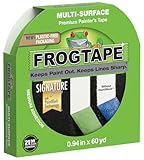
I’ve been wrestling with this question for what feels like ages, especially after a weekend project went sideways because of it. You know, the kind where you’re trying to mask off a delicate surface for painting, and the tape decides to go on a vacation of its own, peeling off and leaving sticky residue everywhere. It got me thinking, specifically about that popular blue stuff and a material I’ve been using more and more: Delrin. So, does blue painters tape stick to Delrin? The short answer, as with most things in life, is… it depends. And it’s not as simple as you might hope.
I’ve wasted my fair share of cash on tapes that promise the moon and deliver dust bunnies. So, when it comes to surfaces like Delrin, I’m always looking for the blunt truth, not some marketing fluff. This isn’t about theoretical chemistry; it’s about what actually happens when you slap some tape on and pull it off.
The Sticky Truth: Does Blue Painters Tape Stick to Delrin?
Let’s cut to the chase. Does blue painters tape stick to Delrin? Yes, it generally does. But here’s where it gets messy: how well it sticks, and more importantly, how cleanly it comes off, is a whole different ballgame. I’ve had projects where the blue tape held like a stubborn limpet, refusing to budge even when I wanted it to. Other times, it’s barely made contact, leaving me wondering if I even applied it at all. This inconsistency is what makes the question so frustrating for DIYers and hobbyists.
Delrin, also known by its chemical name acetal resin or POM (polyoxymethylene), is a fascinating material. It’s known for its high stiffness, low friction, and excellent dimensional stability. Think gears, bearings, and even some firearm components. It’s smooth, often quite slick, and doesn’t have a lot of the ‘tooth’ that surfaces like wood or raw plastic might have for adhesives to grab onto. This smoothness is key. While most standard acrylic-based adhesives used in blue painter’s tape are designed to stick to a wide variety of surfaces, the specific formulation and the surface energy of Delrin play a huge role.
My first real run-in with this was on a 3D printed part made from Delrin filament. I was painting a small accent piece and figured, “Hey, it’s Delrin, it’s pretty common.
Blue tape will be fine.” I masked it off, sprayed some primer, and let it dry. When I went to peel the tape, it tore into a million tiny pieces, leaving behind a frustratingly consistent line of adhesive residue. It wasn’t just a little bit; it was a full-on sticky mess that took me twenty minutes of careful scraping and isopropyl alcohol application to clean up.
This wasn’t just annoying; it felt like a betrayal by the tape gods. I learned then that assuming compatibility is a fool’s errand, especially with materials like Delrin.
The common advice you’ll find online often just says “blue tape is for delicate surfaces.” That’s an oversimplification. It’s designed for delicate surfaces because its adhesive is generally less aggressive than, say, duct tape or even some green or yellow painter’s tapes. But ‘less aggressive’ doesn’t mean ‘won’t damage’ or ‘will remove cleanly from everything’. It’s a spectrum, and Delrin often falls on the side where the adhesive can bond a bit too well, or conversely, not well enough to stay put during application.
What you’re looking for in a tape for Delrin, or any smooth plastic, is an adhesive that provides enough tack for the initial application and holds during your process (whether that’s painting, sanding, or masking) without leaving behind a gummy residue or, worse, damaging the underlying surface. For Delrin, you’ll often find that standard blue painter’s tape, especially the cheaper varieties, can be problematic. They might stick initially, but the long-term hold or clean removal is where they often fail. This leads many people to ask if there are better options, or if there’s a specific type of blue tape that works. The answer is nuanced, but generally, you might need to temper your expectations for standard blue tape on Delrin.
What to Look for (and What to Avoid)
When you’re staring down a project involving Delrin and tape, the first thing you need to understand is that not all blue painter’s tapes are created equal. They might look the same, come in the same little orange dispenser, but the adhesive formulations can vary wildly. This is where the real difference lies, and it’s why my experience has been so inconsistent. You’ve got everything from bargain-bin tapes that feel almost like masking tape to higher-end ones specifically marketed for their clean removal properties and ability to adhere to tricky surfaces.
The adhesive in most blue painter’s tape is a low-tack acrylic. Acrylics are generally good for low-surface-energy plastics, which Delrin technically is. However, the amount of tack and the nature of the bond formed is the important factor. Cheaper tapes often use a more aggressive adhesive to make sure some adhesion, which can then lead to residue on Delrin. Conversely, some premium tapes might use a very mild adhesive that struggles to get a good grip on the slick surface of Delrin, leading to lifting or peeling during use. It’s a delicate balance, and frankly, it often feels like a gamble.
A key indicator is often the tape’s backing. Standard blue painter’s tape usually has a crepe paper backing. This allows it to conform to curves, which is great. But the paper itself can sometimes absorb moisture or solvents, potentially affecting the adhesive or the surface it’s stuck to. Some higher-end tapes might use a slightly different backing material, sometimes a vinyl or a specialized paper, that offers better solvent resistance or a more consistent adhesive layer. However, these are rarely labeled as ‘blue tape’ and often fall into categories like ‘delicate surface tape’ or ‘specialty masking tape,’ which might not be blue.
What you absolutely want to avoid is anything labeled ‘heavy duty,’ ‘long-lasting bond,’ or anything that feels excessively sticky when you touch the adhesive side. These are almost certainly going to leave a residue on Delrin, or worse, pull off a thin layer of the material itself if it’s a painted or coated Delrin. I learned this the hard way on a custom rifle build. I used a tape that felt really sticky, thinking it would create a super sharp paint line on some custom Delrin grips.
Big mistake. The tape held so well that when I pulled it off, it left little divots along the edge where the adhesive had basically bonded too strongly. It looked like I’d gnawed at the edges with my teeth. That took hours to fix.
So, while you might think ‘more sticky equals better,’ it’s the opposite when dealing with materials like Delrin where you want a clean release.
If you’re really stuck on using a blue tape for Delrin, I’d recommend looking for brands known for their premium quality and specifically highlighting their ability to remove cleanly from even sensitive surfaces. Even then, a test patch is your best friend. Apply a small piece of tape to an inconspicuous area, let it sit for the duration of your project (or longer, to simulate a worst-case scenario), and then remove it. (See Also: Does Painters Tape Pull Off Paint )
If it comes off cleanly and without damage, you’ve found your winner. If not, you’ll know to look elsewhere. My personal preference leans towards tapes that are explicitly designed for model making or electronics, as they often have milder adhesives and are built for precision without leaving a mess.
When Blue Tape Fails: Better Alternatives
So, we’ve established that standard blue painter’s tape can be a gamble on Delrin. What do you do when it inevitably lets you down, or you just don’t want to risk the frustration? This is where you start looking at the specialized stuff, and honestly, it’s usually worth the extra few bucks. For smooth, low-surface-energy plastics like Delrin, you need an adhesive that strikes a very specific balance: enough tack to stay put, but an incredibly clean release. Forget the generic advice; it’s time for targeted solutions.
One of the best classes of tapes to consider are those designed for automotive detailing or pinstriping. These tapes are engineered for incredibly sharp lines on painted surfaces that are often quite smooth. They have a very specific adhesive that’s designed to conform, hold firm during spraying and drying, and then release cleanly without damaging the paint or leaving any ghosting or residue.
Brands like 3M (especially their line of vinyl trim tapes or delicate surface tapes, though not always blue) often have options that work exceptionally well. You might not get the classic blue color, but you’ll get the performance you need. These tapes often have a slightly different feel – sometimes a bit more plastic-like or vinyl-like in their backing rather than paper.
Another category to explore is model-making tape or hobby tape. These come in various widths, often in black or sometimes a dark green, and are specifically designed for masking small, intricate parts. The adhesives are typically very mild, designed to avoid damaging delicate plastic models, vinyl, or painted surfaces. While they might not have the brute strength for long-term outdoor applications, for indoor projects or temporary masking of Delrin, they can be fantastic. I’ve used some thin black hobby tapes on Delrin parts for airbrushing intricate patterns, and they’ve provided razor-sharp lines with zero residue. They cost more per roll, but the precision and lack of cleanup make them a lifesaver.
For situations where you absolutely need the tape to stay put and you’re less concerned about residue (perhaps you’re priming a large surface and plan to sand it anyway), you could consider a specialized green masking tape. These typically have a stronger adhesive than blue tape. However, this is where you tread carefully. A stronger adhesive means a higher risk of residue or even surface damage on Delrin. Always, always test these first. I once used a green tape on a Delrin prototype for a CNC project, and while it held through the machining process, removing it felt like peeling dried glue off the surface. It took hours to get clean, and I was genuinely worried I’d damaged the part.
A less common but sometimes effective approach is using a release agent before applying the tape. For certain applications, a very light mist of a mold release spray or even a bit of furniture polish (like Pledge, but test this cautiously!)
on the Delrin surface can create a barrier. Then, you apply your blue tape. The idea is that the release agent interferes with the tape’s adhesive bonding directly to the Delrin, allowing for a cleaner peel.
This is highly experimental and depends on the specific tape adhesive and the release agent. It’s definitely not a mainstream recommendation, but in a pinch, for a one-off project, it’s something to consider.
Just make sure the release agent is compatible with whatever you plan to do after removing the tape – you don’t want it interfering with paint adhesion or glue.
| Tape Type | Adhesive Strength | Delrin Compatibility Verdict | Best For |
|---|---|---|---|
| Standard Blue Painter’s Tape | Low to Medium | Hit or Miss (often problematic) | Light masking, short-term use on non-important areas. Test thoroughly. |
| Premium Blue Painter’s Tape (e.g., Delicate Surface) | Low | Better, but still requires testing | When blue is a must, and clean removal is most important. |
| Automotive Pinstriping/Detailing Tape | Low to Medium (specialized) | Excellent (often) | Sharp lines, smooth surfaces, clean release. |
| Hobby/Model Making Tape | Very Low | Excellent | Intricate masking, delicate parts, minimal residue. |
| Standard Green Painter’s Tape | Medium to High | Risky (high residue potential) | Rougher surfaces, temporary holding where residue isn’t a major issue. |
The Science (or Lack Thereof) Behind the Stick
Let’s get a little bit into the weeds, but not too deep, because honestly, the adhesive science behind tapes is proprietary and often a black box. When we talk about does blue painters tape stick to Delrin, we’re really talking about the interaction between the adhesive on the tape and the surface properties of Delrin. It’s a dance between molecular attraction and surface energy.
Delrin (POM) is considered a low-surface-energy plastic. Think of surface energy like how ‘willing’ a surface is to have other things stick to it. High-energy surfaces, like glass or metals, readily attract adhesives. Low-energy surfaces, like many plastics including Delrin, polypropylene, and polyethylene, are more resistant. Adhesives have to work harder to form a strong bond with them. Standard blue painter’s tape, while designed for broad compatibility, uses an adhesive that might not be formulated to overcome Delrin’s low surface energy effectively for a clean, long-lasting, and residue-free bond.
The adhesive in most blue tapes is a pressure-sensitive adhesive (PSA). This means it forms a bond when pressure is applied. It’s not designed to cure or harden. The bond is primarily physical – tiny molecules of the adhesive flow into the microscopic irregularities of the surface and create van der Waals forces (weak intermolecular attractions). On a super smooth surface like Delrin, there are fewer irregularities for the adhesive to grip. This is why sometimes the tape looks like it’s stuck, but it can be easily lifted.
However, here’s the counter-intuitive part: sometimes, that low surface energy can also mean the adhesive bonds too well to the Delrin without truly wetting out the surface. Instead of forming a strong, interlocking bond, the adhesive can form a weaker, more superficial bond that, over time or under stress, can break down. This can lead to the adhesive staying stuck to the Delrin rather than releasing cleanly with the tape. It’s like trying to stick a piece of saran wrap to a wet surface; it might seem stuck for a moment, but the water prevents a true bond.
The ‘clean removal’ aspect of blue painter’s tape is often achieved through a balance of tack (initial stickiness) and shear strength (resistance to sliding). A good tape for delicate surfaces will have high shear strength relative to its tack. This means it wants to stick to itself more than to the surface it’s applied to. When you pull it off, the shear forces allow the tape to peel away cleanly without leaving behind strings or goo. On Delrin, this balance can be thrown off. If the tack is too high, it pulls too strongly. If the shear strength is low, it might split or tear, leaving adhesive behind. (See Also: Does Painters Tape Rip Paint Off Walls )
My own experience reinforces this. I’ve found that tapes with a slightly more ‘rubbery’ or ‘gummy’ feel to the adhesive, even if it’s low-tack, tend to perform better on Delrin than those that feel sharp or crystalline. This is anecdotal, of course, but it suggests that the viscoelastic properties of the adhesive – how it flows and resists deformation – play a massive role. The common advice to just use ‘blue tape’ is misleading because it ignores the complex interplay between the adhesive formulation and the specific material properties of Delrin. You really need to consider the type of blue tape and perform testing.
Common Mistakes and How to Avoid Them
When I see people struggling with tape on Delrin, it’s usually down to a few classic blunders. These aren’t complex technical errors; they’re the kinds of mistakes that happen when you assume things will work as they ‘should’ without verifying. Knowing these pitfalls can save you a massive headache and a lot of wasted time trying to clean up a sticky mess.
The most common mistake, and the one I fell for repeatedly, is using the cheapest blue painter’s tape you can find. You know the stuff – the rolls that are almost always on sale, the ones with no brand name you recognize. These are manufactured to a price point, and that usually means a more aggressive, less refined adhesive. They are designed to stick to something, and they often achieve that by being generally tacky. On smooth Delrin, this can translate into a residue nightmare. My rule of thumb now: if it’s suspiciously cheap, it’s probably not suitable for delicate or tricky surfaces like Delrin. Invest in a reputable brand, even if it’s still blue tape.
Another frequent error is not testing the tape. Seriously, this is the golden rule. Before you mask off your entire project piece, grab a scrap piece of Delrin, or an inconspicuous area of your actual project, and apply a strip of your chosen tape. Let it sit there.
Mimic the conditions of your project – temperature, humidity, duration. If your project involves painting, do the painting step on the test strip.
Then, remove the tape. Does it peel off cleanly?
Does it leave any residue? Does it lift the paint you just applied? If you skip this, you’re basically doing a blind experiment on your actual work. I once spent an entire afternoon masking a complex part, only to find that the tape I’d chosen had lifted the primer in several spots when removed.
Hours of work, ruined by skipping a five-minute test.
People also often apply tape incorrectly. They’ll stretch it too tightly, or press it down too hard in certain areas. With Delrin, over-pressing can sometimes force the adhesive into microscopic pores or create a stronger initial bond that’s harder to break cleanly. Conversely, not applying enough pressure means the tape won’t adhere well in the first place, leading to bleed-through or lifting during your process. The key is to apply firm, even pressure, making sure the tape conforms to the surface without excessive stretching, especially if it’s a paper-backed tape that can tear or distort.
Finally, one of the subtler mistakes is forgetting about the environment. If you’re working in a very humid or very hot environment, the adhesive properties of the tape can change. High humidity can sometimes weaken the bond, while high heat can make the adhesive gooier, increasing the likelihood of residue. Conversely, very cold temperatures can make the adhesive brittle, potentially causing it to crack or lose its stickiness.
While you can’t always control your environment, being aware of it can help you understand why a tape might be behaving unexpectedly. Always try to work in moderate conditions if possible, and adjust your tape choice and application accordingly. This includes considering how long the tape will be on the surface; a tape that works for an hour might fail after a day.
Practical Tips for Taping Delrin
Alright, let’s talk practicalities. You’ve got your Delrin piece, you need to tape it. Based on my years of wrestling with this stuff, here are a few concrete tips that have saved my bacon more times than I can count. These aren’t revolutionary, but they’re based on real-world experience, not just what the packaging says.
Tip 1: Always Start with a Clean Surface. This sounds obvious, but it’s most important. Before you even unroll your tape, make sure the Delrin surface is free of dust, oils, fingerprints, or any other contaminants. A quick wipe-down with isopropyl alcohol (IPA) is usually sufficient for most common shop grime. Make sure the IPA has fully evaporated before applying the tape. Even a small bit of oil from your fingertips can prevent the tape from adhering properly or, paradoxically, create a weak spot that allows residue to form later. Think of it like trying to glue something onto a greasy plate; it’s not going to hold.
Tip 2: Apply Tape in Sections, Not One Long Strip (When Possible). For curved or complex shapes, trying to apply a single, long strip of tape can lead to tension and distortion, especially with paper-backed tapes. Break down your masking area into smaller, manageable sections. Apply each section with light pressure, making sure it lies flat and conforms to the shape. This gives you more control and reduces the chance of accidentally stretching the tape, which can lead to lifting or uneven adhesion. For straight edges, a single strip is fine, but for anything with a curve, think in smaller pieces.
Tip 3: Use a Gentle Heat Source (Carefully!). This is a double-edged sword, but sometimes a very light application of heat can help the adhesive form a better bond with the Delrin surface and also make it more pliable for conforming to shapes. A hairdryer on a low setting, held at a distance, can be used for a few seconds. The goal isn’t to melt the tape or the Delrin, but to slightly soften the adhesive for better initial tack. However, excessive heat can also make the adhesive ooze and become more prone to leaving residue. (See Also: Does Masking Tape Work The Same As Painters Tape )
This is an advanced technique and should be tested thoroughly on scrap material first. I’ve done this with automotive detailing tapes with great success, but it requires finesse.
Tip 4: Removal Technique Matters. When it’s time to peel, don’t just rip it off quickly. Pull the tape back on itself at a low angle (close to 180 degrees, pulling it back over itself, rather than pulling straight up at 90 degrees).
Pull slowly and steadily. This angle and speed help maintain the correct shear forces for a clean removal.
If you pull too fast or at a high angle, you increase the risk of the tape tearing or leaving adhesive behind. Listen to the sound; a gentle peeling sound is good, a ripping or tearing sound means you might be doing it wrong.
If you feel significant resistance, stop, reassess, and try a different angle or a slower pace.
Tip 5: Clean Up Immediately. If, despite your best efforts, you do end up with a bit of adhesive residue, clean it up as soon as possible. Don’t let it sit there and cure further or attract dust. Isopropyl alcohol (IPA) is your best friend here, but sometimes a dedicated adhesive remover (like Goo Gone, but test it first on an inconspicuous area of the Delrin to make sure it doesn’t damage the material) can be effective. Use a soft cloth and gentle motions to avoid scratching the Delrin. The longer residue sits, the harder it is to remove cleanly.
Does Blue Painters Tape Leave Residue on Delrin?
Yes, it absolutely can, and often does. While blue painter’s tape is designed for delicate surfaces, Delrin’s low surface energy and smooth finish can cause the adhesive to bond too strongly or inconsistently, leading to sticky residue upon removal. Cheaper brands are more prone to this issue than premium ones.
What Kind of Tape Is Best for Delrin?
The best tapes for Delrin are typically specialized ones like automotive detailing tapes, pinstriping tapes, or high-quality hobby/model-making tapes. These are formulated for clean removal from smooth, low-surface-energy materials and are less likely to leave residue or damage the surface.
Can I Use Regular Masking Tape on Delrin?
Regular brown masking tape is generally not recommended for Delrin. Its adhesive is often stronger and less refined than blue painter’s tape, making it much more likely to leave stubborn residue or even damage the Delrin surface upon removal. Always test any tape on a scrap piece first.
How Do I Remove Tape Residue From Delrin?
Isopropyl alcohol (IPA) is usually the first and best option for removing tape residue from Delrin. Apply it to a soft cloth and gently rub the affected area. For tougher residue, a specialized adhesive remover can be used, but always test it on an inconspicuous spot first to make sure it doesn’t damage the Delrin itself.
Should I Test Blue Painters Tape on Delrin Before Using It?
Absolutely, yes. This is the most important step. Apply a piece of the blue painter’s tape to an inconspicuous area of your Delrin project, leave it on for the expected duration of your masking job (or longer), and then remove it. This test will reveal whether the tape will stick cleanly, leave residue, or potentially damage the surface, saving you from costly mistakes on your main project.
A Final Word on the Blue Tape Gamble
So, after all this, does blue painters tape stick to Delrin? The short, frustrating answer is: sometimes, sort of, but usually not perfectly. I’ve learned to approach it with extreme caution. While the idea of a universally safe blue tape is appealing, the reality is far more nuanced. Delrin is a smooth customer, and not all adhesives play nicely with its slick demeanor. My advice is to treat standard blue painter’s tape as a potential problem waiting to happen on Delrin and always have a backup plan.
If you absolutely must use blue tape, opt for the premium stuff and perform a thorough test patch. Better yet, invest in tapes specifically designed for delicate surfaces, detailing, or model making. They might not be blue, but they’ll likely save you a significant amount of grief, time, and cleanup effort. Because at the end of the day, a clean finish is what we’re all after, and that usually means choosing the right tool for the job, even if it means looking beyond the obvious blue roll.
Conclusion
Ultimately, the question of does blue painters tape stick to Delrin is less about a simple yes or no, and more about understanding the variables involved. My experience has taught me that while blue tape can adhere, the clean removal is where the real gamble lies. For important projects, I’ve largely moved away from relying on standard blue tape for Delrin.
If you’re embarking on a project with Delrin, I’d strongly suggest you heed the lessons learned the hard way. Always test your tape, consider the environment, and be prepared to switch to a specialized tape if the blue stuff proves too unreliable. Your patience and the integrity of your project will thank you for it.
What’s your go-to tape for smooth plastics like Delrin? I’m always curious to hear what works for others in the trenches.