I remember the first time I tried to paint a crisp accent wall in my old apartment. Humidity was through the roof that July. I slapped on what I thought was good quality painter’s tape, feeling pretty smug about my DIY prowess. Fast forward 24 hours to the reveal, and it looked like a toddler had attacked the wall with a crayon. Bleed-through everywhere. It made me wonder, does humidity harm painters tape? I’ve learned a lot since then, mostly by wasting money and getting paint on places it shouldn’t be.
It’s not just about the tape itself, but how the environment messes with its stickiness and seal. High humidity can turn your carefully planned lines into a wavy, messy disaster. So, let’s cut to the chase: humidity absolutely can mess with your painter’s tape, and here’s what I’ve found out the hard way.
The Sticky Truth: How Humidity Messes with Tape
Alright, let’s talk about why high humidity is the sworn enemy of a clean paint line. It boils down to the adhesive on the tape and the surface you’re sticking it to. Most painter’s tapes use a pressure-sensitive adhesive (PSA) – sounds fancy, but it just means it sticks when you press it down. Humidity, especially high humidity, puts moisture in the air. This moisture can get between the tape’s adhesive and the surface you’re trying to tape off.
Think of it like trying to stick a wet sticker onto a damp surface. It just doesn’t grab the same way. The moisture can actually weaken the adhesive’s bond. Instead of creating a tight seal that prevents paint from seeping underneath, the tape starts to lose its grip. This is the primary way humidity harms painters tape. The tape might feel like it’s sticking initially, but that bond is compromised. When you apply paint, especially if it’s a thinner latex or a darker color that shows every little flaw, that weakened bond is no match for the liquid trying to get behind it.
Furthermore, humidity can affect the tape material itself. Some tapes are paper-based.
If that paper gets damp, it can expand slightly, or lose its structural integrity. This can lead to the tape stretching or becoming less formable, making it harder to get those perfectly straight lines. You end up with little gaps and imperfections that paint just loves to find.
I once tried to tape off baseboards in a basement that felt like a tropical rainforest after a minor leak. The tape, which I’d used successfully a hundred times before, felt soggy and wouldn’t conform to the corners. It was a mess, and the paint lines were horrendous. About $50 worth of tape and paint later, I learned my lesson: dry air is your friend.
The temperature plays a role here too. Warm, humid air is particularly sneaky. It can lead to condensation forming on surfaces, which is a double whammy – you’ve got moisture on the surface and in the air. This is why taping off in a bathroom or kitchen right after someone’s taken a long, hot shower is a recipe for disaster. The tape might seem to stick initially, but the increased molecular activity in warmer, moist air means the adhesive is less stable and more prone to lifting or allowing seepage.
What to Look for (and Avoid) in Humid Conditions
So, if you’re stuck painting in less-than-ideal humidity, what’s the game plan? First off, you need to understand that not all painter’s tapes are created equal, especially when humidity is a factor. Forget that super cheap, generic blue tape you find at the discount store. That stuff is usually designed for quick, low-stakes jobs where a little bleed-through isn’t the end of the world. When humidity is high, you need tape that’s built for a superior seal.
Look for tapes that explicitly mention ‘clean removal’ or ‘delicate surfaces.’ These often have a lower tack adhesive, but more importantly, they are engineered to create a better seal.
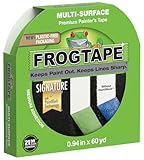
Brands like 3M’s blue delicate surface tape or FrogTape (especially their multi-surface or delicate surface versions) tend to perform better because they’re designed to prevent paint seepage. FrogTape, in particular, has a ‘PaintBlock’ technology that uses a superabsorbent polymer. When paint hits the edge of the tape, this polymer actually expands and creates a micro-barrier, which is a godsend in humid conditions where a perfect seal is harder to achieve. I used FrogTape for the first time on a humid exterior job, and the difference was night and day compared to my old go-to blue tape. (See Also: Does Painters Tape Pull Off Paint )
The lines were sharp, even with a slight breeze blowing dust around.
On the flip side, avoid anything that feels overly sticky or has a very thick, almost waxy adhesive. While this might seem like it would create a better seal, it can sometimes be more susceptible to moisture interference.
Also, be wary of tapes that are very thin and flimsy. They’re harder to apply without wrinkles, and those wrinkles are entry points for paint. For really tricky areas or where you suspect significant moisture, consider using a liquid masking product or a higher-quality masking film over the tape.
It adds an extra layer of protection. The key is to find tape that is designed to actively combat seepage, not just rely on passive adhesion. It’s about having a tape that works with the environment, or at least fights against its negative effects.
Here’s a little rundown of what I look for when humidity is a concern:
| Tape Type | Humidity Performance Verdict | Why |
|---|---|---|
| Generic Blue Tape | Poor | Adhesive is weak and easily compromised by moisture. Paper can absorb moisture. |
| 3M Blue (Standard) | Fair | Better adhesive than generic, but can still be susceptible. |
| 3M Blue Delicate Surface | Good | Designed for better seal and cleaner removal, handles moisture better. |
| FrogTape Multi-Surface | Very Good | PaintBlock technology actively seals edges, excellent for humid conditions. |
| FrogTape Delicate Surface | Excellent | Same PaintBlock tech, but with lower tack for sensitive surfaces, still resists humidity well. |
| Green/Purple Exterior Tape | Good | Often designed for harsher conditions, can sometimes be too sticky indoors but good for exterior humid jobs. |
My personal go-to for almost any indoor job where humidity might be an issue is FrogTape Multi-Surface. It’s a bit pricier, yeah, but the time saved on cleanup and the frustration avoided? Worth every penny.
Common Mistakes That Make Humidity Worse
You’d think taping off would be straightforward, right? Slap it on, paint, peel it off. But oh, the rookie mistakes I’ve made, especially when the air feels like a sauna. The most common one? Applying the tape when the surface is still damp or has residual moisture. Seriously, if you just painted a coat of primer and it’s not bone dry, don’t tape over it. Wait. I learned this the hard way when taping off trim after priming a bathroom. The primer, while dry to the touch, still had some moisture in it. The tape didn’t adhere properly, and when I painted, it lifted the primer in places. Ugh. Patience is a virtue, especially with humidity.
Another big mistake is not pressing the tape down firmly enough. Everyone says ‘burnish the edges,’ and they’re right. But you need to do it properly. Use a putty knife, a credit card, or even your fingernail (carefully!) to press down the entire length of the tape, especially the edges. When humidity is high, that seal is even more important, and a loose edge is an open invitation for paint to sneak in. I once saw a buddy just kind of finger-press his tape on, and his lines looked like abstract art. I gently suggested he try a little more pressure, and his next wall was perfect. He was actually shocked.
Rushing the removal process is another classic error. People get excited to see the finished product and yank the tape off too soon.
If it’s humid, the paint might not be curing as quickly as it would in dry air. Removing the tape while the paint is still wet or even slightly tacky is a recipe for peeling, chipping, and those hideous jagged lines. The official advice is usually to remove the tape while the paint is still wet, but in high humidity, I tend to let it dry for at least 24 hours. It feels counterintuitive, but I’ve found it gives the paint a better chance to harden up properly and not lift with the tape. (See Also: Does Painters Tape Rip Paint Off Walls )
It’s a gamble, sure, but it’s saved me more times than I can count.
Also, don’t assume that because you’re painting an interior wall, humidity isn’t a factor. Even in a sealed house, a humid summer day or a steamy bathroom can create localized high humidity pockets. Ignoring it because it’s ‘just inside’ is a mistake. You need to be just as mindful, if not more so, because you can’t easily ventilate the area as you might outside. I’ve seen paint jobs ruined by humidity trapped in a small, windowless powder room. It’s the little things that kill a paint job, and humidity is one of the biggies.
Real-World Use: My Humidity Painting Stories
Let me tell you about the time I painted my daughter’s nursery. It was late August, and the air outside was thick enough to swim through. My wife was insistent on a very specific, light grey accent wall with crisp white trim. We did all the prep: cleaned the walls, sanded, primed. Then came the tape. I used my usual go-to, a decent quality blue tape, and applied it meticulously. I thought I’d done a bang-up job. We painted the grey. It looked great.
The next morning, the moment of truth. We pulled the tape. Oh. My. Goodness. It was a disaster. The grey had seeped under the tape onto the white trim in dozens of places. Not just little wisps, but noticeable rivers of grey. The humidity had completely compromised the seal. I had spent hours taping, and now I had hours of touch-up work ahead of me. It was soul-crushing. That’s when I really started looking into what tape worked best when moisture was involved. I ended up buying FrogTape for the redo, and the difference was astounding. The lines were perfectly sharp, even though the ambient humidity hadn’t changed one bit.
Another time, I was helping a friend paint his kitchen cabinets. It was a damp, drizzly day.
We were taping off the glass panes in the cabinet doors. The glass itself was cool, and the air was muggy.
The standard blue tape just wouldn’t stick well to the edges of the glass. It kept lifting. We tried warming the tape, pressing harder, nothing seemed to work for long. Eventually, we had to resort to using a very fine brush and painting the edges freehand, which took ages and wasn’t as clean as we wanted.
If we’d had some painter’s tape specifically designed for glass or delicate surfaces, or even a masking film, it would have been a much smoother process. This experience cemented my belief that the type of tape matters tremendously, and in humid conditions, it matters even more.
I’ve also learned that trying to tape over painted surfaces that haven’t fully cured is a gamble, especially in humidity. Paint needs to breathe and cure properly, and humidity slows down that process. If the paint underneath is still a bit soft or flexible, the tape can pull it away when you remove it, creating those awful jagged edges. It’s like pulling a band-aid off too early. The key takeaway from all my mishaps is that you can’t just assume any tape will work in any condition. You have to consider the environment. For years, I just grabbed whatever was cheapest, and it cost me more in time and frustration than any premium tape ever would have.
Practical Tips for Painting in Humidity
Alright, enough with the horror stories. Let’s talk about how to actually get a good paint job done when the air feels like a wet blanket. First and foremost, control your environment if you possibly can. If you’re painting indoors, use a dehumidifier. Run it for a few hours before you start taping and painting, and keep it running while you work if it’s not too noisy or disruptive. This will lower the moisture content in the air and on your surfaces, making the tape adhere much better. I’ve noticed a huge difference in how the tape sticks and how clean the lines are when I’ve taken the time to dehumidify the room. (See Also: Does Masking Tape Work The Same As Painters Tape )
Ventilation is your friend, but be smart about it. Open windows and doors to get airflow, but if it’s extremely humid outside, you might be letting more moisture in. If you can, use fans to circulate air within the room. Cross-ventilation, with fans pointing out windows, can help move the moist air out. If you’re painting a bathroom or kitchen, run the exhaust fan continuously during and after painting. Good airflow helps the paint dry and cure faster, and it can help dissipate some of that ambient humidity. I always run my ceiling fan on low when I’m painting, even if the windows are open.
When applying tape, make sure the surface is as dry as possible. I know I’ve hammered this point home, but it’s worth repeating. If you’ve just painted a layer of primer or paint, wait for it to cure thoroughly. Don’t rush it. If you’re unsure, use a moisture meter if you have one, or just err on the side of caution and wait longer than you think you need to. A little extra waiting time is far better than having to fix bleeding or peeling paint. I’ve learned to accept that painting projects often take longer than I initially budget for, especially when I factor in drying and curing times in less-than-ideal conditions.
Finally, consider using painter’s tape that has specific humidity-fighting properties, like FrogTape’s PaintBlock technology. It’s not just marketing fluff; I’ve seen it work. For really important lines or delicate surfaces, masking film or liquid mask can be a lifesaver. These offer a much more solid barrier against paint seepage. It adds a step, but if you want those razor-sharp lines, especially in humid conditions, it’s often worth the extra effort. Don’t be afraid to combine tape with other masking materials for maximum protection. It might seem like overkill, but when humidity is high, it’s better to be safe than sorry.
Faq: Your Humidity and Painter’s Tape Questions Answered
Will Humidity Make Painter’s Tape Fall Off?
Yes, high humidity can weaken the adhesive on painter’s tape. Moisture in the air can get between the tape and the surface, preventing a strong bond. This can cause the tape to lose its grip and potentially fall off, or worse, allow paint to seep underneath before it fully detaches.
Is It Bad to Paint When It’s Humid?
Generally, yes, it’s not ideal to paint when it’s very humid. High humidity can slow down paint drying and curing times, compromise the adhesion of painter’s tape, and potentially lead to issues like blistering or peeling. For best results, aim for moderate temperatures and low humidity.
Can I Use Painter’s Tape in a Humid Bathroom?
You can, but you need to be extra careful and use the right tape. Make sure all surfaces are completely dry and consider using a high-quality painter’s tape with seepage-blocking technology, like FrogTape. Allow paint to dry for at least 24 hours before removing the tape to minimize lifting issues.
Does Moisture on the Wall Affect Painter’s Tape?
Absolutely. If there’s moisture on the wall itself (from recent washing, condensation, or high ambient humidity), the painter’s tape will not adhere properly. This creates gaps and leads to paint bleeding under the tape, ruining your clean lines. Always make sure surfaces are completely dry before applying tape.
Conclusion
So, does humidity harm painters tape? The short answer, based on my many paint-splattered experiences, is a resounding ‘yes.’ It weakens the adhesive, compromises the seal, and can turn a simple painting job into a touch-up nightmare. Ignoring the humidity is like inviting paint bleed-through to your party.
My advice? Invest in good quality tape designed for better sealing, manage your environment by using dehumidifiers and fans when possible, and for goodness sake, make sure your surfaces are bone dry before you even think about applying that tape. If it feels damp, wait. It’s the simplest, yet most overlooked, step that will save you hours of frustration.
Next time you’re staring down a humid day and a painting project, remember these lessons. Your walls (and your sanity) will thank you. Now go forth and paint, but do it smartly.