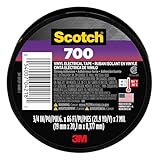
The other day, I was wrestling with a stubborn extension cord that had seen better days. A little frayed, nothing major, but enough to make me pause. My toolbox is usually a well-stocked disaster zone, but in that moment, all I could find was a roll of that classic silver stuff. Immediately, the question popped into my head: can duct tape be substituted for electrical tape in a pinch? It’s a question many of us have probably asked ourselves while staring at a frayed wire and a roll of what seems like universally strong tape.
Honestly, my gut reaction was ‘hell no’. Electrical tape is designed for a reason, and duct tape is… well, duct tape. It sticks to everything, looks like a mess, and usually leaves a sticky residue. But the cord was bothering me, and the alternative was either waiting until the store opened or just leaving it. So, I took a gamble.
Why You’re Even Asking: The Duct Tape Dream vs. Reality
Look, I get it. Duct tape is the Swiss Army knife of adhesives. It can patch a leaky pipe, hold a broken car bumper together (temporarily, mind you), secure a shipping box like Fort Knox, and probably even fashion a makeshift parachute if you’re feeling particularly adventurous. Its ubiquity and sheer tenacity make it the go-to for a million quick fixes. So, when you’ve got a minor electrical issue – a slightly exposed wire, a loose connection on a low-voltage gadget – your brain, conditioned by years of duct tape miracles, naturally drifts to that familiar silver roll.
The common advice, the gospel according to anyone who’s ever plugged something in, is a resounding ‘NO’. And for good reason. Electrical tape is engineered. It’s made from vinyl, which is a non-conductive, stretchy material that can conform to irregular shapes.
It’s designed to withstand specific voltage ratings, resist abrasion, and importantly, stay put without melting or degrading when exposed to heat or electrical current. Duct tape, on the other hand, is basically a woven fabric mesh laminated with polyethylene and a strong adhesive. That fabric mesh? Yeah, that’s conductive.
The adhesive can get gummy and melt under heat. It’s built for brute strength and weather resistance, not for insulating delicate electrical components.
I learned this the hard way after trying to wrap a frayed garden hose that had a few wires running through it with duct tape. Within a month, during a particularly hot July, the tape started to ooze, and the exposed wire shorted out, frying a nearby light.
But here’s where I’ll give you a little contrarian viewpoint: is it never okay? Well, it depends on what you mean by ‘electrical tape’ and what you’re taping. If we’re talking about a serious mains voltage wire that could zap you into next week, then absolutely not. But for low-voltage stuff, like a speaker wire that’s got a tiny nick, or a garden fairy light strand? Maybe, just maybe, in a desperate, ‘hold-on-a-second’ kind of situation. You’re still playing with fire, though. The big difference is that electrical tape is designed to be an insulator, whereas duct tape is designed to be a powerful adhesive that also happens to offer some basic weather protection. They have fundamentally different jobs.
The Nitty-Gritty: What Electrical Tape Actually Does (and Duct Tape Doesn’t)
Let’s break down why electrical tape is the preferred choice for electrical work, even the DIY kind. First off, it’s all about the material. Most good electrical tape is made from PVC (polyvinyl chloride). This stuff is non-conductive, meaning electricity won’t easily flow through it. It’s also stretchy, which is a huge advantage. You can wrap it around wires and connections, and it will conform to the shape, creating a snug, protective layer. This elasticity helps prevent it from peeling off or cracking over time, especially as things heat up and cool down.
Think about the environment electrical tape works in. Wires can get warm, sometimes quite warm. Electrical tape is rated to handle a certain temperature range without melting or degrading. (See Also: Can I Use Electrical Tape To Connect Wires )
This is important. If your tape melts, it’s no longer insulating, and you’ve basically created a bigger problem. Duct tape?
Not so much. While some modern duct tapes are better than the old stuff, they’re still fundamentally a fabric with an adhesive.
That fabric can absorb moisture, and the adhesive can break down under sustained heat, becoming gooey and useless. I once tried using duct tape on a power strip that was getting a bit warm behind the TV. Within a week, the tape was visibly sagging, and the adhesive was oozing out. It looked like a melted cheese sculpture and offered zero insulation.
I had to peel the sticky mess off and use proper electrical tape, which, thankfully, did the job without turning into a modern art installation.
Beyond insulation and heat resistance, electrical tape also offers a good degree of abrasion resistance. Wires can rub against things, and you want a tape that can withstand that. Electrical tape is designed to resist cuts and scrapes. Duct tape, with its fabric backing, can fray or tear more easily when subjected to abrasion, potentially exposing the wire underneath. And let’s not forget about voltage rating. Electrical tape is specifically tested and rated for the voltage it can safely insulate. Duct tape has no such rating. It’s a gamble, and when it comes to electricity, gambles can have serious consequences, from minor shocks to fires.
My Own Stupidity: A Time I Found Out the Hard Way
Okay, so this one still makes me cringe. It was a few years back, and I was trying to fix a lamp that had a frayed cord near the plug. You know, the kind where the outer plastic is starting to split, and you can see the little metal strands underneath.
My go-to electrical tape was nowhere to be found, probably buried under a pile of project scraps. In my infinite wisdom and impatience, I grabbed the roll of heavy-duty silver duct tape.
‘It’s just a lamp,’ I thought. ‘Low voltage, right? It’ll hold.’
So, I wrapped it up, nice and tight. It looked… well, it looked like a lamp cord wrapped in duct tape. Not pretty, but it seemed secure. (See Also: Can Electrica Tape Catch On Fire )
For about three weeks, it worked perfectly. The lamp turned on and off without a hitch. I was smug, thinking about how resourceful I was. Then came the day I decided to move the lamp.
As I picked it up, the cord snagged on the edge of my desk. Instead of the duct tape holding firm, the fabric backing tore, and the adhesive, which had softened from the ambient room heat and probably a bit of friction, stretched and gave way. The frayed wires were instantly exposed, and the lamp went dead.
Worse, there was this horrific sticky residue all over the cord and my desk. It took me ages to clean off, and I ended up having to cut off a good chunk of the cord and reattach the plug, this time with proper electrical tape I’d finally unearthed from the depths of my toolbox. That experience taught me that ‘just a lamp’ can still be a fire hazard, and that duct tape’s adhesive is NOT designed for the kind of stress and heat a frequently used cord can endure.
It was a wake-up call. The convenience of having duct tape right there was outweighed by the risk and the subsequent sticky mess. I realized that while duct tape is incredibly versatile, its strengths lie in mechanical fastening and sealing, not electrical insulation. The fabric, the adhesive’s temperature sensitivity, and the lack of any insulation rating make it a fundamentally unsuitable substitute for anything that carries a meaningful electrical current.
When ‘maybe’ Becomes ‘no’: Understanding the Risks
So, can duct tape be substituted for electrical tape? The short answer, for anything beyond the most trivial, non-important applications, is a firm ‘no’. The risks simply aren’t worth the minor convenience. We’re talking about electricity here, folks. It doesn’t care if you’re in a hurry or if you’ve run out of the ‘right’ stuff. Improper insulation can lead to short circuits, which can cause fires. Exposed wires are a shock hazard. And the sticky residue left by duct tape? It can attract dirt and dust, which can be conductive, further compromising any minimal insulation you thought you achieved.
Let’s consider some specific scenarios. If you have a wire that’s slightly frayed on a low-voltage, low-current device that barely gets warm – say, a battery-powered LED fairy light string that you’re absolutely sure is unplugged and disconnected from any power source – you might get away with a temporary wrap of duct tape. But this is a stretch, and I wouldn’t recommend it. The moment that device starts to heat up, or if the connection is jostled, you’re back in risky territory.
For anything plugged into the wall, anything that carries significant current, or anything that generates heat, duct tape is a hard pass. Think appliance cords, car wiring, extension cords you might use outdoors, anything in your fuse box – these are all absolute no-gos for duct tape.
The common advice you’ll hear, and it’s good advice, is to use tape specifically designed for the job. Electrical tape is cheap. A good roll will cost you a few bucks and last for ages. Compared to the potential cost of a fire, property damage, or even injury, it’s pennies. I’ve seen electricians roll their eyes so hard they nearly fell out of their sockets when I’ve even mentioned the idea of using duct tape for electrical work. It’s like asking if you can use a hammer to stir soup. Different tools for different jobs, and when it comes to electrical safety, there’s no room for cutting corners with the wrong materials.
A Practical Comparison: Duct Tape vs. Electrical Tape
To really hammer this home, let’s put these two tapes head-to-head in a way that matters for electrical work. It’s not just about sticking power; it’s about safely containing it. Here’s a breakdown of how they stack up, with my own honest verdict: (See Also: Can I Substitute Duct Tape For Electrical Tape )
| Feature | Electrical Tape (Good Quality Vinyl) | Duct Tape (Standard Silver) | My Verdict |
|---|---|---|---|
| Insulation Properties | Excellent (Non-conductive vinyl) | Poor (Fabric backing can be conductive, adhesive can degrade) | Electrical tape wins by a landslide. No contest. |
| Heat Resistance | Good (Rated for specific temperatures) | Poor (Adhesive can melt/ooze at moderate temperatures) | Electrical tape can handle the heat. Duct tape melts under pressure. |
| Flexibility & Conformability | Excellent (Stretchy vinyl conforms to shapes) | Fair (Can wrinkle, fabric is stiff) | Electrical tape wraps like a dream. Duct tape bunches up. |
| Adhesion Longevity | Very Good (Stays put under normal conditions) | Fair to Poor (Can peel, leave sticky residue, degrade) | Electrical tape is reliable. Duct tape is a temporary fix that often creates more work. |
| Abrasion Resistance | Good | Fair (Fabric backing can tear) | Electrical tape offers decent protection against scrapes. |
| Voltage Rating | Yes (Specific to the tape) | No | This is the dealbreaker. Electrical tape is tested; duct tape is a guess. |
| Cost | Low ($3-$10 for a good roll) | Low ($3-$8 for a roll) | Both are cheap. The cost of failure with duct tape is astronomically higher. |
The table doesn’t lie. For electrical applications, duct tape is simply not designed for the task. Its strength is in its adhesive and durability for general-purpose repairs, not in its insulating capabilities or heat resistance. I’ve spent more money replacing fried electronics and cleaning up sticky messes from using duct tape where it didn’t belong than I ever spent on proper electrical tape.
The Faq: Real Answers to Your Burning Questions
Can I Use Duct Tape to Repair a Frayed Electrical Cord?
Generally, no, you should not use duct tape to repair a frayed electrical cord. Electrical cords carry current, and duct tape is not designed to be an electrical insulator. Its fabric backing can be conductive, and its adhesive can degrade and melt with heat, compromising any safety it might offer. Using duct tape in this situation poses a significant fire hazard and risk of electric shock.
Is Duct Tape Waterproof? Can It Be Used for Outdoor Electrical Connections?
Duct tape is generally water-resistant, not waterproof. While it can offer some temporary protection against moisture, it’s not reliable for long-term outdoor electrical connections. The adhesive can break down when exposed to UV rays and extreme temperatures, and water can eventually seep through the fabric backing. For outdoor electrical work, you need specialized waterproof tape or connectors designed for such environments.
What Happens If I Use Duct Tape Instead of Electrical Tape?
If you use duct tape instead of electrical tape, you risk several problems. The primary risk is a failure of insulation, leading to short circuits, electrical fires, or electric shock. The duct tape may melt, peel off, or tear, exposing the wires. It can also leave a sticky, difficult-to-remove residue, creating more work if you later need to use proper electrical tape or make repairs.
Are There Any Situations Where Duct Tape Is an Acceptable Substitute for Electrical Tape?
The only time you might consider duct tape is for extremely low-voltage, non-important applications where there is absolutely no heat generated and the device is not plugged into mains power. Even then, it’s a highly questionable choice. Examples could be temporarily securing a loose wire on a battery-operated toy that isn’t charging or being used, but even this is pushing it. For anything plugged into the wall or that carries any significant current, duct tape is never an acceptable substitute.
Conclusion
So, after years of tinkering and more than a few sticky, smoky incidents, my verdict is clear: while the temptation to grab that silver roll is strong, can duct tape be substituted for electrical tape? Only if you’re willing to roll the dice with your safety and potentially your home. It’s a patch, not a fix, and a poor one at that when it comes to anything electrical. You’re far better off investing a couple of bucks in a roll of actual electrical tape. It’s designed for the job, it works, and it won’t leave you cleaning up a gooey mess or worrying about whether your appliance is about to spontaneously combust.
Seriously, the next time you’re tempted to reach for the duct tape for an electrical issue, stop. Think about that gooey residue, the potential for melting, and the simple fact that it’s not made for insulation. Go to the hardware store, buy a roll of proper electrical tape. Your peace of mind, and your wallet in the long run, will thank you.
Next time, I’ll be sure to keep a fresh roll of electrical tape in my car. You probably should too.