I once had a wire come loose on my old lawnmower, sparking like a Fourth of July firework show. My buddy, who swore by duct tape for everything from leaky pipes to band-aids, grabbed a roll and slapped it over the exposed wire. ‘Good as new!’ he declared. I was skeptical, and frankly, a little nervous. He said, ‘Can duct tape be substituted for electrical tape?’ and my gut screamed ‘no way.’ That little incident, and a few others like it over the years, taught me a hard lesson about using the right tool for the job, especially when electricity is involved.
Look, duct tape is a miracle in a roll. It’s saved my bacon more times than I can count. But when it comes to electrical work, even the quick-and-dirty kind, you’re playing with fire if you think it’s a direct replacement for proper electrical tape. Let me tell you why.
Why Your Duct Tape Fix Is Probably Going to Fry
Let’s get one thing straight right off the bat: duct tape is NOT electrical tape. Anyone telling you otherwise is either clueless, dangerously overconfident, or trying to sell you something. I’ve seen people wrap a frayed extension cord with duct tape, thinking they’re being resourceful.
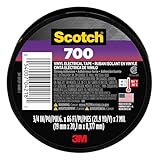
My experience? That tape gets hot, it melts, it loses its stick, and suddenly you’ve got a bigger, sparkier mess than you started with. Electrical tape, on the other hand, is designed with specific properties that make it suitable for insulating wires and protecting connections. It’s made from PVC, which is a plastic that doesn’t conduct electricity well and can withstand a decent amount of heat.
It’s also stretchy and adheres to itself, creating a secure, insulating wrap. Duct tape? It’s mostly fabric mesh with an adhesive.
That fabric breathes, it degrades with heat, and the adhesive is designed for sticking to surfaces, not forming a durable electrical barrier. I once tried to temporarily fix a garden pump’s power cord that had a small nick in the insulation. I figured duct tape would hold for a day until I could get a new cord. Nope.
Within an hour, the thing was smoking. The heat from the motor and the current running through the wire had turned the adhesive into a gooey mess, and the fabric just soaked it up.
It looked like a melted candy bar under there. Had I been dealing with higher voltage, it could have been a lot worse. The common advice about duct tape being a universal fix-all just doesn’t apply here. It’s a fantastic tool for holding things together, patching holes, and a million other things, but not for keeping electricity where it belongs.
The Nitty-Gritty: What Electrical Tape Actually Does
So, what makes that skinny roll of colored tape so special? It’s all about its material properties. Standard electrical tape is typically made from Polyvinyl Chloride (PVC).
This material has a high dielectric strength, meaning it can withstand a significant electrical voltage before it breaks down and allows current to pass through. Think of it like a tiny, flexible shield for your wires. It’s also designed to be stretchy.
This allows you to wrap it tightly around wires and connectors, overlapping each layer to create a smooth, insulating barrier. This self-adhering quality is key. (See Also: Can I Use Electrical Tape To Connect Wires )
When you wrap electrical tape around itself, the layers bond together, forming a solid, cohesive wrap that won’t unravel. Plus, it’s formulated to resist abrasion, chemicals, and UV rays, making it durable for long-term use, not just a quick fix.
I’ve got extension cords that have had their connections wrapped with electrical tape for over ten years, and they still look and perform like new. The tape remains flexible, hasn’t cracked, and the insulation is solid. Compare that to the duct tape experiment I mentioned earlier, which failed miserably in under an hour. Electrical tape also comes in various temperature ratings and voltage ratings, so you can choose the right one for your specific application.
There are even specialized tapes for high-voltage applications or extreme environments. Duct tape just comes in ‘grey’ and sometimes ‘black.’ That’s it. It’s simply not engineered for the demands of electrical insulation.
The adhesive on electrical tape is also specifically designed to stick well to itself and to the wire insulation, without becoming brittle or sticky when exposed to heat or cold. It’s a specialized product for a specialized, and often dangerous, job.
When Duct Tape might Not Be the Absolute Worst Idea (but Still Isn’t Good)
Okay, I’m going to get a little controversial here because I hate seeing people misuse good products. Everyone says duct tape is the universal fix-it tool. I disagree.
For temporary, low-voltage, and non-important situations where the risk of shock or fire is minimal, duct tape might prevent a wire from snagging or keep a slightly loose connection from wiggling further apart for a very short time. Think of a battery compartment on a kid’s toy where a wire has popped off, and you just need it to stay put for a few hours until you can get the right replacement. Or maybe a garden light wire that’s just barely frayed, and you need to keep it from touching damp soil until morning.
I’ve even used it to bundle some speaker wires together in my workshop, just to keep them tidy. But here’s the HUGE caveat: it’s purely mechanical.
It offers ZERO electrical insulation. If there’s any chance of exposed metal touching something it shouldn’t, or if the wire itself is carrying any significant power, duct tape is a recipe for disaster. It’s like using a paper towel to stop a bullet. It might catch a few droplets, but it’s not going to do the job it’s designed for.
I remember one time, my neighbor’s outdoor string lights had a section that was really beat up. He wrapped it all in duct tape. Looked like a mummy. A week later, during a mild rain, the whole string shorted out and tripped his breaker.
The duct tape had absorbed moisture and offered zero protection. It was a fire hazard waiting to happen. So, while you can technically wrap something with duct tape, you’re not substituting it for electrical tape; you’re just delaying the inevitable failure or, worse, creating a new hazard. (See Also: Can Electrica Tape Catch On Fire )
Comparing Apples And… Well, Fabric Mesh
Let’s break down the key differences in a way that makes it obvious why duct tape is a terrible stand-in for electrical tape. It’s not just about price or availability; it’s about function.
I’ve put together a little table here to really hammer this point home. Look, I love duct tape for what it is. It’s strong, it’s sticky, it’s versatile. But it’s not designed to be an insulator.
Electrical tape is. Simple as that.
If you’re dealing with anything that plugs into the wall, runs on batteries and powers more than a blinking LED, you need actual electrical tape. I’ve seen too many DIY electrical nightmares caused by people trying to cut corners with the wrong materials.
My personal rule of thumb: if it involves electricity and could potentially zap you, shock someone else, or start a fire, use the right tool. End of story.
| Feature | Electrical Tape | Duct Tape | Verdict |
|---|---|---|---|
| Primary Material | PVC (Polyvinyl Chloride) | Fabric mesh with adhesive | PVC is designed for insulation; fabric is not. |
| Electrical Insulation | High dielectric strength (designed to resist current) | Virtually none (fabric can wick moisture, adhesive can conduct) | Massive difference. Electrical tape insulates; duct tape does not. |
| Temperature Resistance | Rated for specific temperature ranges, often high enough for common electrical use. | Adhesive softens and degrades with heat; fabric can melt or burn. | Electrical tape is built to handle operational heat; duct tape melts. |
| Flexibility & Adhesion | Stretchy, self-adhering, forms a strong, cohesive wrap. | Less stretchy, adheres to surfaces but not well to itself over time, can become brittle or gummy. | Electrical tape creates a better, more durable seal for electrical purposes. |
| Durability | Resistant to abrasion, chemicals, UV. | Fabric can fray, adhesive can degrade, susceptible to moisture. | Electrical tape is built for longevity in exposed conditions. |
| Common Use | Insulating electrical wires and connections. | General repairs, sealing, bundling, temporary fixes. | Duct tape is for holding; electrical tape is for insulating. |
The Real-World Dangers of DIY Electrical ‘savings’
Let’s talk about what happens when things go wrong. Using duct tape in place of electrical tape isn’t just about a failed repair; it’s about safety. I’ve seen the aftermath of a faulty DIY electrical repair that started with someone thinking duct tape was a good enough substitute.
It’s rarely a pretty sight. We’re talking about potential fires, serious electrical shocks, and damaged appliances.
I once had a friend try to fix a frayed cord on his power tool using duct tape. He was working in his garage, a place filled with flammable sawdust and other materials.
Within a couple of hours, the tape started to smoke, and a small flame erupted. Luckily, he was right there and put it out with a fire extinguisher, but it could have easily spread and taken down his entire garage.
That’s the kind of risk you’re inviting when you decide duct tape is an acceptable substitute for electrical tape. Electricity doesn’t discriminate; it will find the path of least resistance, and a compromised duct-taped connection is a prime target. Even low-voltage AC circuits can cause nasty burns or painful shocks. (See Also: Can I Substitute Duct Tape For Electrical Tape )
And if you’re dealing with anything higher, like household wiring or larger appliances, the risk of electrocution is very real. The Consumer Product Safety Commission (CPSC) regularly issues warnings about frayed cords and improper repairs. While they might not specifically call out duct tape, their advice always points to using certified replacement parts and proper repair techniques.
They’re not going to tell you to grab the silver stuff from your toolbox. My dad, who’s been an electrician for forty years, always drilled into me: ‘If you’re not sure, don’t do it.
And if you are doing it, use the right damn tools.’ That’s advice worth taking to the bank.
Trying to save a few bucks on tape can end up costing you a lot more in repairs, medical bills, or even your home. Don’t let a cheap roll of tape turn into a disaster.
Faq: Common Questions Answered
Can Duct Tape Be Used for Temporary Electrical Insulation?
No, duct tape offers virtually no electrical insulation. While it might hold a wire mechanically for a short period in a low-voltage, non-important situation, it is not designed to prevent electrical current from passing through. Its fabric backing can wick moisture, and the adhesive can degrade, compromising any minimal barrier it might provide. It is never a safe substitute for proper electrical tape.
Will Duct Tape Melt on Electrical Wires?
Yes, duct tape is likely to melt or degrade significantly when exposed to the heat generated by electrical current. The adhesive can become gooey, and the fabric backing can soften or even burn. This failure can lead to exposed wires and a dangerous situation, unlike electrical tape, which is rated for specific temperature ranges encountered during normal electrical operation.
Is Duct Tape a Fire Hazard for Electrical Cords?
Absolutely. Because duct tape offers no reliable electrical insulation and degrades with heat, it can easily become a fire hazard when used on electrical cords. If a frayed wire is exposed, the duct tape can fail, allowing sparks to ignite the tape itself or nearby flammable materials. Electrical tape is specifically designed to prevent this by providing a safe, insulating barrier.
What Happens If I Use Duct Tape on an Electrical Connection?
If you use duct tape on an electrical connection, you risk the connection failing, overheating, and potentially causing a fire or electrical shock. The tape will not insulate the connection, and its adhesive and fabric can break down under electrical stress and heat. It’s a temporary, unsafe fix that could lead to significant damage or injury.
Final Verdict
So, to wrap this up, the answer to ‘can duct tape be substituted for electrical tape?’ is a resounding and emphatic NO. I’ve seen too many people try to get away with it, and I’ve seen what happens. It’s just not built for the job. Duct tape is fantastic for holding things together, patching leaks, or even wrapping a gift in a pinch, but when it comes to insulating electrical wires, it’s a dangerous gamble.
Save yourself the potential headaches, the risk of fire, and the actual possibility of getting shocked. Spend the few extra bucks on a roll of proper electrical tape. It’s cheap insurance for your safety and the integrity of your electrical systems. Next time you’re tempted to grab that silver roll for a wire repair, do yourself a favor and reach for the black (or colored) roll instead. Your future self, and probably your smoke detector, will thank you.