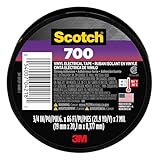
I remember staring at a mess of wires. It was for a DIY project, something meant to be pretty, but it ended up looking like a bird’s nest after a hurricane. And right there, mocking me, was a roll of black electrical tape. My brain screamed, ‘No! That’s for wires, not fancy fabric!’ But desperation does funny things to a person.
So, can black electrical tape be used to connect ribbons? The short, grumpy answer is: maybe, but you’re probably going to regret it. Let me tell you why this isn’t as straightforward as some folks make it out to be.
It’s a question that pops up when you’re in a pinch, staring at a project that needs a quick fix and a roll of tape is all you have handy. I’ve been there, and I’ve learned the hard way.
Why You’re Even Asking About Tape and Ribbons
Look, nobody wakes up in the morning thinking, ‘Today I shall connect my silk ribbons with electrical tape!’ It’s a situation that arises from necessity, usually when you’re knee-deep in a craft project, a costume, or maybe even some quick-and-dirty event decor, and a seam has popped, a hem has unraveled, or you just need to join two pieces of ribbon together to make a longer one for, say, a sash or a bow. You’ve got this roll of black electrical tape sitting in your toolbox – it’s sticky, it’s flexible, and it seems like it could do the job.
It’s readily available, often lurking in junk drawers or craft bins. The appeal is obvious: it’s a quick fix.
You don’t have to pull out a sewing machine, hunt for matching thread, or even learn a new stitch. You just need scissors and that roll of tape.
I’ll be honest, I’ve experimented with this. Back when I was trying to rig up a last-minute banner for a friend’s surprise party, I needed to extend a length of satin ribbon. I didn’t have time to run to the fabric store, and all I had was this ubiquitous roll of black electrical tape.
My thought process was pure pragmatism: it sticks, it’s thin enough not to add too much bulk, and it’s black, so it wouldn’t be too obvious on a dark ribbon, right? Wrong. So, so wrong.
The tape, bless its stretchy heart, tried its best, but the results were… less than professional. It held for a bit, but the edges started to peel almost immediately, and the sheen of the tape clashed horribly with the subtle shimmer of the satin. It looked like I’d slapped a band-aid on a silk dress. The common advice you’ll find online often dances around this, suggesting it’s a ‘temporary fix’ or for ‘non-visible areas.’
That’s often just a polite way of saying it’s a bad idea for anything you actually want to look decent or last. (See Also: Can I Use Electrical Tape To Connect Wires )
The truth is, the properties that make electrical tape great for its intended purpose – insulation, flexibility, and adhesion to smooth, non-porous surfaces like wires – are precisely what make it a poor choice for fabric ribbons. Fabrics are porous, they have texture, and they often need to flex and drape in ways that tape just can’t accommodate gracefully. It’s a square peg trying to fit into a round hole, and while it might wedge in there for a moment, it’s not going to be a secure or attractive fit.
What Happens When Tape Meets Fabric? The Science (sort Of)
Let’s break down why electrical tape, despite its stickiness, is generally a terrible idea for connecting ribbons. Electrical tape is designed primarily for two things: insulating electrical wires and holding them together securely without damaging the wire’s jacket. It’s typically made from PVC (polyvinyl chloride) with a rubber-based adhesive. This adhesive is formulated to stick well to smooth, dry surfaces like plastic, metal, and rubber – the stuff wires are usually made of. It’s also stretchy, which allows it to conform to irregular shapes and provide a tight, insulative wrap.
Now, ribbons, especially decorative ones like satin, grosgrain, or velvet, are a different beast entirely. They’re made of woven fibers. These fibers, even when tightly woven, create a surface that’s far from smooth. The adhesive on electrical tape has trouble getting a good grip on these tiny fibers.
It might stick to the surface initially, but it doesn’t bond deeply. Over time, especially with any movement, friction, or temperature changes, that adhesive will start to lose its hold. You end up with the tape peeling away, leaving a sticky residue behind. I once tried it on a velvet ribbon for a costume embellishment, thinking the texture would actually help the tape grip.
Big mistake. The tape clung to the velvet pile, pulling it out of shape and leaving a shiny, gunked-up patch where the tape had been.
It looked awful and felt even worse.
Another issue is breathability and moisture. Electrical tape isn’t designed to breathe. If the ribbon is used in a humid environment or gets even slightly damp, the tape can trap moisture, potentially leading to mildew or damage to the ribbon itself. Fabrics are often designed to be somewhat breathable, and sealing them up with a plastic tape can cause problems you wouldn’t anticipate. Furthermore, the adhesive itself can degrade over time, especially when exposed to UV light or heat, becoming brittle and less sticky. So, that ‘quick fix’ might just create a bigger problem down the line, leaving you with a sticky, frayed mess that’s much harder to repair properly.
The Unvarnished Truth: When Is It a ‘maybe’?
Okay, let’s be brutally honest here. Is there any scenario where using black electrical tape to connect ribbons isn’t an absolute disaster? Maybe, but you’d have to be incredibly specific and have extremely low expectations for longevity and aesthetics. I’m talking about situations where the connection will never be seen, will never be touched, and will likely be gone within 24 hours. Think of a temporary prop for a single, short play performance where the ribbon is only visible for a minute under stage lights, and it’s not structural. Or perhaps you need to temporarily secure a ribbon to itself to create a loop for a quick measurement, and you’re going to remove the tape immediately afterward.
I’ve seen people use it to hold the ends of ribbons together while they’re sewing them onto something. In that case, the tape is just a temporary placeholder. You’re going to remove it the second you start stitching. (See Also: Can Electrica Tape Catch On Fire )
Even then, I’d argue there are better temporary solutions, like a small dab of fabric glue or a couple of pins. The risk of the tape leaving residue or snagging the fabric is still there. My friend, who is an extreme crafter and always looking for unconventional solutions, once used electrical tape to join two lengths of thick, utilitarian canvas ribbon for a very rustic outdoor project. It was out of sight, on the back of a garden planter, and exposed to the elements.
It lasted about three weeks before the sun and rain turned it into a sticky, peeling mess. So, even in those ‘low-stakes’ situations, it’s a gamble. The common advice, even from DIY forums, usually circles back to: use it only as a last resort for something that needs to be undone quickly and where appearance and durability are zero concerns.
This is where the contrarian opinion comes in: Everyone says electrical tape is only for wires. I disagree, but only in the narrowest sense. It’s a versatile adhesive in that it sticks to something, and it’s flexible. But that doesn’t mean it’s good for everything. It’s like saying a hammer is versatile because you can hit things with it – sure, but you wouldn’t use it to stir your soup. Electrical tape’s versatility lies in its basic adhesive and flexible backing, not in its suitability for delicate materials or long-term applications. It’s a tool for specific electrical tasks, and anything else is pushing its limits way too hard.
A Better Way: Real Solutions for Connecting Ribbons
So, if electrical tape is mostly a bad idea, what should you do when you need to connect ribbons? Thankfully, there are plenty of tried-and-true methods that actually work and don’t make your project look like a science experiment gone wrong. The best method depends on the type of ribbon, how it will be used, and the desired look. For most decorative ribbons, sewing is king. A simple whipstitch or a straight stitch along the edge is often enough to create a strong, invisible join. If you’re dealing with a heavier ribbon, like grosgrain or canvas, you might need a stronger stitch, perhaps a zigzag, or even reinforcing it with a small piece of interfacing on the back.
If sewing isn’t an option, or you need something incredibly fast but still solid, fabric glue is your best friend. Brands like Aleene’s Fabric Fusion or Fray Check offer strong, flexible bonds that hold up well to washing and wear. Apply a thin, even layer along the edge of one ribbon, press the other ribbon onto it, and let it cure completely. It’s much cleaner and more professional than tape.
For very temporary needs, like holding a ribbon in place while you measure or plan, a small piece of double-sided craft tape designed for fabric can work. These are designed to be less aggressive than regular tape and often wash away or can be removed cleanly. I used a fabric glue stick once to attach ribbon trim to a cushion cover, and it held up beautifully through several washes.
It’s about using the right tool for the job, not just the tool that’s closest.
Here’s a quick rundown of my preferred methods, with a little verdict:
| Method | Best For | Pros | Cons | My Verdict |
|---|---|---|---|---|
| Sewing (hand or machine) | Most ribbons, durable, visible or hidden joins | Strong, permanent, professional finish, can be decorative | Requires skill/tools, time-consuming for beginners | ⭐ ⭐ ⭐ ⭐ ⭐ (The Gold Standard) |
| Fabric Glue | Most ribbons, quick & strong permanent joins | Fast, strong, flexible, often washable | Can leave a slight stiffness, potential for mess if over-applied | ⭐ ⭐ ⭐ ⭐ (My Go-To for Speed) |
| Double-Sided Fabric Tape | Temporary holds, no-sew projects, specific crafts | Quick, clean application, no drying time | Less permanent, can sometimes peel with stress or washing | ⭐ ⭐ ⭐ (Good for Quick Fixes) |
| Electrical Tape | Absolute last resort, non-visible, very short-term | Sticks to something, flexible | Looks bad, peels, leaves residue, damages fabric, NOT permanent | ⭐ (Only if you’re desperate and don’t care) |
The key takeaway is that the properties of electrical tape – its strong, specific adhesive and its plastic nature – are generally at odds with the nature of fabric ribbons. You’re trying to stick a sticky plastic to a woven material that needs to bend and flow, and the outcome is almost always less than ideal. (See Also: Can I Substitute Duct Tape For Electrical Tape )
Common Mistakes and How to Avoid Them
The biggest mistake, of course, is thinking electrical tape is a viable long-term solution for connecting ribbons. You see it, you think it’s sticky, you use it. That’s the trap. The immediate aftermath might look okay if you squint, but give it a day, a week, or a wash, and you’ll likely be dealing with peeling edges, sticky residue, and a general look of regret.
Another mistake is not considering the type of ribbon. Shiny satin ribbons are particularly unforgiving; the tape’s matte finish will stand out like a sore thumb, and the adhesive will struggle to grip. Even textured ribbons, like velvet or grosgrain, present challenges because the tape adheres to the surface fibers rather than creating a true bond. It’s like trying to glue two sponges together with a thin layer of glue on their exteriors – it’ll come apart.
People also underestimate the environmental factors. Heat, humidity, and even UV light from the sun can degrade the adhesive on electrical tape much faster than it would degrade a proper fabric adhesive or thread. So, that project you’re doing for outdoor decoration might look fine for a few days, but the tape will likely fail quickly when exposed to the elements. I once tried to fix a ribbon on a garden flag with electrical tape, thinking it was waterproof enough. Within a week of sun and a little rain, it was a gooey, peeling disaster that attracted dirt and looked absolutely wretched. A simple stitch would have lasted the whole season.
Finally, the residue. This is a huge pain. When electrical tape fails, it often leaves behind a sticky, gummy mess on the fabric. Trying to pick this off can snag and damage the ribbon fibers, making the situation even worse than it was before. You end up with a permanently stained or damaged section of ribbon that’s even harder to fix properly. Prevention is key here: avoid the tape altogether unless you absolutely have no other choice and understand it’s a temporary, unsightly fix. Always test any adhesive or method on a scrap piece of ribbon first if you’re unsure. It might save you a lot of heartache and ruined material later on.
Faq: Your Burning Questions Answered
Can You Use Black Electrical Tape to Connect Ribbons for Sewing?
You can use it to temporarily hold ribbons together while you are sewing, but it’s far from ideal. The tape can leave a sticky residue on your fabric, which can gum up your sewing machine needle and make the fabric difficult to work with. It’s much better to use fabric clips, pins, or a small amount of fabric glue for temporary holds.
Will Electrical Tape Damage Ribbon?
Yes, it very well can. The adhesive on electrical tape is strong and designed for plastics and metals, not delicate fabric fibers. When you peel the tape off, it can snag, pull, and even tear the ribbon fibers, leaving behind a sticky residue that’s difficult to remove and can permanently alter the texture or appearance of the ribbon.
Is Electrical Tape a Permanent Solution for Connecting Ribbons?
Absolutely not. Electrical tape is not designed for fabric and will not create a lasting bond. The adhesive will break down over time, especially with movement, heat, or moisture, causing the tape to peel, stretch, and fail, leaving you with a messier problem than you started with.
What Are the Best Alternatives to Electrical Tape for Ribbons?
The best alternatives are sewing (by hand or machine) for a durable and professional finish, or fabric glue for a strong, quick, and flexible bond. Double-sided fabric tape can also work for temporary applications where a strong, long-term hold isn’t necessary. These methods are designed to work with textiles and will yield much better, more attractive results.
Conclusion
So, to circle back to the original question: can black electrical tape be used to connect ribbons? The answer is a resounding ‘technically, yes, but please don’t.’ It’s a hack that sounds plausible in a pinch, but the reality is it’s a recipe for sticky messes, damaged fabric, and projects that look less than professional. You’re much better off investing a few minutes and perhaps a few dollars in the right tool for the job, whether that’s a needle and thread or a good fabric glue.
I’ve learned that sometimes the ‘quick fix’ is just a slower path to a bigger problem. When it comes to ribbons, which are often meant to be seen and felt for their texture and drape, using something like electrical tape is like putting a band-aid on a beautiful silk scarf. It might stop the fraying for a moment, but it ruins the whole aesthetic and likely makes a proper repair harder later.
Next time you’re faced with a ribbon-connecting conundrum, skip the electrical tape. Grab that sewing kit or a tube of fabric glue. Your project, and your future self, will thank you.